How Early a Labradoodle Should Meet a Groomer
Bringing a bouncy, adorable Labradoodle puppy home is a dream come true for many, but the reality of their high-maintenance coats can quickly turn that dream into a matted, stressful nightmare if not handled correctly. Many new owners quickly discover that grooming isn't just about aesthetics; it's a crucial part of their dog's health and well-being, and neglecting it can lead to painful matting, skin issues, and expensive emergency trips to the groomer or vet. This guide will walk you through the essential steps and timeline for introducing your Labradoodle puppy to grooming, ensuring a positive experience for both of you from the very beginning.
Why Early Introduction to Grooming Matters So Much for Your Labradoodle
The truth is, Labradoodles are not like many other breeds when it comes to grooming. Their unique coats, often a mix of Labrador straightness and Poodle curl, are prone to matting and require consistent care. Waiting until your puppy is older and matted to introduce them to the grooming salon is like throwing them into the deep end without teaching them to swim; it's likely to be traumatic and lead to lifelong fear and resistance. Early, positive exposure is the cornerstone of a happy, well-groomed adult Labradoodle.
Building Positive Associations from the Start
Imagine walking into a dentist's office for the first time as an adult, only to be told you need an immediate, painful root canal. That's often how a dog feels if their first grooming experience is a drastic dematting session. When your Labradoodle is a puppy, everything is new, exciting, and a chance for a positive learning experience. By making early grooming sessions feel like play, or at least a calm, rewarding event, you're teaching your puppy that the groomer's touch, the sound of clippers, and the feel of a dryer are nothing to fear. It's about building trust, both with you as their primary caregiver and with the professional groomer. If you start young, these experiences become routine rather than scary, which saves both of you a world of stress down the line. A relaxed dog is a cooperative dog, making the entire grooming process smoother and safer.
Preventing Fear and Anxiety Around Grooming
Dogs learn very quickly, and a bad experience can leave a lasting impression. If a puppy's first encounter with grooming involves pain (from being yanked by mats, or having sensitive areas roughly handled), loud noises from dryers, or uncomfortable restraints, they can develop lifelong fear and anxiety. This can manifest as growling, snapping, trying to escape, or even needing sedation for future grooms, which no one wants for their beloved companion. By taking a proactive approach, you can desensitize your puppy to the various aspects of grooming. This means gradually introducing them to the sound of clippers, the feel of brushes, and having their paws, ears, and tail handled. This slow, steady process helps them understand there’s nothing to be scared of, turning potential terror into peaceful acceptance. Early training programs, like those offered by BAXTER & Bella, often include modules on desensitizing puppies to handling, which can be incredibly helpful for future grooming success.
What "Meeting a Groomer" Actually Looks Like for a Young Labradoodle
When we talk about a puppy "meeting a groomer," it’s often not about a full-blown haircut or bath right away. It's much more about a gentle introduction to the environment, the sounds, and the sensations that come with a professional grooming salon. Think of it as a series of low-stress practice runs.
The "Happy Visit" – More Than Just a Haircut
Many reputable groomers offer what they call a "happy visit" or "puppy pamper" package specifically designed for young dogs. These aren't meant to transform your puppy's appearance but rather to introduce them to the grooming salon's sights, sounds, and smells in a non-threatening way. A typical happy visit might involve:
- A quick tour: Allowing your puppy to sniff around the reception area, perhaps even the grooming room (if safe and appropriate).
- Brief handling: A groomer might gently touch their paws, ears, and tail, mimicking what a future groom would entail. This can involve a few strokes with a soft brush and perhaps a quick trim around the eyes or sanitary areas if the puppy is comfortable.
- Sound exposure: Sitting near a dryer that's turned on low, or hearing clippers briefly.
- Positive reinforcement: Lots of praise, treats, and affection to ensure the puppy associates the groomer and the salon with good things.
The goal is purely to build positive associations, not to achieve a perfect groom. It’s a chance for your puppy to meet new people and experience new things without pressure. This foundational experience is vital for developing a calm demeanor for all future grooming sessions, which for a Labradoodle, can be quite lengthy. Building a Labradoodle Up to a Long Grooming Session is much easier when they start with positive "happy visits."
Desensitization to Sights, Sounds, and Smells
A grooming salon can be an overwhelming place for a young puppy. The strong smell of various shampoos, the hum and roar of high-velocity dryers, the buzzing of clippers, and the presence of other dogs can all contribute to sensory overload. A good groomer understands this and will aim to introduce these elements gradually. During a happy visit, the groomer might allow your puppy to observe these things from a distance, perhaps sitting quietly on a table while a dryer is used on another dog across the room. They might briefly touch an unturned-on clipper to your puppy’s paw, then turn it on nearby for a second, pairing it with a treat. This slow and steady desensitization helps your puppy understand that these are normal, non-threatening parts of the grooming routine. These controlled introductions minimize fear and build confidence, which is exactly what you want for a breed that will require professional grooming every six to eight weeks for its entire life.
Starting Basic Handling and Brushing Early
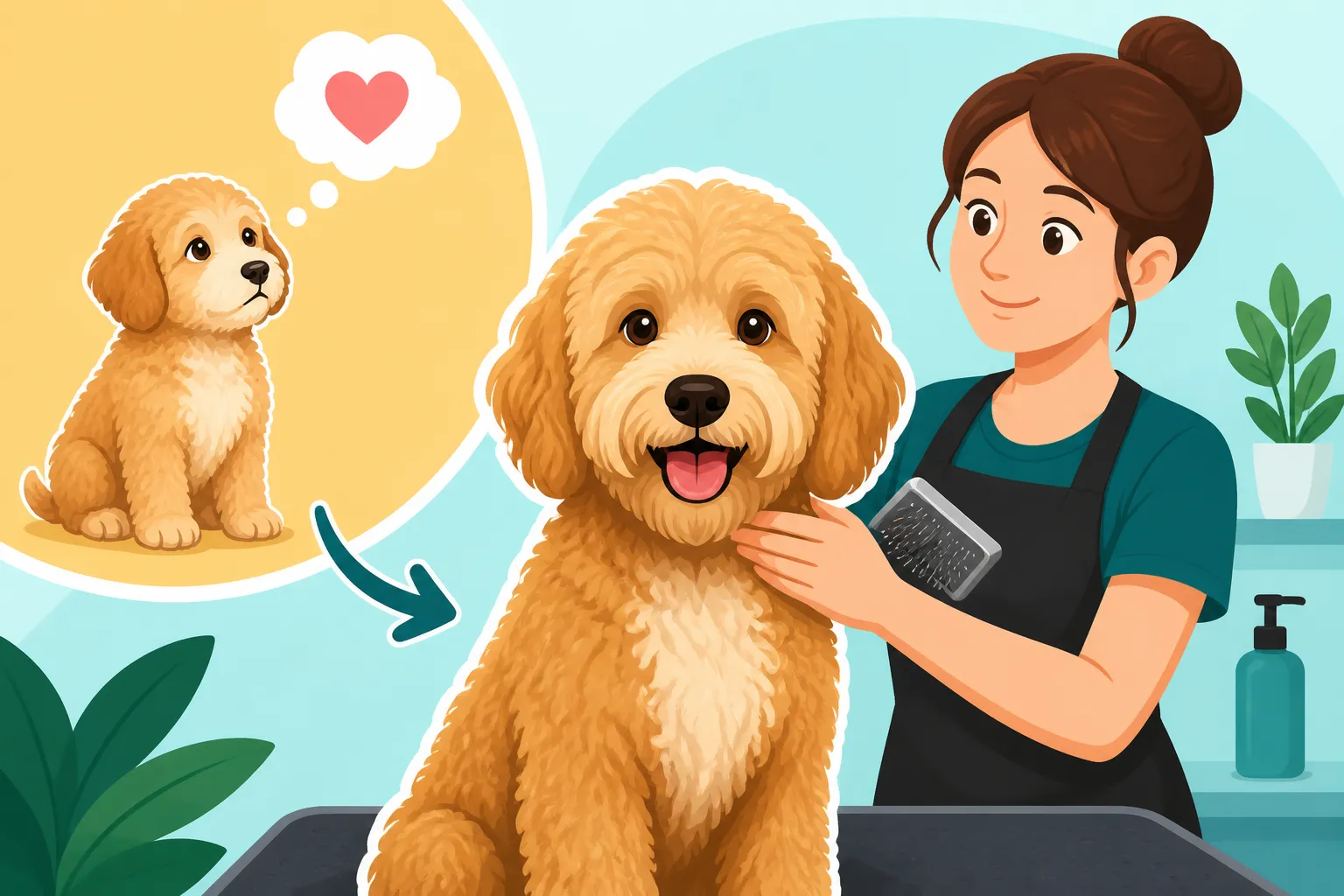
Beyond just the environment, the physical handling required for grooming can be intense. Your puppy will need to be comfortable with having their paws held, nails trimmed, ears cleaned, teeth brushed, and their entire body brushed down to the skin. This is where your at-home efforts become invaluable before even stepping into a salon. Start gently brushing your puppy daily for short periods, even if it's just for a minute or two. Use a soft slicker brush or a greyhound comb, always offering praise and treats. Practice holding their paws and separating their toes. Lift their ears and gently touch the inside. Starting Grooming Handling on a Labradoodle Puppy from a very young age will make a world of difference. When they visit the groomer, they'll already be familiar with the sensations of being touched and manipulated, making the groomer's job easier and your puppy's experience much less stressful.
When to Schedule That First Groomer Visit
Timing is really important for that initial introduction to a professional groomer. You want to strike a balance between getting them in early enough to form positive associations, but not so early that they aren't ready for the experience.
The Ideal Age Window
Generally, most veterinarians and groomers recommend scheduling your Labradoodle puppy's first "happy visit" around 10-16 weeks of age, or as soon as they have completed their initial set of puppy vaccinations and your vet gives the all-clear for them to be safely exposed to other dogs and environments. At this age, puppies are typically still in their critical socialization window, meaning they are more open and adaptable to new experiences.
Before this age, their immune systems are too fragile for public spaces, and they might be too overwhelmed. Waiting much longer, say until 5-6 months, can mean their puppy coat is already starting to shed and mat, leading to a potentially uncomfortable and negative first full grooming experience. The goal is to get them familiar with the process before their coat becomes a problem. This early exposure helps them learn that the grooming table is a safe place, that the tools aren't scary, and that the groomer is a friend.
Considerations for Puppies with Different Coat Types
While all Labradoodle puppies typically start with a soft, manageable puppy coat, their adult coat type can vary significantly between Hair, Fleece, and Wool. Even as a puppy, you might start to see hints of what's to come, and this can subtly influence the timing and nature of their early grooming.
- Hair Coat Labradoodles: These puppies might have a straighter, more Labrador-like coat. While less prone to matting, they still benefit immensely from early groomer visits to get used to the sounds and handling. They might not need full professional trims as often, but getting them comfortable with baths and nail trims is still crucial.
- Fleece Coat Labradoodles: Often the most desired coat type, fleece coats are soft, wavy, and do require regular maintenance to prevent matting. These puppies particularly benefit from early and frequent exposure, as their adult coat will demand significant brushing and professional grooming. Starting early gets them used to the routine before their more challenging adult coat comes in around The Coat Change That Hits a Labradoodle at Nine Months.
- Wool Coat Labradoodles: These coats are curly and dense, much like a Poodle's, and are the most prone to matting. For a wool-coated Labradoodle, early and consistent grooming is non-negotiable. They will need the most frequent trips to the groomer, so making those initial experiences positive is paramount. Waiting too long for these puppies almost guarantees painful matting and a very unpleasant first grooming experience.
Regardless of the eventual coat type, the principle remains the same: the earlier, the better for gentle, positive introductions. It sets them up for a lifetime of stress-free grooming.
Preparing Your Labradoodle Puppy for Their First Professional Groom
While the groomer plays a vital role, your work at home is the most significant factor in preparing your Labradoodle for a positive grooming experience. Consistent home care creates a solid foundation of comfort and trust.
Essential Home Grooming Practices
Before your puppy ever steps foot in a salon, you should be diligently working on home grooming. This isn't just about keeping them clean; it's about desensitization and building tolerance.
- Daily Brushing: Start with short, positive brushing sessions daily, even if it's just for a couple of minutes. Use a soft slicker brush and a metal comb. Focus on areas prone to matting, like behind the ears, in the armpits, and on their legs and tail. Always brush down to the skin, not just over the top coat. Reward generously with treats and praise. Products like the "Hertzko Self Cleaning Slicker Brush" (available on Amazon) are great for removing loose hair and mats gently. For detailed guidance, check out Brushing a Labradoodle to the Skin, Not the Surface.
- Paw and Nail Handling: Gently touch and hold your puppy's paws. Spread their toes and practice touching their nails. Use a nail grinder or clippers to gently trim just the tips, or even just touch the tool to their nails without trimming, followed by a treat. This gets them used to the sensation and sound.
- Ear Cleaning and Handling: Lift their ears, look inside, and gently touch the ear canal with your finger. If comfortable, use a veterinarian-recommended ear cleaner on a cotton ball to wipe the visible parts. The groomer will need to do this regularly, so familiarizing them with it now prevents future struggles.
- Bath Time: Start bathing your puppy at home using a gentle puppy shampoo. Make it a calm, positive experience with warm water and plenty of praise. Ensure you thoroughly rinse and then towel dry well. While a professional groomer has high-velocity dryers, home baths get them used to water and being handled while wet. For advice on how often, see How Often a Labradoodle Needs a Bath.
These regular, positive interactions teach your puppy that being handled, brushed, and cleaned is a normal, pleasant part of their life, not something to dread.
Making the Crate and Car a Positive Experience
Many grooming salons require dogs to be crated before, during, or after their groom for safety. If your Labradoodle puppy views their crate as a scary, isolating place, it will add to their stress at the groomer. Similarly, a car ride to an unknown destination can cause anxiety if they don't associate car travel with positive experiences.
- Crate Training: Introduce the crate as a safe, cozy den. Feed meals in it, give high-value treats and toys (like a Kong stuffed with peanut butter) inside, and make it a place for calm relaxation. Never use the crate as punishment. The goal is for your puppy to willingly go into their crate and feel secure there.
- Positive Car Rides: Start with short, fun car rides that end at a park or a friend's house, not just the vet. Gradually increase the duration. Use a secure crate or seatbelt harness in the car to ensure their safety and your peace of mind. If the only time they get in the car is for an unpleasant experience, they'll quickly learn to dread it. A calm puppy in the car means a calmer puppy arriving at the groomer.
Choosing the Right Groomer for Your Puppy
Selecting the right groomer for your Labradoodle's first experience is critical. You're looking for someone who understands puppy behavior and prioritizes positive reinforcement over force.
- Look for Puppy Programs: Ask groomers if they offer "puppy intro" or "happy visit" packages specifically designed for young dogs. This shows they understand the importance of early, positive exposure.
- Experience with Doodles: Labradoodle coats are unique and can be challenging. Choose a groomer with specific experience grooming doodles, as they'll understand the coat's needs and how to prevent matting without causing discomfort.
- Open Communication: A good groomer will be happy to discuss their approach, allow you to tour their facility, and tell you how they handle anxious puppies. They should prioritize your puppy's comfort and safety.
- Referrals and Reviews: Ask other Labradoodle owners in your area for recommendations. Online reviews can also give you insight into a groomer's practices.
- Patience and Empathy: The best groomers are those who display immense patience and empathy, understanding that a puppy's first experiences shape their future comfort with grooming. They should be willing to take things slowly and use positive reinforcement.
The table below provides a general timeline for introducing your Labradoodle puppy to grooming, integrating both home and professional efforts.
| Age Range | Home Grooming Activities | Professional Grooming Visits | Notes |
|---|---|---|---|
| 8-10 Weeks | Daily 1-2 min gentle brushing, paw/ear handling, crate games | N/A (Focus on home bonding & comfort) | This is foundational for all future steps. Keep it fun and positive! |
| 10-12 Weeks | Continue daily brushing & handling, short positive car rides | First "Happy Visit" to Groomer (no full groom) | Focus on positive association with the salon environment. Treats galore! |
| 12-16 Weeks | Continue home care, introduce gentle puppy baths | Second "Happy Visit" or light trim (eyes/sani) | Puppy should be fully vaccinated. Groomer might do minimal, gentle trims. |
| 4-6 Months | Regular brushing (10-15 min), baths as needed | First full puppy groom (trim, bath, dry) | Keep length longer to avoid shocking puppy. Reinforce positive experiences. |
| 6-9 Months | Consistent brushing (essential!), check for coat change | Regular grooms (every 6-8 weeks) | This is when the adult coat comes in and matting becomes a serious risk. |
| 9 Months+ | Daily line brushing, address mats immediately | Consistent 6-8 week grooming schedule | The "teenager" phase; reinforce good habits and make grooming routine. |
By being proactive and prioritizing positive experiences, you can help ensure your Labradoodle grows into an adult who tolerates, or even enjoys, their necessary grooming sessions. This commitment from puppyhood will truly pay off in a healthier, happier, and much more manageable dog. What a Labradoodle Owners Report Losing Their Dogs To often includes conditions exacerbated by poor coat care, so this truly is a health issue, not just a cosmetic one.
Disclaimer
This article is for general informational purposes only and does not constitute professional advice. Laws, prices and regulations vary by location and change over time. Consult a qualified professional for guidance on your specific situation.