What Labradoodle Owners Report Losing Their Dogs To
It's an utterly heartbreaking moment when we realize our beloved Labradoodle, who has been a furry shadow and constant source of joy, is nearing the end of their journey or facing a serious health crisis. The thought of losing them is something no pet parent ever wants to dwell on, but understanding the common health challenges and causes of death reported by other Labradoodle owners can prepare us, inform our care decisions, and help us navigate those difficult conversations with our veterinarians. This guide aims to shed light on the realities of Labradoodle health, drawing from real-world experiences and expert insights.
Understanding Labradoodle Lifespan and Common Concerns
Bringing a Labradoodle into your home often comes with hopes of many happy years filled with tail wags and cuddles. They’re adored for their wonderful temperaments and appealing looks, but like all living creatures, they are susceptible to a range of health conditions. Knowing what to watch for, and what health issues commonly shorten their lives, is a vital part of responsible pet ownership.
The Hybrid Vigor Myth vs. Reality
When the Labradoodle first gained popularity, there was a widespread belief that, as a "hybrid," they would automatically benefit from "hybrid vigor" – essentially, the idea that mixed breeds are inherently healthier than purebreds. While hybrid vigor can sometimes lead to increased genetic diversity and potentially reduce the incidence of certain recessive genetic diseases, it's not a magic shield. Labradoodles are a cross between two well-established breeds, the Labrador Retriever and the Standard Poodle, and they can inherit health issues from both sides of their family tree.
The reality is that whether hybrid vigor is real in a Labradoodle is a nuanced topic. If breeders are not carefully health testing both parent dogs for conditions common to their respective breeds, you could end up with a puppy predisposed to a wider array of problems. For instance, a Labradoodle can inherit hip dysplasia from a Labrador parent and Addison's disease from a Poodle parent. It’s crucial to look beyond the "doodle" label and understand the genetic background.
General Health Trends in Labradoodles
Generally speaking, Labradoodles are robust dogs, often active and full of life. However, they do carry predispositions to certain conditions, which diligent breeders screen for. These can include orthopedic issues, certain eye conditions, and some autoimmune disorders. The aim for owners should always be proactive care – regular veterinary check-ups, a balanced diet, appropriate exercise, and a keen eye for any changes in behavior or physical condition.
A Labradoodle’s health journey is often a reflection of their genetic blueprint combined with their environment and care. While some might sail through life with minimal health concerns, others might face significant battles. Being informed about common challenges allows owners to advocate effectively for their dog's health and to work closely with their vet.
The Leading Causes of Loss Reported by Owners
When discussing the painful topic of losing a beloved Labradoodle, certain conditions consistently come up in conversations among owners and veterinarians. These are often the major health battles that can ultimately lead to a dog’s passing, whether through natural causes or the heartbreaking decision of euthanasia due to insurmountable suffering.
Cancer: A Devastating Reality for Many Doodles
Cancer, unfortunately, is a leading cause of death across many dog breeds, and Labradoodles are no exception, particularly as they age. Both parent breeds have known predispositions to various forms of cancer. Poodles can be susceptible to sebaceous adenocarcinomas, lymphomas, and osteosarcoma, while Labradors have higher rates of mast cell tumors, lymphoma, and hemangiosarcoma. This means a Labradoodle can inherit a mixed bag of risks.
Owners often report facing diagnoses like lymphoma, a cancer of the lymphatic system, which can be aggressive but sometimes managed for a period with chemotherapy. Hemangiosarcoma, a cancer of the blood vessel lining, is particularly insidious as it often spreads silently, commonly affecting the spleen or heart, and can lead to sudden, fatal internal bleeding. Osteosarcoma, a bone cancer, causes immense pain and often leads to difficult decisions about amputation or quality of life. The vagueness of early symptoms, such as subtle lameness or lethargy, can make early detection challenging, adding to the devastation when a diagnosis is finally made. Dealing with cancer in an older Labradoodle is a profoundly challenging journey, and treatments can be extensive and costly, sometimes requiring careful consideration with pet insurance providers like Healthy Paws.
Orthopedic and Joint Issues: More Than Just Pain
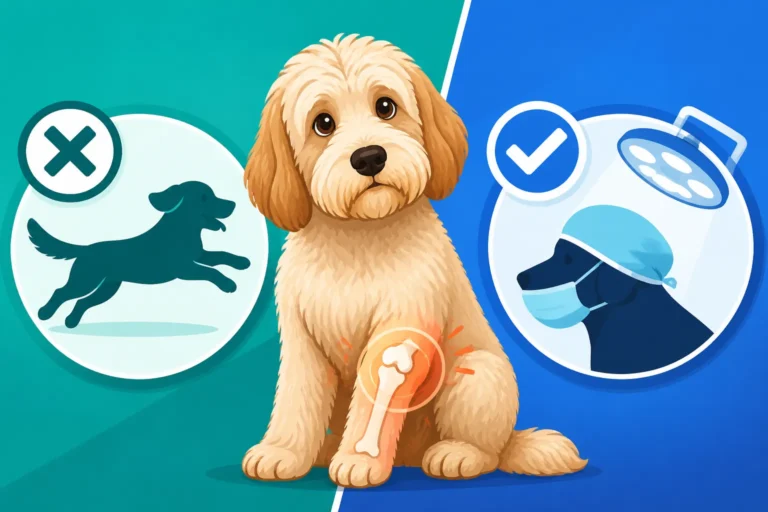
While conditions like hip and elbow dysplasia might not always be direct causes of death, severe cases can profoundly impact a Labradoodle's quality of life to the point where owners face the agonizing decision of euthanasia. Hip dysplasia, a malformation of the hip joint, and elbow dysplasia, a similar issue in the elbow, are common in larger breeds like the Labrador and Standard Poodle. These conditions cause chronic pain, arthritis, and mobility issues.
Imagine watching your once-athletic Labradoodle struggle to stand up, climb stairs, or even walk comfortably. When pain becomes unmanageable, even with medication, therapy, and sometimes surgery, it can diminish a dog's existence to mere survival. For a sixty pound Labradoodle, hips and elbows are crucial to their active lifestyle, and when these fail, the joy drains from their daily lives. Owners report feeling immense guilt and sadness when they realize their dog's physical discomfort has overshadowed their spirit, leading them to prioritize peace over prolonged suffering.
Bloat (GDV): The Silent Killer
Gastric Dilatation-Volvulus, commonly known as bloat, is a terrifying and rapidly progressing condition that is frequently reported by Labradoodle owners as a cause of sudden death. This emergency primarily affects deep-chested breeds, which include the Poodle, and thus, many Labradoodles. Bloat occurs when the stomach fills with gas and then twists, trapping the gas and cutting off blood flow. This causes immense pain and shock and is fatal if not treated immediately.
The signs can be subtle at first: restlessness, pacing, unproductive retching or gagging, a distended abdomen that feels hard to the touch, and excessive drooling. The progression can be incredibly fast, turning a happy, healthy dog into one fighting for its life within hours, sometimes even minutes. The fear of bloat risk in a standard Poodle bred Labradoodle is very real for many owners, as emergency surgery is the only treatment. Even with surgery, the survival rate is not 100%, and the financial burden of such an emergency can be overwhelming, making reliable pet insurance a real lifeline for many families.
Heart Disease: A Less Visible Threat
Heart conditions, while perhaps less commonly discussed than bloat or cancer, can also be a significant factor in a Labradoodle's lifespan. Labradoodles can be affected by various forms of heart disease, sometimes inherited from their Poodle or Labrador lineage, or developing later in life. Conditions like dilated cardiomyopathy (DCM), where the heart muscle becomes thin and weak, or subvalvular aortic stenosis (SAS), a narrowing of the aorta, can reduce the heart's ability to pump blood effectively, leading to eventual heart failure.
Symptoms can be insidious, often starting subtly with reduced exercise tolerance, coughing, or increased breathing rate, especially after exertion or when resting. Many owners might initially attribute these signs to aging or a lack of fitness. By the time clear signs of heart failure, such as fluid retention or severe lethargy, appear, the disease is often advanced. The progressive nature of these diseases means owners might spend months or years managing symptoms, but eventually, the heart gives out. Regular veterinary check-ups are vital for early detection, allowing for management that can extend a dog's comfortable life, though ultimately, heart disease can be a terminal diagnosis.
Other Significant Health Challenges Affecting Longevity
Beyond the most common and acutely life-threatening conditions, Labradoodles can face other health challenges that, while not always immediate causes of death, can significantly impact their longevity and quality of life, often leading to difficult decisions for their owners.
Autoimmune Diseases: Addison's and Beyond
Autoimmune diseases are conditions where the body's immune system mistakenly attacks its own tissues. For Labradoodles, Addison's disease is one of the most notable, primarily inherited from the Poodle side. This condition, also known as hypoadrenocorticism, affects the adrenal glands' ability to produce crucial hormones like cortisol and aldosterone. If left undiagnosed or untreated, an Addisonian crisis can be fatal.
The real frustration with Addison's is that the vague signs of Addison's in a Labradoodle often mimic other common ailments. Owners might notice intermittent vomiting, diarrhea, lethargy, decreased appetite, or increased thirst and urination. These symptoms can wax and wane, making diagnosis tricky and delaying proper treatment. Many owners report their dog suddenly collapsing or entering a severe crisis before Addison's is finally identified. Once diagnosed, Addison's disease a Labradoodle inherits from the Poodle is manageable with lifelong medication, often daily oral corticosteroids and monthly injections of desoxycorticosterone pivalate (DOCP). However, the chronic nature of the disease and the risk of a crisis, even with management, mean it remains a serious health concern that owners must vigilantly monitor. Life on daily medication for an Addisonian Labradoodle can be normal, but it requires unwavering dedication.
Neurological Conditions and Genetic Predispositions
Labradoodles can also be predisposed to certain neurological conditions that affect their quality of life and, in severe cases, can lead to their passing. Epilepsy recorded in Labradoodle lines is one such concern, where dogs experience recurrent seizures. The severity and frequency of seizures vary greatly, from mild, focal seizures to generalized, grand mal episodes. While many epileptic dogs can be managed with medication, severe, refractory epilepsy can be incredibly distressing for both dog and owner, and in rare cases, prolonged seizures can be fatal or lead to euthanasia decisions.
Another condition, particularly from the Labrador side, is Exercise Induced Collapse (EIC) and the Labradoodle's Labrador half. EIC is a genetic disorder that causes affected dogs to lose control of their hind legs and sometimes collapse after intense exercise. While a collapse episode itself is rarely fatal if the dog is rested and cooled down, repeated episodes can impact an active dog's life and, in extreme heat, could potentially contribute to heatstroke or other complications. Owners must understand the triggers and manage their dog's exercise rigorously to prevent episodes. These conditions require careful management and can be a source of constant worry for owners.
Chronic Illnesses and Quality of Life
Sometimes, it's not a single, sudden event, but a combination of chronic illnesses that slowly diminish a Labradoodle's quality of life over time, leading to the heartbreaking decision to say goodbye. This can include advanced stages of kidney disease, liver disease, or severe, unmanageable chronic pain from conditions like advanced arthritis that don't respond to medication.
Chronic allergies behind a Labradoodle's itching, for example, while rarely fatal directly, can lead to constant skin infections, discomfort, and a diminished quality of life for years. When these conditions become so debilitating that the dog can no longer enjoy basic activities, eat comfortably, or even sleep peacefully, owners are faced with the incredibly difficult choice of euthanasia to prevent further suffering. This cumulative effect of chronic ailments is a frequently reported reason for losing older Labradoodles, highlighting the importance of comfort care in their senior years.
The Role of Age and Proactive Care
As our Labradoodles gracefully transition into their senior years, their vulnerability to disease increases. This is a natural part of aging, but it underscores the critical role of proactive veterinary care and vigilant observation by owners.
Senior Labradoodles: A Time of Increased Vulnerability
Just like humans, dogs become more susceptible to a myriad of health issues as they age. For Labradoodles, this typically begins around eight to ten years old, which is often when a Labradoodle counts as senior. What a Labradoodle owner should watch for after eight becomes a priority, as conditions like cancer, heart disease, kidney disease, and cognitive decline become more prevalent. Bones and joints that were once strong begin to stiffen, eyesight and hearing may decline, and their immune systems may not be as robust.
Owners often report a slow, gradual decline, punctuated by new aches, pains, or changes in behavior. A once-energetic dog might become more lethargic, struggle with stairs, or simply lose their zest for life. This period requires extra patience, understanding, and increased veterinary attention. Regular senior check-ups are not just routine appointments; they are crucial for catching potential issues early when they might be more manageable.
The Impact of Veterinary Care and Owner Vigilance
The single most powerful tool we have as Labradoodle owners in extending and enriching our dogs' lives is proactive veterinary care combined with our own vigilance. The yearly screening a Labradoodle should get isn't just a recommendation; it's a lifeline. These check-ups allow veterinarians to perform comprehensive physical exams, run bloodwork, and conduct urine analyses that can detect subtle changes indicative of underlying disease before it becomes advanced. Early detection of issues like thyroid failure in a Labradoodle, early kidney disease, or even certain cancers can open doors to treatment options that might not be available later.
Beyond routine care, it's about being acutely aware of your dog's normal behavior and body language. Any sudden changes in appetite, thirst, energy levels, gait, or temperament warrant a call to your vet. Don't dismiss persistent coughing, limping, or digestive upset as "just a phase." These can be early warnings of serious conditions. Investing in pet insurance, from providers like Healthy Paws, can also be a significant factor. When faced with a sudden emergency like bloat or a costly diagnosis like cancer, knowing that a substantial portion of the vet bill can be covered allows owners to focus on their dog's health rather than financial strain. This peace of mind can truly make a difference in the care decisions made during critical times.
| Common Causes of Loss in Labradoodles | Key Signs to Watch For | Preventative/Management Tips |
|---|---|---|
| Cancer | Lumps/bumps, unexplained weight loss, lethargy, persistent lameness | Regular vet checks, monitor lumps, healthy diet, early detection |
| Bloat (GDV) | Restlessness, unproductive retching, distended abdomen, pacing | Avoid exercise after eating, slow feeder bowls, preventive gastropexy |
| Orthopedic Issues | Limping, difficulty rising, stiffness, reluctance to play | Responsible breeding, controlled exercise in puppyhood, joint supplements |
| Heart Disease | Coughing, reduced exercise tolerance, lethargy, increased breathing | Regular vet checks, monitor breathing rate, weight management |
| Addison's Disease | Intermittent vomiting/diarrhea, lethargy, decreased appetite | Vigilant monitoring, prompt vet visit for vague signs, lifelong medication |
| Epilepsy | Seizures (focal or generalized), confusion, disorientation | Vet diagnosis, medication management, trigger identification |
Disclaimer
This article is for general informational purposes only and does not constitute professional advice. Laws, prices and regulations vary by location and change over time. Consult a qualified professional for guidance on your specific situation.