Whether Labradoodle Hybrid Vigor Survives the First Cross
One of the most exciting promises breeders make about Labradoodles is the idea of "hybrid vigor" – that magical boost in health and hardiness you get from mixing two purebred lines. It sounds wonderful, a dog less prone to the ailments of its parent breeds, but many potential owners wonder if this genetic advantage is a one-time deal or if it extends to later generations. This guide dives deep into the science and reality of hybrid vigor in Labradoodles, helping you understand what to expect as you consider bringing one of these beloved doodles into your life.
Understanding the Science of Hybrid Vigor
The concept of hybrid vigor, also known as heterosis, is a fascinating aspect of genetics that breeders often highlight. It's not just a buzzword; it's a real biological phenomenon that can lead to improved health and vitality in crossbred animals. But what exactly is it, and how does it actually work in practice? Let's break down the underlying principles.
The Genetic Basis of Heterosis
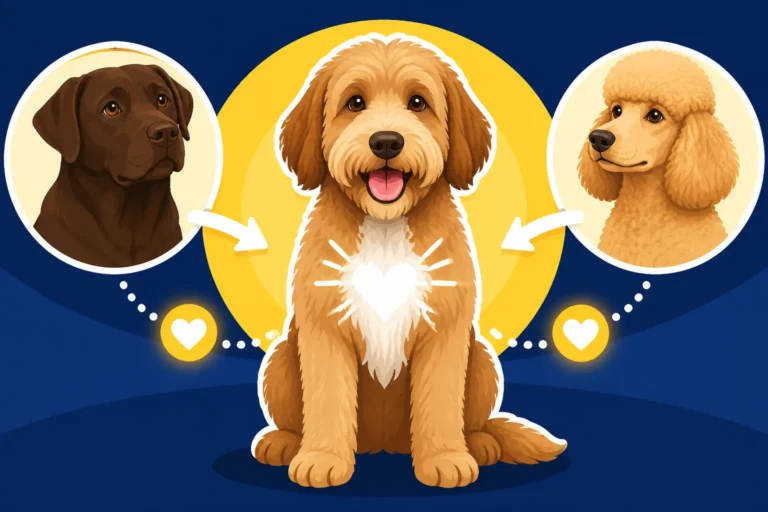
At its core, hybrid vigor arises from increased heterozygosity, which simply means having more genetic variation. Think of it this way: purebred dogs, like the Labrador Retriever or the Standard Poodle, have been bred over many generations for specific traits. While this breeding fixes desirable characteristics and creates a recognizable breed standard, it also inadvertently reduces genetic diversity. Over time, this can lead to an accumulation of recessive genes that, when expressed, can cause hereditary diseases. When you cross two unrelated purebreds, like a Labrador and a Poodle, you introduce a wide array of new genes into the offspring.
This infusion of diverse genes means that the offspring, the F1 Labradoodle, is much less likely to inherit two copies of a specific undesirable recessive gene from both parents. For a recessive genetic disease to manifest, an individual typically needs to inherit a copy of the faulty gene from each parent. With hybrid vigor, the chance of this happening is significantly reduced because the parents are genetically diverse. One parent might carry a gene for hip dysplasia, for example, but the other parent's differing genetics might provide a "healthy" dominant gene that masks the problematic one. It's like having a robust genetic backup system in place.
Observed Benefits in First-Generation Crosses
In the context of the first-generation (F1) Labradoodle, this genetic diversity often translates into noticeable health advantages. These F1 crosses frequently exhibit what seems like a general robustness; they might be less susceptible to common illnesses, have stronger immune systems, and even possess greater fertility and longevity compared to their purebred parents. Anecdotally, many owners of F1 Labradoodles report a dog that seems to simply "thrive," exhibiting high energy, good appetites, and fewer trips to the vet for minor ailments. This isn't to say they are immune to all health issues, but the overall incidence of certain hereditary conditions can be lower.
For example, while both Labradors and Poodles can be prone to hip dysplasia, an F1 Labradoodle might have a reduced risk simply because the genetic diversity makes it less likely for them to inherit the precise combination of genes from both sides that would lead to severe dysplasia. The effect is often described as a "buffering" against genetic weaknesses. It's a powerful argument for the initial cross, creating a dog that combines some of the best qualities of both breeds while potentially mitigating some of their inherent genetic vulnerabilities. This is why many proponents argue that Whether an F1 Labradoodle Is Healthier Than a Multigen is often true.
Hybrid Vigor in the F1 Labradoodle
The first cross, often referred to as an F1 Labradoodle (50% Labrador Retriever, 50% Standard Poodle), is where hybrid vigor is said to be at its peak. This generation is essentially the purest expression of the genetic mix, and it's where you'll most likely see the tangible benefits of combining two distinct purebred lines.
Peak Health and Vitality in the First Cross
When a purebred Labrador Retriever is bred with a purebred Standard Poodle, the resulting F1 puppies generally receive a highly diverse genetic blueprint. This initial pairing ensures maximum heterozygosity, meaning there's a good chance that any recessive gene passed down from one parent will be "covered" by a dominant, healthy gene from the other. This genetic lottery often leads to dogs that are remarkably healthy and resilient. Owners frequently observe F1 Labradoodles that have excellent overall health, a strong constitution, and a natural resistance to some of the common ailments seen in their parent breeds.
For instance, if a Labrador carries genes predisposing it to certain joint issues and a Poodle carries genes for certain eye conditions, an F1 offspring is less likely to express both conditions severely because they receive a mix. It's not a guaranteed shield, of course; a dog from two unhealthy lines will still likely be unhealthy. But with health-tested parents, the F1 generation typically enjoys a significant boost in general vigor. You might notice them bouncing back faster from minor scrapes, having a shinier coat, or just generally appearing more robust. This is the phenomenon that leads many to believe that Whether Hybrid Vigor Is Real in a Labradoodle.
Coat and Temperament Variability
While the health benefits of hybrid vigor in F1 Labradoodles can be quite evident, it's also important to understand that genetic diversity can lead to greater variability in other traits. This is particularly true for coat type and temperament, which are often less predictable in the first cross compared to later generations or purebreds.
An F1 Labradoodle might inherit a coat that ranges anywhere from straight and shedding (more like a Labrador) to curly and non-shedding (more like a Poodle), or anywhere in between. It's common to see "hair" coats, "fleece" coats, and even "wool" coats, each with different grooming requirements. This can be a delightful surprise for some, but a significant challenge for those seeking a specific look or low-allergen qualities. Similarly, temperament can vary more. While most F1 Labradoodles inherit the friendly nature of both breeds, some might lean more towards the Poodle's intelligence and sensitivity, while others might embody the Labrador's boisterous and eager-to-please personality. This variability means that while an F1 might be wonderfully healthy, its exact appearance and behavioral nuances can be a bit of a genetic roll of the dice. This is also why understanding What an Improper Coat Means on a Labradoodle is crucial for allergic families.
The Trade-offs and the "F1" Appeal
The appeal of the F1 Labradoodle often comes from this promise of superior health and vitality. For many breeders and owners, the primary goal of the first cross is to harness hybrid vigor and create a dog that is, on average, healthier than either purebred parent. This initial generation often sets the benchmark for the breed's potential in terms of overall wellness.
However, the trade-off, as mentioned, is the unpredictability in other areas. If a specific coat type or a very precise temperament is paramount, an F1 might not be the most predictable choice. Ethical breeders focus on healthy parents, regardless of generation, to ensure the best possible start for their puppies. For those seeking the optimal balance of health benefits from hybrid vigor and a somewhat predictable temperament, the F1 generation holds a special place. It’s a starting point, a genetic reset, that offers a unique combination of robustness. When evaluating a puppy, asking a breeder for The Health Tests a Labradoodle Breeder Should Show for both parents is critical, regardless of generation.
The Decline of Hybrid Vigor in Later Generations
While the F1 generation enjoys the full force of hybrid vigor, the story changes as breeders move into F1b, F2, and multi-generational Labradoodles. The very genetic diversity that provides the initial health boost can diminish with subsequent crosses, often leading to a reduction in hybrid vigor.
The Impact of Backcrossing to a Poodle
One common practice after the F1 generation is backcrossing, which typically involves breeding an F1 Labradoodle back to a purebred Poodle. This creates an F1b Labradoodle (roughly 75% Poodle, 25% Labrador). The primary reason for this type of cross is often to increase the likelihood of a non-shedding, allergy-friendly coat, as the Poodle genes contribute strongly to this trait. While this can be successful in terms of coat, it also means that the genetic diversity, and therefore hybrid vigor, begins to decline.
By adding more Poodle genetics, you're essentially increasing homozygosity for Poodle traits. This means the offspring are more likely to inherit two copies of genes that are common in Poodles, including those that might predispose them to certain Poodle-specific health issues, even if they were masked in the F1 generation. The "buffering" effect of having widely disparate genes is reduced. For example, conditions like Addison's Disease, which is seen in Poodles, might have a higher chance of surfacing if enough Poodle genetics are reintroduced over generations. This makes discussing Whether an F1b Labradoodle Is More Poodle a critical point for understanding potential health shifts.
Multi-Generational Breeding and Reduced Diversity
Multi-generational (multigen) Labradoodles are the result of breeding two Labradoodles together (F2, F3, etc.) or breeding an F1b with another Labradoodle, and so on. The goal of multigen breeding is often to create more consistency in coat type, size, and temperament, moving towards a more predictable "breed standard." However, as you continue to breed Labradoodle to Labradoodle, you're essentially narrowing the gene pool again.
Each successive generation bred within the Labradoodle line, without introducing new, diverse purebred genetics, gradually reduces the initial hybrid vigor. The parents of a multigen litter are genetically more similar to each other than an F1 parent would be to its purebred partner. This means there's a higher chance for recessive genes to pair up, increasing the potential expression of inherited conditions that were initially suppressed in the F1 generation. It's a trade-off: predictability in appearance and temperament for a potential decrease in that robust health advantage. The challenge for breeders is to manage this delicate balance.
Increased Risk of Recessive Conditions
With the reduction of hybrid vigor in later generations comes an increased risk of specific recessive genetic conditions. Both Labradors and Poodles carry certain predispositions, and while an F1 cross often provides enough genetic variation to prevent these from expressing, repeated breeding within the Labradoodle pool makes them more likely to appear.
For example, hip and elbow dysplasia are concerns in both parent breeds. While an F1 might benefit from the genetic mix, multigen breeding, especially without careful health testing, could see these issues resurface with higher frequency. The same goes for eye conditions like Progressive Retinal Atrophy (PRA), which can affect both Poodles and Labradors. Without diligent health testing of all breeding dogs, and not just the initial purebred parents, later generations run the risk of concentrating these genetic weaknesses. This highlights why understanding tests like The prcd-PRA Test Both Labradoodle Parents Need is crucial, and why Hips and Elbows in a Sixty Pound Labradoodle must always be checked.
Here's a simplified look at how hybrid vigor generally progresses across generations:
| Generation | Genetic Diversity (Heterozygosity) | Hybrid Vigor | Coat Predictability | Temperament Predictability | Risk of Recessive Conditions |
|---|---|---|---|---|---|
| F1 | Highest | Highest | Lowest | Medium | Lowest |
| F1b | High (slightly reduced) | High | Medium | Medium-High | Low-Medium |
| F2 | Medium | Medium | Medium-High | Medium-High | Medium |
| Multigen | Medium-Low (can vary) | Medium-Low | Highest | Highest | Medium-High |
This table illustrates the general trends; individual dogs will always vary based on specific parental genetics.
Maximizing Your Labradoodle's Health Beyond Hybrid Vigor
While hybrid vigor can offer a fantastic start, it's never a substitute for responsible breeding practices and dedicated lifelong care. For any Labradoodle owner, ensuring your furry friend lives a long, healthy life involves proactive choices, from choosing the right breeder to consistent care throughout their years.
The Absolute Importance of Health Testing
Whether you're getting an F1 or a multigen Labradoodle, the single most critical factor for ensuring their health is the comprehensive health testing of both parent dogs. A responsible breeder will screen their breeding stock for genetic conditions prevalent in Labrador Retrievers and Standard Poodles. This isn't just a suggestion; it's a non-negotiable step to mitigate the risk of hereditary diseases.
Key health clearances include screenings for hip and elbow dysplasia, eye certifications (like OFA Eye Certification or CAER exams), and DNA tests for conditions such as Progressive Retinal Atrophy (prcd-PRA), Von Willebrand's Disease (vWD), and Exercise Induced Collapse (EIC). Even if a dog carries a recessive gene for a condition, knowing that information allows a breeder to make informed decisions and avoid pairing two carriers, thereby preventing affected puppies. Don't be shy about asking your breeder for proof of these health clearances. A transparent breeder will happily provide them. Remember, a lack of health testing means you're flying blind, leaving your puppy vulnerable to preventable and heartbreaking genetic ailments. Insurance providers like Healthy Paws are often keen on dogs from health-tested parents, as it can reflect better long-term health prospects.
Choosing a Reputable Breeder for Long-Term Health
Your choice of breeder directly impacts your Labradoodle's health and well-being, far more than whether it's an F1 or multigen. A truly reputable breeder doesn't just focus on looks or even just the "hybrid vigor" aspect; they prioritize the overall health, temperament, and longevity of their puppies.
They will be open about their breeding practices, provide verifiable health clearances for the parent dogs, and be willing to answer all your questions, even the uncomfortable ones. They'll also typically adhere to a strict code of ethics, often being affiliated with recognized organizations like the Australian Labradoodle Association of America (ALAA) or the Worldwide Australian Labradoodle Association (WALA), even though the Labradoodle isn't a recognized breed by major kennel clubs like the AKC. A good breeder will also provide a health guarantee, though it's important to read the fine print. They'll care deeply about where their puppies go, and often offer lifetime support and guidance. This dedication helps ensure that your puppy has the best possible genetic foundation. Conversely, a breeder who shrugs off health testing or can't provide clear answers is a huge red flag that could lead to significant heartbreak and expense down the road. This also plays into Whether Health Tested Parents Add Years to a Labradoodle.
Lifelong Care, Nutrition, and Regular Vet Check-ups
Even with the best genetics and a reputable breeder, your Labradoodle's long-term health largely depends on the care you provide. This includes appropriate nutrition, regular exercise, and consistent veterinary care throughout their life, which can span The Twelve to Fifteen Years a Labradoodle Lives.
Feeding your Labradoodle a high-quality, balanced diet suitable for their age and activity level is foundational. Proper nutrition supports healthy growth, maintains a strong immune system, and helps prevent obesity, which can exacerbate joint problems. Regular exercise is also crucial; Labradoodles are energetic dogs that need mental and physical stimulation. This not only keeps them physically fit but also prevents behavioral issues that can arise from boredom. Beyond daily care, routine veterinary check-ups are essential for early detection and prevention of health problems. Your vet can advise on vaccinations, parasite control, dental care, and specific screenings as your dog ages. For instance, as they get older, What a Labradoodle Owner Should Watch For After Eight becomes especially important, involving discussions about potential arthritis, cognitive decline, or other age-related conditions. Having pet insurance, perhaps from a provider like Healthy Paws, can also provide peace of mind for unexpected medical costs, helping you afford the best care should issues arise.
Disclaimer
This article is for general informational purposes only and does not constitute professional advice. Laws, prices and regulations vary by location and change over time. Consult a qualified professional for guidance on your specific situation.