Whether Hybrid Vigor Is Real in a Labradoodle
It’s a common scenario: you’re dreaming of bringing a Labradoodle into your home, and you keep hearing whispers about "hybrid vigor." It sounds fantastic, right? Like getting a super-dog that magically avoids all the health problems of its parent breeds. But if you’ve been doing your research, you might also have heard conflicting information, or perhaps even a breeder downplaying it. This guide is here to cut through the confusion and give you a realistic, deeply informative look at whether hybrid vigor is truly a superpower for Labradoodles, and what that really means for your dog's health and lifespan.
Understanding Hybrid Vigor – The Basics
When we talk about hybrid vigor, it's easy to picture a dog that's somehow stronger and healthier than its purebred counterparts. And while there's a kernel of truth to that idea, the reality is a bit more nuanced. It’s not a magical force field, but a scientific principle based on genetics.
What Hybrid Vigor Actually Means
At its heart, hybrid vigor, also known as heterosis or outbreeding enhancement, describes the increased strength, growth, fertility, and health that can occur in offspring when two genetically distinct parents are bred. Think of it like this: if you have two separate populations that have become very good at surviving in their own unique ways, mixing their genes can sometimes produce an individual that combines the best traits of both, or even surpasses them in certain aspects. This phenomenon has been widely observed in agriculture, where crossing different strains of corn, for instance, often yields more robust and productive crops.
For dogs, the principle suggests that a first-generation cross (an F1 Labradoodle, where one parent is a purebred Labrador Retriever and the other is a purebred Poodle) might benefit from having a much wider range of genes than either parent breed alone. These two breeds, while both fantastic, have developed their own distinct genetic lines over many generations. By bringing those diverse lines together, you introduce a fresh mix of genes, which can potentially lead to offspring that are less susceptible to certain genetic weaknesses that might be concentrated within a single, more inbred purebred line. It's a natural boost that comes from breaking away from a tightly controlled gene pool.
The Genetic Mechanisms Behind Hybrid Vigor
To truly grasp hybrid vigor, we need to dip our toes into some basic genetics. Every dog inherits two copies of each gene, one from each parent. For many traits and diseases, one gene might be dominant and the other recessive. If a dog inherits a dominant gene for a healthy trait and a recessive gene for an undesirable one (like a genetic disease), the dominant healthy gene often "masks" or overrides the recessive one. The dog remains healthy, even though it carries the recessive gene.
Hybrid vigor comes into play because genetically diverse parents are less likely to carry the exact same harmful recessive genes. When you breed two purebred dogs from a very limited gene pool (which is often the case within specific purebred lines due to selective breeding for appearance or performance), they are more likely to share common ancestors and thus, potentially, the same recessive disease-causing genes. If both parents contribute a copy of a harmful recessive gene, their offspring will then inherit two copies of that recessive gene and will likely express the disease. This is known as being homozygous recessive.
However, when you cross two different breeds, like a Labrador and a Poodle, the chances of them both carrying the exact same rare, undesirable recessive gene are significantly lower. This increases the likelihood that their offspring (the F1 Labradoodle) will inherit at least one dominant, healthy gene for most traits. This increased heterozygosity (having two different copies of a gene) helps to mask any undesirable recessive genes that might be present, leading to a healthier, more vigorous individual. It’s not that the bad genes disappear, but rather that they are less likely to express themselves because a dominant, healthy counterpart is usually present.
How Purebred Breeding Practices Can Impact Health
While purebred dogs are cherished for their predictable traits, appearances, and temperaments, the very practices used to establish and maintain these breeds can sometimes inadvertently create health challenges. For centuries, breeders have focused on refining specific characteristics – a certain ear set, coat type, snout length, or behavioral trait. To achieve this consistency, they often employ practices like inbreeding (mating closely related individuals) or line breeding (mating individuals within the same family line, but not as closely related as in inbreeding).
The goal of these practices is to "fix" desirable traits by increasing homozygosity – ensuring the offspring inherit two identical copies of the genes responsible for those traits. However, the downside is that this also increases the likelihood of fixing undesirable recessive genes. When a small group of founding dogs is used to establish a breed, or when popular sires are used extensively, the gene pool becomes narrow. This means that if a particular dog carries a recessive gene for a health condition, that gene can quickly become widespread within the breed's population.
We see this played out in many purebreds. For example, some Labrador Retrievers are prone to hip and elbow dysplasia, certain eye conditions, and even exercise-induced collapse. Poodles, while generally healthy, can be susceptible to conditions like Addison's disease, bloat, and progressive retinal atrophy. These issues are often more prevalent in purebred lines because the genetic diversity has been reduced over generations of selective breeding. It's a trade-off: predictability in appearance and temperament often comes with a higher risk of inheriting specific genetic health predispositions that are now embedded within that breed's limited gene pool.
The Labradoodle and Its Hybrid Status
The concept of hybrid vigor is most strongly associated with the first-generation cross. But what happens when you start mixing things up a bit more, or when you introduce additional breeds into the equation, as with the Australian Labradoodle? The simple answer is that the benefits of hybrid vigor can become less straightforward, and the genetic landscape gets a whole lot more interesting.
The F1 Cross and Its Potential for Vigor
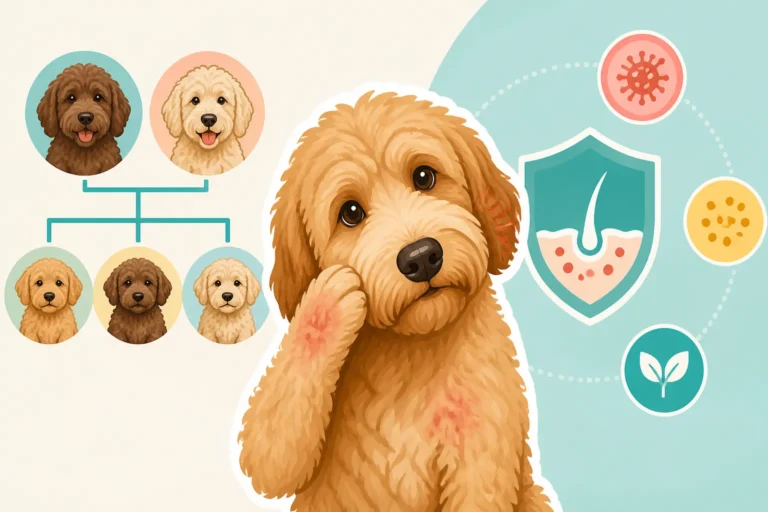
The F1 Labradoodle, often hailed as the poster child for hybrid vigor, is a direct result of breeding a purebred Labrador Retriever with a purebred Standard, Miniature, or Toy Poodle. This initial cross represents the greatest genetic distance between the two parent lines, maximizing the potential for heterosis. Because the Labrador and the Poodle have had distinct breeding histories for many generations, their individual gene pools are quite separate. When their genes are combined in the F1 offspring, there's a high chance that if one parent carries a particular undesirable recessive gene, the other parent will contribute a dominant, healthy gene for that same trait. This masks the recessive gene, meaning the F1 puppy is less likely to express the genetic disease.
For conditions governed by simple recessive inheritance, like the prcd-PRA eye condition, an F1 Labradoodle stands a very good chance of not developing the disease if at least one parent is clear of the gene. This is why many people seeking a robust, healthy companion are drawn to the F1 generation. The puppies tend to be lively, grow well, and often exhibit a general hardiness that can be attributed to this genetic mixing. They benefit from the wide genetic variability, potentially showing a reduced incidence of diseases common to both parent breeds. This initial genetic boost is what people are often referring to when they enthusiastically talk about "hybrid vigor" in Labradoodles.
What Happens in Later Labradoodle Generations
Once you move beyond the F1 generation, the picture of hybrid vigor becomes more complex. When an F1 Labradoodle is bred back to a purebred Poodle, you get an F1b Labradoodle. This introduces a heavier Poodle influence, and while it might be beneficial for coat type (often resulting in a curlier, lower-shedding coat), it also starts to reintroduce some genetic uniformity from the Poodle side. The genetic diversity isn't as maximized as in the F1 cross. Similarly, breeding two F1 Labradoodles together to create an F2 generation, or breeding subsequent generations (multigens), can further dilute the immediate benefits of hybrid vigor.
The reason for this lies in the laws of probability. Once you start breeding dogs that are themselves already hybrids, the chance of pairing up two copies of the same recessive gene increases again, simply because those genes are now present in both sides of the hybrid lineage. Imagine you have a deck of cards representing genes from the Labrador and Poodle. In an F1 cross, you're shuffling two completely separate decks. In an F2 or multigen cross, you're shuffling decks that already have some of the same cards mixed in. While responsible breeders of later generations still strive to select for health and temperament, the automatic "boost" of hybrid vigor that comes from that initial outcross starts to diminish. It doesn't mean later generations are inherently unhealthy, but it does mean breeders need to be even more vigilant with health testing and careful selection to maintain genetic health and diversity within their lines.
The Australian Labradoodle's Unique Genetic History
The Australian Labradoodle is a fascinating example because it takes the concept of a hybrid to a different level. Unlike the initial Labradoodle, which is a cross between just a Labrador and a Poodle, the Australian Labradoodle has a much broader genetic foundation. It typically includes the Poodle and Labrador Retriever, but also incorporates English Cocker Spaniel, American Cocker Spaniel, and sometimes the Irish Water Spaniel. This means it's not a simple two-breed hybrid, but rather a multi-generational composite of several distinct breeds.
This more complex genetic history means that the "hybrid vigor" at play isn't the same as a pure F1 cross. The breeders of Australian Labradoodles have spent decades selectively breeding these different lines together to achieve a consistent type, temperament, and coat. In a way, they've created their own new breed with a specific set of characteristics. While the initial introduction of multiple distinct breeds could infuse a broad range of genetic material, the subsequent generations of breeding within the Australian Labradoodle lines themselves mean that the population is, by design, becoming more genetically uniform than an F1 cross between two unrelated parent breeds.
The aim is to consolidate desirable traits and minimize undesirable ones through careful selection, not simply relying on the random benefits of a first-generation cross. This means that while Australian Labradoodles are generally robust, their health profile is a result of meticulous breeding programs focused on specific goals, rather than just the straightforward heterosis of a simple F1 hybrid. It highlights that the term "hybrid vigor" can be a bit of a misnomer when applied universally to all "doodles," as the genetic reality varies greatly depending on the specific breeding program and generation.
Specific Health Conditions and Hybrid Vigor's Influence
It’s tempting to believe that hybrid vigor offers a shield against all potential health issues. The truth is, its protective qualities are more effective against some types of conditions than others. Understanding this distinction is crucial for any Labradoodle owner.
Mitigating Recessive Genetic Diseases
One of the most significant ways hybrid vigor can benefit Labradoodles is by reducing the incidence of diseases caused by a single recessive gene. Consider conditions like Progressive Retinal Atrophy (prcd-PRA), a devastating eye disease that can lead to blindness, or Von Willebrand's disease, a bleeding disorder. Both of these are inherited in a simple recessive pattern. This means a dog must inherit two copies of the faulty gene (one from each parent) to develop the disease. If they inherit only one copy, they are typically a "carrier" and remain healthy, but can pass the gene to their offspring.
When you breed a purebred Labrador to a purebred Poodle, the chance of both parent dogs carrying the exact same recessive disease gene is relatively low, especially if breeders are performing basic health screenings. If, for example, the Labrador parent carries the gene for prcd-PRA, but the Poodle parent is completely clear, their F1 Labradoodle offspring will inherit one normal gene and one carrier gene, making them a carrier but, critically, not affected by the disease. This is where hybrid vigor shines brightest – it effectively "masks" these single-gene recessive conditions by ensuring that a healthy dominant gene is usually present from one side of the cross. This is why getting your Labradoodle puppy from parents who have been tested for these conditions, even if one is a carrier, can be reassuring. The important thing is that The prcd-PRA Test Both Labradoodle Parents Need is performed on both parents, ensuring you know the genetic status of your puppy's lineage.
Complex Inherited Conditions and Their Nuances
While hybrid vigor can be quite effective against single-gene recessive disorders, its impact on complex inherited conditions like hip and elbow dysplasia is less straightforward. These conditions are polygenic, meaning they are influenced by multiple genes, not just one, and are also heavily affected by environmental factors such as diet, exercise, and growth rate. Both Labrador Retrievers and Poodles, like many larger breeds, are known to have predispositions to these structural issues.
In the case of hip and elbow dysplasia, hybrid vigor might offer a slight advantage by broadening the overall genetic pool, potentially introducing a wider array of genes that could contribute to stronger joint development. However, it's certainly not a guarantee. An F1 Labradoodle can still develop hip or elbow dysplasia if they inherit the wrong combination of genes from both parents, or if environmental factors during their growth aren't optimal.
This is precisely why responsible breeders of Labradoodles, regardless of generation, still prioritize rigorous health testing for these conditions. They rely on evaluations from organizations like the Orthopedic Foundation for Animals (OFA) or PennHIP to assess the joint health of their breeding stock. Simply being a "hybrid" doesn't magically eliminate the risk. Owners still need to be mindful of Hips and Elbows in a Sixty Pound Labradoodle and ensure their puppy comes from parents with excellent hip and elbow scores, and then provide appropriate care during the crucial growth stages.
Breed-Specific Predispositions and the Labradoodle
Despite the benefits of hybrid vigor, Labradoodles are not immune to all health challenges, especially those that are strong predispositions within their parent breeds. Both Labradors and Poodles bring their own unique set of potential issues to the table, and while hybrid vigor might temper the incidence of some, it won't necessarily erase the underlying predisposition entirely.
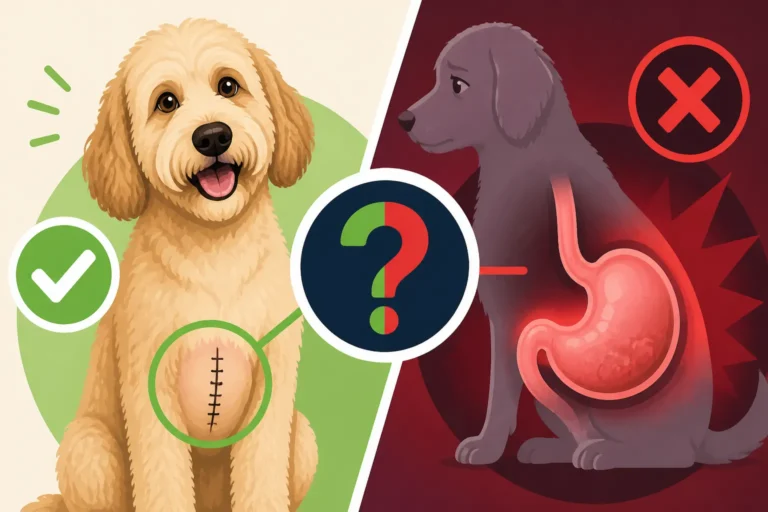
For example, Standard Poodles are known for their deep chests, which makes them susceptible to gastric dilatation-volvulus (GDV), commonly known as bloat. This life-threatening condition can affect Labradoodles as well, particularly the larger ones that inherit the Poodle's characteristic chest conformation. While hybrid vigor might mean the overall genetic health is slightly better, the physical structure predisposing to bloat is still present. Owners of larger Labradoodles need to be aware of the Bloat Risk in a Standard Poodle Bred Labradoodle and understand preventative measures.
Similarly, other conditions like Addison's Disease, which is more common in Poodles, or certain cancers that are prevalent in Labrador Retrievers, can still appear in Labradoodles. Hybrid vigor doesn't make a dog immune; it simply stacks the genetic deck a little more favorably against certain recessive disorders. For complex, polygenic, or structurally predisposed conditions, the best defense remains responsible breeding practices that include thorough health testing of parent dogs, combined with excellent husbandry and proactive veterinary care throughout the dog's life.
The Reality of Health Testing and Responsible Breeding
While hybrid vigor sounds appealing, relying solely on it is a gamble. The ultimate safeguard for your Labradoodle's health comes down to the choices made by the breeder, and your own due diligence as a prospective owner.
Why Health Testing Remains Paramount for Labradoodles
It's a common misconception that because Labradoodles are "hybrids," they don't need the same rigorous health testing as purebreds. Nothing could be further from the truth. Even with the potential benefits of hybrid vigor, genetic testing for known breed-specific issues is absolutely crucial. As we discussed, hybrid vigor is most effective against single-gene recessive disorders. For polygenic conditions like hip and elbow dysplasia, or other complex health challenges such as certain heart conditions or thyroid issues, proper screening of the parents is the only way to minimize risk.
A responsible breeder will openly provide documentation for health clearances for both parent dogs. This should include certifications for hips and elbows (often from OFA or PennHIP), eye clearances (from a veterinary ophthalmologist, often CAER exams), and DNA tests for conditions prevalent in Labradors and Poodles, such as prcd-PRA, Von Willebrand's disease, and Exercise Induced Collapse (EIC). Even Addison's Disease a Labradoodle Inherits From the Poodle can have genetic components that breeders should be aware of. Relying on hybrid vigor as a blanket statement without seeing these specific test results is like buying a car without checking its safety ratings simply because it's a newer model. Responsible breeders understand that Whether Health Tested Parents Add Years to a Labradoodle is not just a marketing claim, but a commitment to the puppies they produce.
The Difference a Reputable Breeder Makes
The phrase "hybrid doesn't automatically mean healthy" cannot be stressed enough. Unfortunately, the popularity of Labradoodles has led to a surge in unscrupulous breeders who use the "hybrid vigor" claim as an excuse to bypass essential health testing. These backyard breeders or puppy mills often focus solely on producing puppies for profit, with little regard for the genetic health or welfare of their breeding animals or offspring. A Labradoodle from untested parents, regardless of its F1 status, carries significant risks of inheriting genetic diseases.
A truly reputable breeder, on the other hand, approaches breeding with a commitment to improving the health and temperament of the breed. They invest heavily in health testing, understand genetic pedigrees, and carefully select breeding pairs not just for appearance, but primarily for health and temperament. They aim to maximize hybrid vigor through intelligent pairings, but they don't stop there. They also ensure genetic diversity within their breeding program and screen out known carriers or affected dogs for common issues. They'll be transparent about their testing protocols, openly discuss potential health issues, and provide comprehensive support to their puppy buyers. When looking for your new family member, always insist on seeing The Health Tests a Labradoodle Breeder Should Show, and don't be afraid to ask questions.
Moving Beyond the "Hybrid Vigor" Marketing Slogan
It's time for prospective Labradoodle owners to get savvy and look past the often-oversimplified marketing slogan of "hybrid vigor." While the scientific principle behind it is real and offers advantages for certain types of genetic conditions, it has been co-opted and misused by many to justify poor breeding practices. Some breeders will tout "hybrid vigor" to explain why they don't do extensive health testing, or to imply their puppies are immune to health problems. This is a red flag.
True hybrid vigor is a positive outcome of informed, intentional breeding that still requires a deep understanding of genetics and a commitment to health. It's not a magical cure-all, nor is it a substitute for diligent screening of parent dogs. Instead of simply asking if a Labradoodle benefits from hybrid vigor, a more productive approach is to ask: "What specific health tests have been performed on the parents, and what were the results?" Ask about the health history of their lines, and what steps they take to ensure their puppies are as healthy as possible. Look for transparency, education, and a genuine passion for the breed's well-being. Pet insurance companies, like Healthy Paws, are well aware of the varied health outcomes in mixed breeds, which is why thorough veterinary care and preventative measures are always encouraged, regardless of perceived hybrid benefits.
The Impact of Environment and Lifestyle
No matter how genetically sound a Labradoodle might be, their health and well-being are profoundly shaped by the environment they live in and the lifestyle they lead. Hybrid vigor provides a good start, but it's consistent, thoughtful care that truly fosters a long and healthy life.
Nutrition and Exercise: Foundations of Health
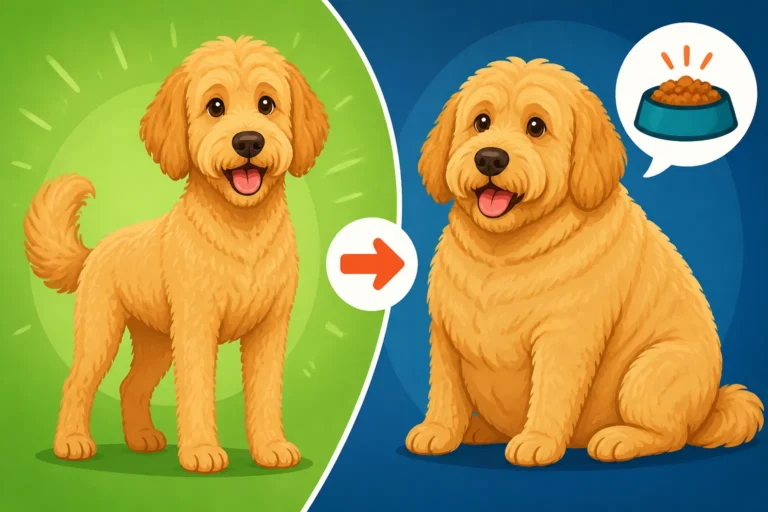
Just like us, dogs thrive on a balanced diet and regular physical activity. Even a Labradoodle with the strongest genetic makeup needs proper nutrition to support its growth, development, and ongoing health. A high-quality dog food, appropriate for their age, size, and activity level, provides the essential nutrients, vitamins, and minerals they need. Overfeeding, on the other hand, can lead to obesity, which is a major contributor to a host of health problems, including joint issues, diabetes, and heart disease. It's especially easy for Labradoodles, who often inherit the Labrador's enthusiastic appetite, to pack on the pounds if owners aren't careful about Keeping Weight Off a Labradoodle That Begs.
Beyond diet, consistent and appropriate exercise is paramount. Labradoodles are energetic dogs, combining the retrieving drive of a Labrador with the athleticism of a Poodle. They need daily opportunities to run, play, and explore to maintain a healthy weight, build strong muscles, and keep their joints supple. Lack of exercise can lead to boredom, destructive behaviors, and contribute to obesity and associated health problems. Tailoring exercise to your dog's age and individual needs is key; a young puppy requires different types and amounts of exercise than an adolescent or a senior dog. It's all about providing the right fuel and the right movement for a thriving canine companion.
Proactive Veterinary Care
Even with the best genetics and a perfect home environment, regular proactive veterinary care is non-negotiable for maintaining your Labradoodle's health. Vaccinations protect against common and dangerous diseases, while regular parasite control (for fleas, ticks, and worms) prevents infestations that can cause discomfort and serious health issues. Annual (or sometimes twice-yearly for seniors) veterinary check-ups are critical for early detection of potential problems. Your vet can catch subtle changes in weight, coat condition, or behavior that might indicate an underlying issue before it becomes severe.
These routine visits also provide an opportunity to discuss any concerns you might have, from dental health to behavioral quirks. Establishing a trusting relationship with your veterinarian means you have a partner in your Labradoodle's health journey, ready to offer advice and intervene quickly if something unexpected arises. This proactive approach can significantly extend a Labradoodle's healthy years. Thinking ahead about how to manage potential health costs is also wise. Many owners find value in pet insurance, like plans from Healthy Paws, which can offer peace of mind by helping to cover unexpected illnesses or accidents. The cost of diagnostics and treatments can add up quickly, so having a plan to manage these expenses is part of responsible pet ownership. Ensuring your Labradoodle gets The Yearly Screening a Labradoodle Should Get is one of the best investments you can make in their long-term health.
Managing Stress and Providing Enrichment
A dog's physical health is deeply intertwined with its mental and emotional well-being. Chronic stress can weaken the immune system, exacerbate existing conditions, and lead to behavioral problems that further impact health. Labradoodles are intelligent and sensitive dogs who thrive on companionship and mental stimulation. Providing a stable, predictable home environment, consistent training, and ample opportunities for enrichment are vital.
This means more than just physical exercise; it includes puzzle toys, training sessions, scent work, and opportunities for safe socialization. Dogs that are bored or anxious may develop destructive habits, excessive barking, or even self-mutilating behaviors. A dog that feels secure, engaged, and loved is simply more resilient. Hybrid vigor provides a strong biological foundation, but it cannot compensate for a lack of mental and emotional care. Even if your Labradoodle is robust, ensuring they live a life free from undue stress and filled with positive experiences is essential for their overall vitality. A happy, well-adjusted Labradoodle is more likely to be a healthy Labradoodle.
Lifespan Expectations and Hybrid Vigor
One of the most appealing promises of hybrid vigor is the potential for a longer, healthier life. While there's reason to believe this can be true for Labradoodles, it's essential to look at the full picture and understand what really contributes to longevity.
Average Lifespan of Labradoodles vs. Parent Breeds
When considering the lifespan of a Labradoodle, it's natural to compare it to their parent breeds: the Labrador Retriever and the Poodle. Labrador Retrievers typically live between 10 to 12 years. Poodles, especially Standard Poodles, often have a slightly longer average lifespan, generally ranging from 12 to 15 years. So, where do Labradoodles fit in? Anecdotal evidence and some studies suggest that Labradoodles often fall within or even slightly exceed this range, with many living between 12 to 15 years. This aligns with the idea that hybrid vigor can contribute to a more robust constitution, potentially translating into a longer lifespan.
The theory of hybrid vigor suggests that by diluting the concentration of specific breed-related health issues through outcrossing, the Labradoodle might dodge some of the common fatal conditions of their purebred ancestors. For instance, if a specific cancer is highly prevalent in one parent breed due to a limited gene pool, introducing genes from another breed might lower the overall risk. However, it's not a guarantee for every individual dog, and many factors beyond genetics play a significant role. The average numbers give us a good benchmark, but they don't tell the whole story for your specific dog. If you’re curious about the specifics of The Twelve to Fifteen Years a Labradoodle Lives, research indicates that a well-cared-for Labradoodle has excellent prospects for a long life.
The Role of Size in Longevity
Interestingly, a widely observed trend in canine biology is that, generally, smaller dog breeds tend to live longer than larger dog breeds. This phenomenon is often attributed to the accelerated growth rate and higher metabolic activity in large and giant breeds, which can lead to a faster accumulation of age-related cellular damage and an increased risk of conditions like cancer, joint problems, and bloat.
Given that Labradoodles come in various sizes – Miniature, Medium, and Standard – this size factor can play a role in their individual lifespans, independent of hybrid vigor. A Miniature Labradoodle, typically weighing under 30 pounds, might inherently have a propensity for a longer life simply due to its smaller size, aligning more with the lifespan expectations of smaller Poodles. A Standard Labradoodle, which can weigh 50 to 75 pounds or more, might face some of the same longevity challenges as other large breeds, even if it benefits from hybrid vigor. So, while hybrid vigor can contribute to overall health, the inherent biological differences associated with size are also a significant determinant of Whether a Miniature Labradoodle Outlives a Standard. This is another layer of complexity when discussing a Labradoodle's expected time with you.
What Really Shortens a Labradoodle's Life
While hybrid vigor can offer protective benefits against certain genetic conditions, it doesn't make Labradoodles immortal. Unfortunately, like all dogs, they are still susceptible to various health issues that can shorten their lives. Cancer remains one of the leading causes of death across all dog breeds, including Labradoodles, particularly as they age. Conditions like bloat, though potentially less frequent due to a broader gene pool, can still be devastating and require immediate emergency care if they occur. Addison's disease, inherited from the Poodle side, can also be a life-threatening condition if not diagnosed and managed properly.
Other factors that can significantly impact a Labradoodle's lifespan include chronic conditions such as severe hip or elbow dysplasia leading to debilitating arthritis, heart disease, or kidney failure. Accidents and preventable illnesses due to lack of vaccinations or proper care can also tragically cut a dog's life short. While hybrid vigor might give a Labradoodle a statistical edge in avoiding some specific hereditary diseases, it doesn't negate the importance of vigilant care, regular veterinary check-ups, and a healthy lifestyle. Understanding What Labradoodles Most Often Die Of is crucial for owners to be proactive in preventative care and recognize early warning signs. Pet insurance, such as a plan from Healthy Paws, can be invaluable in managing the costs associated with these serious conditions, allowing owners to focus on providing the best possible treatment for their beloved companion.
Here's a table summarizing the potential impact of hybrid vigor on common Labradoodle health concerns:
| Condition Category | Examples in Parent Breeds | Impact of Hybrid Vigor in F1 Labradoodle (Theoretical) | Breeder's Role & Owner Action |
|---|---|---|---|
| Single Recessive Gene Disorders | prcd-PRA (Poodle, Labrador), Von Willebrand's Disease (Poodle) | High Benefit: Greatly reduced risk of expression if at least one parent is clear. Healthy gene from one parent often masks faulty gene from the other. | Essential: DNA testing of both parents for known conditions. Owners should ask for results, even if parents are carriers, to understand carrier status. |
| Polygenic/Complex Disorders | Hip Dysplasia (Labrador, Poodle), Elbow Dysplasia (Labrador, Poodle) | Moderate Benefit: May slightly reduce incidence due to wider gene pool, but not a guarantee. Multiple genes and environmental factors are at play. | Crucial: OFA/PennHIP screenings of both parents for excellent joint health. Owners must provide proper nutrition & exercise during growth. |
| Breed Predispositions (Structural/Physiological) | Bloat (Poodle), certain Cancers (Labrador), Addison's Disease (Poodle) | Limited Benefit: Hybrid vigor generally doesn't alter physical structures (e.g., deep chest) or erase strong predispositions. May slightly lower overall incidence. | Vigilance: Breeders should still screen lines for these issues. Owners must be aware of warning signs and preventative care (e.g., gastropexy for bloat, regular vet checks). |
| Environmental/Lifestyle-Related Issues | Obesity, Dental Disease, Accidents | No Direct Benefit: Hybrid vigor offers no protection. These are primarily managed through owner care and environment. | Owner Responsibility: Balanced diet, appropriate exercise, regular dental care, safe environment, proactive vet visits. |
Disclaimer
Please remember that the information provided in this guide is for general educational purposes only and should not be considered a substitute for professional veterinary advice. Always consult with a qualified veterinarian regarding your Labradoodle's specific health concerns and care needs. Genetic health is complex, and while hybrid vigor offers potential advantages, it does not guarantee a disease-free life.