What Labradoodles Most Often Die Of
It's heartbreaking to even think about, but one of the biggest worries we carry as dog parents is how long our beloved companions will be with us and what challenges they might face. Understanding the most common causes of death in Labradoodles isn't about dwelling on the negative; it's about being informed, prepared, and able to give them the best chance at a long, healthy life. This guide will walk you through the primary health concerns that most often lead to a Labradoodle's passing, helping you recognize potential issues and proactively protect your furry family member.
Understanding Labradoodle Longevity and Common Concerns
Bringing a Labradoodle into your home means welcoming years of laughter, cuddles, and endless joy. Naturally, you want those years to be as numerous and healthy as possible. While Labradoodles are generally robust, they aren't immune to the health issues that can affect any dog, and some specific concerns do tend to rise to the top when we look at causes of mortality.
The Typical Lifespan of a Labradoodle
Most Labradoodles enjoy a good, long life, often gracing us with their presence for anywhere from 10 to 14 years. This generally aligns with what we see in their parent breeds – the Labrador Retriever and the Standard Poodle. Factors like genetics, diet, exercise, and veterinary care all play a huge role, of course. A well-bred Labradoodle from health-tested parents, receiving regular check-ups, a balanced diet, and plenty of activity, stands a much better chance of reaching the upper end of that spectrum, or even beyond. For a deeper dive into their potential years, you might want to read about The Twelve to Fifteen Years a Labradoodle Lives. It’s important to remember that these are averages; every dog is an individual, but knowing the typical range helps set expectations and benchmarks for their health journey.
Initial Worries Versus Reality for Owners
When people first get a Labradoodle puppy, their immediate concerns often revolve around house-training, chewing, and perhaps the infamous "coat change" that can lead to matting nightmares. While these are certainly valid and present challenges in their own right, the reality of long-term dog ownership often shifts towards more serious health matters as our dogs mature. What starts as a worry about puppy nips eventually evolves into concerns about lumps, limping, or a sudden change in appetite. Many owners initially worry about common puppy ailments, but the true battles are often fought against chronic diseases or acute emergencies later in life. This guide aims to prepare you for those later-stage realities, giving you the knowledge to act swiftly and decisively when it matters most.
The Silent Threat: Cancer in Labradoodles
It's a word that strikes fear into the heart of every dog owner: cancer. Unfortunately, like many popular breeds, Labradoodles are susceptible to various forms of this devastating disease. It’s one of the leading causes of death, especially as they enter their senior years. The unpredictable nature of cancer makes it particularly challenging, but understanding the common types and signs can make a world of difference.
Common Cancers Affecting Labradoodles
Labradoodles, inheriting genetic predispositions from both their Labrador and Poodle lineage, can develop several types of cancer. Lymphoma, a cancer of the lymphatic system, is unfortunately quite common. It often presents as enlarged lymph nodes, which you might feel as lumps under their jaw, in their armpits, or behind their knees. Osteosarcoma, an aggressive bone cancer, is another serious threat, particularly for larger Labradoodles. This often manifests as lameness or swelling in a limb. Mast cell tumors, which are skin cancers, can appear as small, firm lumps anywhere on the body and can be benign or highly aggressive. Hemangiosarcoma, a deadly cancer of the blood vessel lining, frequently affects the spleen or heart and often gives little warning before a catastrophic rupture. Early detection is really the best weapon we have against these insidious diseases. Many older Labradoodles will face some form of cancerous growth, and knowing what to look for can buy precious time. You can learn more about specific risks in Cancer in an Older Labradoodle.
Early Detection and Prognosis
Catching cancer early is paramount. Regular veterinary check-ups are non-negotiable, and during these visits, your vet will perform a thorough physical examination, feeling for any unusual lumps or bumps. As an owner, you should also be diligent about performing monthly "at-home" checks. This means gently feeling all over your Labradoodle's body, paying close attention to areas like the neck, armpits, groin, and along their limbs. Any new lump, bump, or skin lesion that doesn't disappear within a few weeks, changes in size, or becomes painful, should be promptly evaluated by a veterinarian. Other subtle signs, such as unexplained weight loss, changes in appetite, lethargy, persistent lameness, or difficulty breathing, should also raise a red flag. While the prognosis varies greatly depending on the type and stage of cancer, early diagnosis often allows for more effective treatment options, extending both the quality and length of your dog's life.
Managing Cancer in Your Labradoodle
A cancer diagnosis is overwhelming, but it's not always an immediate death sentence. Treatment options for canine cancer have advanced significantly. Depending on the type and stage, these can include surgery to remove tumors, chemotherapy, radiation therapy, or palliative care to manage pain and improve comfort. Your veterinary oncologist will work with you to create a personalized treatment plan. Chemotherapy in dogs is generally less aggressive than in humans, focusing more on quality of life, so many dogs tolerate it well with minimal side effects. Radiation therapy can be very effective for localized tumors, and surgery offers the best chance for removal of many solid tumors.
Financially, cancer treatment can be incredibly expensive, running into thousands, even tens of thousands of dollars. This is where comprehensive pet insurance like Healthy Paws can be a lifesaver, allowing you to focus on your dog's care rather than agonizing over the cost. They can cover a significant portion of the eligible expenses, from diagnostics to ongoing treatments. Discussing all options with your vet, including the potential for clinical trials, can help you make the best decision for your beloved Labradoodle. Even if a cure isn't possible, palliative care can ensure their remaining time is comfortable and filled with love.
Gastrointestinal Emergencies: Bloat and Torsion
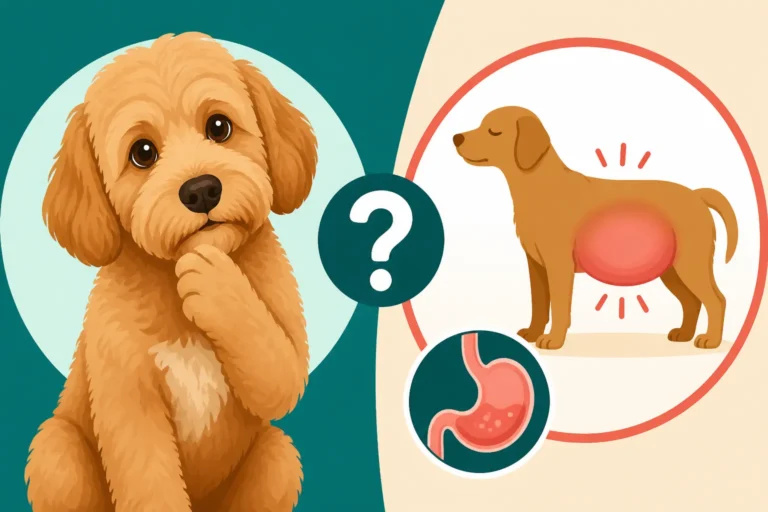
One of the most terrifying and rapidly fatal conditions a large-chested dog like a Labradoodle can face is Gastric Dilatation-Volvulus (GDV), more commonly known as bloat with torsion. It’s a true veterinary emergency that requires immediate intervention, often within hours.
Why Labradoodles Are Prone to Bloat
Labradoodles, particularly the standard-sized ones, inherit a deep-chested conformation from their Poodle parent, which unfortunately makes them more susceptible to bloat. This isn't just a tummy ache; it's a life-threatening condition where the stomach fills with gas, food, or fluid (dilatation) and then twists on itself (volvulus). When the stomach twists, it cuts off blood supply to the stomach and often the spleen, and gas becomes trapped, putting immense pressure on other organs and inhibiting proper circulation to the rest of the body. Without blood flow, tissue quickly dies, and shock sets in. Understanding The Deep Chest a Labradoodle Gets From the Poodle helps explain this predisposition. It's a critical risk factor that all owners of larger Labradoodles must be aware of.
Recognizing the Critical Signs
The signs of bloat can appear suddenly and escalate rapidly. Time is absolutely of the essence. You might notice your Labradoodle looking anxious or restless, pacing, and trying to vomit without bringing anything up (non-productive retching). They may drool excessively, have a distended or hard abdomen (especially on the left side), and show signs of pain when you touch their belly. As the condition progresses, they might become weak, collapse, or have pale gums and a rapid heart rate. If you suspect bloat, do not wait – get your Labradoodle to an emergency veterinary clinic immediately. Even a delay of an hour can significantly reduce their chances of survival. This is an instance where an "I'll just wait and see" approach can be fatal.
Prevention and Emergency Care
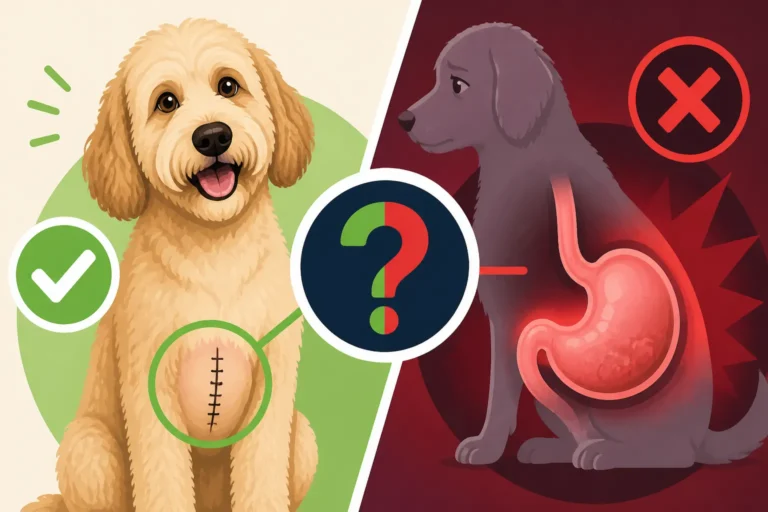
While there's no foolproof way to prevent bloat, several strategies can help reduce the risk. These include feeding multiple small meals throughout the day rather than one large one, avoiding vigorous exercise immediately before or after eating, and using a slow-feeder bowl to prevent them from gulping down food too quickly. Some studies suggest that elevated feeding bowls might increase risk for some breeds, while others debate this. It’s best to discuss this with your vet. For at-risk breeds, a prophylactic gastropexy—a surgical procedure where the stomach is tacked to the abdominal wall—can be performed, often at the same time as spaying or neutering. This procedure won't prevent the stomach from dilating, but it will prevent it from twisting, which is the most dangerous aspect of GDV. If bloat does occur and torsion is confirmed, emergency surgery is the only treatment. The cost of such an emergency surgery can be staggering, easily reaching several thousand dollars. Having pet insurance coverage, like that offered by Healthy Paws, can greatly alleviate the financial burden during such a stressful, time-sensitive situation, ensuring your dog gets immediate, life-saving care without hesitation. You can find more information in Bloat Risk in a Standard Poodle Bred Labradoodle.
Hereditary Health Conditions: The Genetic Lottery
While hybrid vigor is often touted for mixed breeds like Labradoodles, they can still inherit genetic conditions from both parent lines. Responsible breeding practices, including thorough health testing, aim to reduce the incidence of these diseases, but they can still unfortunately emerge.
Joint Diseases Leading to Euthanasia
Labradors and Poodles are both prone to certain orthopedic conditions, and Labradoodles can inherit these tendencies. Hip and elbow dysplasia are unfortunately common. Hip dysplasia occurs when the hip joint doesn't form correctly, leading to looseness, pain, and eventually arthritis. Elbow dysplasia is a similar malformation of the elbow joint. While these conditions aren't usually fatal in themselves, the chronic pain, lameness, and reduced quality of life they cause can, sadly, lead to a decision for euthanasia, especially if medical or surgical treatments are no longer effective or affordable. Severe arthritis that leaves a dog unable to walk or stand comfortably can dramatically impact their well-being. Proactive measures, such as selecting a puppy from parents with excellent Hips and Elbows in a Sixty Pound Labradoodle scores (OFA or PennHIP), maintaining a healthy weight, and providing appropriate exercise, are crucial.
Autoimmune Conditions and Their Impact
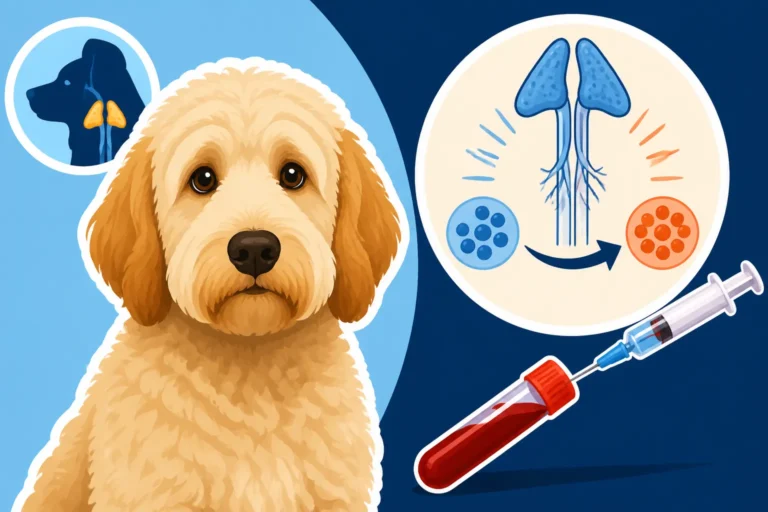
Poodles, in particular, are known for a predisposition to certain autoimmune diseases, and these can be passed on to Labradoodles. Addison's Disease, also known as hypoadrenocorticism, is one such condition where the adrenal glands don't produce enough vital hormones. Its symptoms are often vague and can mimic other illnesses, making diagnosis tricky. If left untreated, an "Addisonian crisis" can be fatal. However, with proper diagnosis and daily medication, dogs with Addison's can often live full, happy lives. Another condition, though rarer, is autoimmune hemolytic anemia (AIHA), where the dog's immune system attacks its own red blood cells, leading to severe anemia. These conditions require lifelong management and can have significant implications for a dog's health and lifespan if not caught and treated early. For more on a specific autoimmune condition, check out Addison's Disease a Labradoodle Inherits From the Poodle.
Neurological Disorders and Quality of Life
While less common than cancer or bloat, certain neurological disorders can also impact a Labradoodle's quality of life to the point where difficult decisions must be made. Epilepsy, characterized by recurrent seizures, can be inherited from either parent breed. While many epileptic dogs can be managed with medication, severe or uncontrolled seizures can lead to complications, brain damage, or significantly diminish quality of life. Other neurological issues, such as those caused by disc disease, can result in paralysis or severe pain. Although rarely immediately fatal, the debilitating nature of some neurological disorders can make daily living unbearable for the dog and incredibly challenging for the owner. Selecting a puppy from breeders who perform comprehensive health testing on their breeding stock can help minimize the risk of inheriting these predispositions. It really does pay to ask your breeder about Whether Health Tested Parents Add Years to a Labradoodle. Look for information on Epilepsy Recorded in Labradoodle Lines if this is a concern.
| Cause of Death | Typical Age Range | Key Signs to Watch For | Treatment Options |
|---|---|---|---|
| Cancer | Senior (8+ years) | Lumps, unexplained weight loss, lethargy, persistent lameness, difficulty breathing | Surgery, chemotherapy, radiation, palliative care |
| Bloat (GDV) | Any age, common in adults | Non-productive retching, distended abdomen, restlessness, collapse, excessive drooling | Emergency surgery (gastropexy as prevention) |
| Joint Disease | Middle to Senior | Lameness, stiffness, difficulty rising, reluctance to play or jump, pain on touch | Pain management, physical therapy, joint supplements, surgery |
| Autoimmune Disease | Young to Adult | Lethargy, vomiting, diarrhea, unexplained weakness, pale gums, excessive thirst/urination | Lifelong medication, immune suppressants, crisis management |
| Accidents/Injury | Any age | Visible wounds, lameness, pain, shock, difficulty breathing, internal bleeding | Emergency surgery, supportive care, rehabilitation |
| Organ Failure | Senior (10+ years) | Increased thirst/urination, appetite changes, lethargy, vomiting, weakness | Symptomatic treatment, dietary changes, medication, palliative care |
Accidents, Injuries, and Acute Illnesses
While many of us focus on chronic diseases, it’s a hard truth that sometimes, the most unexpected events can lead to our Labradoodles' untimely demise. Accidents, sudden injuries, or rapidly progressing acute illnesses are unfortunate realities that every dog owner must be aware of.
Everyday Risks and How to Mitigate Them
Our homes and environments, seemingly safe to us, can hold hidden dangers for our curious and often boisterous Labradoodles. Traffic accidents are a tragic reality, emphasizing the importance of secure fencing and vigilant leash handling, especially near roads. Falls from heights, like open windows or balconies, can cause severe internal injuries. Ingesting toxic substances—from household cleaners and medications to certain foods like chocolate, grapes, or xylitol—can lead to rapid organ failure. Even common plants in your garden might be poisonous. Drowning, particularly in unsupervised pools or open water, is another risk, especially if your Labradoodle isn't a natural swimmer or is exhausted.
To mitigate these risks, always supervise your Labradoodle outdoors, especially if they have a tendency to wander or chase. Secure your yard, ensuring there are no gaps in fencing. Child-proof your home, putting away all hazardous chemicals, human medications, and toxic foods. If your dog loves water, consider a life vest for boating or swimming, and always ensure they can easily exit a pool. Vigilance is your best defense against these preventable tragedies.
Sudden Illnesses and Rapid Decline
Sometimes, a seemingly healthy Labradoodle can fall ill very quickly, and the progression of the disease can be startlingly fast. Acute pancreatitis, often triggered by ingesting fatty foods (like raiding the trash or getting too many human food scraps), can be severe and life-threatening, leading to vomiting, diarrhea, abdominal pain, and shock. Severe allergic reactions to insect stings or certain medications can also cause anaphylactic shock, which requires immediate veterinary attention. Heart conditions, sometimes asymptomatic until a crisis, can lead to sudden collapse or acute congestive heart failure.
In these situations, knowing your dog's normal behavior and body language is key. Any sudden, dramatic change—extreme lethargy, persistent vomiting or diarrhea, severe pain, difficulty breathing, or sudden collapse—warrants an immediate trip to the emergency vet. These acute crises often have a better outcome if treatment is initiated rapidly. While we cannot predict every illness, being prepared to act quickly can be the difference between life and death.
The Inevitable: Age-Related Decline and Organ Failure
As much as we wish our Labradoodles could stay puppies forever, they, like us, will eventually age. For many, the end comes not from one specific disease, but from a gradual decline in overall health and the failure of vital organs.
Navigating Senior Years with Your Labradoodle
Watching our Labradoodles grow into their senior years is a bittersweet experience. We cherish the wisdom in their eyes and the comfort of their presence, but we also begin to notice the subtle signs of aging. They might slow down, sleep more, or become a bit stiffer after a long nap. Their vision or hearing might start to fade, and they might become more sensitive to temperature changes. It's during these years that conditions like arthritis become more prevalent, and organs start to show wear and tear. Their immune systems aren't as robust, making them more susceptible to infections. This is when regular, perhaps even biannual, veterinary check-ups become even more vital to catch emerging issues early. Your vet can recommend supplements, dietary changes, and pain management strategies to keep your senior Labradoodle comfortable and happy for as long as possible. Keeping them active, even with gentler exercise, helps maintain muscle mass and joint health. For insights into caring for your aging companion, look up What a Labradoodle Owner Should Watch For After Eight.
When Quality of Life Diminishes
Ultimately, for many Labradoodles, the decision to say goodbye comes when their quality of life has significantly diminished due to age-related illnesses or multiple compounding health issues. This can manifest as chronic, unmanageable pain, severe cognitive dysfunction (dementia), inability to stand or walk, persistent incontinence, severe organ failure (kidney, liver, heart) that no longer responds to treatment, or a complete loss of appetite and joy in life. It's an agonizing decision, often made with tears and heavy hearts, but it's also a final act of love to prevent further suffering.
This process involves honest conversations with your veterinarian about their prognosis, pain levels, and overall well-being. Tools like quality of life scales can help objectively assess their condition. While we can manage symptoms and provide supportive care for a long time, there comes a point where medical interventions may no longer be kind. Ensuring that your Labradoodle's final moments are peaceful and comfortable, surrounded by your love, is the ultimate goal. Planning for end-of-life care, including potential at-home euthanasia, can help make this difficult time a little less stressful for both you and your beloved companion. This is another area where having pet insurance, such as Healthy Paws, can be beneficial, as some plans may cover end-of-life care, palliative treatments, and even euthanasia.
Disclaimer
Please remember that this information is intended for general knowledge and informational purposes only, and does not constitute veterinary advice. Always consult with a qualified veterinarian for any health concerns or before making any decisions about your Labradoodle's care.