Whether a Standard Labradoodle Ages Faster
It’s a common worry for dog owners, especially those with larger breeds: do big dogs really age faster? For us Labradoodle parents, specifically those of us with standard-sized Doodles who bring so much joy and energy into our homes, the thought that their precious years might tick by more quickly than a smaller companion's can be truly disheartening. You want to give them the longest, healthiest life possible, and understanding their aging process is a big part of that. This guide is here to unravel the truth behind whether a standard Labradoodle ages faster and what you can do to support them through every stage of their life.
Understanding Dog Aging and Size Dynamics
When we talk about dogs and aging, it's not as simple as every year for a human equals seven for a dog. It's a much more nuanced process, heavily influenced by breed size. This often leaves owners of larger breeds feeling a pang of concern, and it's a completely valid feeling when you see your active companion start to slow down.
The General Rule: Bigger Dogs, Shorter Lives
It’s a pattern we see across the canine world: generally, larger dog breeds tend to have shorter lifespans than their smaller counterparts. Think about it – a tiny Chihuahua might live for 15-20 years, while a majestic Great Dane often lives closer to 7-10 years. This isn't just an anecdotal observation; it's something veterinarians and researchers have consistently noted.
The reasons behind this phenomenon are complex and not fully understood, but several theories are widely accepted. One leading theory points to a faster metabolic rate in larger dogs. They grow at an astonishing pace, often reaching their adult size much quicker than small breeds. This rapid growth puts immense stress on their cellular systems, potentially leading to an earlier onset of age-related diseases like cancer, heart conditions, and joint issues. It's like their bodies are running on an accelerated timeline, consuming their "lifespan reserves" more quickly. The sheer size and weight also put more strain on their musculoskeletal system, which can contribute to problems like arthritis later in life.
Where the Labradoodle Fits In
So, where does our beloved standard Labradoodle fit into this picture? A standard Labradoodle typically weighs between 50 to 65 pounds and stands 21 to 24 inches tall. This places them firmly in the large dog category. Given the general rule, it's reasonable to assume that a standard Labradoodle, on average, might not live as long as a miniature Labradoodle, which falls into the small-to-medium category. You might be interested in exploring Whether a Miniature Labradoodle Outlives a Standard.
However, it's not a direct, simple comparison. Labradoodles are a cross between a Labrador Retriever and a Standard Poodle. Both parent breeds are considered large, and their average lifespans are quite respectable for their size: Labradors often live 10-12 years, and Standard Poodles can live 12-15 years. This genetic blend gives the Labradoodle a potential lifespan that generally falls in line with these figures, typically between 12 to 15 years, as explored in The Twelve to Fifteen Years a Labradoodle Lives. While they might age faster than a truly tiny breed, their aging process is often comparable to or even slightly better than some other purebred large dogs, thanks to the genetic diversity. This is where the concept of hybrid vigor, which you can read more about in Whether Hybrid Vigor Is Real in a Labradoodle, sometimes comes into play, although its extent in later generations is a topic of ongoing discussion.
Factors Influencing a Labradoodle's Aging Process
While size plays a significant role, it's by no means the only factor determining how gracefully your Labradoodle ages. A myriad of elements, from their genetic blueprint to their daily routine, contributes to their overall health and longevity. It’s not just about how fast their internal clock ticks, but how well you manage their environment and care.
Genetic Predispositions from Parent Breeds
Labradoodles inherit traits from both the Labrador Retriever and the Standard Poodle, and unfortunately, this can include genetic predispositions to certain health conditions. Being aware of these can help you be proactive in managing your dog’s health, potentially slowing the onset or lessening the severity of these issues.
From the Labrador side, Labradoodles can inherit orthopedic problems such as hip and elbow dysplasia. These conditions, which affect the proper development of the joints, can lead to pain, stiffness, and arthritis, especially in a larger, standard-sized dog whose joints bear more weight and stress. Early detection and management, including appropriate exercise and weight control, are crucial. Understanding Hips and Elbows in a Sixty Pound Labradoodle can provide more specific insights. Certain cancers are also seen in Labrador lines.
The Standard Poodle brings its own set of potential genetic challenges. One notable condition is Addison's Disease, an adrenal gland disorder that can significantly impact a dog's well-being and, if untreated, can be life-threatening. Learning about Addison's Disease a Labradoodle Inherits From the Poodle is important for any Labradoodle owner. Another serious concern, particularly for deep-chested breeds like the Standard Poodle (and therefore many Labradoodles), is bloat (Gastric Dilatation-Volvulus), a rapid, life-threatening condition where the stomach fills with gas and can twist. The risk of this increases with age and certain eating habits. You can learn more about Bloat Risk in a Standard Poodle Bred Labradoodle to understand prevention and emergency signs. Other conditions like Sebaceous Adenitis, a skin condition, can also be inherited. While these conditions don't directly "age" a dog faster, their presence and progression can certainly diminish quality of life and potentially shorten lifespan if not carefully managed.
Lifestyle and Environmental Impact
Beyond genetics, the way your Labradoodle lives day-to-day has a profound impact on how they age. This is where you, as their dedicated owner, have the most influence. Providing a nurturing environment and consistent care can genuinely add healthy years to their life.
Proper nutrition is foundational. During their rapid growth phase as puppies, standard Labradoodles need a diet specifically formulated for large breeds to support healthy bone and joint development and prevent too-fast growth, which can exacerbate orthopedic issues. As adults, maintaining an ideal body weight is paramount. Obesity puts extra strain on joints, heart, and other organs, accelerating the aging process and increasing the risk of diseases like diabetes. Feeding a balanced diet appropriate for their age, activity level, and size is critical.
Exercise is another key component. While Labradoodles are energetic dogs, careful management of exercise, especially during their puppy and adolescent stages, is vital to protect their developing joints. Over-exercising a growing Labradoodle can cause more harm than good. As they mature, consistent, moderate exercise helps maintain muscle mass, joint flexibility, and cardiovascular health. Regular physical activity can keep them mentally stimulated and physically agile well into their senior years.
Weight management goes hand-in-hand with nutrition and exercise. It's so easy for a Labradoodle to put on a few extra pounds, especially if they're particularly convincing beggars at the dinner table. But those extra pounds are a direct burden on their body. Keeping them lean is one of the most impactful things you can do to promote graceful aging.
Finally, routine veterinary care cannot be overstated. Regular check-ups allow your vet to catch potential health issues early, often before they become major problems. As your Labradoodle approaches middle age and beyond, these check-ups might include more in-depth screenings for common age-related conditions. This proactive approach ensures that any health challenges are addressed promptly, giving your dog the best chance at a full and comfortable life. Pet insurance providers like Healthy Paws are a great resource for managing these ongoing veterinary costs, helping ensure you can always afford the best care without financial stress.
The Role of Hybrid Vigor
The concept of "hybrid vigor," or heterosis, often comes up when discussing mixed breeds like the Labradoodle. In theory, by combining two distinct purebred lines, you can sometimes reduce the incidence of breed-specific genetic diseases. The idea is that the broader gene pool can dilute the likelihood of inheriting two copies of a recessive gene that causes a particular illness.
For an F1 Labradoodle (a first-generation cross between a purebred Labrador and a purebred Standard Poodle), there can sometimes be an advantage in terms of overall robustness and reduced risk for some conditions compared to their purebred parents. However, this effect tends to diminish in subsequent generations (F2, F1b, multi-generational Labradoodles) as breeders start breeding Labradoodle to Labradoodle. These later generations have a more consistent genetic makeup, which can also mean they become more susceptible to specific inherited conditions.
It's important to understand that hybrid vigor isn't a magical shield against all health problems. Labradoodles, regardless of generation, can still inherit conditions common to either parent breed, as discussed above. Responsible breeders conduct extensive health testing on their breeding dogs to minimize the risk of passing on known genetic diseases. Owners should always inquire about these tests, as they are a key indicator of a breeder's commitment to the health and longevity of their puppies. Ultimately, while hybrid vigor might offer some subtle benefits, diligent health testing and excellent daily care remain the most critical factors in promoting a long, healthy life for your standard Labradoodle.
Recognizing the Signs of Aging in a Standard Labradoodle
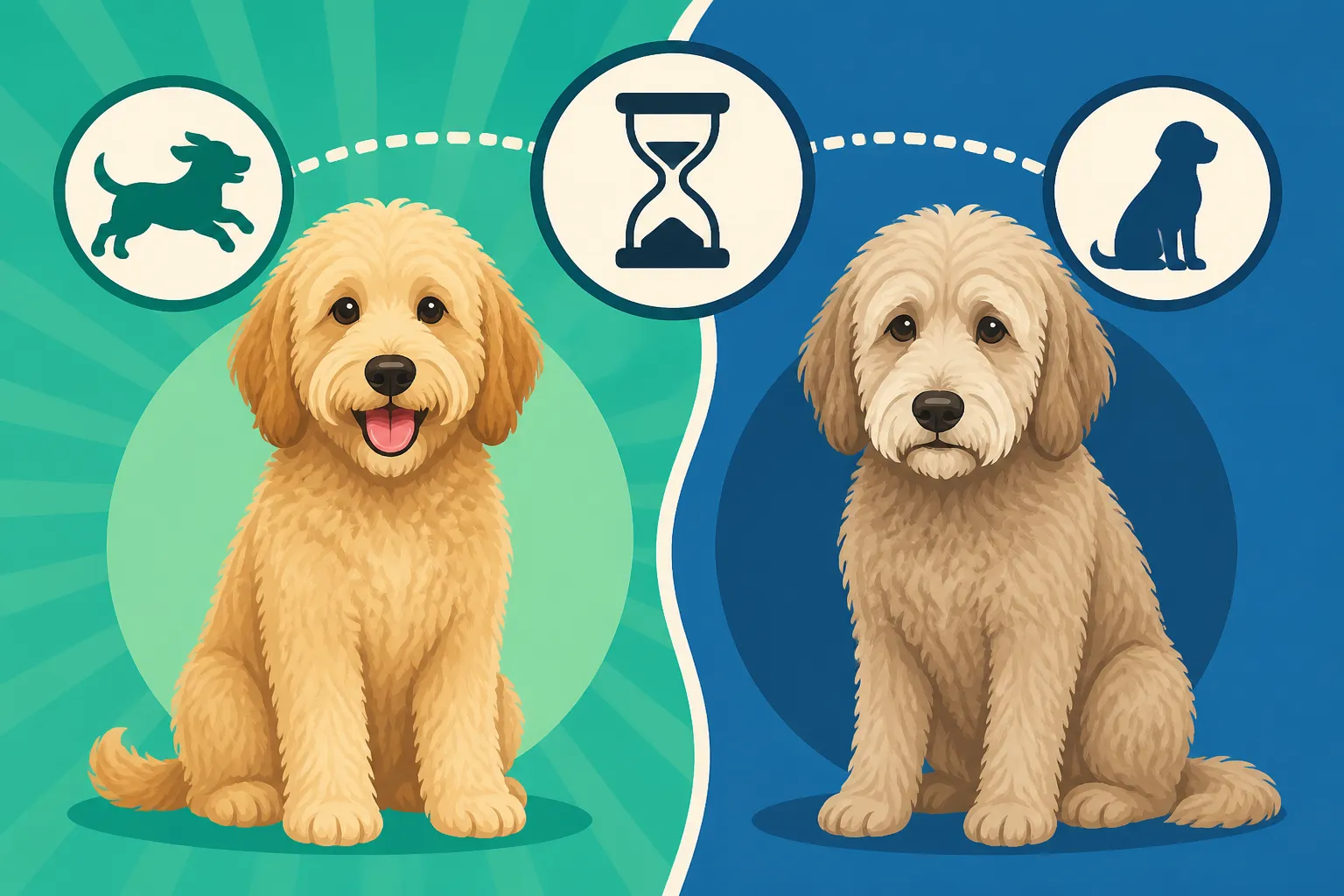
Just like humans, dogs don't suddenly become "old" overnight. Aging is a gradual process, and observing the subtle changes in your standard Labradoodle as they mature can help you provide appropriate care and support. Typically, a standard Labradoodle might start showing signs of aging around 7-8 years old, which is generally considered their senior years. You can learn more about What a Labradoodle Owner Should Watch For After Eight.
Physical Changes
The most noticeable signs of aging often manifest physically. Your Labradoodle might start to show:
- Graying Muzzle: This is one of the classic, most visible signs of aging. Their beautiful, often dark muzzle might begin to silver around the whiskers and eyes. You can find more details on Whether a Graying Labradoodle Muzzle Means Anything. It's a natural cosmetic change, but it certainly tugs at the heartstrings!
- Joint Stiffness and Reduced Mobility: This is a big one for larger breeds. You might notice your Labradoodle struggling a bit more to get up after a nap, hesitating before jumping into the car, or being slower on walks. Arthritis is common in older large dogs, and your Labradoodle might develop it. Read more about Arthritis in a Labradoodle at Ten. They might not chase the ball with the same frantic enthusiasm, choosing instead to trot or watch from the sidelines.
- Changes in Coat Quality: Their luscious coat might become thinner, coarser, or lose some of its vibrant color and shine. You might also notice drier skin or more shedding. For a deep dive into this, check out What Changes in an Old Labradoodle's Coat.
- Vision and Hearing Loss: Older dogs can experience gradual deterioration of their sight and hearing. They might bump into furniture, startle easily, or not respond to commands they once knew perfectly. Their eyes might develop a bluish haze, which could be nuclear sclerosis (a normal age-related change) or cataracts.
- Dental Issues: Tartar buildup, gum disease, and tooth decay are common in older dogs, leading to bad breath, difficulty eating, and potential systemic health problems.
Behavioral and Cognitive Shifts
Aging isn't just about the body; it's about the mind too. Your standard Labradoodle might also exhibit changes in their behavior and cognitive function.
- Reduced Energy Levels and Increased Sleep: The boundless energy of their youth will likely mellow. They’ll prefer shorter walks, more naps, and less intense play sessions. It’s not necessarily a sign of sadness, but rather a natural decline in their physical reserves.
- Changes in Sleep Patterns: They might sleep more during the day but become restless or disoriented at night, sometimes pacing or barking. This can be a sign of cognitive decline.
- Cognitive Decline (Canine Cognitive Dysfunction): Similar to Alzheimer's in humans, older dogs can develop CCD. Signs include disorientation, changes in interaction with family, alterations in sleep-wake cycles, and house-soiling. They might forget commands, stare blankly at walls, or seem "lost" in familiar environments. If you notice these signs, it's crucial to consult your vet. You can learn more about Canine Cognitive Decline in an Old Labradoodle.
- Increased Anxiety or Irritability: Some senior dogs can become more anxious, clingy, or even irritable due to pain, sensory loss, or disorientation. They might not tolerate young children or other pets as well as they once did.
Proactive Care for Senior Labradoodles
Seeing these changes can be tough, but remember that proactive care can significantly improve your senior Labradoodle’s quality of life. Embracing these new needs means you're continuing to be the best pet parent you can be.
- Regular Veterinary Check-ups: These become even more critical as your Labradoodle ages. Annual or even semi-annual senior wellness exams allow your vet to monitor their health closely, perform blood work, urinalysis, and check for conditions like thyroid disease or kidney issues. Consider The Yearly Screening a Labradoodle Should Get. This proactive monitoring is key to catching and managing age-related illnesses early.
- Tailored Diet Adjustments: Your vet might recommend a senior-specific diet that is lower in calories (to prevent weight gain due to reduced activity) but still rich in essential nutrients, antioxidants, and joint-supporting ingredients. Small, frequent meals can also be easier on their digestive system. Learn more about Feeding an Old Labradoodle That Has Slowed Down.
- Joint Supplements and Pain Management: Many older Labradoodles benefit from joint supplements containing glucosamine, chondroitin, and MSM to support cartilage health. Your vet might also prescribe anti-inflammatory medications if arthritis is causing significant pain. Don't forget to look into Whether Glucosamine Helps a Labradoodle's Joints. Regular use can make a huge difference in their comfort.
- Comfortable Environment: Provide soft, orthopedic beds to cushion aching joints. Ensure easy access to food and water bowls, perhaps raised to prevent neck strain. Ramps can help them get into cars or onto furniture without painful jumps.
- Mental Stimulation: Even if physical activity decreases, mental engagement is still important. Puzzle toys, gentle training sessions, and sniffing games can keep their minds sharp and prevent boredom.
- Grooming Adjustments: Older Labradoodles might find long grooming sessions stressful. Opt for shorter, more frequent sessions, and be extra gentle around sensitive areas. Ensure their nails are kept trimmed, and check their ears and teeth regularly.
By understanding these aging signs and adjusting their care accordingly, you can help your standard Labradoodle enjoy their golden years with comfort and dignity. And remember, pet insurance like Healthy Paws can be a lifesaver when those unexpected senior health issues arise, providing peace of mind as you care for your aging companion.
Labradoodle Aging and Lifespan Comparison
To really put things into perspective, let's look at how a standard Labradoodle's aging process and typical lifespan compare to other dog sizes and their parent breeds. This can help manage expectations and highlight areas where proactive care is particularly important.
| Dog Size Category | Typical Lifespan Range | Common Aging Characteristics | Key Considerations for Health |
|---|---|---|---|
| Small Breeds | 12-18+ years | Dental issues, luxating patella | Dental hygiene, joint care |
| Medium Breeds | 10-14 years | Arthritis, heart disease, some cancers | Weight management, regular vet checks |
| Large Breeds | 8-12 years | Hip/elbow dysplasia, bloat, early arthritis, certain cancers | Joint support, bloat prevention, watchful eye for lumps |
| Giant Breeds | 6-10 years | Rapid aging, severe orthopedic issues, bone cancer | Specialized nutrition, intensive joint care |
| Standard Labradoodle | 10-14 years (often 12-15) | Arthritis, bloat risk, potential for inherited conditions from Poodle/Labrador (e.g., Addison's, EIC, PRA) | Proactive screening, weight control, joint supplements, balanced diet, mental stimulation |
| Standard Poodle | 12-15 years | Addison's, bloat, sebaceous adenitis, certain eye conditions | Early testing, preventative bloat measures |
| Labrador Retriever | 10-12 years | Hip/elbow dysplasia, obesity, EIC, certain cancers | Weight management, joint care, controlled exercise |
As you can see from the table, while the standard Labradoodle falls into the large breed category, its typical lifespan often leans towards the higher end of that range, sometimes even overlapping with medium-sized dogs. This is a testament to the robust genetics from both parent breeds and, potentially, the benefits of being a hybrid.
However, the common aging characteristics align with those of other large breeds, particularly concerning joint health and the risk of conditions like bloat. This reiterates the importance of diligent care, starting from puppyhood, to support their health throughout their lives. Things like proper nutrition, maintaining a healthy weight, regular, appropriate exercise, and consistent veterinary care are not just good practices; for a standard Labradoodle, they are crucial components in promoting a long, vibrant life and potentially extending their healthy, active years. Being informed and proactive is truly the best gift you can give your furry family member.
Disclaimer
The information provided in this article is for general informational purposes only and is not intended as a substitute for professional veterinary advice. Always consult with a qualified veterinarian for any health concerns or before making any decisions related to your pet's care.