Feeding an Old Labradoodle That Has Slowed Down
It’s a bittersweet moment when you start to notice your once boundless Labradoodle, who used to tear across the park with endless energy, is now slowing down a bit. Their walks are shorter, their naps are longer, and they might not greet you with quite the same gusto they once did. This shift in activity naturally means their dietary needs are changing too, and figuring out how to adjust their food to keep them healthy and comfortable can feel like a daunting puzzle. This guide is here to walk you through understanding your senior Labradoodle’s evolving nutritional requirements, ensuring they continue to thrive into their golden years.
Recognizing the Signs of Aging That Impact Your Labradoodle's Diet
As your beloved Labradoodle transitions from their boisterous adult years into a more sedate senior phase, their body undergoes several subtle and not-so-subtle changes. These shifts directly impact their nutritional needs, often making the diet they thrived on as a younger dog less suitable. Understanding these indicators is the first step in providing the best care.
Decreased Activity Levels and Energy Output
One of the most apparent signs that your Labradoodle is entering their senior years is a noticeable decrease in their overall activity. Those long, vigorous games of fetch might be replaced with shorter, gentler strolls, and sprints around the yard become more infrequent. Instead of being ready to go at a moment's notice, they might prefer to curl up on the couch or bask in a sunbeam. This reduction in activity means their body isn't burning as many calories as it used to. If their food intake remains the same, those excess calories quickly turn into unwanted pounds. You might notice your Labradoodle starting to put on a bit of weight, perhaps around their middle or flanks, even if you feel like you haven't changed much. It's a common trap many owners fall into, seeing their dog less active and thinking they need comfort food, when in reality, less movement demands less fuel.
Moreover, a slowing metabolism often accompanies this decrease in physical activity. Their body simply doesn't process and utilize nutrients with the same efficiency it once did. What was once a perfectly balanced meal for a spry five-year-old could lead to slow, steady weight gain for a ten-year-old. Over time, this creeping weight gain can exacerbate other age-related issues, making it even more crucial to pay attention to their diet now.
Subtle Physical Changes Indicating Nutritional Needs
Beyond activity levels, there are other physical cues that signal your Labradoodle's dietary needs are shifting. You might notice their coat isn't as lustrous as it once was, perhaps appearing a bit duller or thinner in places. This can be a sign that their body isn't absorbing essential fatty acids or other nutrients as effectively. Sometimes, they might develop a graying Labradoodle muzzle, which, while charming, can also be a visual reminder of their age.
You may also observe changes in their muscle mass, particularly over their hindquarters. Even with regular exercise, some muscle atrophy is natural with age, but proper protein intake is vital to help preserve as much lean muscle as possible. Joint stiffness, especially after resting or first waking up, is another common complaint among older Labradoodles. While not solely diet-related, nutrition plays a huge role in supporting joint health. If your dog struggles to get up, or is less keen on stairs, it's not just a sign of discomfort, but a strong signal that their body could benefit from dietary support. You might find yourself searching for Exercise for a Stiff Old Labradoodle as their mobility starts to decline, and diet will be a crucial part of that management.
Adjusting Calorie Intake for a Less Active Labradoodle
One of the biggest nutritional mistakes we make with aging dogs is continuing to feed them the same amount of food they ate in their prime. Your Labradoodle's body is a magnificent machine, but like any machine, efficiency changes with age. Their once revving engine now idles a little lower, and that means fewer calories are needed to keep things running smoothly.
Preventing Unwanted Weight Gain in Senior Years
It’s easy to miss the subtle onset of weight gain in an older dog. One day they're lean and fit, the next, you notice a little extra padding around their ribs or a less defined waistline. For a Labradoodle, especially if they have a fluffy coat, this can be even harder to spot. They might just look "fluffier" rather than genuinely heavier. However, unchecked weight gain in senior dogs is far more than an aesthetic issue; it's a significant health risk. Extra pounds put immense strain on aging joints, exacerbating conditions like Arthritis in a Labradoodle at Ten or even leading to new mobility problems. Obesity also increases the risk of other serious health issues, including diabetes, heart disease, and certain types of cancer. It can even shorten their lifespan.
The key here is prevention. Start by honestly assessing your Labradoodle's current body condition. Can you easily feel their ribs without pressing hard? Do they have a visible waist when viewed from above? When viewed from the side, is there a tuck-up in their abdomen? If not, it's likely they're carrying too much weight, or are on the verge of it. Many owners struggle with knowing The Weight a Labradoodle Should Hold, but your vet can provide an objective assessment. Reducing their portion size, even slightly, can make a huge difference over time. Sometimes, switching to a dedicated senior formula dog food, which is often lower in calories but still nutrient-dense, is the easiest way to manage this.
Strategies for Calorie Reduction and Portion Control
Once you've identified that a calorie adjustment is needed, the next step is implementing effective strategies. Simply cutting back on their regular food can sometimes leave them feeling hungry or lacking in essential nutrients if not done carefully. A good starting point is to reduce their current food intake by about 10-20% and monitor their weight over a few weeks. You might find that your Labradoodle is one of those dogs who seems always hungry no matter what, making this adjustment feel particularly challenging.
Consider using a measuring cup for every meal to ensure consistency. Eyeballing portions is a common culprit for accidental overfeeding. If your Labradoodle loves treats, those calories add up quickly! Opt for low-calorie training treats or even small pieces of plain, steamed vegetables like carrots or green beans, which offer fiber and nutrients without excessive calories. If your dog is constantly begging, consider redirecting that behavior with a puzzle toy or a short, gentle mental stimulation exercise. Some owners find dividing their daily food allowance into smaller, more frequent meals can help them feel fuller throughout the day, mitigating the feeling of hunger between meals.
For some Labradoodles, especially those with a strong food drive, switching to a high-quality senior dog food formula is the most effective approach. These foods are typically formulated with fewer calories per serving while providing a higher concentration of nutrients like protein for muscle maintenance and fiber for satiety. Always make dietary changes gradually over 7-10 days to avoid upsetting your Labradoodle's stomach.
| Aspect | Adult Dog Food | Senior Dog Food |
|---|---|---|
| Calorie Content | Higher, to support active growth and high energy output | Lower, to prevent weight gain in less active dogs |
| Protein Level | Moderate to high, for muscle building and maintenance | Moderate to high (high quality), to preserve lean muscle mass |
| Fat Level | Moderate to high, for energy and skin/coat health | Lower, to reduce calorie density |
| Fiber Content | Moderate, for digestive health | Often higher, for satiety and bowel regularity |
| Joint Support | Generally absent or minimal | Often includes glucosamine, chondroitin, Omega-3s |
| Digestibility | Good | Highly digestible, with easily assimilated ingredients |
| Antioxidants | Present | Often boosted, to support immune system and cognitive function |
| Dental Health | Variable | Sometimes formulated with kibble to help clean teeth |
Choosing the Right Senior Dog Food for Your Labradoodle
Selecting the ideal food for your aging Labradoodle isn't just about reducing calories; it's about providing targeted nutrition to support their changing body and maintain their quality of life. The market is flooded with options, which can make the choice overwhelming, but focusing on key nutritional components will help you navigate.
Key Nutritional Components for Senior Labradoodles
When you're sifting through the myriad of senior dog food brands, whether you're browsing options on Chewy or looking at specialized formulas on Amazon, there are a few non-negotiables to keep an eye out for. First, high-quality protein is paramount. As dogs age, they can lose muscle mass, and adequate protein helps to slow this process. Look for named animal protein sources like "chicken meal," "deboned lamb," or "salmon" as the first ingredients. Avoid generic terms like "meat by-products" as the primary protein source.
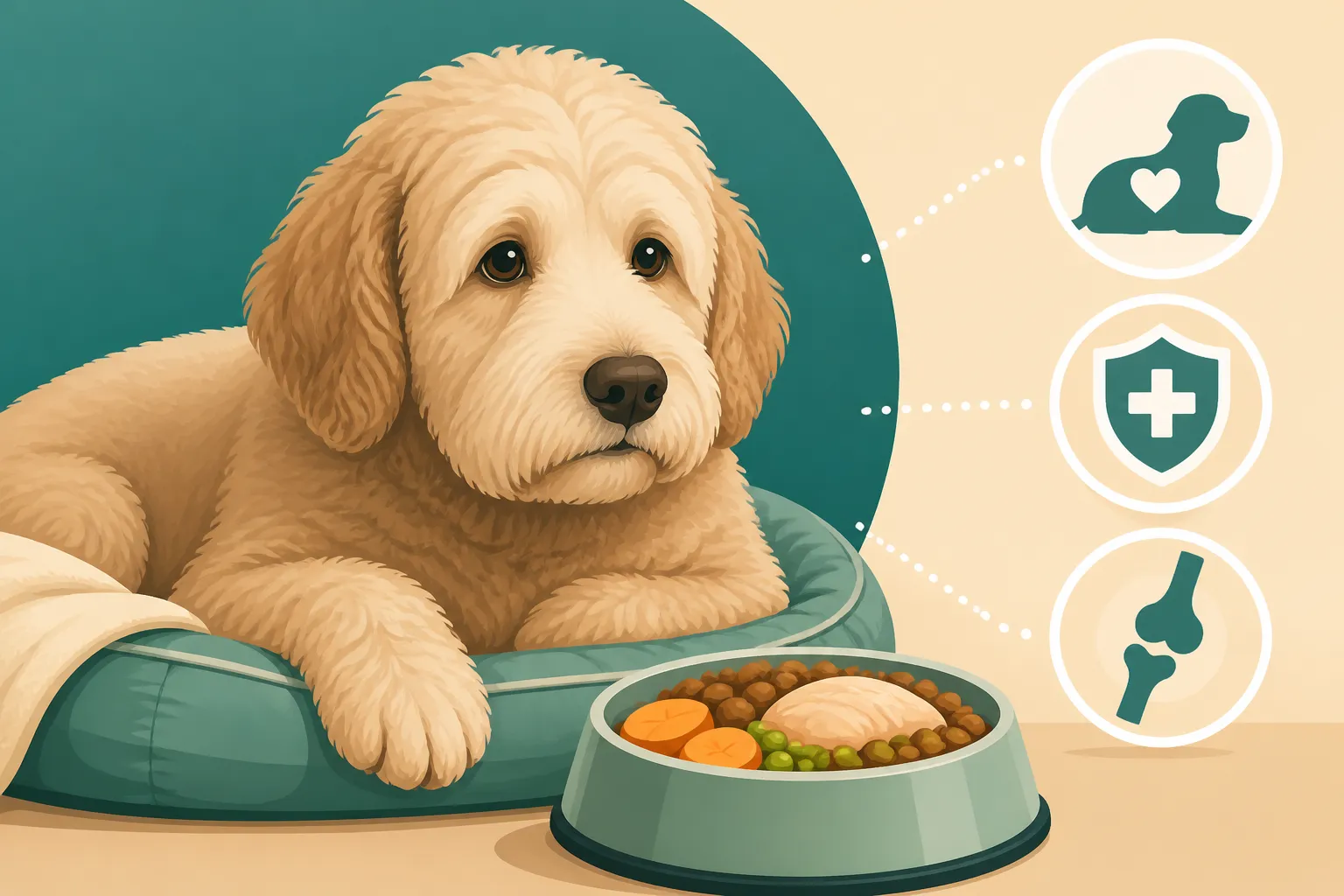
Secondly, controlled fat content is important to manage calorie intake, but essential fatty acids, particularly Omega-3s (EPA and DHA), are crucial. These often come from sources like fish oil and help support cognitive function, skin and coat health, and most importantly, reduce inflammation associated with Arthritis in a Labradoodle at Ten. Many senior formulas also boast joint-supporting ingredients like glucosamine and chondroitin, which are the building blocks for cartilage and can help alleviate stiffness and pain.
Finally, fiber is your friend. Older dogs can sometimes experience constipation or irregular bowel movements, and a slightly higher fiber content can aid digestion and promote regularity. Additionally, antioxidants, such as vitamins E and C, are often boosted in senior formulas to support a robust immune system and combat cellular damage, potentially helping with Canine Cognitive Decline in an Old Labradoodle.
Wet, Dry, or Fresh Food Options
The texture and form of food can become more critical as your Labradoodle ages. Many senior Labradoodles develop dental issues, such as sensitive teeth or gum disease, making crunchy kibble painful to eat. In these cases, a wet food diet can be a game-changer. It's softer, often more palatable, and the increased moisture content can also help with hydration, which is vital for kidney health. The downside is that wet food can be less calorie-dense by volume and more expensive.
Dry kibble remains a popular choice for its convenience and cost-effectiveness. If your Labradoodle's teeth are still in good shape, a high-quality senior kibble can work well. Some kibbles are even designed with larger, softer pieces or a specialized coating to help with dental hygiene. You might find that soaking kibble in warm water or low-sodium broth a few minutes before serving can soften it significantly, making it easier for them to chew if their teeth are bothering them.
For those looking for a more personalized approach, fresh food options, like those offered by brands such as Ollie, have gained popularity. These meals are typically made with human-grade ingredients, lightly cooked, and often customized to your dog's specific needs, including age and activity level. This can be particularly beneficial for senior dogs who might be picky eaters or have sensitive stomachs. While often pricier, the quality and digestibility can be excellent. Regardless of your choice, always consult your veterinarian before making significant changes, especially if your Labradoodle has any underlying health conditions.
Addressing Specific Health Concerns Through Diet
As Labradoodles age, they become more susceptible to certain health conditions, many of which can be significantly managed or mitigated through targeted dietary adjustments. Your veterinarian is your best partner in identifying these issues, but understanding how diet plays a role empowers you to make informed decisions.
Supporting Joint Health and Mobility
Joint pain and stiffness are incredibly common in senior Labradoodles, a direct legacy of their larger Labrador and Poodle parentage. Conditions like arthritis can make simple movements, like getting up from a nap or navigating stairs, a painful ordeal. While medication and physical therapy are often necessary, diet provides foundational support. Look for senior dog foods that are fortified with joint-supporting ingredients such as glucosamine, chondroitin, and methylsulfonylmethane (MSM). These compounds are believed to help maintain cartilage health and reduce inflammation.
Beyond these supplements, Omega-3 fatty acids, particularly EPA and DHA found in fish oil, are powerful natural anti-inflammatories. Many senior diets incorporate these, but you can also discuss adding a high-quality fish oil supplement with your vet. Antioxidants, like vitamins C and E, also play a role in reducing oxidative stress in joints. Finally, maintaining a healthy weight is absolutely critical. Even a few extra pounds can put tremendous strain on already compromised joints. Regularly monitoring The Weight a Labradoodle Puts On Without Anyone Noticing is vital to their long-term comfort and mobility.
Managing Kidney Function and Other Organ Health
Kidney disease is another concern for aging dogs. As kidneys age, their efficiency in filtering waste products from the blood can decline. Dietary management is a cornerstone of kidney disease treatment. If your Labradoodle is diagnosed with early kidney issues, your vet might recommend a prescription diet specifically formulated for renal health. These diets typically have restricted levels of protein (but high quality), phosphorus, and sodium, which can help reduce the workload on the kidneys and slow the progression of the disease.
For dogs without a diagnosed condition but simply showing signs of aging, ensuring adequate hydration is key. Wet foods contribute significantly to daily water intake. You can also encourage drinking by offering fresh, filtered water throughout the day, using water fountains, or adding a splash of low-sodium broth to their dry kibble. Antioxidants and appropriate levels of B vitamins can also support overall organ health. Regular veterinary check-ups, which include bloodwork, are essential for monitoring kidney function and catching any issues early.
Maintaining Dental Hygiene and Digestive Comfort
Dental health often deteriorates with age, leading to pain, infection, and difficulty eating. Periodontal disease can also have systemic effects, impacting heart and kidney health. While professional dental cleanings are crucial, diet can play a supporting role. If your Labradoodle has sensitive teeth or missing teeth, softer wet or fresh foods are often preferred. Some dry kibbles are specifically designed with a unique texture or ingredients to help scrape plaque off teeth as the dog chews, though this is less effective than regular brushing.
Digestive comfort is also paramount for senior Labradoodles. Their digestive system can become more sensitive, making them prone to upset stomachs or constipation. Look for easily digestible ingredients, often meaning fewer complex carbohydrates and more high-quality protein. Prebiotics and probiotics, either included in their food or given as supplements, can support a healthy gut microbiome, which is vital for nutrient absorption and overall digestive well-being. Fiber, as mentioned earlier, is excellent for promoting regular bowel movements and preventing constipation, a common complaint in less active older dogs. Brands available at Chewy and Amazon often carry a variety of dental chews and digestive supplements formulated for senior dogs, but always ensure they are vet-approved and appropriate for your individual Labradoodle.
Disclaimer
This article is for general informational purposes only and does not constitute professional advice. Laws, prices and regulations vary by location and change over time. Consult a qualified professional for guidance on your specific situation.