Whether a Labradoodle Settles Outside Alone
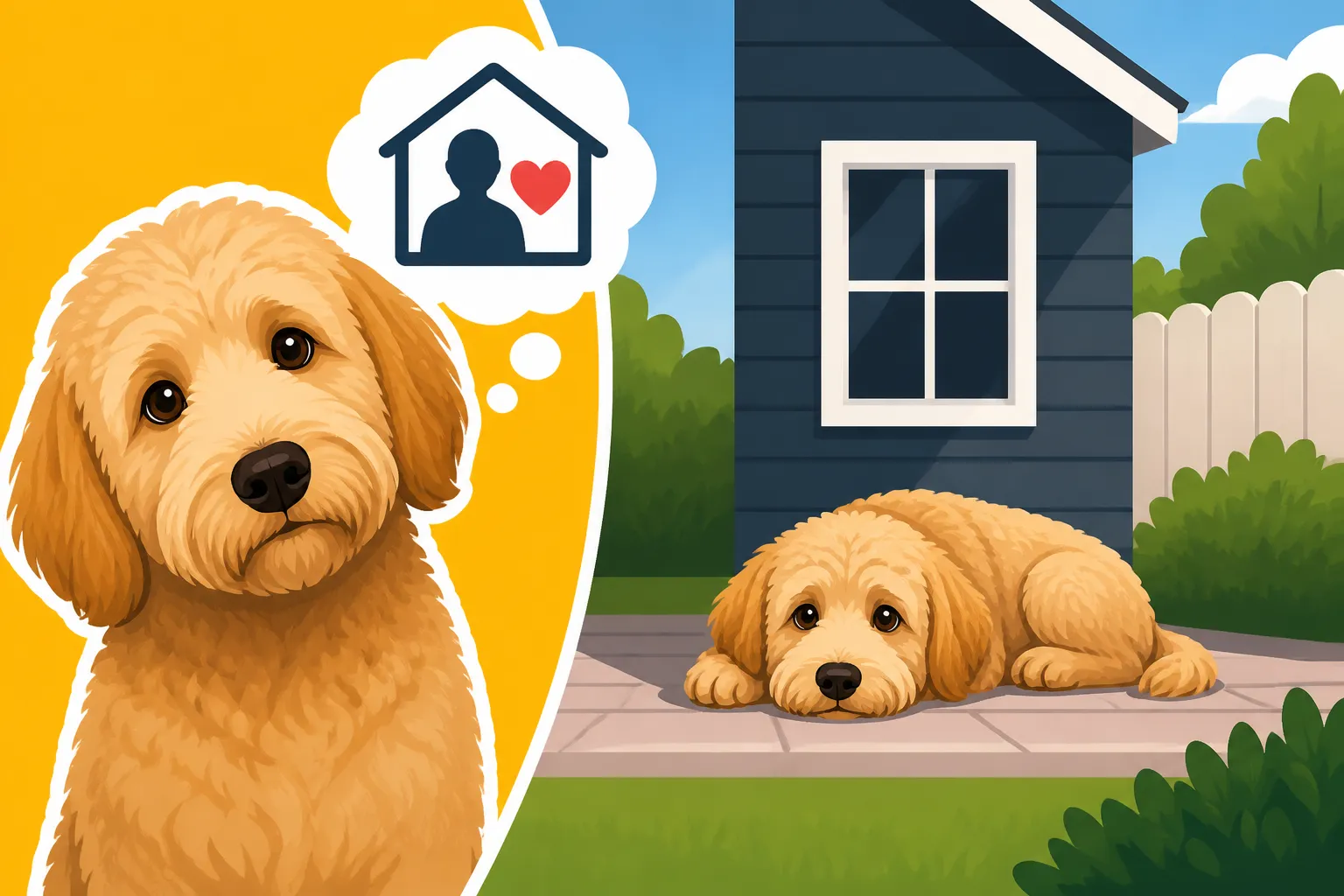
It's a common dream for many dog owners: a happy Labradoodle romping in the yard, enjoying the fresh air, and just generally being content outside. Perhaps you envision them napping peacefully in a patch of sun while you're at work or running errands. But here's the honest truth, and one that often surprises new Labradoodle families: leaving a Labradoodle to "settle outside alone" for extended periods can often lead to frustration, destruction, and a deeply unhappy dog. These intelligent, social creatures thrive on companionship, and isolation can quickly turn into anxiety or mischievous coping mechanisms. This guide will explore why Labradoodles are built for company, the dangers of leaving them unsupervised outdoors, and how to genuinely help them settle, whether you're home or away.
The Labradoodle's Deep-Seated Need for Company
Let's get one thing straight: Labradoodles are not outdoor-only dogs. Not even close. They were bred with companionship in mind, drawing on the friendly, people-oriented traits of both the Labrador Retriever and the Poodle. This isn't just a preference; it's hardwired into their very being. Expecting a Labradoodle to be content outside alone for hours on end is often setting both of you up for failure.
Why a Labradoodle Craves Company
Think about their ancestry. Labradors were developed as working retrievers, always alongside their human partners, whether in a duck blind or bringing in game. They are known for their unwavering loyalty and desire to be part of the family action. Poodles, too, despite their often-misunderstood reputation, are highly intelligent and sensitive dogs who thrive on interaction and mental engagement. They were originally water retrievers, much like the Labrador, and also cherished companions of royalty and performers.
When you blend these two breeds, you get a dog that wants to be involved in whatever you're doing. They often earn the nickname "Velcro dogs" for a reason – they will follow you from room to room, curl up at your feet, or gently nudge you for attention. For a Labradoodle, being physically present with their family is paramount. This deep desire for connection means that being left outside alone for long stretches feels less like a peaceful retreat and more like punishment or abandonment. It goes against every fiber of their being, and it's something that can genuinely contribute to The Temperament a Labradoodle Gets From Each Parent.
The Risks of Isolation and Boredom
A Labradoodle left to their own devices outside, without human interaction or engaging activities, is a Labradoodle quickly sliding into boredom. And a bored Labradoodle is a creative, often destructive, Labradoodle. They don't just sit and ponder the meaning of life; they find ways to entertain themselves. This can manifest in a number of behaviors:
- Excessive Barking: This is a classic symptom. They might bark at squirrels, birds, passersby, or simply at the sheer emptiness of their situation. This isn't just annoying; it can lead to neighbor complaints and reinforces an anxious state.
- Destructive Chewing and Digging: Your beautiful landscaping? Consider it a canvas for their frustrated energy. Flowerbeds become excavation sites, fences become chew toys, and anything left within reach might be dismembered. It's their way of trying to relieve stress and occupy their minds. If you've ever wondered What a Labradoodle Destroys When Left Alone, now you know.
- Escape Attempts: A Labradoodle that feels neglected or anxious outdoors might decide to take matters into their own paws. They might dig under fences, jump over them (especially if they're motivated and athletic), or find weak spots to squeeze through. This isn't just about property damage; it's a serious safety risk for your dog.
- Self-Harm or Other Stress Behaviors: In severe cases, chronic stress and isolation can lead to self-licking, chewing their paws raw, or other neurotic behaviors. These are heartbreaking signs that your dog is truly struggling.
These behaviors aren't about being "bad"; they're often a cry for help or a natural consequence of a highly intelligent, social animal being placed in an unnatural situation for them.
The Realities and Risks of Leaving a Labradoodle Outside
While the image of a dog enjoying a spacious yard is appealing, the reality of leaving a Labradoodle unsupervised outside is often far less idyllic and far more dangerous. It's crucial to differentiate between supervised outdoor playtime and extended, unsupervised isolation.
Creating a Safe Outdoor Environment (for Supervised Use)
If you do want your Labradoodle to spend time outside, it needs to be a safe, enriching environment, and ideally, you should be out there with them.
Here's what a good outdoor setup entails:
- Secure Fencing: This goes without saying, but it needs to be high enough (at least 6 feet for a standard Labradoodle) and secure at the bottom to prevent digging out. Check for weak spots regularly.
- Shelter from Elements: Whether it's a covered patio or a well-insulated dog house, your Labradoodle needs protection from sun, rain, wind, and extreme temperatures. Their beautiful coats might look insulating, but they can still overheat or get too cold.
- Constant Access to Fresh Water: A large, tip-proof bowl filled with fresh water is non-negotiable, regardless of how long they're out.
- Mental and Physical Enrichment (When You're Present): If you're out there with them, make it count! Play fetch, practice commands, or set up a small agility course. You can even use puzzle toys with treats to keep them engaged while you garden. You can find a fantastic array of durable outdoor toys on Chewy that can withstand enthusiastic play.
This kind of setup is for active, supervised engagement, not for leaving your dog alone for hours.
The Dangers of Unsupervised Outdoor Time
When a Labradoodle is left alone outside, even in a seemingly secure yard, they face a myriad of risks that go far beyond boredom or property damage. These aren't scare tactics; they're very real concerns:
- Exposure to Extreme Weather: Dogs can suffer from heatstroke incredibly quickly in warm weather, even with shade, and hypothermia in cold conditions. Their thick coats can be a blessing or a curse depending on the climate.
- Predators and Other Animals: Depending on your location, coyotes, large birds of prey, or even aggressive neighborhood dogs can pose a threat. Even a seemingly harmless stray cat can provoke an anxious reaction.
- Theft: Sadly, attractive, friendly breeds like Labradoodles are targets for theft. An unsupervised dog in a yard is an easy target.
- Ingesting Toxins or Foreign Objects: Many common garden plants are toxic to dogs. They might also find and ingest fertilizers, pesticides, garbage, or small objects like rocks or toys that can cause blockages. A curious Labradoodle will investigate everything with their mouth.
- Insect Bites and Stings: Bees, wasps, spiders, and even fire ants can cause painful reactions, and some dogs can have severe allergic responses.
- Parasites: Fleas, ticks, and mosquitos are rampant outdoors and can transmit diseases.
- Neighbor Relations: Constant barking is a leading cause of neighborhood disputes and can even lead to legal issues in some areas.
It's a huge responsibility to ensure your Labradoodle's safety, and leaving them alone outside for prolonged periods makes that responsibility incredibly difficult to uphold. Many owners underestimate What Nobody Tells a First Time Labradoodle Buyer about the management needed for these dogs.
| Aspect | Supervised Outdoor Time | Unsupervised Outdoor Time |
|---|---|---|
| Purpose | Exercise, play, training, potty breaks, mental enrichment with owner | Owner absence, perceived as "alone time" by the dog |
| Safety & Security | Owner present to monitor for hazards, prevent escape, provide immediate aid | Dog vulnerable to external threats, environmental hazards, theft |
| Mental State | Engaged, happy, connected, learning | Boredom, anxiety, frustration, potential for destructive coping |
| Behavioral Outcome | Positive reinforcement, bonding, appropriate energy outlet | Excessive barking, digging, chewing, escape attempts, self-harm |
| Environmental Needs | Shade, water, secure fence (all monitored) | Constant access to shade, water, shelter (often insufficient or ignored) |
| Risk Level | Low to Moderate (depends on owner vigilance) | High |
Cultivating Calmness: Training Your Labradoodle to Settle (Indoors First)
The goal isn't to prevent your Labradoodle from ever enjoying the outdoors, but to teach them how to be calm and settled wherever they are, and most importantly, to be content when you're not actively engaging them. This foundational training happens primarily inside the home.
Exercise and Mental Stimulation: The Foundation
A tired Labradoodle is a calm Labradoodle. This cannot be stressed enough. These dogs have brains and bodies that need to be put to work. Skimping on exercise or mental challenges is a surefire way to create a restless, unsettled dog, both indoors and out.
- Physical Exercise: Aim for at least 60-90 minutes of vigorous exercise daily. This might include long walks, runs, fetch in a secure area, or swimming. Split this into a couple of sessions. A vigorous morning walk can make a huge difference in their ability to settle for the rest of the day. Remember The Exercise a Labradoodle Needs Before It Behaves.
- Mental Stimulation: Don't forget their intelligent Poodle side! Puzzle toys, training sessions, scent work, or even just teaching new tricks can exhaust their minds just as much as physical exercise. Products from Amazon, like snuffle mats or interactive treat dispensers, are great for keeping their brains busy. High-value treats, such as those from Ollie, can make training even more engaging.
Without adequate outlets for their energy and intelligence, asking a Labradoodle to settle, especially alone, is like asking a child to sit still in an empty room after a sugary snack – it's just not going to happen easily.
Building Independence (Indoors First)
Teaching a Labradoodle to be comfortable alone starts inside the house, in a safe, designated space.
- Crate Training: A well-crate-trained Labradoodle sees their crate as a safe, cozy den. This is invaluable for teaching them to be content in a confined space. Start with short periods and gradually increase the time, always making it a positive experience with treats or a favorite chew toy. This helps them learn to switch off and relax.
- "Place" or "Mat" Training: Teach your Labradoodle to go to a specific mat or bed and stay there calmly. This is a brilliant skill for when you're busy at home, have guests, or just want them to relax in a designated spot without constantly following you. It teaches them self-control and allows them to be present in the same room as you without demanding constant attention.
- Gradual Alone Time: Once they are comfortable in their crate or on their "place," practice leaving the room for short durations, then coming back before they get anxious. Gradually increase the time you are out of sight. The goal is to make them realize that you always come back and that alone time is not something to fear. This directly helps address behaviors that often show up as The Velcro Labradoodle That Cannot Be Left.
Consistency is key here. Every successful moment of settling, even for a few minutes, builds their confidence and teaches them that being calm is rewarding.
When Outdoor Isolation Becomes a Behavior Problem
Sometimes, despite your best efforts, a Labradoodle simply cannot cope with being left alone, especially outside. This isn't just a matter of training; it can escalate into a full-blown behavioral issue like separation anxiety.
Recognizing Signs of Separation Anxiety
Separation anxiety is more than just a dog missing you. It's a panic disorder that manifests when the dog is left alone, and it's particularly common in highly bonded, social breeds like the Labradoodle. If your Labradoodle exhibits several of these behaviors only when you are away, it might be separation anxiety:
- Excessive Vocalization: Constant barking, howling, or whining that begins shortly after you leave and continues until you return.
- Destructive Behavior: Chewing, digging, or scratching at doors, windows, or furniture, often focused on exit points.
- House Soiling: Urinating or defecating indoors, even if they are otherwise house-trained. This is not defiance; it's an involuntary physical response to panic.
- Pacing and Restlessness: Constant movement, unable to settle.
- Self-Harm: Licking or chewing paws, flanks, or tail until raw.
- Escaping: Desperate attempts to get out of the house or yard, which can lead to injury.
It's vital to differentiate this from a dog who is just bored or needs more exercise. Telling an Anxious Labradoodle From an Under Exercised One is the first step in addressing the problem appropriately. A bored dog might chew your shoes, but an anxious dog might destroy a door frame trying to get to you.
Consulting a Professional for Help
If you suspect your Labradoodle is suffering from true separation anxiety, trying to solve it by simply leaving them outside is counterproductive and will likely exacerbate the problem. This is not a situation for DIY solutions. You need professional help.
- Certified Professional Dog Trainer (CPDT-KA or KPA-CTP): A trainer specializing in positive reinforcement and behavioral issues can help you develop a structured plan to gradually acclimate your dog to alone time. They can guide you through desensitization and counter-conditioning techniques.
- Veterinary Behaviorist (Dip ACVB): For severe cases, a board-certified veterinary behaviorist can offer an integrated approach that may include medication to help manage anxiety alongside behavior modification. This is especially important if your dog is exhibiting self-harm or extreme panic. They are medical doctors who specialize in animal behavior.
Never punish a dog for separation anxiety behaviors. They are not acting out of malice; they are genuinely distressed. Punishment will only increase their fear and anxiety. Helping a Labradoodle with separation anxiety requires patience, understanding, and a willingness to commit to a structured plan, often over several months. The goal is to build their confidence and comfort in being alone, not to simply contain them in an outdoor space where their anxiety will likely fester unseen.
Ultimately, your Labradoodle wants to be with you. While a secure, stimulating outdoor space can be a wonderful place for supervised play and potty breaks, asking a Labradoodle to "settle outside alone" for any significant duration typically runs counter to their nature and can lead to a host of problems. Investing in their training, exercise, and mental enrichment, primarily within the context of your family life, is the best way to ensure you have a happy, well-adjusted companion for many years to come. Raising a Labradoodle Through Its First Year is an ongoing process of teaching them how to thrive in your home.
Disclaimer
This article is for general informational purposes only and does not constitute professional advice. Laws, prices and regulations vary by location and change over time. Consult a qualified professional for guidance on your specific situation.