The Velcro Labradoodle That Cannot Be Left
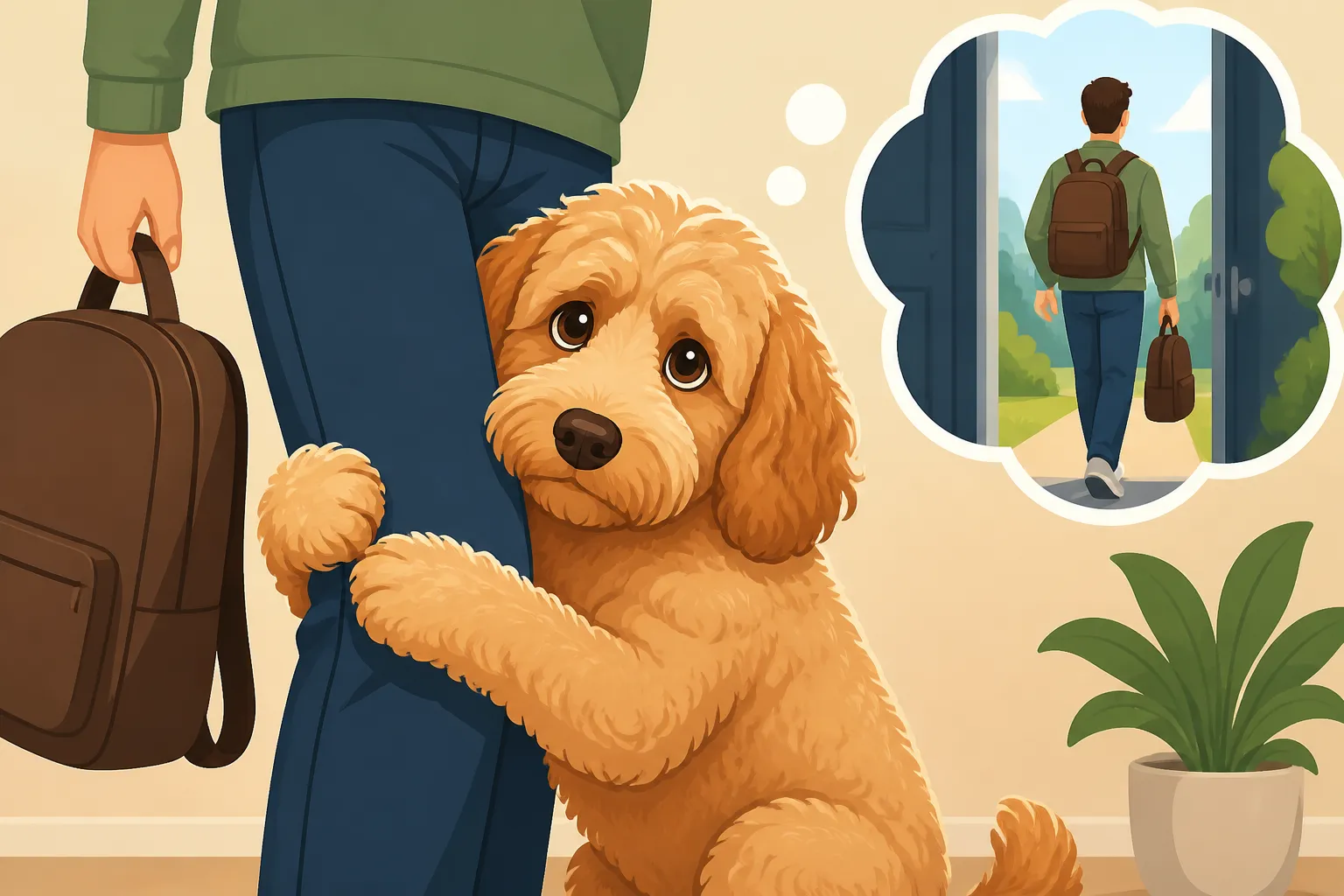
Few things are more endearing than a Labradoodle puppy snuggling into your lap, following your every move, and wanting to be part of every single moment. It's truly one of the most charming traits of these delightful dogs! However, this strong desire for connection, often lovingly called the "Velcro dog" tendency, can quickly become a significant challenge when real life requires you to step out the door. The transition from constant companionship to being left alone can trigger immense distress for some Labradoodles, manifesting in heartbreaking destruction, incessant barking, or even self-harm. This comprehensive guide is here to walk you through understanding why your Labradoodle might be struggling with being left alone and, more importantly, how to gently and effectively build their confidence and independence so both of you can thrive.
Understanding the "Velcro Dog" Phenomenon in Labradoodles
It's easy to dismiss a clingy dog as "just being a Labradoodle," but there's often more to it than simple affection. While their loving nature is certainly a factor, the roots of this "Velcro dog" tendency can run deeper, impacting their ability to cope when left alone. Understanding these origins is the first step towards helping your furry companion find peace when you're not by their side.
Why Labradoodles Become So Attached
Labradoodles are a unique blend, inheriting traits from both the intelligent Poodle and the eager-to-please Labrador Retriever. Both of these parent breeds have a strong history of working closely with humans, fostering a deep-seated need for companionship and purpose. The Poodle, often more sensitive and intelligent, thrives on mental engagement and human interaction, sometimes developing a keen awareness of their owner's presence. The Labrador, known for its unwavering loyalty and desire to be part of the family unit, is intrinsically wired to be a companion. When these two temperaments combine, you often get a dog that forms incredibly strong bonds, which can be wonderful but also a double-edged sword when it comes to independence.
Beyond genetics, early experiences play a monumental role. A puppy that has been constantly stimulated and entertained by its human family might not have learned how to entertain itself or settle independently. If a breeder or early home environment prioritized constant human interaction without also teaching the pup to be comfortable alone, even for short periods, this can lay the groundwork for clinginess. Imagine a puppy that has never been crated or left in a playpen by itself; when suddenly faced with isolation, it lacks the foundational coping mechanisms. Furthermore, some lines of Labradoodles, perhaps due to selective breeding for extreme companionability, may have a heightened genetic predisposition to form these intense attachments, making them more prone to anxiety when separated.
Differentiating Normal Clinginess from Separation Anxiety
It's important for any Labradoodle owner to recognize the difference between a dog who just loves to be near you and one who genuinely experiences distress when left alone. A Labradoodle following you from room to room, settling at your feet while you work, or even waiting patiently outside the bathroom door – this is generally normal, adorable, "Velcro" behavior. They're just being present, content in your vicinity. They might sigh dramatically when you get up, but quickly resettle when you sit back down. These dogs typically don't panic when you actually leave the house; they might greet you enthusiastically upon return, but the house is still intact, and there are no signs of distress.
However, true separation anxiety is a far more serious and heartbreaking condition. This isn't just a dog missing you; it's a dog in a state of panic. The signs typically appear only when the dog is separated from its attachment figure, or sometimes even when they perceive that separation is imminent. Common symptoms include incessant barking, howling, or whining, often starting the moment you walk out the door and continuing until you return. Destructive behaviors are another tell-tale sign, usually focused on exit points like doors and windows, or items that smell strongly of the owner. You might come home to chewed door frames, scratched walls, or torn up rugs. Inappropriate urination or defecation inside the house, even in an otherwise perfectly house-trained dog, is also a classic sign of separation anxiety. These aren't acts of defiance; they are involuntary responses to extreme stress and fear.
| Behavior Trait | Normal Clinginess (Velcro Dog) | Separation Anxiety (Distress) |
|---|---|---|
| When it occurs | Primarily when owner is home, often following them around. | Only or predominantly when separated from owner or perceiving separation. |
| Vocalization | Minimal or soft sighs when owner moves; quiet when alone. | Excessive barking, howling, whining starting upon departure. |
| Destructive Behavior | Rare; general puppy chewing (if applicable), but not focused on exit points when alone. | Chewing, digging, scratching at doors, windows, items smelling of owner. |
| House Soiling | Infrequent, related to training issues, not stress-induced. | Urination/defecation indoors, even if house-trained, only when alone. |
| Pacing/Restlessness | Content to settle near owner; rests easily when alone. | Pacing, shaking, drooling, panting excessively when alone. |
| Greeting | Happy, excited greeting upon return. | Frantic, prolonged, almost frantic greeting upon return. |
| Self-Harm | Never. | Can include paw licking, chewing, or trying to escape through windows, causing injury. |
Understanding these distinctions is crucial, because the approach to managing normal clinginess is vastly different from treating separation anxiety. Mistaking one for the other can lead to ineffective strategies and increased frustration for both you and your Labradoodle.
The Early Foundations: Preventing Excessive Clinginess in Puppies
The best way to manage a "Velcro Labradoodle" is to prevent the extreme end of the spectrum from developing in the first place. Laying a solid foundation during puppyhood is paramount. It’s about gently nudging your Labradoodle towards healthy independence, not pushing them away, while still nurturing their loving nature.
Socialization Beyond the Family Bubble
When you bring a Labradoodle puppy home, it’s natural to want to shower them with love and attention, and to keep them safe in your immediate family circle. However, true socialization extends far beyond just bonding with their primary caregivers. Exposing your puppy to a wide variety of positive experiences with different people, places, sounds, and objects helps them develop resilience and confidence. A puppy that learns the world isn't just its immediate home and family is better equipped to handle novel situations, including being left alone.
Think about it: if your puppy's entire world revolves around your constant presence and interaction, then your absence becomes a world-shattering event. Instead, introduce them to friends and neighbors who can interact gently with them. Take them to safe, pet-friendly places where they can observe the world calmly. Have them experience short, positive interactions with strangers. The goal is for them to learn that good things can happen even when you're not the sole focus. These varied experiences build a well-adjusted dog who understands that the world is a rich and interesting place, not just an extension of their owner. This broader view can significantly reduce the intensity of their focus solely on you, making your temporary departures less impactful.
Crate Training as a Tool for Independence
Crate training, when done correctly, is one of the most powerful tools you have for fostering independence and preventing separation distress. The key is to make the crate a comfortable, safe, and positive sanctuary, not a place of punishment or isolation. For a Labradoodle puppy, their crate should be their personal den, a cozy spot where they can relax undisturbed. Start by making it inviting: soft bedding, a safe chew toy, and occasional treats tossed inside. Feed meals in the crate, and encourage short, voluntary visits.
Once your puppy is comfortable entering and spending brief moments in the crate, you can begin to introduce very short periods of confinement while you are still in the room. This might be just a minute or two at first, gradually increasing as your puppy remains calm. The idea is to teach them that being in their crate, even when you're nearby, is a peaceful experience. Over time, you can start leaving the room for seconds, then minutes, always returning before your puppy shows any signs of distress. This systematic approach teaches them that you always come back, and that their crate is a safe place to be when you're not right there. This process is instrumental in building their confidence in their own company and can prevent them from panicking when truly left alone. Many owners find that a well-crate-trained Labradoodle handles alone time far better than one who has never learned to appreciate their own space. It's a fantastic way to teach them to switch off and relax, even when you're not hovering. For more insights, you might find Whether a Crate Helps a Labradoodle Switch Off to be a helpful resource.
Building Independence: Strategies for the Adult Labradoodle
Even if you missed some of the early puppy foundations, or your Labradoodle has developed clingy behaviors as an adult, there's still plenty you can do. The focus shifts to more deliberate training and lifestyle adjustments that encourage confidence and reduce reliance on your constant presence. Patience here is absolutely key, as you're working to change established patterns.
Gradual Desensitization to Alone Time
This strategy is about slowly, incrementally, teaching your Labradoodle that your departures are not a cause for alarm. It’s a delicate dance, requiring you to be a detective of your dog's subtle cues. Start small. Really small. The goal is to leave for such a short period that your Labradoodle barely registers your absence, or at least doesn't become anxious. This might mean just stepping out of sight for 5 seconds, then returning. Practice this multiple times a day. As they remain calm, slowly increase the duration – 10 seconds, 30 seconds, a minute.
Crucially, make your departures and arrivals extremely low-key. Avoid emotional goodbyes or excited greetings. Acknowledge your dog calmly, give them a long-lasting chew or puzzle toy, and quietly walk out. When you return, wait until they are calm before offering a calm, quiet greeting. This helps to break the association between your leaving and high emotional states. If your dog shows any signs of anxiety at any point, you've gone too far, too fast. Go back to a duration they can handle successfully and build up even more slowly. It’s a marathon, not a sprint, and every successful calm minute alone builds a stronger foundation for the next. This gentle method teaches them Teaching a Labradoodle That You Come Back, consistently and without drama.
Enrichment and Mental Stimulation
A bored Labradoodle is often a mischievous Labradoodle, and one prone to anxiety. These intelligent dogs, inheriting smarts from the Poodle and a working drive from the Labrador, need mental engagement just as much as physical exercise. Providing ample mental stimulation is crucial for building independence because it teaches them to focus their energy constructively, rather than obsessing over your whereabouts. When you need to leave, make sure your dog has something interesting and safe to do.
Consider investing in a variety of puzzle toys, treat-dispensing toys, or long-lasting chews. These can keep your Labradoodle occupied for significant periods. A Kong stuffed with peanut butter or wet food and frozen can provide a good 30-60 minutes of engaging activity. Snuffle mats for their kibble, or interactive feeders that require them to solve a simple puzzle to get their meal, are also excellent. Rotate these items to keep them novel and exciting. You can find a vast array of options on Amazon, making it easy to experiment and find what your Labradoodle loves most. The key is to introduce these items before you leave, ensuring they're already engaged and happy. This helps create a positive association with your departure, as it signals "fun playtime" rather than "panic time."
Exercise as a Foundation for Calmness
It’s often underestimated just how much impact proper exercise has on a dog's emotional well-being and their ability to cope with alone time. A tired Labradoodle is generally a calm Labradoodle. These dogs are active, intelligent, and possess a good amount of stamina from both parent breeds. If they're not getting enough physical activity, that pent-up energy can easily manifest as restlessness, anxiety, and destructive behaviors when left alone. Imagine trying to relax when you're bursting with unused energy – it's difficult for us, and it's certainly difficult for a dog.
Before any planned period of alone time, ensure your Labradoodle has had a good, solid workout. This doesn't just mean a quick walk around the block. Think about a brisk 30-45 minute walk, a vigorous game of fetch, or a run in a safe, enclosed area. Mental exercise, like a sniff walk where they get to explore and use their nose, is also incredibly tiring for dogs. The goal is to physically and mentally tire them out to a point where they are ready to settle down and nap. A dog that has expended its energy will be far more likely to relax in its crate or designated safe space rather than pacing, barking, or destroying things. This foundational step is often overlooked but can be a game-changer. For more on this, check out The Exercise a Labradoodle Needs Before It Behaves.
Recognizing and Addressing Signs of Distress
When your Labradoodle is struggling with being left alone, they aren't trying to be "bad" or spiteful. They are genuinely distressed, and their behaviors are a cry for help. Understanding what these signs mean and how to respond appropriately is critical for their well-being and for the success of any training program.
Decoding Your Labradoodle's Anxiety Signals
The signs of separation distress can vary in intensity, but they all point to one thing: your Labradoodle is not coping. The most common and often frustrating signals are excessive vocalizations. This includes barking, howling, and whining that begins as you leave or shortly after, and can continue for the entire duration of your absence. Neighbors will often be the first to alert you to this. Then there's the destruction. This isn't just a puppy chewing on a stray sock; this is focused, often desperate, destruction. They'll chew at doorframes, scratch at windowsills, dig at carpets by exit points, sometimes to the point of injuring their paws or teeth in an attempt to escape. You might come home to a shredded cushion that smells distinctly of you, as if they were trying to hold onto a piece of your presence.
Perhaps the most heartbreaking sign is inappropriate elimination. A perfectly house-trained Labradoodle who wets or soils inside the house only when left alone is not doing it out of spite. It's an involuntary physical manifestation of extreme anxiety, similar to a human panic attack. Other, more subtle signs can include excessive drooling or panting, even when the temperature is normal, pacing in repetitive patterns, or a frantic greeting when you return that's prolonged and difficult to calm down. It's crucial to understand these as panic responses, not misbehavior. For a deeper dive into specific behaviors, you might look at What a Labradoodle Destroys When Left Alone and A Labradoodle That Barks When Left.
Avoiding Common Mistakes That Worsen Separation Anxiety
It's natural to feel frustrated or even angry when you return home to a mess or a neighbor's complaint. However, one of the biggest mistakes owners make is punishing their Labradoodle for behaviors rooted in anxiety. Scolding, yelling, or even showing visible anger when you return will only worsen their distress. They don't associate your anger with the "crime" committed hours ago; they associate it with your return. This can make them even more anxious about your departures and arrivals, creating a vicious cycle. They learn that your return is unpredictable and potentially scary, compounding their fear of being alone.
Another common pitfall is making a big fuss over your departures and arrivals. Long, emotional goodbyes ("Oh, mommy's going to miss you so much!") or overly excited greetings ("My poor baby, were you so lonely?!") inadvertently reinforce that your leaving and returning are highly significant, high-stakes events. This amplifies their emotional response. The goal should be to make these transitions as neutral and unremarkable as possible. Your dog should learn that your coming and going is just a normal part of life, not a dramatic event. If you're wondering Telling an Anxious Labradoodle From an Under Exercised One, it's important to rule out the latter before attributing all behaviors to anxiety.
When Professional Help Becomes Necessary
While many mild cases of "Velcro dog" behavior and even moderate separation distress can be managed with consistent training and lifestyle changes, there are times when professional intervention is absolutely essential. If your Labradoodle's anxiety is severe – meaning significant destruction, self-harm attempts (like bleeding paws from trying to escape), or constant, frantic vocalization despite your best efforts – it’s time to call in the experts. This isn't a reflection of your failure as an owner; it's recognizing that some anxiety conditions require a deeper level of understanding and treatment.
Start with your veterinarian. They can rule out any underlying medical conditions that might be contributing to the anxiety or mimicking its symptoms. They may also be able to refer you to a veterinary behaviorist or a certified professional dog trainer specializing in separation anxiety. These professionals can conduct a thorough assessment, often observing your dog's behavior when you're gone (sometimes via video), and develop a tailored treatment plan. This plan might include counter-conditioning and desensitization protocols, environmental modifications, and in some severe cases, temporary medication to help lower your dog's anxiety levels enough for the training to be effective. Remember, medication isn't a cure-all; it's a tool to help your dog learn to cope. Ignoring severe separation anxiety will only allow it to fester and worsen, impacting both your quality of life and, most importantly, your Labradoodle's well-being.
Practical Tools and Resources for Managing Separation
Managing a Labradoodle with separation issues often requires a multi-pronged approach. Beyond training techniques, there are practical tools and resources that can make a significant difference in both understanding and mitigating their distress. These aids can help you monitor their progress, provide comfort, and offer structured guidance through the challenging journey of building independence.
Technology to Monitor and Reassure
In today's connected world, technology offers invaluable insights into what your Labradoodle is doing when you're not home. A pet camera with two-way audio is a game-changer. Setting one up allows you to observe your dog's behavior in real-time, helping you identify exactly when their anxiety starts and how it manifests. You can pinpoint if they begin pacing immediately after you leave, or if they're fine for 10 minutes before the barking starts. This information is crucial for tailoring your desensitization training. You can also use the two-way audio feature for short, reassuring messages, but be cautious not to overuse it, as it can sometimes confuse or heighten their anticipation of your return. The goal is to observe and gather data, not to constantly interact.
Some cameras also offer treat dispensers, which can be useful for positive reinforcement at specific calm moments, or simply to provide a distraction. Apps that allow you to check in on your dog remotely can give you peace of mind and help you stick to your training plan by knowing if you've pushed them too far in a particular session. This real-time feedback loop is essential for effective behavior modification, allowing you to react quickly and adjust your strategy based on objective observation rather than guesswork or coming home to the aftermath.
Training Programs and Online Support
Navigating separation issues can feel isolating, but you don't have to go it alone. Many structured training programs and online communities are dedicated to helping owners with this specific challenge. These resources often provide step-by-step guidance, breaking down complex behavioral modification into manageable daily tasks. For instance, platforms like BAXTER & Bella offer comprehensive online dog training programs that cover a wide range of behavioral concerns, including specific modules or advice for building confidence and managing alone time. Their approach often emphasizes positive reinforcement and building a strong foundation of trust, which is critical for anxious dogs.
These programs typically include video tutorials, written guides, and sometimes even access to trainers for personalized advice. The benefit of a structured program is that it removes the guesswork, giving you a clear roadmap to follow. Beyond formal programs, online forums and social media groups dedicated to Labradoodles or dog behavior can be a rich source of peer support. Sharing experiences, asking questions, and getting encouragement from others who are going through similar struggles can be incredibly validating and provide fresh perspectives. Just be sure to vet the advice you receive, prioritizing information from certified professionals.
Creating a Safe and Predictable Environment
Dogs thrive on routine and predictability, and an anxious Labradoodle especially benefits from a stable environment. Establishing a clear, consistent daily schedule can significantly reduce anxiety because it allows your dog to anticipate events, rather than constantly worrying about what might happen next. This means feeding, exercise, play, and potty breaks should occur around the same times each day. When your dog knows when to expect food or a walk, it reduces their uncertainty.
Equally important is creating a designated safe space where your Labradoodle feels secure when you're not around. This could be their crate, a quiet room with a comfortable bed, or a specific dog bed in a low-traffic area. This space should be consistently used for relaxation and alone time, always associated with positive things like special treats or toys. Ensure this area is free from anything that could cause further anxiety, like noisy appliances or drafts. If you leave the house, try to keep other routines consistent. For example, always leave a specific type of background noise, like classical music or a white noise machine, as a cue that it's okay to relax. A predictable environment fosters a sense of security, which is fundamental for a Labradoodle learning to cope with your absence. Consider The Household a Labradoodle Actually Suits as part of creating this ideal environment.
The Long Game: Patience and Realistic Expectations
Tackling separation issues in a Labradoodle is rarely a quick fix. It requires immense patience, unwavering consistency, and a realistic understanding that progress might not be linear. It's about retraining deep-seated emotional responses, which takes time and empathy.
Understanding Recovery Timelines
It's tempting to want immediate results, especially when your life is impacted by your Labradoodle's distress. However, managing and overcoming separation anxiety is a process that can take weeks, months, or even a year or more, depending on the severity and duration of the problem. There will be good days where your dog makes remarkable progress, and then there will be days where it feels like you've taken ten steps backward. This is completely normal. Setbacks are part of the journey, not a sign of failure. Perhaps you accidentally stayed out too long, or a sudden loud noise triggered their anxiety. Learn from these moments without becoming disheartened.
Celebrate the small wins: a minute longer of calm alone time, less frantic barking, a slightly cleaner house upon return. These small victories accumulate and are crucial for maintaining your own motivation. Remember that you are working to change your dog's emotional response, not just their behavior. This emotional re-wiring takes consistent, gentle exposure and positive experiences over an extended period. Don't compare your Labradoodle's progress to other dogs; every individual is different. For an older Labradoodle, particularly, learning new coping mechanisms can take longer. It’s also good to remember that your Labradoodle might hit an adolescent phase, around The Ten Month Old Labradoodle That Forgets Everything, where training seems to regress temporarily across the board.
The Importance of Owner Consistency and Dedication
Ultimately, your Labradoodle's success in overcoming separation distress hinges almost entirely on your commitment to the training plan. Consistency is the cornerstone of behavior modification. This means every member of the household must be on board with the chosen strategy, from adhering to quiet departures and arrivals to providing appropriate enrichment and exercise. Inconsistent application of the training rules can confuse your dog and slow down progress significantly. For instance, if one day you quietly leave your dog with a puzzle toy, but the next day you have a dramatic goodbye, your dog won't learn a reliable pattern.
This dedication also extends to resisting the urge to jump ahead. It’s tempting to try leaving your Labradoodle for an hour if they did well for 15 minutes, but pushing too fast too soon is the quickest way to create a setback. Stick to the incremental approach, always ensuring your dog is successful at each step before moving on. This might mean sacrificing some social outings or adjusting your work schedule temporarily. While this can be challenging, remember that this intensive period of dedication is an investment in a calmer, happier future for both you and your beloved Labradoodle. It requires patience, yes, but also a deep well of empathy for what your dog is experiencing. This journey is often What Labradoodle Owners Say They Underestimated when they first got their dog.
Life with a Less "Velcro" Labradoodle
Imagine a future where you can leave your home without a pang of guilt, knowing your Labradoodle is resting peacefully, perhaps enjoying a special chew or napping in their favorite spot. This is the ultimate goal: a Labradoodle that is still deeply loving and connected to you, but who also possesses the confidence and coping skills to be comfortable and calm when you're not around. This newfound independence doesn't diminish their affection; it actually enhances your relationship by removing the stress and anxiety from your departures.
When your Labradoodle learns to be content alone, it opens up a world of possibilities for both of you. You can run errands without worrying about coming home to destruction or a crying dog. You can enjoy a quiet dinner out, or a longer trip to the grocery store. Your dog will be less stressed, leading to improved overall health and well-being, and a generally calmer demeanor even when you are home. The shift from a dog constantly seeking your attention to one that can independently settle and relax is truly liberating. It allows your Labradoodle to fully embody their wonderful, intelligent, and affectionate nature without the burden of constant anxiety, leading to a much more harmonious household for everyone. If you're considering Whether a Second Dog Settles an Anxious Labradoodle, consider if your current dog is ready for that added stress. Also, reflect on Whether a Labradoodle Copes With a Full Workday and prepare accordingly.
Disclaimer
This article is for general informational purposes only and does not constitute professional advice. Laws, prices and regulations vary by location and change over time. Consult a qualified professional for guidance on your specific situation.