Whether a Labradoodle Barks When Left
It’s a scenario many Labradoodle owners know all too well: you walk out the door, feeling a pang of guilt, only to return later to a note from a neighbor, or perhaps a lingering sense of unease that your beloved companion spent their alone time vocalizing their feelings to the entire street. The question of whether a Labradoodle barks when left alone is not just about noise, it’s about understanding your dog’s emotional state, their needs, and how to foster a sense of security even when you’re not there. This guide will dive deep into the reasons behind this common behavior and offer practical, empathetic strategies to help your Labradoodle feel more comfortable and quiet when home alone.
Why Labradoodles Bark When Left Alone
Labradoodles, with their intelligent and people-oriented nature, often form strong bonds with their families. While this makes them wonderful companions, it can also set the stage for vocalizations when they find themselves without their favorite humans. Understanding the root cause of the barking is the first step toward finding a solution.
Anxiety and Loneliness
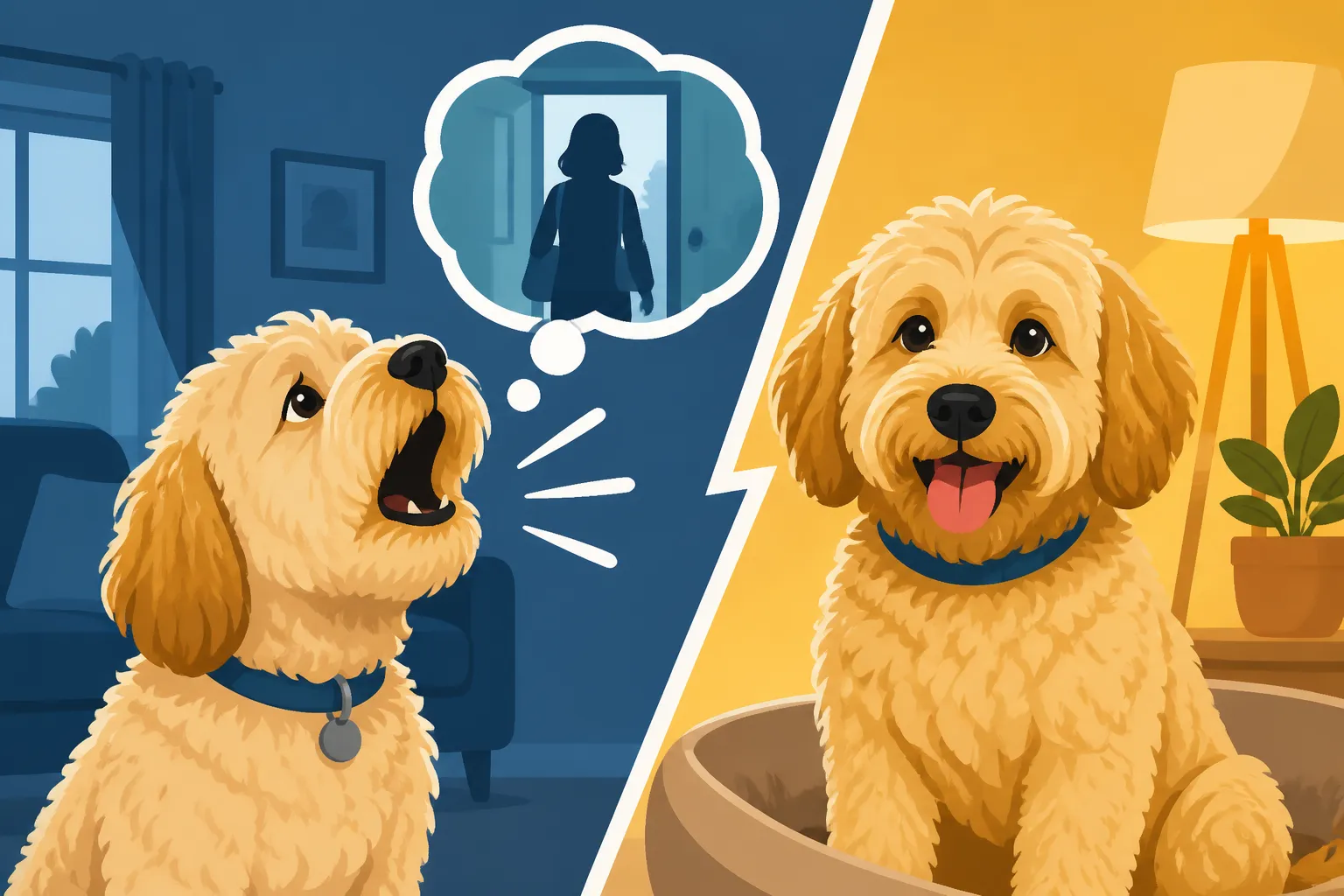
One of the most common reasons a Labradoodle might bark when left alone stems from anxiety, often manifesting as separation anxiety. These dogs are known for being "Velcro dogs," thriving on companionship and closeness. When that connection is suddenly severed, even for a short period, it can trigger significant distress. For a Labradoodle, being left alone isn't just a quiet period; it can feel like being abandoned, especially if they haven't been gradually acclimated to solitude.
This anxiety isn't a sign of a "bad" dog; it's a genuine emotional response. The barking is their way of trying to call you back, to express their discomfort, or to alleviate their stress. It might be accompanied by other anxious behaviors like pacing, drooling, house-soiling, or destructive chewing. Imagine feeling utterly alone and unsure if your loved ones are coming back – that's often the intensity of emotion your Labradoodle might be experiencing. It’s a heartbreaking situation for both dog and owner. The Velcro Labradoodle That Cannot Be Left is a great resource if this sounds familiar.
Boredom and Lack of Stimulation
Labradoodles are smart cookies, inheriting intelligence from both the Poodle and the Labrador side of their lineage. This means they need mental and physical engagement to be truly content. If a Labradoodle is left alone for hours with nothing to do, boredom can quickly set in. And what's a bored dog to do? Often, they'll invent their own entertainment, which frequently involves barking.
This isn't necessarily a desperate cry for your return, but more of a "I'm bored, and this is stimulating" kind of bark. They might bark at shadows, at the wind, or just to hear themselves. A Labradoodle left with insufficient outlets for their energy and intellect can become frustrated, and barking is a natural release for that frustration. They might also start destructive behaviors, not out of malice, but simply because they're under-stimulated and trying to occupy themselves. Think of it like a kid stuck inside on a rainy day with no toys – eventually, they’ll start making their own fun, often loudly.
Alert Barking to External Stimuli
Sometimes, a Labradoodle's barking when left alone isn't about you at all, but about their environment. Their keen senses, inherited from their retrieving ancestors, make them excellent sentinels. They might be alerting to a squirrel scampering across the roof, a delivery person walking by, the neighbor's dog barking, or even just the sound of distant traffic. To them, these are all potential "threats" or interesting events that warrant a vocal announcement.
This type of barking can be incredibly frustrating for owners because it feels less personal, but it's still disruptive. A Labradoodle who feels it's their job to guard the home can become very stressed by the constant influx of external sounds and sights, especially if they never learn that they don't need to be on constant alert. It’s their way of saying, "Hey, did you see that? I did!" even if no one is there to acknowledge their report.
Demand Barking
Dogs are incredibly astute learners, and they quickly figure out what behaviors get them what they want. If your Labradoodle has ever barked at you for attention, food, or a toy, and you've inadvertently given in, they've learned that barking is an effective communication tool. This can extend to when you leave. If they associate your return with their barking, they might interpret it as a successful strategy to bring you back.
This isn't necessarily a sign of deep anxiety, but rather a learned behavior pattern. It becomes a cycle: they bark, you eventually return, reinforcing the idea that barking works. Breaking this cycle requires consistency and teaching your Labradoodle that calm behavior, not barking, is what earns them rewards and your presence. It’s a bit like a child throwing a tantrum – if it gets them what they want, they’ll do it again.
Recognizing the Type of Barking
Before you can effectively address your Labradoodle's barking, it's crucial to understand what kind of barking it is. Different barks signal different underlying motivations, and tailoring your approach requires a bit of detective work. Often, video recording your Labradoodle when you leave can provide invaluable insights into their behavior.
Distinguishing Separation Anxiety Barks
Separation anxiety barking is typically distinct and often quite distressing to hear. It’s not just a few barks; it tends to be frantic, high-pitched, and continuous, sometimes bordering on a mournful howl or whine. Your Labradoodle might sound genuinely distressed, desperate, and relentless in their vocalizations. This type of barking often starts almost immediately after you leave, or shortly thereafter, and can continue for prolonged periods.
Beyond the sound, look for other physical cues. A dog with separation anxiety might also pace frantically, drool excessively, try to escape their confinement (leading to damaged doors or crates), or have accidents indoors, even if they are otherwise house-trained. They often show exaggerated greetings when you return, unable to contain their excitement and relief. This behavior is a clear indicator that your Labradoodle isn't just bored; they're genuinely suffering from emotional distress. Telling an Anxious Labradoodle From an Under Exercised One can help you differentiate.
Boredom Barks
Boredom barks tend to be more monotonous, rhythmic, and less frantic than anxiety barks. They might bark in a more consistent pattern, perhaps with a slight pause between barks, almost like they're just "making noise." There might be some whining interspersed, but the overall tone suggests more of a lack of engagement rather than deep panic.
When a Labradoodle is barking out of boredom, they might also engage in other behaviors that indicate a need for stimulation. This could include destructive chewing of inappropriate items (like furniture, shoes, or even walls), digging, or excessive licking. They might also just lie around looking generally unenthusiastic before the barking starts, perhaps staring blankly. The key is the lack of extreme distress signals; while they aren't happy, they aren't in a state of panic. Their tail might be in a more neutral position, rather than tucked, and their body language might appear less tense.
Alert Barks
Alert barking is usually sharp, sudden, and often triggered by a specific external sound or sight. Your Labradoodle might bark, then pause to listen, bark again if the stimulus persists, and then stop once the "threat" has passed or the interesting event has moved on. These barks might sound more authoritative or territorial, a "who's there?!" type of sound.
You might notice your Labradoodle rushing to a window or door to bark, their ears perked, and their body language tense and focused on the perceived intruder. The barking usually subsides once the stimulus is no longer present, though some highly alert dogs might continue to ruminate or bark intermittently even after the event has passed. If you review video footage, you'll often be able to pinpoint the exact moment a car drove by, a person walked on the sidewalk, or another dog barked, directly preceding your Labradoodle's vocalization.
To help you distinguish, here's a quick comparison:
| Type of Barking | Common Sounds | Likely Causes | Initial Action |
|---|---|---|---|
| Separation Anxiety | Frantic, high-pitched, continuous, mournful howls/whines | Fear of abandonment, strong attachment, distress | Gradual desensitization, counter-conditioning |
| Boredom | Monotonous, repetitive, sometimes whining | Lack of mental/physical stimulation, under-exercised | Provide enrichment, increase exercise |
| Alert/Territorial | Sharp, sudden, authoritative, then sustained | External stimuli (people, animals, sounds) | Manage environment, desensitize to triggers |
| Demand | Persistent, targeted, often starts with a single "woof" | Learned behavior, seeking attention/resources | Ignore the bark, reward quiet behavior |
Practical Strategies to Reduce Labradoodle Barking
Once you have a better idea of why your Labradoodle is barking when you leave, you can start implementing targeted strategies. Remember, consistency is key, and patience is a virtue, especially with a breed as sensitive and intelligent as the Labradoodle.
Gradual Desensitization and Alone Time Training
This is perhaps the most critical strategy for Labradoodles who struggle with separation anxiety or intense loneliness. The goal is to gradually accustom your dog to your absence, proving to them that you always come back and that being alone isn't scary. Start small:
- Practice departure cues: Pick up your keys, put on your coat, and then don't leave. Sit back down, play with your dog, and act like nothing happened. Repeat this many times a day until these cues no longer trigger anxiety.
- Short departures: Begin with leaving for just a few seconds. Walk out the door, wait a breath, then return calmly. Don't make a big fuss upon returning. Slowly increase the duration over days and weeks.
- Vary your routine: Don't always leave for the same amount of time or at the same point in your routine. Mix it up so your Labradoodle doesn't learn to anticipate your exact departure time.
- Provide a special treat: Just before you leave for these short stints, give them a long-lasting, high-value chew or puzzle toy. This helps create a positive association with your departure. Check out the selection on Amazon for various brands.
- Consider a training program: Online courses, like those offered by BAXTER & Bella, can provide structured, step-by-step guidance on how to systematically increase alone time. They often include video tutorials and support that can be invaluable. Teaching a Labradoodle That You Come Back is the essence of this method.
This process takes time, sometimes weeks or months, but it builds genuine confidence in your dog. Avoid making grand, emotional goodbyes or overly enthusiastic greetings, as this can heighten their anxiety about your departure and return.
Enrichment and Mental Stimulation
A tired dog is a quiet dog, and a mentally stimulated dog is often a content dog. Labradoodles need both. Before you leave, make sure your dog has had ample physical exercise appropriate for their age and energy level. This might be a brisk walk, a good game of fetch in the park, or a vigorous romp. The Exercise a Labradoodle Needs Before It Behaves cannot be overstated.
Then, focus on mental enrichment while you're gone. Puzzle toys that dispense treats, long-lasting chews, or snuffle mats can keep their intelligent minds occupied for extended periods. Freezing wet dog food or peanut butter inside a KONG toy can provide a delicious challenge that lasts. Rotating these toys daily can keep things fresh and engaging. These strategies can significantly reduce boredom barking and redirect destructive chewing. Remember, a bored Labradoodle can get into trouble quickly, leading to behaviors like those detailed in What a Labradoodle Destroys When Left Alone.
Physical Exercise Before Alone Time
As mentioned above, physical exercise is a cornerstone of managing any dog's behavior, especially for active breeds like Labradoodles. A good walk or play session before you leave can burn off excess energy, making your dog more likely to rest quietly in your absence. This isn't about exhausting them to the point of collapse, but rather ensuring they feel physically satisfied.
For an adult Labradoodle, this might mean a 30-60 minute brisk walk or an intense game of fetch or tug. For a younger, high-energy Labradoodle, it might involve even more. Observe your dog; do they seem more relaxed and ready for a nap after exercise, or do they still have boundless energy? Tailor the exercise to their individual needs. A well-exercised Labradoodle is less likely to feel the urge to bark out of pent-up energy or restlessness.
Creating a Calming Environment
The physical space you leave your Labradoodle in can greatly influence their comfort level.
- Crate training: If introduced properly and positively, a crate can become a safe, den-like space where your Labradoodle feels secure. It can also limit their access to external stimuli that might trigger alert barking and prevent destructive behavior. Ensure the crate is large enough for them to stand, turn around, and lie down comfortably. Whether a Crate Helps a Labradoodle Switch Off explores this in more detail.
- White noise or calming music: A radio tuned to classical music or a white noise machine can help mask external sounds that might otherwise trigger alert barking. There are also specific "dog calming" music playlists available that some owners find helpful.
- Blinds and curtains: Close blinds or curtains to reduce visual stimuli from outside windows, especially if your Labradoodle is prone to alert barking at passersby.
- Scent diffusion: Some dogs respond well to calming scents like lavender or dog-specific pheromone diffusers. While not a cure-all, they can contribute to an overall more relaxed atmosphere. Products like these can often be found readily on Amazon.
- Limit access: Consider confining your Labradoodle to a dog-proofed area of the house rather than giving them free run. This can reduce the perceived "territory" they feel they need to guard and limit opportunities for destructive behavior.
Using Technology to Monitor and Intervene
Modern technology offers excellent tools for monitoring your Labradoodle and even intervening remotely.
- Pet cameras: A Wi-Fi enabled pet camera allows you to watch your Labradoodle while you're out. Many models offer two-way audio, so you can speak to your dog (though be careful not to reinforce barking by responding to it). Some even have treat dispensers, which can be useful for rewarding quiet behavior or providing a distraction.
- Bark collars (use with caution): While some bark collars (vibration or citronella spray, never static shock) can be used as a last resort, they should only be considered after consulting with a professional trainer and ensuring the barking isn't due to anxiety. These devices often suppress the symptom without addressing the underlying cause, which can lead to other behavioral issues.
- Smart home devices: Setting up a smart speaker to play calming music or white noise on a timer can also be a helpful tool.
Monitoring helps you understand the patterns of barking, what might be triggering it, and whether your strategies are having an effect. If you observe consistent signs of distress, it's a clear signal that professional intervention might be needed. For many Labradoodles, adjusting to being left alone, especially for a full workday, is a learned skill that doesn't come naturally. Whether a Labradoodle Copes With a Full Workday often depends on these strategies.
When to Seek Professional Help
Sometimes, despite your best efforts, your Labradoodle's barking when left alone persists, or even worsens. It's important to recognize when the issue is beyond what you can reasonably manage on your own and when it's time to bring in the experts.
Persistent or Severe Barking
If your Labradoodle's barking is intense, continuous, and causing significant distress to them (and your neighbors), and your at-home strategies haven't yielded substantial improvement after a consistent effort, it's time to seek professional help. Severe separation anxiety, in particular, can be very challenging to manage without expert guidance. This isn't a behavior problem; it's an emotional health issue for your dog.
Ignoring persistent, severe barking won't make it go away; it often entrenches the behavior and can lead to heightened anxiety for your dog. This can also take a toll on your relationship with your pet and cause stress within your household. Don't feel like you've failed as an owner; some dogs just need a little extra support and specialized approaches. What Labradoodle Owners Say They Underestimated often includes challenges like this.
Identifying Underlying Medical Issues
Before embarking on intensive behavioral modification, it's always a good idea to rule out any underlying medical causes for excessive vocalization. Pain, discomfort, or certain neurological conditions can sometimes manifest as increased barking or anxiety. A thorough check-up with your veterinarian is a crucial first step.
Your vet can perform a physical examination and suggest any necessary diagnostic tests to ensure there isn't a medical reason for your Labradoodle's distress. For example, joint pain might make it uncomfortable for them to lie down, leading to restlessness and barking, or an undiagnosed thyroid issue could contribute to anxiety. Addressing any health concerns will pave the way for more effective behavioral training.
Working with a Certified Professional Dog Trainer or Behaviorist
For severe cases of barking when left alone, particularly those rooted in separation anxiety, working with a certified professional dog trainer or a veterinary behaviorist is highly recommended. These professionals have specialized knowledge and experience to assess your dog's specific situation, accurately diagnose the underlying cause, and develop a tailored training plan.
A certified behaviorist can provide a nuanced approach, often combining environmental management, behavioral modification techniques, and sometimes, in severe cases, even temporary medication to help reduce anxiety to a level where training can be effective. They can help you implement safe and effective desensitization protocols, teach your Labradoodle coping mechanisms, and guide you through the process step-by-step. Look for certifications like CPDT-KA (Certified Professional Dog Trainer – Knowledge Assessed) or a DACVB (Diplomate of the American College of Veterinary Behaviorists). This kind of expert help can make all the difference in helping your Labradoodle find peace and quiet when you're away. They can also advise on nuanced situations, such as Whether a Second Dog Settles an Anxious Labradoodle, which isn't always a simple solution.
Disclaimer
This article is for general informational purposes only and does not constitute professional advice. Laws, prices and regulations vary by location and change over time. Consult a qualified professional for guidance on your specific situation.