Whether a Second Dog Settles an Anxious Labradoodle
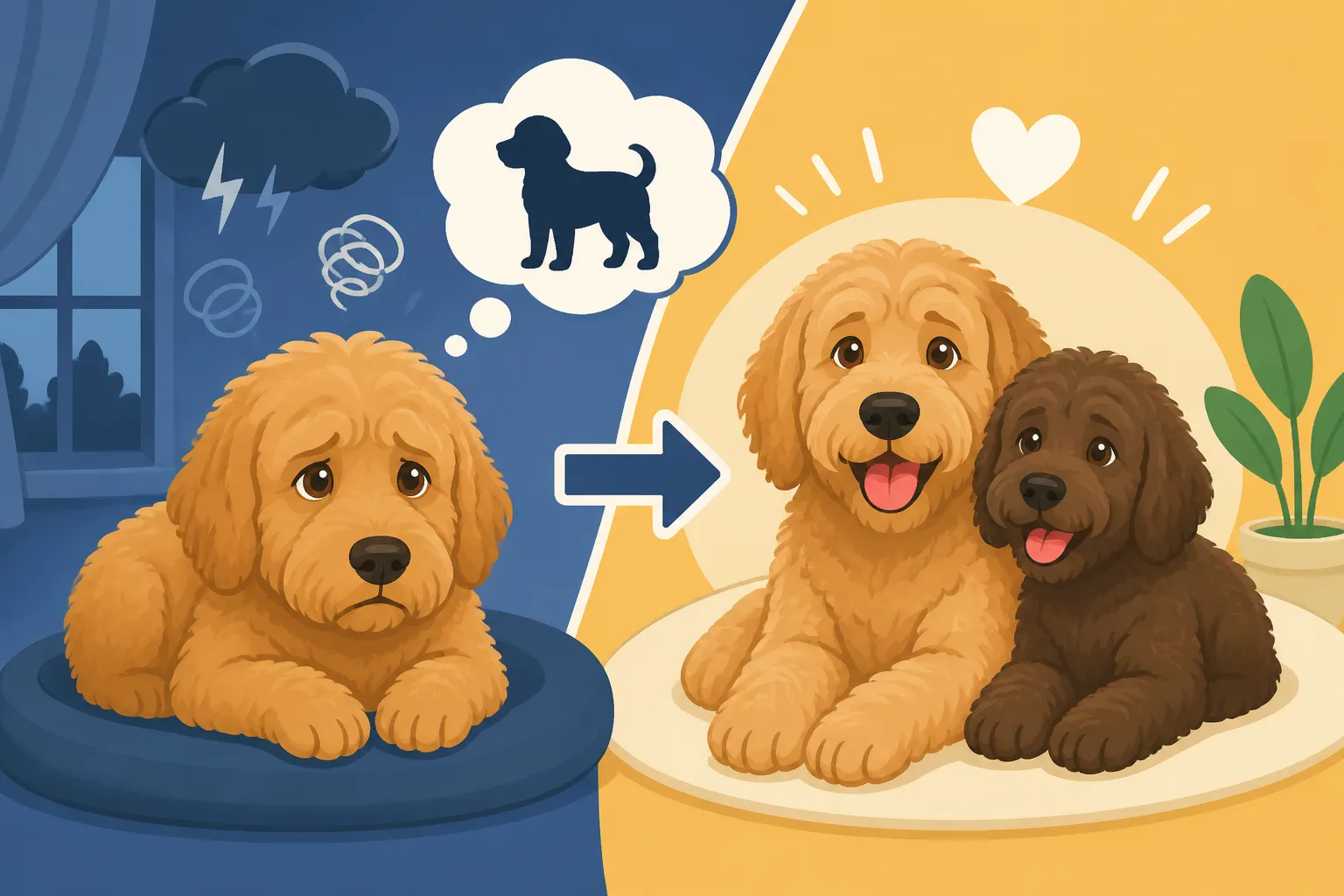
It’s a heart-wrenching sight: your beloved Labradoodle pacing anxiously, whining, or even causing a little mischief the moment you leave the house. Many of us, desperate to soothe our furry family members, have had the thought: "Maybe they're just lonely. What if a second dog would make all the difference?" This guide delves deep into that very question, exploring the nuances of Labradoodle anxiety and whether bringing another canine into your home is truly the answer, or if it might just complicate things further.
Understanding Labradoodle Anxiety Before Adding a Companion
Before you even think about bringing another wagging tail into your home, it's absolutely crucial to understand the root cause of your Labradoodle's anxiety. Labradoodles, with their Poodle intelligence and Labrador devotion, are prone to forming incredibly strong bonds with their human families. This wonderful trait, however, can sometimes manifest as deep distress when they're separated from their favorite people.
Common Triggers for Anxiety in Labradoodles
Our doodles are often described as "Velcro dogs," and for good reason! They love to be close, to participate, and to know what's going on. When this need for connection is unmet, or when they feel insecure, anxiety can bubble to the surface.
One of the most common anxiety triggers is, of course, separation. Many Labradoodles struggle with being left alone, even for short periods. This can look like excessive barking or howling the moment you close the door, destructive chewing on furniture or door frames, or even inappropriate urination and defecation, even if they're perfectly house-trained when you're home. It's not about being "naughty"; it's a panic response. Some Labradoodles might even become overly vigilant, constantly following you from room to room, waiting outside the bathroom door, or refusing to settle down unless they're physically touching you. This constant shadow-following is often an early sign that they're struggling with solitude, even when you're technically nearby.
Beyond separation, Labradoodles can also develop fear-based anxieties. Loud noises like thunderstorms, fireworks, or even the garbage truck rumbling down the street can send some into a terrified frenzy. Changes in routine, new environments, or even the absence of a particular family member can be incredibly unsettling. Their sensitive natures mean they can pick up on subtle cues, and what seems like a minor event to us can be a huge stressor for them. This can sometimes lead to what we call "over-arousal," where they might bark excessively at perceived threats, become hyper-reactive to stimuli outside the window, or even struggle to calm down after an exciting event.
Is it True Separation Anxiety or Something Else?
This is perhaps the most critical distinction to make. True separation anxiety is a clinical condition that requires a comprehensive, multi-faceted approach, often including professional guidance. It's characterized by panic attacks, not just boredom. A dog with true separation anxiety genuinely believes they are in danger when left alone; it's a primal fear, not a behavioral quirk.
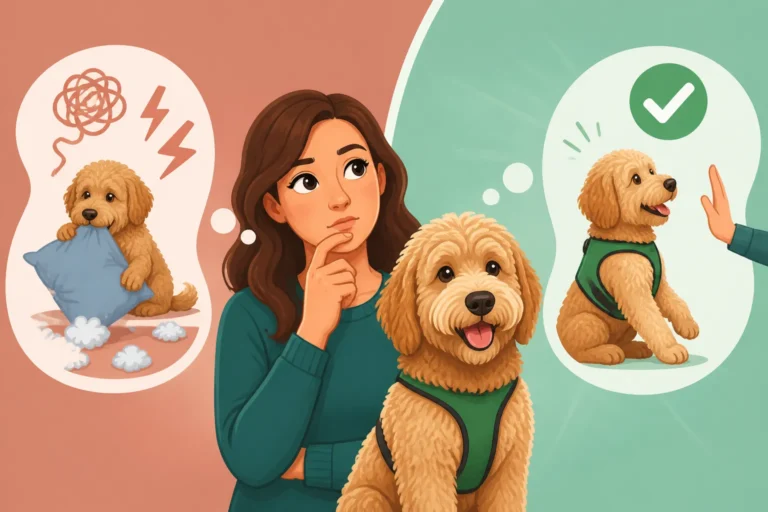
On the other hand, many Labradoodles display behaviors that look like separation anxiety but are actually rooted in boredom, lack of adequate exercise, or insufficient mental stimulation. A smart, energetic breed like the Labradoodle needs an outlet for their physical and mental energy. If they're not getting enough walks, playtime, or engaging activities, they might resort to destructive behaviors or excessive vocalization simply because they're under-stimulated. They might What a Labradoodle Destroys When Left Alone not out of panic, but because they're looking for something, anything, to do.
Consider the difference: a Labradoodle with true separation anxiety might start panting, drooling, howling, or attempting to escape the second you pick up your keys, even if they've just had a long walk. A bored Labradoodle might be perfectly calm while you get ready but then starts chewing the sofa leg after an hour of being left alone with nothing to do. It’s vital to assess whether your dog is experiencing genuine panic or simply needs more structure, exercise, and enrichment in their daily life. This distinction profoundly impacts whether a second dog will help or harm the situation. It's truly a different challenge when you are Telling an Anxious Labradoodle From an Under Exercised One.
The Complexities of Adding a Second Dog for Anxiety
The idea of a lonely dog being magically cured by a companion is a beautiful, heartwarming thought. It’s a vision many owners hold onto when facing their Labradoodle's distress. However, the reality is far more complex, and simply bringing another dog home can sometimes lead to unforeseen challenges that make the situation even harder.
Why a Second Dog Might Seem Like a Solution
It's completely natural to assume that another dog would provide comfort and companionship. We picture them playing together, curling up for naps, and simply "being there" for each other when we're away. The logic is compelling: if a dog is anxious because they're alone, then they won't be alone anymore if there's another dog, right? This notion is often fueled by anecdotal stories of dogs who did seem to improve with a companion. Perhaps your anxious Labradoodle thrives during doggy daycare or at the dog park, suggesting they genuinely enjoy canine company.
Some owners hope that a calm, confident second dog might even model appropriate behavior for their anxious Labradoodle. They envision the new dog showing the existing dog how to relax, how to cope with solitude, and how to just be a happy, well-adjusted canine. In certain, very specific cases, a truly well-matched pair can offer some mutual comfort, turning a solitary struggle into a shared experience. The idea that "my Labradoodle just needs a buddy" often stems from a deep empathy for our pets, and a desire to fill that perceived void.
The Risks and Potential Downsides of Adding a Companion
Unfortunately, the reality often doesn't align with these hopeful visions. More often than not, adding a second dog to an anxious Labradoodle's life creates more problems than it solves. The biggest risk is that the new dog doesn't alleviate the anxiety but instead develops anxiety themselves, learning the stressed behaviors from the existing dog. You might end up with two anxious dogs, multiplying your challenges rather than dividing them.
Imagine this scenario: you bring home a sweet, confident puppy. Your anxious Labradoodle, instead of being soothed, becomes agitated by the puppy's energy, or even worse, protective of you. The puppy then learns that being left alone means stress, just like your Labradoodle. Or, the new dog might simply ignore the anxious one's distress, not offering comfort at all. Instead of a calming presence, the new dog could become a target for your Labradoodle's redirected anxiety, leading to aggression or resource guarding issues over toys, food, or even your attention. Suddenly, you're not just dealing with one dog's separation anxiety, but potentially resource guarding, inter-dog conflict, and a second dog starting to show concerning behaviors of their own.
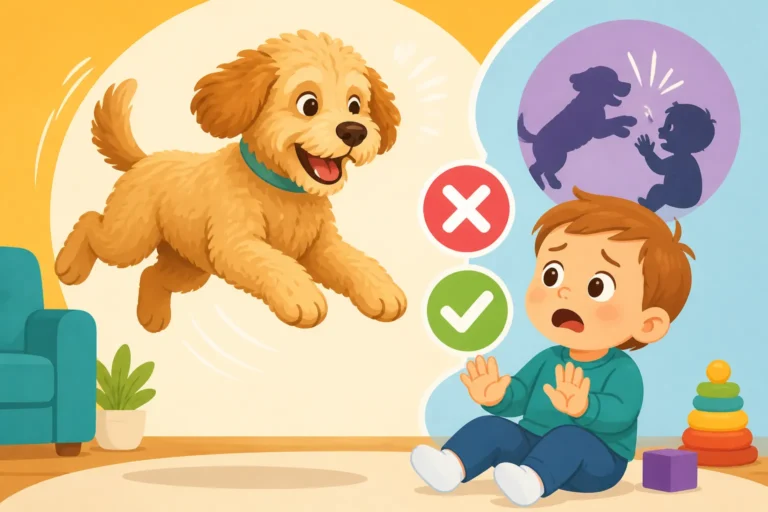
Furthermore, introducing a new dog is inherently stressful for both animals. There's a period of adjustment, of establishing boundaries, and of figuring out their place in the new social dynamic. This added stress can easily exacerbate an already anxious Labradoodle's issues, pushing them further into their fear responses. It's a significant undertaking, and it's important to ask yourself if you're truly prepared to manage Whether Two Labradoodles Are Easier Than One when one of them is already struggling. This is why a cautious, informed approach is absolutely essential, rather than a hopeful leap of faith.
When a Second Dog Could Be Helpful (and How to Approach it)
While adding a second dog is rarely the primary solution for true separation anxiety, there are very specific circumstances where a companion might play a supportive role. It's about careful consideration, strategic planning, and understanding that the second dog is part of a larger, ongoing behavioral management strategy, not a magic bullet.
Specific Scenarios Where It Might Work
If your Labradoodle's "anxiety" is truly more about boredom, under-stimulation, or a mild form of distress when left alone rather than full-blown panic attacks, a well-matched companion could potentially help. This might be the case if your dog genuinely enjoys playing with other dogs at the park, doesn't show signs of aggression or fear towards other canines, and exhibits only mild vocalization or minor destructive behaviors when alone. If they simply get lonely, rather than truly panic, a friend might offer distraction and interaction.
Another scenario where it might be considered is if your Labradoodle has always been highly social, thrives on canine companionship, and their anxiety only appears when they are completely isolated. However, even in these cases, it's critical that the existing dog is making progress with their individual anxiety management before introducing another dog. A companion might offer a distraction from their human's absence, but it won't cure a deep-seated fear. The key is that the initial dog's issues are manageable, and they are generally a confident, happy dog when you are home.
Crucial Considerations for Choosing a Companion
If you're convinced that a second dog could be beneficial, the selection process is paramount. This isn't just about finding any dog; it's about finding the right dog to complement your Labradoodle's personality and needs.
- Temperament: Look for a dog with a naturally calm, confident, and stable temperament. An overly excitable or fearful dog will only add to the chaos. A steady, unruffled companion is what you need.
- Age: Avoid bringing home a young puppy. Puppies are a huge amount of work, require constant supervision, and their boundless energy can be overwhelming for an anxious adult dog. A mature, well-adjusted adult dog (perhaps 2-4 years old) who has demonstrated stability in previous homes is often a better choice.
- Energy Levels: While a high-energy dog might seem like a good idea to "tire out" your Labradoodle, it can also lead to over-stimulation. Look for a dog whose energy levels match or are slightly lower than your Labradoodle's, allowing for peaceful co-existence.
- Size and Breed: Consider a dog of a similar size to avoid potential accidental injuries during play or disproportionate dynamics. While breed doesn't dictate everything, research breeds known for their calm dispositions.
It's often a great idea to test interactions in a neutral environment before committing. Many rescues and shelters offer "meet and greet" opportunities, or even foster-to-adopt programs, allowing your Labradoodle to interact with a potential companion under controlled conditions. Observing how your Labradoodle responds to another dog without the pressure of a new home environment can give invaluable insights into whether A Labradoodle Meeting the Resident Dog will be a smooth transition. Remember, a new dog needs its own space and attention too, and a comprehensive training program like BAXTER & Bella can be incredibly helpful for integrating a new family member smoothly, focusing on positive reinforcement for both dogs from the start.
Steps for Successful Introduction and Integration
Introducing a new dog into a household, especially when one dog has anxiety, requires patience, careful planning, and a commitment to a slow, positive process. Rushing things is a recipe for disaster.
Start with very gradual introductions in a neutral territory, like a park. Keep both dogs on leashes, allowing them to sniff and observe each other from a distance before allowing closer interactions. Short, positive interactions are key, ending before either dog shows signs of stress or over-excitement. Once you bring the new dog home, establish separate spaces for each dog – crates, beds, or even entire rooms – where they can decompress and feel safe. This is vital for managing stress and preventing resource guarding. Each dog should have their own food bowls, toys, and sleeping areas, completely separate from the other.
Supervise all interactions closely, especially during the initial weeks and months. Look for signs of stress in either dog, such as lip licking, yawning, tail tucking, or stiff body language. Interrupt any escalating tension calmly and redirect the dogs to separate activities. Positive reinforcement is your best friend: reward calm interactions, shared space, and polite greetings generously with treats and praise. Structured activities, like parallel walks where both dogs walk calmly side-by-side, can build a positive association with each other's presence. Continue with individual training sessions for both dogs, ensuring each gets one-on-one attention and mental stimulation. You might even find that getting your existing Labradoodle's recall solid, as in Building a Recall a Labradoodle Answers Off Leash, will help manage them during supervised off-leash interactions with the new dog in safe, enclosed spaces. The goal is to build a relationship based on mutual respect and positive association, not forced proximity.
Alternative and Essential Strategies for Labradoodle Anxiety
While the idea of a second dog can be tempting, it's almost always a secondary consideration to a robust, professional-backed plan for managing your Labradoodle's anxiety. There are far more effective and less risky strategies to explore first.
Professional Guidance is Paramount
When dealing with anxiety in a Labradoodle, the absolute first step should always be a visit to your veterinarian. It’s imperative to rule out any underlying medical conditions that could be contributing to or exacerbating the anxious behaviors. Pain, hormonal imbalances, or other health issues can manifest as anxiety, and no amount of behavioral training or companion dogs will help if there's a medical problem at play.
Once health issues are ruled out, seeking help from a certified professional dog trainer or a veterinary behaviorist is crucial. These professionals have the expertise to accurately diagnose the type and severity of anxiety your Labradoodle is experiencing. They can develop a tailored behavioral modification plan that addresses the specific triggers and responses unique to your dog. They can also provide guidance on whether medication might be a beneficial short-term aid to help your Labradoodle become receptive to training. It’s tough watching your dog struggle, and it's even tougher to navigate complex behavioral issues alone. A professional doesn't just offer solutions; they offer support and a realistic path forward.
Comprehensive Behavioral Modification and Management
True anxiety, especially separation anxiety, requires a dedicated and consistent approach to behavioral modification. This often involves a combination of counter-conditioning and desensitization. Counter-conditioning involves changing your dog's emotional response to a trigger (e.g., you leaving) from negative (panic) to positive (excitement for a treat). Desensitization gradually exposes your dog to the trigger in very small, manageable increments, allowing them to remain calm.
For example, this might mean practicing very short "mock departures" where you grab your keys, walk to the door, open it, and immediately come back in, gradually increasing the duration you're "gone" by mere seconds over days or weeks. High-value treats and engaging puzzle toys can be invaluable during these exercises. Providing plenty of physical exercise and mental stimulation is also foundational. A tired Labradoodle is a calmer Labradoodle. Daily walks, engaging playtime, and challenging brain games can significantly reduce pent-up energy that might otherwise contribute to anxious behaviors. Brands like Amazon offer a huge variety of interactive toys, snuffle mats, and food puzzles that can keep a smart Labradoodle engaged and mentally stimulated, especially when you need to step out briefly. Building up The Alone Time a Velcro Labradoodle Can Build To requires immense patience and consistency.
Environmental Adjustments and Calming Aids
Creating a safe, predictable, and calming environment for your Labradoodle is another vital piece of the puzzle. Crate training, if introduced positively, can provide your dog with a secure den where they feel safe and can retreat when feeling overwhelmed. A designated "safe space" – perhaps a quiet room with their bed, favorite toys, and a diffused calming pheromone – can also offer a sanctuary. Many owners find success with calming pheromone diffusers or sprays, which mimic the natural appeasing pheromones released by a mother dog, creating a sense of security.
Other aids can include compression garments like thunder shirts, which provide a gentle, constant pressure that some dogs find soothing. Calming chews or supplements, often containing ingredients like L-theanine or melatonin, can also be explored after discussion with your vet. White noise machines or classical music can help mask external triggers like street noises, reducing reactivity. A consistent routine for feeding, walks, and playtime can also provide a sense of predictability and security, which is incredibly reassuring for an anxious dog. Remember, all these tools are aids to a comprehensive behavioral plan, not standalone solutions. Building a routine, coupled with appropriate mental and physical stimulation, are key steps toward helping your Labradoodle feel more secure, and learning Whether a Crate Helps a Labradoodle Switch Off is a valuable part of that process.
| Feature | True Separation Anxiety | Boredom/Under-stimulation |
|---|---|---|
| Primary Emotion | Panic, fear, distress | Frustration, lack of engagement |
| Behavior Triggers | Owner's impending departure, actual departure | Being left alone with insufficient activity |
| Vocalization | Excessive, frantic howling, barking, whining | Barking, whining, but often less frantic or persistent |
| Destructive Behavior | Often targets exit points (doors, windows), self-harm | Often targets household items (furniture, shoes, trash) |
| House Soiling | Urination/defecation occurs even if dog is housetrained | Less common if dog is housetrained, more situational |
| Timing of Behavior | Begins immediately or shortly after owner leaves | Can begin later, after initial calm settles and boredom sets in |
| Owner Presence | Dog is typically calm and well-behaved when owner is home | May still exhibit some restlessness or destructive behavior |
| Solution Impact | Requires professional behavioral intervention, medication | More exercise, mental stimulation, enrichment items |
Disclaimer
This article is for general informational purposes only and does not constitute professional advice. Laws, prices and regulations vary by location and change over time. Consult a qualified professional for guidance on your specific situation.