Whether a Labradoodle Is Too Smart for a Novice
It's a common question that pops up in forums and coffee shop chats among potential dog parents: "Is a Labradoodle just too smart for a novice owner?" You’ve heard the stories, right? Dogs that figure out child locks, open cupboards, and generally seem to be several steps ahead of their humans. It’s enough to make anyone wonder if their first foray into dog ownership should be with a breed known for its cleverness. This guide is here to tackle that concern head-on, exploring the true nature of Labradoodle intelligence and how a dedicated novice can absolutely thrive with one.
Understanding the Labradoodle's Intelligence and Its Roots
When we talk about a Labradoodle's intelligence, we're really discussing a fascinating blend of traits inherited from two incredibly smart parent breeds: the Poodle and the Labrador Retriever. It's not just about how quickly they learn a trick; it's about their problem-solving abilities, their emotional intelligence, and their sheer capacity for learning, both good and bad.
The Poodle's Sharp Mind
Let's be honest, Poodles often get a bad rap as being "frou-frou" dogs, but anyone who has spent time with one knows they are anything but. Poodles are renowned for their incredible intelligence and trainability. They consistently rank among the smartest dog breeds, capable of understanding a vast number of commands and excelling in complex tasks. This isn't just about showing off; it's about a deep cognitive ability that makes them incredibly adaptable and quick to grasp new concepts.
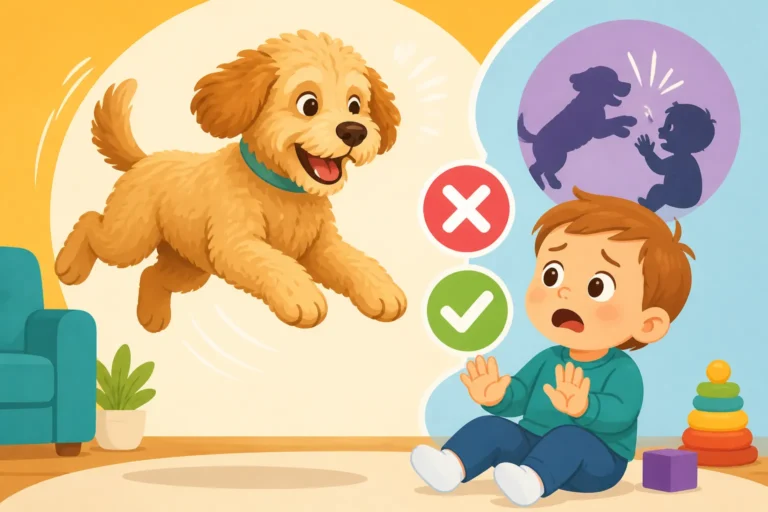
This Poodle brain means your Labradoodle will likely pick up on things faster than you might expect. They observe, they analyze, and they remember. If you inadvertently teach them that jumping on guests gets them attention (even negative attention), they'll log that information and repeat the behavior. Similarly, if you consistently reward calm, polite greetings, they'll learn that quickly too. Their intelligence can be a double-edged sword: a gift for rapid learning, but also a challenge if you're not consistent in what you're teaching. They require mental stimulation to be truly happy, otherwise, that sharp mind will find its own (often destructive) ways to entertain itself.
The Labrador's Eagerness to Please (and Outsmart)
Then we have the Labrador Retriever, America's darling. Labradors are famous for their friendly demeanor, unwavering loyalty, and, yes, their intelligence. They were originally bred for retrieving game, which required them to be smart, attentive, and able to work cooperatively with humans in complex environments. This translates into a dog that is typically highly motivated to please its handler and possesses a strong work ethic.
A Labradoodle inherits this eagerness to please, which can be a huge asset for a novice owner. They often want to do what you ask, making initial training sessions feel incredibly rewarding. However, don't mistake their desire to please for a lack of independent thought. Labradors are also notorious for their intelligence when it comes to figuring out how to get what they want. They might "accidentally" knock a treat jar off the counter or feign deafness when a squirrel is spotted. Combine this with the Poodle's analytical skills, and you have a dog that can quickly learn your routines, exploit inconsistencies, and come up with creative solutions to problems – whether those problems are "how do I get that yummy thing on the table?" or "how do I get my human to play with me right now?" They thrive on having a purpose, and if you don't give them one, they'll invent one for themselves.
Common Pitfalls for Novice Owners with a Smart Labradoodle
The intelligence of a Labradoodle isn't a flaw; it's a feature. But like any powerful tool, if not wielded correctly, it can lead to some unexpected challenges, especially for those new to dog ownership. These aren't insurmountable problems, but they are crucial to acknowledge and prepare for.
Boredom Breeds Destruction
One of the biggest struggles new owners face with an intelligent dog like a Labradoodle is underestimating their need for mental engagement. You might think a good walk or a quick game of fetch is enough, but for a brain that's constantly ticking, it often isn't. When a Labradoodle gets bored, that clever mind starts looking for its own entertainment, and trust me, their idea of fun usually involves something you really don't want them doing.
This can manifest as chewing on furniture legs, shredding pillows, or even dismantling their dog bed within minutes of you leaving the room. It’s not malicious; it's simply a dog trying to occupy itself. Imagine being an incredibly smart human locked in a room with nothing to do – you'd find a way to make some mischief, wouldn't you? For a Labradoodle, that might mean systematically exploring the garbage bin, attempting to open doors, or barking endlessly at squirrels outside the window, much to the chagrin of your neighbors. Providing outlets for their intelligence, like puzzle toys you can find on Amazon or regular training sessions, is vital to preventing these frustrating behaviors. A tired dog, both physically and mentally, is a good dog.
The "Smart" Labradoodle Who Learns the Wrong Things
Because Labradoodles are so adept at learning, they pick up on everything, not just the cues you're actively trying to teach them. This means they're constantly learning from your actions, your reactions, and the environment around them. For a novice owner, this can be a particular challenge because you might not even realize you're teaching them something undesirable until it's a deeply ingrained habit.
Consider the classic example of counter-surfing. You leave a sandwich on the edge of the counter, just for a moment, and your Labradoodle sniffs it out and snatches it. In their mind, they've just solved a delicious puzzle: counter equals food. If it happens a few times, they learn that counter-surfing can be a rewarding activity. Or maybe they learn that barking at the mail carrier eventually makes the scary person go away, reinforcing a noisy habit. Counter surfing is a common issue stemming from this quick learning. This isn't about the dog being "bad," but rather highly efficient at learning from consequences, even when those consequences are accidental. This rapid learning means consistency is paramount. Every interaction is a teaching moment, and an inconsistent approach can lead to a very clever dog who is also very confused about the rules.
Strategies for a Novice to Successfully Train a Smart Labradoodle
The good news is that a Labradoodle's intelligence, far from being a barrier, can actually be a huge advantage for a novice owner – as long as you approach training with the right mindset and tools. It simply means you need to be prepared to be as smart and consistent as your dog!
Embrace Positive Reinforcement and Consistency
For a clever breed like the Labradoodle, positive reinforcement is not just a kind method; it's often the most effective. These dogs thrive on praise, treats, and toys, and they love the mental engagement that comes with earning a reward. Yelling or harsh corrections can often shut down an intelligent dog, making them fearful or, worse, teaching them to simply avoid getting caught. Instead, focus on rewarding the behaviors you want to see. Did your Labradoodle calmly greet a visitor? Shower them with praise and a tasty treat! Did they sit politely instead of jumping? Jackpot!
Consistency is the absolute bedrock of successful training, especially with a smart dog. If "sit" means "sit" every single time, from every member of the family, in every environment, your Labradoodle will learn it quickly and reliably. If sometimes "sit" means "sit," but other times it's okay to jump because you're in a hurry, you're creating confusion. Establish clear rules and ensure everyone in the household adheres to them. This creates a predictable environment where your Labradoodle can feel secure and understand what's expected of them. For new owners feeling overwhelmed, resources like online training programs can be incredibly helpful. BAXTER & Bella, for example, offers structured programs that guide you step-by-step through puppyhood and beyond, providing that much-needed consistency and support. Remember, What a Labradoodle Should Know by Six Months often goes beyond basic commands if you're consistent!
Mental Stimulation Is as Crucial as Physical Exercise
You wouldn't expect a genius human to be happy doing nothing but running laps all day, right? The same goes for your intelligent Labradoodle. While physical exercise is undoubtedly important for a breed with both Labrador and Poodle energy, mental stimulation is equally, if not more, critical to preventing behavioral issues and fostering a well-adjusted dog. A brisk walk or a game of fetch will burn off some energy, but a training session, a puzzle toy, or a scent game will truly tire out their active minds.
Think about incorporating "brain games" into their daily routine. Snuffle mats where they have to sniff out treats, KONG toys stuffed with frozen peanut butter, or interactive puzzle feeders (many great options are available on Amazon) can keep them engaged for significant periods. Consider teaching them new tricks beyond the basics – "roll over," "play dead," or even naming their toys can be fantastic mental workouts. Enroll them in a local obedience class, try out some beginner agility, or explore nose work. Giving your Labradoodle a "job" or a purpose, even if it's just to find hidden treats or learn a new command, will make them feel fulfilled and less likely to invent their own, less desirable, forms of entertainment. If your Labradoodle seems to forget everything around The Ten Month Old Labradoodle That Forgets Everything, it's often a sign they need more mental engagement.
Don't Be Afraid to Seek Professional Guidance
It's easy for novice owners to feel embarrassed or like they're failing if their smart Labradoodle is presenting challenges. Please, let go of that thought! There is absolutely no shame in seeking professional help. In fact, it's often the smartest thing you can do for both yourself and your dog. A qualified dog trainer or behaviorist can offer invaluable insights into your Labradoodle's specific needs and help you navigate any tricky behaviors. They can teach you the techniques and strategies tailored to an intelligent, enthusiastic breed, often helping you prevent problems before they become serious.
Look for trainers who use positive, reward-based methods. Puppy classes are an excellent starting point, not just for your dog to learn manners and socialize, but for you to learn how to effectively communicate with and train your Labradoodle. If specific issues arise, such as excessive barking, leash pulling, or separation anxiety, a private consultation with a certified professional can provide targeted solutions. Remember, a "problem dog" is often just a dog whose needs aren't being met or whose signals aren't being understood. With the right guidance, a novice owner can truly unlock the incredible potential of their intelligent Labradoodle. Think of it as investing in a happier, more harmonious life together. Whether a Labradoodle Needs a Trainer or a Class is a question many first-time owners grapple with, and the answer is usually 'yes' to at least one!
| Novice Owner Mistake with Smart Labradoodle | Proactive Strategy for Success |
|---|---|
| Underestimating mental needs | Daily puzzle toys, training games, scent work |
| Inconsistent rules & expectations | Establish clear household rules, ensure family adherence |
| Relying solely on physical exercise | Combine walks with brain games and trick training |
| Accidentally rewarding bad behaviors | Be mindful of your reactions; reward only desired actions |
| Feeling overwhelmed and isolated | Seek group classes or professional trainer guidance |
| Lacking early socialization | Enroll in puppy classes, ensure positive experiences |
| Not teaching an "off switch" | Teach a "place" command, provide a quiet den space |
| Assuming the dog "knows better" | Dogs learn from consequences; teach desired outcomes |
So, is a Labradoodle too smart for a novice? Not at all. Their intelligence is a wonderful trait that makes them incredibly capable and rewarding companions. However, it does mean they require a thoughtful, committed, and consistent approach to training and enrichment. For a novice owner willing to learn, to invest time in positive training, and to provide ample mental stimulation, a Labradoodle can be an absolutely fantastic, intelligent, and loyal member of the family. The key isn't to be "smarter" than your Labradoodle, but to be a smart owner who understands their needs and sets them up for success.
Disclaimer
This article is for general informational purposes only and does not constitute professional advice. Laws, prices and regulations vary by location and change over time. Consult a qualified professional for guidance on your specific situation.