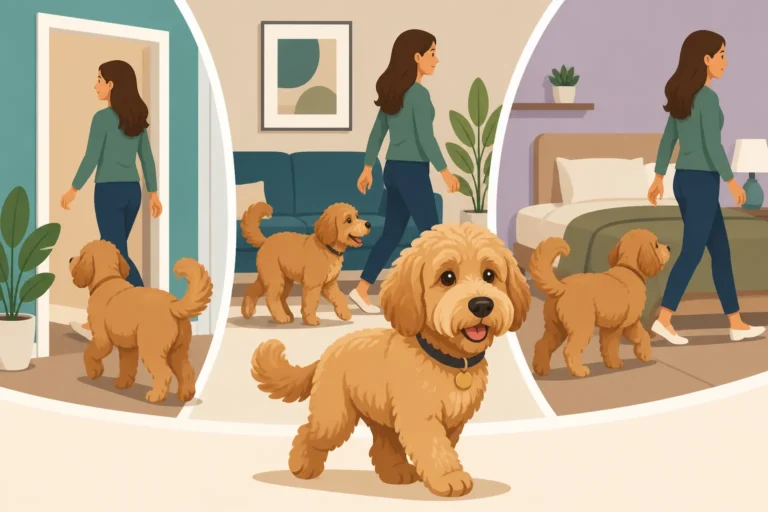
Whether a Labradoodle Lives With Cats
Bringing a new Labradoodle puppy or adult dog into a home where a feline friend already reigns supreme can feel like walking a tightrope. You dream of heartwarming photos of your fluffy dog cuddling with your aloof cat, but the reality often starts with hisses, chases, and a lot of stressed-out pacing. This guide is here to help you navigate those tricky initial encounters and lay the groundwork for a peaceful, even affectionate, multi-species household.
Understanding the Labradoodle's Natural Instincts Towards Cats
It's natural to wonder how a dog breed known for its exuberant personality will react to a creature as independent and sometimes skittish as a cat. Labradoodles are a mix of two wonderful breeds, the Labrador Retriever and the Poodle, and their instincts are a blend of these parent breeds, which means there's a spectrum of possibilities when it comes to cat compatibility.
The Poodle's Temperament and Prey Drive
Poodles, especially the Standard Poodle, are highly intelligent, agile, and can possess a significant prey drive. While they were originally bred as water retrievers, meaning they were skilled at hunting birds, this underlying instinct can sometimes translate into an interest in smaller, fast-moving animals like cats. It’s not necessarily aggression; often, it's more of a game of chase from the dog's perspective. They might view a scurrying cat as an exciting toy, which, of course, is terrifying for the cat. A Poodle's energy and keen senses mean they are often very aware of everything happening around them, including a cat's subtle movements. If your Labradoodle leans more towards their Poodle heritage, you might find them to be highly observant and potentially more inclined to engage in a chase if not properly managed. This isn't a fault, simply a characteristic that needs understanding and gentle guidance.
The Labrador's Instincts and Playfulness
On the other side of the genetic coin is the Labrador Retriever, renowned for its friendly, eager-to-please nature and, again, its retrieving instincts. Labradors are often good-natured with other animals, but their boundless enthusiasm and sheer size can be overwhelming for a cat. A Labrador-dominant Labradoodle might approach a cat with playful bounciness, not understanding that their wagging tail and boisterous attempts at play are perceived as threats by a smaller, more sensitive creature. They might want to "play" with the cat, nudging or sniffing too intensely, or try to mouth them gently, which can easily escalate into the cat feeling cornered or attacked. Labradors were also bred to fetch, so a running cat can trigger that natural impulse to chase and bring back, which, again, is a huge no-no when it comes to cat relationships.
Hybrid Vigor and Varied Personalities
The beauty and challenge of the Labradoodle, like many mixed breeds, is that you get a wonderful blend of traits, but predicting the exact combination can be tough. Some Labradoodles will inherit a lower prey drive and a naturally calm demeanor, making them more predisposed to living harmoniously with cats. Others might be bundles of energy with a strong urge to chase. This is where the concept of "hybrid vigor" comes in—while it often refers to increased health and fertility, it also means a greater genetic variation in traits like temperament. This variation is why two Labradoodles from the same litter can have wildly different reactions to a cat. Whether Hybrid Vigor Is Real in a Labradoodle delves into this further. It’s crucial not to generalize but to assess your Labradoodle's individual personality, energy levels, and inherent tendencies. A confident, calm Labradoodle, even with a history of chasing, can be taught boundaries, while a highly excitable dog will require more consistent management and dedicated training.
Essential Steps for Introducing a Labradoodle to a Cat
Introducing a Labradoodle to a cat is not a one-time event; it's a carefully orchestrated process that requires patience, planning, and a deep understanding of both animals' needs. Rushing it almost always leads to setbacks.
Preparation Before Bringing Your Labradoodle Home
Before your Labradoodle even steps paw inside, you need to set up your home for success. This means creating distinct safe zones for your cat. Cats are vertical creatures, so think upwards. Install cat trees, wall shelves, or even just clear off the tops of bookshelves where your cat can escape to. Baby gates, especially those with small pet doors at the bottom or mounted higher on the wall, are invaluable. They allow your cat to move freely between areas while restricting your Labradoodle's access, especially during the initial stages. You can find a wide variety of these helpful gates on Amazon, offering different heights and styles to suit your home and your dog's jumping ability. Ensure your cat has easy access to its litter box, food, and water in areas that are completely inaccessible to the dog. A common mistake is allowing a dog to access the litter box (which can be tempting for them!) or the cat's food. This not only stresses the cat but can lead to unwanted behaviors like litter box avoidance or food guarding. Make sure your Labradoodle also has its own designated safe space, like a comfortable crate or a dog bed in a separate room, where it can decompress without constant interaction with the cat. Whether a Crate Helps a Labradoodle Switch Off can provide more insight into crate training.
The Gradual Introduction Process
The key to successful introductions is slow, controlled, and positive exposure. Start with scent swapping. Bring a towel rubbed on your cat to your Labradoodle, and vice-versa. Let them get used to each other's smell without the pressure of a face-to-face meeting. Feed them on opposite sides of a closed door, gradually moving their bowls closer as they remain calm. This creates a positive association with the other animal's presence.
Once they seem comfortable with scent and proximity, move to visual introductions through a barrier, like a baby gate or a glass door. Keep these sessions short and positive. Reward calm behavior from both animals with high-value treats. If either animal shows signs of stress (hissing, growling, lunging, flattened ears, tense body), immediately increase the distance or end the session. Never force interaction. Always supervise these initial meetings closely. A long line on your Labradoodle during these sessions, even inside the house, can be a great tool to ensure you have control and can prevent any sudden lunges or chases. Consider an online training program like BAXTER & Bella, which often provides guidance on managing multi-pet households and basic obedience, which is foundational for these introductions.
Managing Initial Interactions and Potential Challenges
It's completely normal for there to be some tension at first. Cats might hiss or swat, and your Labradoodle might be overly excited or curious. Your job is to be a calm, consistent mediator. Keep your Labradoodle on a leash or long line when the cat is present, especially in the early stages, even after barrier introductions. This allows you to immediately correct any unwanted behaviors like lunging or chasing. Reward your Labradoodle for calm behavior around the cat, such as lying down, looking at you, or ignoring the cat. Interrupt any intense staring or stalking behavior from the dog by redirecting their attention to a toy or a training cue. Never leave them unsupervised until you are absolutely certain they are safe together, and even then, always err on the side of caution. Remember, a single negative experience can set back weeks of progress. This is especially important during the puppy stage, as Raising a Labradoodle Through Its First Year emphasizes the importance of early positive experiences.
| Interaction Phase | Goal | Key Strategy | Outcome Indicators |
|---|---|---|---|
| Phase 1: Scent Swapping | Familiarization with presence | Rub towels on each animal, swap. Feed at door. | Reduced sniffing at door, calm eating. |
| Phase 2: Visual Barrier | Calm visual recognition | Use baby gate/crate. Short, supervised views. | Minimal staring, no aggression, some curiosity. |
| Phase 3: Leashed Encounters | Controlled, brief direct interaction | Dog on leash. Reward calm. Redirect excitement. | Dog ignores cat, cat observes from a distance. |
| Phase 4: Off-leash Supervision | Building trust in shared space | Unsupervised short periods. Ensure cat escapes. | Cat and dog share space, no intense focus. |
Training and Management for Harmonious Coexistence
Successful integration isn't just about initial introductions; it's about ongoing training and consistent management that fosters a respectful, peaceful environment for both your Labradoodle and your cat.
Reinforcing Positive Interactions
Every time your Labradoodle shows calm, polite behavior in the presence of your cat, it’s a teaching moment. Reward that behavior immediately and generously with treats, praise, or a favored toy. If your Labradoodle lies down calmly while the cat walks by, that's a jackpot moment. If they make eye contact with you instead of fixating on the cat, celebrate it! This positive reinforcement helps your dog understand that good things happen when they are gentle and respectful around the cat. You're essentially training them that ignoring the cat or being calm around it is more rewarding than chasing or being overly enthusiastic. You can also use specific cues, like "leave it," to redirect your Labradoodle's attention away from the cat if they start to focus too intently. Consistent obedience training, including a solid "stay" and "come" command, will be indispensable here. Building a Recall a Labradoodle Answers Off Leash is an excellent resource for developing this crucial control.
Creating Safe Spaces for Both Animals
Even if your Labradoodle and cat eventually become the best of friends, it's vital that each animal has its own sanctuary. For your cat, this means continued access to elevated perches, cat trees, and dog-free rooms where they can truly relax without canine interference. These safe zones allow the cat to control interactions and retreat when they feel overwhelmed, reducing stress and preventing potential conflicts. For your Labradoodle, a comfortable crate or a designated bed in a quiet corner can be their personal retreat. This is especially important for dogs that might get overstimulated or need a break from an assertive cat. Ensure that food and water bowls are kept separate, ideally with the cat's food placed in an elevated spot or behind a gate that the Labradoodle cannot access. Separate feeding prevents food guarding issues and ensures both pets eat their full meals without stress.
Addressing Problem Behaviors
Despite your best efforts, problem behaviors can still emerge. If your Labradoodle chases your cat, immediately intervene with a sharp "No!" and redirect them to a more appropriate activity, like a chew toy or a short training session. Never punish your cat for hissing or swatting; these are natural self-defense mechanisms. Instead, focus on managing the dog's behavior and giving the cat more escape routes. If you notice your Labradoodle trying to play too roughly, jumping, or barking excessively at the cat, you need to step in firmly but calmly. A quick time-out for the Labradoodle in their crate can help them learn that such behavior results in a loss of attention and fun. If your Labradoodle is still in its adolescent phase, remember that The Ten Month Old Labradoodle That Forgets Everything means you might need to re-teach cues and boundaries with extra patience. Persistent issues might indicate a deeper behavioral problem that requires professional help.
Long-Term Success and Ongoing Management
Achieving true harmony between your Labradoodle and cat is an ongoing journey, not a destination. Consistent effort, careful observation, and a willingness to adapt are key to maintaining a peaceful multi-pet household for years to come.
Recognizing Signs of Stress or Conflict
Even in seemingly harmonious households, it's crucial to remain vigilant for subtle signs of stress or conflict. For your cat, this might include changes in eating habits, excessive grooming, urinating outside the litter box, becoming more withdrawn, or showing increased aggression towards the dog or even you. For your Labradoodle, watch for excessive barking, hyper-fixation on the cat, resource guarding (of toys, food, or even you, from the cat), or signs of anxiety like pacing, lip-licking, or yawning excessively when the cat is near. Early detection of these signs allows you to intervene before small tensions escalate into serious problems. Sometimes, the issue isn't overt aggression but a chronic underlying stress that can impact the health and well-being of both animals. Paying attention to these subtle cues is part of being a responsible pet parent.
Maintaining Separate Resources and Routines
Even with the best of intentions, it's important to understand that your Labradoodle and cat may not always want to share everything. Maintaining separate resources, such as food bowls, water dishes, resting spots, and toys, can significantly reduce competition and potential conflict. Ensure your cat has its own toys that the dog doesn't try to steal, and vice-versa. Establishing clear routines for feeding, playtime, and alone time can also help. For example, morning walks for your Labradoodle can coincide with quiet play or cuddle time for your cat. This predictability helps both animals feel secure in their environment and reduces uncertainty, which is often a source of stress. Regular exercise for your Labradoodle is also vital, as a bored or under-exercised dog is more likely to bother a cat. The Exercise a Labradoodle Needs Before It Behaves highlights this critical aspect of Labradoodle care.
When Professional Help is Needed
There are times when despite your best efforts, the situation might not improve, or you might encounter behaviors that you feel ill-equipped to handle on your own. This is not a failure on your part, but an indication that it's time to seek professional help. A certified professional dog trainer or a veterinary behaviorist can assess the specific dynamics in your home, identify triggers, and develop a tailored behavior modification plan. They can offer invaluable insights into canine body language and feline communication that you might be missing, helping you understand both sides of the interaction. Don't hesitate to reach out if you're experiencing persistent chasing, aggression, or chronic stress in either animal. Early intervention from a professional can often prevent situations from becoming irreversible. Your goal is for your Labradoodle to comfortably Whether a Labradoodle Settles Into a Cat Household, and a professional can be a great asset in achieving this.
Disclaimer
This article is for general informational purposes only and does not constitute professional advice. Laws, prices and regulations vary by location and change over time. Consult a qualified professional for guidance on your specific situation.