A Labradoodle That Fights the Brush
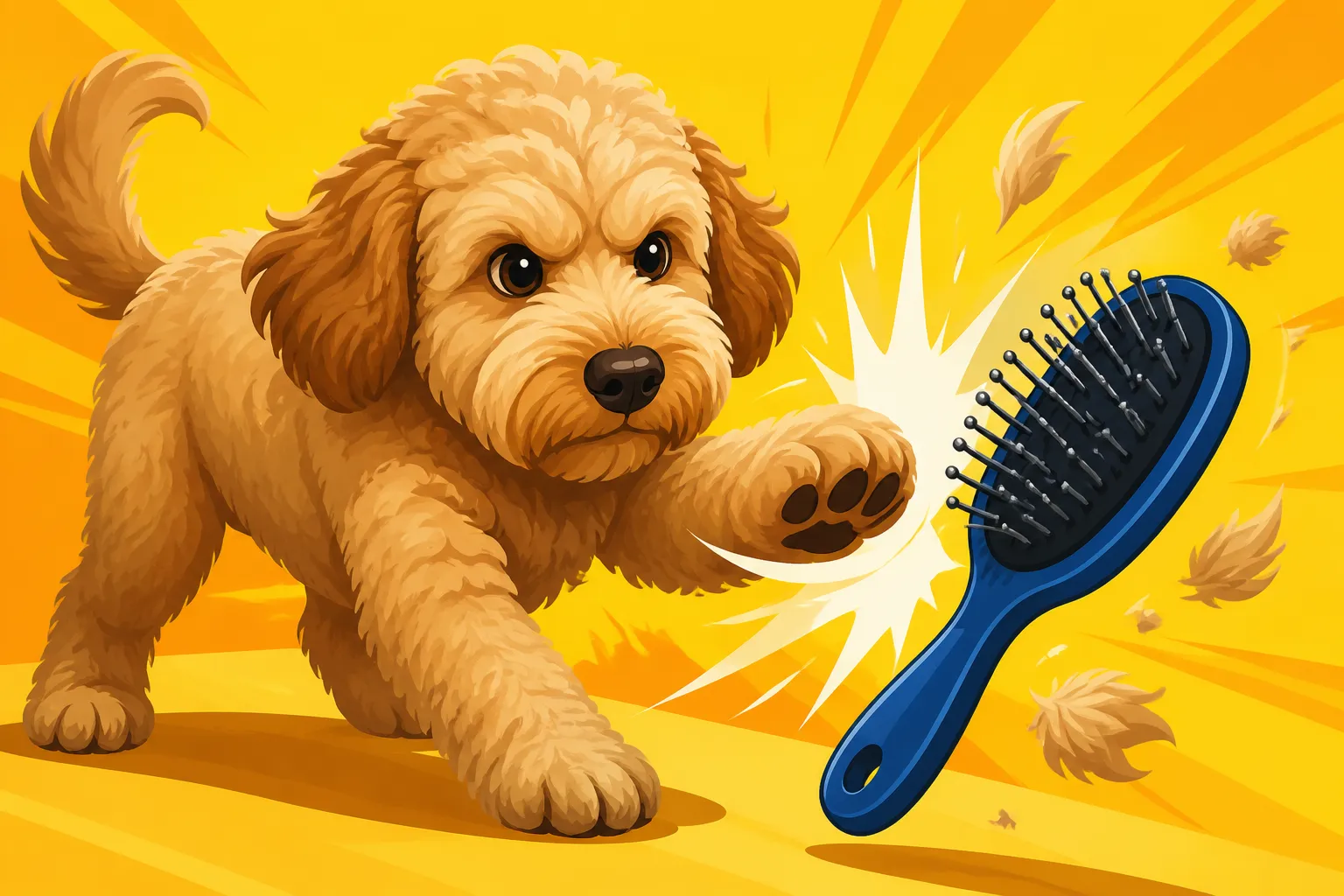
Oh, the battle of the brush! If you're a Labradoodle owner, you've likely experienced that moment when your fluffy companion suddenly transforms into a squirming, biting, or even growling tangle of fur at the mere sight of a brush. It's frustrating, disheartening, and can quickly turn what should be a routine bonding experience into a dreaded chore, leaving both you and your dog stressed. This guide is here to help you navigate those challenging grooming sessions, understand why your Labradoodle might be resisting, and provide actionable steps to transform brush time into a more peaceful, even enjoyable, part of your life together.
Why Your Labradoodle Might Be Fighting the Brush
It's easy to take it personally when your dog acts like the brush is an instrument of torture, but their resistance almost always stems from a place of fear, discomfort, or lack of proper conditioning. Understanding the root cause is the first step toward a solution.
Negative Past Experiences
Just like humans, dogs remember negative experiences, and these memories can profoundly shape their future reactions. If your Labradoodle had a painful or scary grooming encounter early in life, it's completely understandable why they'd be wary.
Perhaps their first few brushings were hurried and tugged at small mats, causing sharp discomfort. Maybe a loud clippers or a forceful restraint at the groomer's office left a lasting impression. Puppies are particularly sensitive, and even a well-meaning but clumsy brushing session can create an aversion. They don't differentiate between your gentle touch and the painful one; they simply associate the brush and the act of being groomed with an unpleasant sensation. This can lead to a fight-or-flight response, making them try to escape or actively defend themselves.
Physical Discomfort and Sensitivities
Sometimes, the resistance isn't just behavioral; it's a genuine response to pain or discomfort. Labradoodles, with their luscious coats, are prone to matting, and even small tangles can pull on their skin when brushed.
Imagine trying to brush through your own tangled hair after a windy day, but amplify that sensation when the tugging is happening all over your body. Mats, especially those close to the skin or in sensitive areas like armpits, behind the ears, or on the belly, can be incredibly painful to brush out. Beyond mats, some Labradoodles might have underlying skin sensitivities, allergies, or even minor injuries you're unaware of, making any touch uncomfortable. Ear infections, which are common in Labradoodles due to their drop ears and hair-filled canals, can also make head and neck handling particularly sensitive. Always rule out a medical cause first if your dog suddenly develops an aversion to grooming.
Lack of Early Desensitization and Training
One of the most common reasons Labradoodles fight the brush is simply that they were never properly taught to accept it. Many owners underestimate the importance of early and consistent positive exposure to grooming tools and handling.
Puppies need to learn that being touched all over, having their paws handled, their ears examined, and yes, being brushed, is a normal and pleasant experience. If this desensitization isn't started early or isn't consistent, by the time they're a rambunctious adolescent or a full-grown adult, they haven't built that foundation of trust and tolerance. Without this training, grooming becomes an unexpected, intrusive event that they feel compelled to resist. This is why Starting Grooming Handling on a Labradoodle Puppy is so vital for their future comfort and your sanity!
The Escalation Cycle: How Small Resistances Become Big Battles
It's easy for the problem to snowball. What starts as a little squirm can quickly become a full-blown struggle, and both you and your Labradoodle can get caught in a negative feedback loop.
Owner's Reaction Fuels Fear and Anxiety
When your Labradoodle starts to resist, it's natural to feel a mix of frustration, urgency, and perhaps even a bit of guilt. You might try to hold them more firmly, speak more sternly, or rush through the grooming session just to get it over with. Unfortunately, these reactions, though understandable, can inadvertently make things worse.
Your dog is highly attuned to your emotions. If you're tense, anxious, or angry, they pick up on it immediately. This tells them that grooming time is indeed something to be feared or stressed about, confirming their suspicion that something unpleasant is happening. When you apply more pressure or force, it escalates their fear response, reinforcing the idea that they need to fight harder to escape. This can create a vicious cycle where your dog's resistance makes you more stressed, which in turn makes them more resistant, making each grooming session increasingly difficult.
Learning to Escape: When Struggling "Works"
Dogs are incredibly smart and quick learners, especially when it comes to self-preservation. If your Labradoodle discovers that thrashing, nipping, or squirming successfully ends the grooming session, even temporarily, they'll quickly adopt that behavior as a strategy.
Every time they manage to wriggle free, snap at the brush, or make such a fuss that you give up, they've just been positively reinforced for that resistive behavior. They've learned, "If I do X, the scary thing stops!" This means that even if you only give in occasionally, your dog remembers the times it worked, and they will try it again. This is why consistency in your approach is so crucial, even when it feels like you're getting nowhere. Letting them escape only teaches them that their "fight" is effective.
The Pain Barrier: When Grooming Becomes Genuinely Hurtful
As mentioned, mats can be incredibly painful. If a Labradoodle's coat is already tangled and matted, even a seemingly gentle brush stroke can cause significant discomfort.
When a dog anticipates pain, their defensive behaviors intensify. They might start growling, snapping, or trying to bite because they're genuinely trying to protect themselves from what they know will hurt. This isn't naughtiness; it's a primal self-preservation instinct. At this point, grooming becomes a battle not just against the brush, but against actual physical pain. If your Labradoodle's coat has reached this stage, a professional groomer may be needed, and perhaps even a vet visit to discuss pain management or gentle sedation, especially if the mats are severe. Sometimes, the kindest thing to do is to start fresh with a short clip.
Essential Tools and Techniques for a Peaceful Groom
Having the right equipment and knowing how to use it makes a world of difference. It minimizes discomfort for your Labradoodle and makes the process more efficient for you.
Choosing the Right Equipment for Your Labradoodle's Coat
Labradoodle coats are beautiful but demanding. They come in various textures—hair, fleece, and wool—and each requires specific tools. Using the wrong brush can be ineffective and even painful.
- Slicker Brush: This is your primary weapon against tangles. Look for a good quality slicker with fine, angled wire pins. It's excellent for removing loose undercoat and surface mats. For a denser wool coat, you might need one with slightly stiffer pins. You can find an array of these tools readily available on platforms like Amazon, making it easy to compare features and read reviews.
- Metal Comb: A sturdy metal comb with both wide and fine teeth is indispensable. It's used after brushing to ensure you've reached down to the skin. If the comb glides through, you know you've done a thorough job. This is crucial for checking for hidden mats, especially in thinner areas like the ears and armpits.
- Rake: For Labradoodles with very dense undercoats or a woollier texture, an undercoat rake can help pull out dead hair more effectively and prevent deep matting.
- Detangling Spray: A good detangling spray can make brushing much easier, reducing friction and helping the brush glide through the coat. Look for one that's dog-safe and ideally moisturizing.
- High-Velocity Dryer: While an investment, a force dryer is a game-changer for drying your Labradoodle after a bath and can also help "blow out" loose hair and small tangles before brushing. It's much more efficient than a human hairdryer and helps prevent matting during drying.
- Grooming Table with Arm (Optional but Recommended): For larger or more squirmy Labradoodles, a grooming table with a noose can provide a secure, elevated surface, preventing them from running away or lying down. This allows you to maintain better posture and control. The Slicker, Rake and Comb a Labradoodle Takes is a great resource to learn more about specific tools.
| Tool Type | Best For | How It Helps | When to Use It |
|---|---|---|---|
| Slicker Brush | All Labradoodle coats, general detangling | Removes loose hair, breaks up small tangles, stimulates skin | Daily or every other day, as primary brushing tool |
| Metal Comb | Checking for mats, finer work (face, ears) | Confirms thoroughness, finds hidden tangles, separates hair | After slicker brushing, especially in mat-prone areas |
| Undercoat Rake | Dense, woolly coats; heavy shedding | Reaches deep into the undercoat, removes loose hair from the root | Weekly for dense coats, seasonally during coat change |
| Detangling Spray | Tangled areas, static, coat protection | Reduces friction, softens tangles, prevents breakage | Before brushing, especially on dry or matted areas |
| Force Dryer | Post-bath drying, "blowing out" loose hair | Dries coat quickly to prevent matting, pushes out loose undercoat | After baths, as a pre-brushing step for heavy shedding |
| Grooming Mitt | Quick touch-ups, sensitive areas | Gentle loose hair removal, massage, helps puppies get used to touch | Daily quick rub, for puppies or fearful dogs to introduce grooming |
Creating a Positive and Calm Grooming Environment
The environment where you groom plays a significant role in your Labradoodle's emotional state. A calm, consistent, and positive setting can help alleviate anxiety.
Choose a quiet area where you won't be interrupted, away from noisy distractions like the television or other pets. Consistency is key, so try to use the same spot each time. Lay down a non-slip mat or towel on the floor or grooming table for your dog's comfort and security. Before you even bring out the brush, spend a few moments petting and calmly reassuring your Labradoodle. Speak in a soothing voice, offer praise, and have high-value treats readily available. You want to create an atmosphere where grooming is associated with peace and rewards, not stress. If your dog seems overly anxious, a calming pheromone spray in the area beforehand might also help set a more relaxed tone.
Mastering the Art of Line Brushing
Many owners only brush the top layer of their Labradoodle's coat, missing the crucial undercoat where mats truly form. Line brushing is the technique that ensures you get down to the skin.
This method involves sectioning the coat and brushing from the roots outward. Start by parting the hair horizontally or vertically with your hand. Hold the hair above the part up and out of the way, then brush the section of hair below the part, working from the skin out to the ends. Once that section is tangle-free, drop a little more hair down from the section you're holding, create another part, and repeat. Work in small sections, methodically covering the entire body. It's a bit like brushing a horse's mane or a human's long, thick hair. This might take longer initially, but it's far more effective at preventing mats and reduces discomfort. Remember, Brushing a Labradoodle to the Skin, Not the Surface is the goal, not just skimming the top.
Step-by-Step Desensitization and Counter-Conditioning
If your Labradoodle already hates the brush, you'll need to re-teach them that grooming can be a positive experience. This process takes patience, consistency, and positive reinforcement.
Starting Small and Building Tolerance Gradually
The key to turning around a negative association is to break the scary thing (the brush) into tiny, manageable steps and reward heavily for compliance at each step.
Begin with just touching the brush to your dog's body for a fraction of a second, without actually brushing. As soon as the brush touches them, reward with a high-value treat and praise. Repeat this many times over several sessions. Once they're comfortable with the touch, move to one single brush stroke, followed immediately by a reward. Gradually increase the number of strokes, the duration of the session, and the areas you're brushing. Focus on areas they tolerate best first, like their back, before moving to more sensitive spots like the belly, paws, or ears. The goal is to keep them under their stress threshold. Stop before they get agitated, even if it means only doing a few strokes. Always end on a positive note. This gentle approach helps Building a Labradoodle Up to a Long Grooming Session.
Using High-Value Rewards and Positive Association
Rewards are your most powerful tool in counter-conditioning. You're trying to change your dog's emotional response from fear or dread to anticipation and pleasure.
High-value treats are crucial here – think bits of cooked chicken, cheese, or peanut butter (ensure it's xylitol-free). These are treats they rarely get otherwise, making them extra special. During your short grooming sessions, continuously offer these treats. You can even smear some peanut butter on a lick mat or a wall to distract them while you brush. The idea is that while the brush is present, good things are happening. Pair the act of brushing with happy talk and lots of praise. You want them to associate the sight and feel of the brush with delicious food and positive attention, overriding their past negative associations.
Practicing Calm and Gentle Restraint
Some level of gentle restraint is often necessary for grooming, especially with a wiggly Labradoodle. However, "restraint" should never mean force or fear. It's about teaching them to yield to gentle pressure and stay still.
Start by simply holding your dog gently in your lap or against your side, not in a way that feels trapped. Practice gently holding a paw, then releasing and rewarding. Touch an ear, release, and reward. Gradually increase the duration of these gentle holds. If you're using a grooming table, teach them to comfortably wear the grooming noose, again, pairing it with treats and praise for standing calmly. If they try to pull away, hold the gentle pressure until they relax for even a second, then immediately release and reward. This teaches them that relaxing against the pressure brings relief and rewards. Programs like BAXTER & Bella often include detailed modules on preparing your puppy for grooming by building comfort with handling and gentle restraint from a young age.
Dealing with Specific Problem Areas and Extreme Reactions
Every Labradoodle has their "hot spots" or areas they dislike being groomed. Some may also exhibit more intense reactions that require a different approach.
Sensitive Paws, Face, and Ears
These are often the trickiest areas for Labradoodles, combining high sensitivity with the potential for painful mats.
- Paws: Many dogs are wary of paw handling. Start by just touching their leg, then their paw, then picking up a single paw pad to trim the hair or nails, always rewarding. Use blunt-nosed scissors or a small clipper for the hair between the pads, which can collect debris and form mats. Take it slow and be extra gentle.
- Face: The hair around a Labradoodle's eyes and muzzle needs regular trimming to prevent irritation and matting. Use small, blunt-tipped shears or clippers designed for facial hair. Again, gradual desensitization is key. Touch the tool to their face, reward, then a quick snip, reward. Keeping a Labradoodle's Face Trimmed Out of Its Eyes is vital for their comfort and vision.
- Ears: Labradoodles are prone to ear infections, and the hair inside their ear canals can contribute to this. Cleaning and plucking (if recommended by your vet) can be uncomfortable. Make ear handling a positive experience from day one. Gently touch their ears, lift them, look inside, and immediately reward. If your dog is head-shy or sensitive around their ears, this needs particularly slow and patient work. For cleaning, use a vet-recommended cleaner and a soft cotton ball, never Q-tips deep in the canal. Whether a Labradoodle's Ear Hair Causes Its Infections provides more insight into this common problem.
Matted Coats and Knowing When to Seek Professional Help
Sometimes, despite your best efforts, a Labradoodle's coat can become severely matted. At this point, trying to brush them out at home can be cruel and counterproductive.
If the mats are tight, extensive, or close to the skin, attempting to brush them out yourself will cause significant pain and could permanently damage your dog's trust. In these situations, the kindest and safest option is to take your Labradoodle to a professional groomer. They have specialized tools and techniques, including different types of blades and clippers, to safely remove matted fur. Often, this means shaving down the coat, which might not be your preferred look, but it's essential for your dog's comfort and skin health. A good groomer will also be able to advise you on how to prevent future matting and maintain the coat effectively. They might even recommend specific detangling sprays or conditioning treatments. Whether a Tight Matted Labradoodle Has Any Other Option explores this further.
When Behavior Requires a Veterinary Consult
In rare cases, extreme resistance to grooming might stem from something more than just behavioral aversion or simple discomfort.
If your Labradoodle exhibits severe aggression (snapping, biting, growling) during grooming, or if they seem unusually sensitive all over their body, it's wise to consult your veterinarian. There could be an underlying medical condition, such as skin pain, arthritis, an old injury, or even a neurological issue, making them unable to tolerate handling. Your vet can perform a thorough examination to rule out medical causes. If no physical issues are found, they might refer you to a veterinary behaviorist or discuss options like anti-anxiety medications or gentle sedation for grooming, especially if their welfare is otherwise compromised by their inability to be groomed. Whether Sedation Is Ever Right for Grooming a Labradoodle is a question many owners face in these tough situations.
Maintaining a Routine for Long-Term Success
Once you've made progress in getting your Labradoodle to tolerate or even enjoy brushing, establishing and sticking to a consistent routine is paramount. This isn't a one-time fix; it's a lifestyle commitment.
The Power of Consistency: Daily or Every-Other-Day Brushing
Labradoodle coats are high-maintenance, and prevention is always easier than cure. A consistent grooming schedule is your best defense against matting and continued resistance.
Aim for a quick 10-15 minute brushing session daily or every other day, rather than trying to tackle a massive job once a week or month. Frequent short sessions are much less taxing for both you and your dog, and they keep small tangles from becoming painful mats. This consistency also reinforces the positive associations you've built. Your dog learns that brushing is a normal, predictable part of their day, not an occasional, alarming event. Make it a part of your daily routine, perhaps after their morning walk or before evening cuddle time, and stick to it. This regular contact helps you identify any skin issues or new lumps and bumps early, contributing to your dog's overall health.
Making Grooming a Bonding and Relaxation Experience
Shift your mindset about grooming from a chore to an opportunity for connection and relaxation. When you approach it with a calm, positive attitude, your Labradoodle will pick up on that energy.
Use gentle strokes, talk to your dog in a soothing voice, and integrate plenty of praise and affection. For some dogs, the rhythmic motion of brushing can become quite meditative. Think of it as a massage rather than a task. You can use this time to gently check their ears, feel for any new bumps, and examine their paws. Ending each session with a special treat or a favorite toy helps solidify the idea that grooming leads to good things. Over time, your Labradoodle might even start to look forward to their daily pampering session, viewing it as special one-on-one time with you.
Preventing Future Matting and Coat Issues
Maintaining a mat-free coat goes beyond just brushing; it involves understanding your Labradoodle's specific coat type and adopting proactive measures.
First, identify your Labradoodle's coat type – whether it's hair, fleece, or wool – as this dictates grooming frequency and technique. The Three Labradoodle Coats: Hair, Fleece and Wool explains the differences. Wool coats typically require the most intense maintenance. Be vigilant about common matting areas: behind the ears, armpits, inner thighs, under the collar or harness, and around the tail. These areas should be checked daily. Consider using a protective coat spray or conditioner to reduce tangles. If your Labradoodle loves to swim, ensure they are thoroughly rinsed and dried to the skin afterwards, as damp fur is a breeding ground for mats. Avoid leaving harnesses or collars on for extended periods, especially when wet, as these can also cause friction and matting. Regular professional grooming appointments, typically every 6-8 weeks, can also help manage the coat and address any developing issues before they become severe. The Six to Eight Week Clock on a Labradoodle's Coat highlights this necessity.
Disclaimer
This article is for general informational purposes only and does not constitute professional advice. Laws, prices and regulations vary by location and change over time. Consult a qualified professional for guidance on your specific situation.