Whether Sedation Is Ever Right for Grooming a Labradoodle
It's a familiar scenario for many Labradoodle owners: grooming day rolls around, and suddenly your usually sweet, goofy companion transforms into a wriggling, snapping, or terrified bundle of fur. You might wrestle them onto the grooming table at home, only for them to fight every brush stroke, or maybe your professional groomer calls with concerns about their stress levels. In moments of desperation, faced with a matted mess or a dog deeply distressed by the clipper's hum, the thought crosses your mind: "Is sedation ever the answer for getting my Labradoodle groomed?" It's a heavy question, loaded with worry for your dog's well-being versus the practical need to maintain their coat. This guide will explore that complex question, delving into why grooming can become such a battle and what options exist, including and beyond sedation, to ensure your Labradoodle stays comfortable, healthy, and happy.
Understanding Why Grooming Becomes a Battle
Grooming a Labradoodle isn't just a cosmetic chore; it's a fundamental part of their health and well-being. Their unique coats, inherited from both the Poodle and the Labrador, require diligent care. When this care becomes a source of significant stress for your dog, it's not just frustrating for you, but genuinely detrimental to them. It's important to understand the multifaceted reasons why your beloved companion might be fighting the brush.
The Labradoodle's Unique Coat Challenges
Let's be honest, those beautiful, wavy, non-shedding (or low-shedding) coats are a huge part of the Labradoodle's appeal, but they come with a significant care commitment. Unlike a short-coated Labrador, a Labradoodle's fleece or wool coat is designed to grow continuously, which means it will mat without regular, thorough brushing. These mats don't just sit on the surface; they tighten and pull at the skin, becoming incredibly painful. Imagine having your hair constantly tugged at, and you can begin to understand the discomfort.
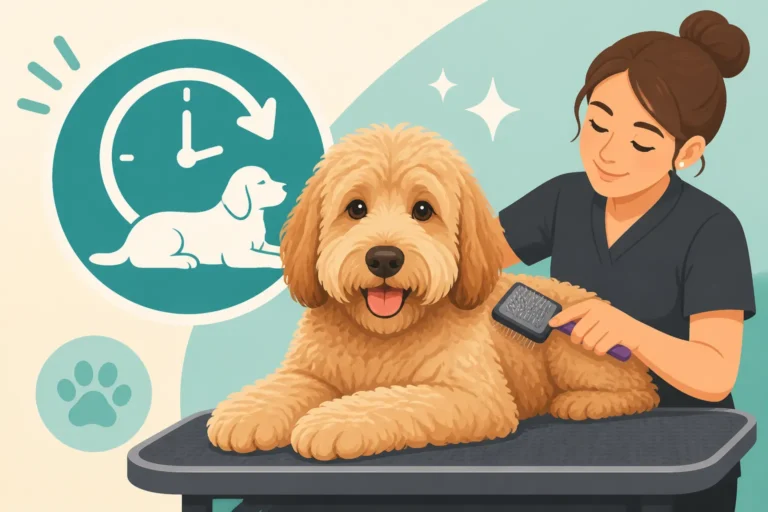
Beyond just matting, the density and length of a Labradoodle's coat mean that a proper groom takes time – often 2-3 hours for a professional. For a dog that isn't accustomed to standing still, this can be an eternity. Many owners, despite their best intentions, struggle to get to the skin when brushing, only brushing the top layer, which leaves the undercoat free to mat. Then comes The Coat Change That Hits a Labradoodle at Nine Months, when their soft puppy fur gives way to the denser adult coat, and matting can seemingly happen overnight, turning a minor inconvenience into a major wrestling match for both dog and owner. This sudden increase in coat density and matting potential can overwhelm even the most prepared owner, leading to cycles of frustration and rushed, incomplete grooming.
Fear, Anxiety, and Lack of Early Socialization
Sometimes, the resistance to grooming isn't about physical pain from mats (though that often exacerbates it), but deep-seated fear and anxiety. If a puppy isn't introduced to grooming tools, sounds, and handling in a positive, gentle way from a very young age, these new sensations can be genuinely terrifying. A clippers' buzz, the pull of a brush, or the unfamiliar blast of a high-velocity dryer can trigger a fight-or-flight response.
Think about it: for a dog, being held still and having unfamiliar objects touch their body, especially sensitive areas like ears, paws, or tail, can feel vulnerable and intrusive. If their first experiences were rushed, uncomfortable, or even painful (perhaps a forgotten mat was pulled, or a nail was cut too short), that negative association can cement quickly. This is where early, consistent, and positive exposure is paramount. Without it, even the kindest groomer can face a dog whose anxiety is so profound that it becomes reactive, snapping or trying to escape, simply because it's overwhelmed and fearful. This is why resources that help you Starting Grooming Handling on a Labradoodle Puppy are so invaluable, teaching you how to build a foundation of trust and comfort around handling before the real grooming even begins.
Pain or Discomfort as a Root Cause
It’s crucial to remember that behavior is communication. If your Labradoodle suddenly becomes resistant to grooming when they were once tolerant, or if their fear seems extreme, it's wise to consider underlying physical discomfort. Matted fur, as mentioned, can be excruciating, causing skin irritation, hot spots, and even restricting movement. But the issues can go deeper.
Hidden ailments might be making grooming unbearable. Ear infections, a common problem for Labradoodles due to their drop ears and hair growth, can make ear cleaning or even just touching their head incredibly painful. Joint pain, such as hip or elbow dysplasia, or even just general arthritis in an older dog, can make standing for extended periods or being positioned in certain ways agonising. A groomer might be trying to lift a leg to trim paw pads, inadvertently putting pressure on a sensitive joint. Before considering any behavioral interventions or sedation, a thorough veterinary check-up is always the first step to rule out any medical conditions that could be contributing to their grooming struggles. This proactive approach ensures you're addressing the root cause, not just the symptom.
When Sedation Enters the Conversation
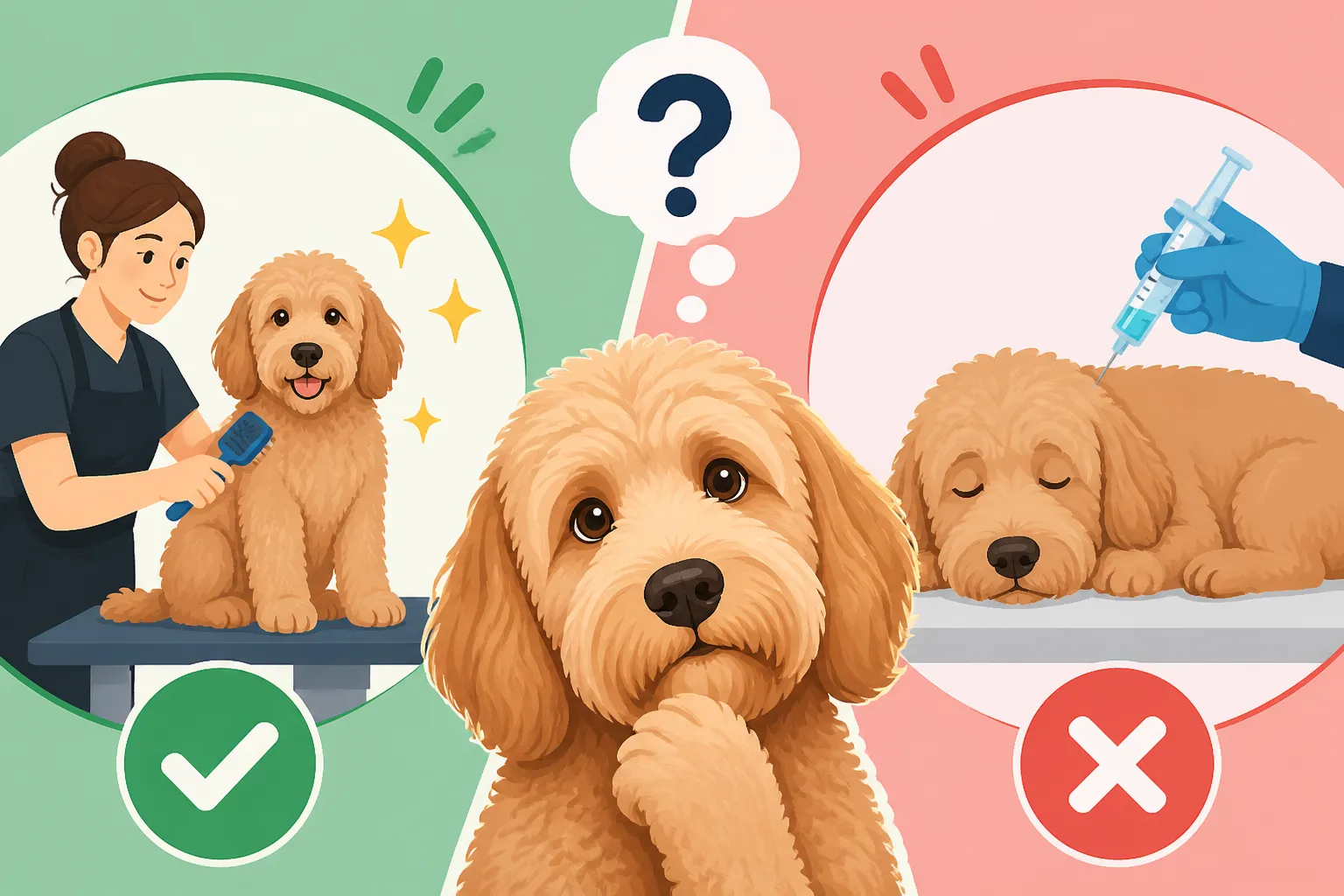
When all other avenues seem exhausted, and your Labradoodle's grooming needs are unmet due to extreme fear or aggression, sedation might come up as a possible solution. It’s a serious consideration, and one that should never be taken lightly or pursued without professional veterinary guidance. Sedation is not a magic bullet, nor is it without its own set of risks and ethical considerations.
The Veterinarian's Role in Assessing Need
Let's be absolutely clear: the decision to sedate a dog for grooming is a medical one, made by a licensed veterinarian. A groomer, no matter how experienced, cannot and should not administer sedatives. If your dog's grooming anxiety is so severe that you're considering sedation, your very first step should be a comprehensive consultation with your vet. They will perform a full physical examination, discuss your dog's history, and may recommend bloodwork to ensure there are no underlying health issues that could make sedation risky.
Your vet will assess whether your Labradoodle's fear or aggression is manageable through other means or if the stress of grooming without intervention truly outweighs the risks of sedation. They might prescribe a mild oral sedative for you to administer at home before a grooming appointment, or in severe cases, discuss full injectable anesthesia to allow for a complete, stress-free groom. This isn't just about making the groomer's job easier; it's about preventing extreme psychological distress and potential injury to your dog or the groomer when all other options have been exhausted. Conditions like Life on Daily Medication for an Addisonian Labradoodle or other chronic health issues would require careful consideration by the vet before any sedatives are administered.
Risks and Considerations of Sedation
While sometimes necessary, sedation and anesthesia carry inherent risks, which is why they are not a first resort. These risks can range from mild side effects to more serious complications. Common side effects of oral sedatives might include drowsiness, disorientation, and sometimes even paradoxical excitement where the dog becomes more agitated instead of calmer. More potent injectable sedatives or general anesthesia can carry risks such as respiratory depression, drops in blood pressure, adverse reactions to the drugs, and prolonged recovery times.
Before any sedation, your vet will likely recommend pre-anesthetic blood tests to check organ function, especially liver and kidneys, as these organs process the medications. For older Labradoodles, or those with known heart conditions, additional diagnostics might be necessary to ensure they are fit for sedation. It’s a calculated risk, weighing the dangers of the procedure against the welfare implications of leaving a severely matted or otherwise unkempt dog. Understanding these risks fully and discussing them with your vet is crucial to making an informed decision for your Labradoodle's health and safety.
Alternatives to Full Sedation for Grooming
The good news is that for many Labradoodles, full sedation can be avoided by exploring alternative strategies and medical aids. Your vet might suggest milder anti-anxiety medications or supplements that can take the edge off your dog's fear without rendering them unconscious. These are often used as part of a larger desensitization and counter-conditioning plan, helping your dog to be more receptive to positive training. Think of it as taking the volume down on their anxiety, so they can actually hear and respond to positive reinforcement.
Beyond prescription medications, there are many over-the-counter calming supplements, pheromone diffusers, and calming chews available. Products like those you might find on Amazon can include ingredients like L-theanine or chamomile, which some owners find helpful for mild anxiety. While these are not substitutes for professional veterinary advice, they can be part of a multi-pronged approach. Finding a groomer who specializes in fearful or anxious dogs, who takes their time, uses positive reinforcement, and creates a calm environment can also make a world of difference, often making sedation unnecessary. Some groomers even offer "express grooms" or shorter, more frequent appointments to minimize stress, or you might consider a mobile groomer who brings the salon to your quiet home.
Strategies for a Stress-Free Grooming Future (Without Sedation)
The ultimate goal for most Labradoodle owners is to have a dog that tolerates, or even enjoys, grooming without the need for medical intervention. While it takes patience and consistency, building positive associations and finding the right support can make a world of difference. It's an investment in your dog's lifelong well-being, and one that truly pays off in happier, healthier pups.
Building Positive Associations at Home
The foundation for stress-free grooming starts at home, long before your Labradoodle ever sees a professional groomer. It's all about desensitization and counter-conditioning. Start with incredibly short sessions – just a few seconds – and pair every touch, every brush stroke, every nail clip with high-value treats and calm praise. Touch their paws, immediately give a treat. Touch their ears, treat. Gently run a slicker brush over their back for two seconds, then treat. The goal is to create a powerful positive association: "Grooming tools mean delicious things!"
Introduce tools one by one. Let them sniff the brush, clippers (turned off), and nail file. Turn on the clippers or dryer in another room, very quietly, and offer treats. Gradually increase the proximity and duration. Focus on making it a game, not a chore. Many online resources and training programs, such as those offered by BAXTER & Bella, include comprehensive modules on cooperative care and grooming desensitization, providing step-by-step guidance and support. Consistency is key; a few minutes every single day is far more effective than one long, stressful session once a month. This slow, steady approach helps in Building a Labradoodle Up to a Long Grooming Session by creating a solid foundation of trust and comfort.
Finding the Right Groomer and Environment
Your choice of groomer can make or break your Labradoodle's grooming experience. Don't just pick the closest or cheapest option. Seek out groomers who have experience with fearful or anxious dogs, and specifically with doodles and their challenging coats. Ask questions: How do they handle a dog that's nervous? Do they use positive reinforcement? Can they do shorter, more frequent appointments to build confidence? Some groomers even offer specific desensitization sessions, where your dog can visit just to get treats and positive attention in the grooming environment, without any actual grooming being done.
Consider the environment itself. A busy, noisy salon can be overwhelming for an anxious dog. A mobile groomer who comes to your home might offer a quieter, more familiar setting, which can significantly reduce stress. Open communication with your groomer is vital. Be honest about your dog's challenges, and listen to their feedback. A good groomer will prioritize your dog's emotional well-being over getting a "perfect" haircut, knowing that a positive experience today means an easier groom tomorrow. Remember, a groomer's patience and understanding can often prevent the need for sedation, helping your Labradoodle overcome their fears.
Maintaining the Coat Between Professional Grooms
One of the biggest reasons grooming becomes a battle, often leading to considerations of sedation, is severe matting. Preventing mats is the single most important thing you can do to make grooming easier and less stressful for your Labradoodle. Their dense, curly coats are mat magnets, and once mats form, they are painful to remove and can require a very short shave, which many owners try to avoid.
Your daily routine should include thorough line brushing. This isn't just skimming the surface; it means systematically parting the fur and brushing from the skin out, ensuring no tangles are left behind. Pay special attention to common matting areas: behind the ears (see Mats Behind a Labradoodle's Ears), armpits, groin, and where harnesses rub. Invest in quality grooming tools – a good slicker brush and a metal comb (both widely available on Amazon) are indispensable. Regular bathing, followed by thorough drying (again, to the skin, not just the surface), also prevents mats and keeps the coat healthy. Learning Washing a Labradoodle Without Wrecking the Coat is crucial. The more diligent you are with home maintenance, the less painful and stressful professional grooms will be, and the less likely you'll ever need to consider sedation.
| Approach | Description | Pros | Cons | When to Consider |
|---|---|---|---|---|
| Full Sedation/Anesthesia | Administered by a vet, renders dog unconscious or deeply sedated for the duration of the groom. | Eliminates stress for severe cases, allows for thorough dematting/clipping without distress or injury. | Significant health risks (anesthetic complications), requires vet supervision, costly, no behavioral improvement. | Extreme fear/aggression where no other method works, severe matting causing pain, urgent grooming for medical reasons, when injury risk is high. |
| Prescription Anti-Anxiety Meds | Vet-prescribed oral medications taken before grooming, reduces anxiety but dog remains conscious. | Lowers anxiety, allowing dog to be more receptive to positive handling; fewer risks than full sedation. | Can have side effects, may not eliminate all fear, requires vet consultation, not a permanent fix on its own. | Moderate to severe anxiety; used in conjunction with behavioral modification and desensitization. |
| Behavior Modification & Desensitization | Gradual introduction to grooming tools/process, paired with positive reinforcement, at home and with groomer. | Addresses root cause of fear, builds long-term trust and comfort, drug-free, strengthens human-animal bond. | Requires significant time, patience, and consistency; may not be suitable for immediate, severe matting. | Mild to moderate anxiety; ideal for puppies and young dogs; essential component for all levels of anxiety to build lasting comfort. |
| Calming Supplements/Aids | Over-the-counter chews, pheromone diffusers, calming vests. | Non-invasive, widely available, can help with mild anxiety. | Efficacy varies widely, not suitable for severe fear or aggression, no substitute for professional vet/trainer. | Mild anxiety, as an adjunct to desensitization, for general stress reduction in combination with other strategies. |
Disclaimer
This article is for general informational purposes only and does not constitute professional advice. Laws, prices and regulations vary by location and change over time. Consult a qualified professional for guidance on your specific situation.