Whether a Labradoodle Can Be Trained for Diabetic Alert
Living with diabetes can be a constant tightrope walk, and for many, the thought of a furry companion providing an early warning for dangerous blood sugar fluctuations is more than just a dream – it's a lifeline. You might be wondering if your beloved Labradoodle, with their smarts and eager-to-please nature, could be trained for such a specialized and critical role as a diabetic alert dog. It's a question many Labradoodle owners ponder, balancing their dog's affectionate personality with the immense responsibility this kind of work demands. This guide is going to walk you through the realities, the possibilities, and the significant commitment involved in training a Labradoodle for diabetic alert, so you can make an informed decision about this life-changing path.
Understanding Diabetic Alert Dogs (DADs) and Their Role
Before we dive into whether a Labradoodle fits the bill, it’s crucial to understand what a Diabetic Alert Dog (DAD) actually does and why their job is so incredibly important. These aren't just pets; they are highly trained medical aids that provide vital support to individuals living with Type 1 or Type 2 diabetes, or other conditions causing blood sugar instability.
What DADs Actually Do
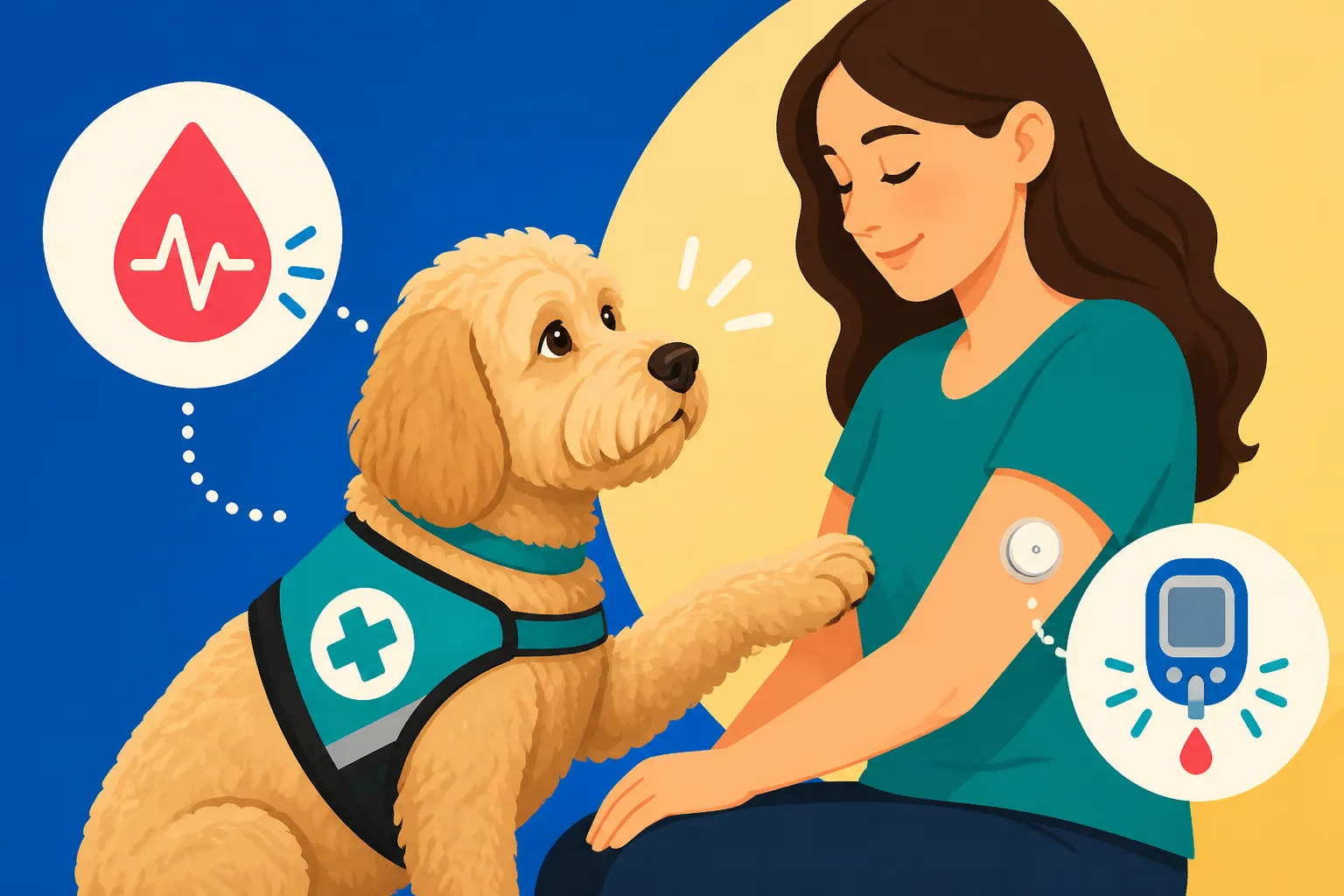
A DAD's primary function is to detect changes in their handler's blood sugar levels through scent and alert them before a crisis occurs. When blood glucose levels drop too low (hypoglycemia) or rise too high (hyperglycemia), it changes the chemical composition of a person's sweat and breath. These subtle shifts produce unique odors that are imperceptible to humans but can be keenly detected by a dog's incredible nose.
Imagine you're asleep, and your blood sugar is plummeting. A DAD might nudge you awake, paw at you, or even bring you a specific item like a glucose tab. During the day, they might alert you while you're focused on work or driving, preventing a dangerous situation. These alerts are not guesswork; they are based on a dog's ability to consistently identify specific scent markers associated with fluctuating glucose levels. It’s a truly remarkable partnership, demanding a dog with exceptional sensory perception and unwavering focus.
The Critical Nature of Their Work
The accuracy and consistency of a DAD's alerts are paramount. A missed alert for a severe low blood sugar event, especially overnight, could lead to unconsciousness, seizures, or even coma. Conversely, too many false alerts can cause alarm fatigue, leading a handler to distrust their dog, which undermines the entire purpose of the service. This isn't like teaching a dog to fetch a ball; it's about training them to respond to a life-threatening medical situation with reliable precision. The stakes are incredibly high, which means the training must be rigorous, thorough, and scientifically sound. It's not just about getting the dog to do something; it's about ensuring they understand the gravity of their task and perform it flawlessly, time and time again.
The Training Journey for a DAD
The journey to becoming a DAD is extensive and specialized, far beyond basic obedience. It starts with careful selection of a puppy with the right temperament, health, and drives. Then comes foundational socialization and obedience, often spanning the first year or more of the dog's life. Think about learning to sit and stay in a busy supermarket, ignoring dropped food, and remaining calm through unexpected noises. This is the bedrock. From there, the real specialized work begins: scent imprinting.
This involves training the dog to recognize the specific odor changes associated with hypoglycemia and hyperglycemia, using collected scent samples from the handler during high and low blood sugar events. The dog learns to associate these unique scents with a specific alert behavior, like a nose nudge, a stare, or even a particular bark. The training progresses in complexity, moving from controlled environments to real-world scenarios, ensuring the dog can perform their alerts reliably under any circumstance. This level of dedication requires thousands of hours of training, often over several years, by skilled professionals or highly committed owner-trainers with expert guidance. How Long Training a Service Labradoodle Takes is a topic that really underlines this commitment.
Labradoodle Traits and Suitability for Diabetic Alert Work
So, how does our beloved Labradoodle fit into this picture? They certainly bring a lot of potential to the table, but also some characteristics that need careful consideration for such a demanding role.
The Labradoodle Temperament
Labradoodles are often praised for their intelligence, friendly disposition, and eagerness to please. They are typically social dogs, thriving on human companionship and interaction, which is a fantastic foundation for a service dog that needs to be constantly attuned to its handler. Their Labrador Retriever heritage often provides a good "work ethic" and a desire to have a job, while the Poodle influence contributes to their sharp minds and ability to learn complex tasks. This combination can make them highly trainable and receptive to instruction.
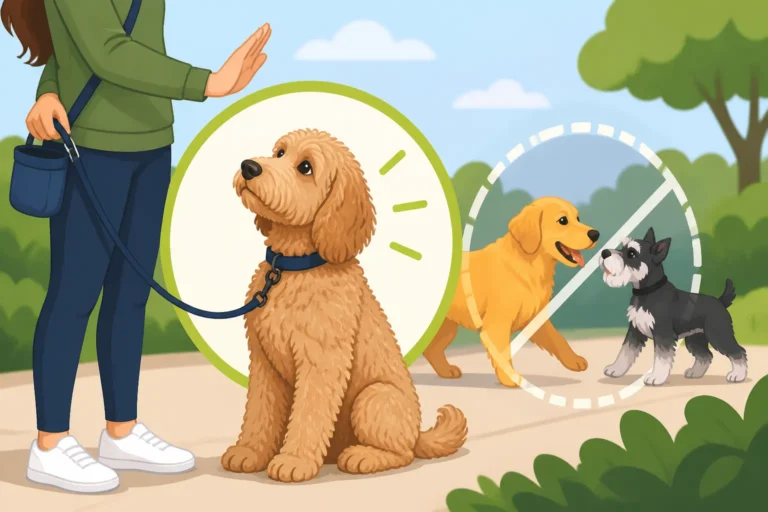
However, their social nature can also be a double-edged sword. A DAD needs to be focused solely on their handler, ignoring distractions like other people, dogs, or interesting smells. A Labradoodle that is too friendly or easily distracted by external stimuli might struggle with the intense focus required in public access settings. We love them for their goofy charm and playful spirit, but a DAD needs to be serious about their job, even when a child wants to pet them or another dog walks by. Temperament Testing a Labradoodle Puppy for Service is a critical step to ensure a puppy has the right innate qualities for this type of work.
Scenting Ability
One of the most crucial attributes for a DAD is an exceptional sense of smell. Here, the Labradoodle benefits significantly from its Labrador Retriever ancestry. Labradors are renowned for their incredible noses and are widely used in scent detection work, including search and rescue, narcotics detection, and even cancer detection. This innate ability to track and identify subtle odors is a strong advantage for a Labradoodle aspiring to be a DAD.
However, inheriting a good nose is just the starting point. The ability to detect a scent is different from the ability to discriminate between specific, often minute, changes in scent over a long period. A DAD isn't just sniffing out a general odor; they're identifying a specific chemical signature at varying concentrations, then associating that with an alert behavior. While the genetic predisposition is there, it still requires immense, targeted training to hone this natural talent into a reliable medical alert.
Trainability and Focus
Labradoodles are generally smart and eager learners, often excelling in obedience and dog sports. This trainability is definitely an asset when embarking on a complex training regimen. They enjoy working with their owners and respond well to positive reinforcement. For tasks requiring problem-solving and memory, their Poodle intelligence shines through.
The challenge, however, can sometimes lie in their energetic and sometimes exuberant nature. A Labradoodle might be intelligent, but can they sustain intense focus over long periods, especially in distracting environments? Some Labradoodles, particularly during their adolescence, can be prone to "doodle zoomies" or a tendency to get easily excited, which is charming at home but problematic in a public access service dog. Owners often find that Whether a Labradoodle Is Too Smart for a Novice can lead to them outsmarting their human if the training isn't consistent and engaging. Similarly, Whether a Labradoodle Gets Bored of Repetition can be a factor. DAD training involves a lot of repetitive scent work, and a dog that loses interest easily won't be successful. It's about finding that sweet spot where their intelligence is engaged, but their energy is channeled into disciplined focus.
The Challenges and Realities of Training a Labradoodle for Diabetic Alert
Training any dog to be a diabetic alert animal is a monumental undertaking, and while Labradoodles have many positive attributes, it's vital to be realistic about the challenges involved, especially if you're considering owner-training.
Specialized Scent Training
This isn't your average "sit" and "stay" class. Specialized scent training for DADs requires a scientific approach to conditioning the dog to specific human scent markers. This often begins with collecting scent samples from the diabetic individual during both high and low blood sugar events. These samples, often sweat or saliva, are carefully stored and then used in controlled training exercises. The dog learns to indicate the presence of these specific scents, typically by pawing, nudging, or staring at the handler.
The complexity intensifies when the dog needs to generalize this scent recognition to the handler's living scent, not just static samples. This means they need to detect the subtle changes directly from the handler's breath or body odor in real-time, under various conditions – while sleeping, during exercise, in different environments. This highly nuanced training demands a deep understanding of canine olfaction, operant conditioning, and an incredible amount of patience and consistency. While basic obedience platforms like BAXTER & Bella can provide excellent foundational skills, the leap to specialized medical alert scent work requires either an experienced professional trainer or an owner willing to dedicate years to learning and implementing highly advanced protocols.
Consistency and Reliability
This is where the rubber meets the road. A DAD isn't just a party trick; it's a medical device with a wagging tail. Their alerts must be consistently accurate and reliable. Imagine relying on your dog to wake you from a deep sleep for a dangerously low blood sugar reading. There's no room for error. Achieving this level of reliability involves meticulous record-keeping, constant practice, and ongoing evaluation. Dogs are not machines, and their performance can fluctuate due to health, stress, or even environmental factors.
For owner-trainers, maintaining this consistency can be incredibly difficult. Professionals dedicate their entire careers to this. An owner must not only train the dog but also learn to interpret their dog's subtle cues, manage their own medical condition, and ensure the dog's well-being and continued training. It's a full-time commitment that extends throughout the dog's working life, not just during puppyhood. If you're wondering Whether an Owner Can Train Their Own Service Labradoodle, know that it's a path for the truly dedicated, and often benefits greatly from professional oversight.
Time and Financial Investment
Whether you go through a program or attempt owner-training, the time and financial investment for a DAD are substantial.
| Aspect | Owner-Training with Professional Guidance | Professional Program |
|---|---|---|
| Time Commitment | Extensive daily commitment: Hundreds to thousands of hours over 1-3 years for initial training, plus ongoing maintenance. Involves daily practice sessions, public access training, and managing scent collection. | Significant wait times & integration period: While daily training isn't on the owner, there's a lengthy waiting list (often 1-3 years or more) and an intensive "team training" period (1-3 weeks) where the handler learns to work with the already-trained dog. |
| Financial Cost | Variable but considerable: Includes puppy purchase (ensure health testing, see The Health Tests a Labradoodle Breeder Should Show), vet care, food, equipment (leashes, vests, clickers – readily available on platforms like Amazon, but still add up), and crucial professional trainer fees for specialized DAD instruction. What Owner Training a Service Labradoodle Costs can still reach tens of thousands of dollars over the dog's lifetime, even without a program's upfront fee. | Highest upfront cost: Typically ranges from tens of thousands of dollars, reflecting the immense investment in breeding, raising, training, and matching the dog. This often includes follow-up support. What a Program Trained Assistance Labradoodle Costs makes it clear this is a significant financial outlay. |
| Training Focus | Blends general obedience, socialization, and highly specialized scent work. Requires the owner to become a skilled trainer themselves. | Primarily focused on the dog's medical alert duties, public access, and handler safety. The program manages the training curriculum and execution. |
| Support System | Often relies on a network of private trainers, online resources, and self-education. | Comprehensive post-placement support, follow-up visits, and access to expert advice for the dog's working life. |
Many owners initially underestimate the sheer volume of work, especially when it comes to the highly specialized scent work and public access training required for a DAD. It's not just about teaching a dog to perform tasks; it's about conditioning them to handle complex environments and situations flawlessly.
Options for Obtaining a Diabetic Alert Labradoodle
Given the challenges, it's clear that acquiring a DAD, Labradoodle or otherwise, is not a decision to be taken lightly. You essentially have two main paths, each with its own set of considerations.
Professional Service Dog Programs
For many, the most reliable route to obtaining a DAD is through a reputable professional service dog program. These organizations specialize in breeding, raising, and training dogs specifically for medical alert and other assistance roles. They invest years in a dog's development, ensuring they have the right temperament, health clearances, and skills for the job.
Pros:
- High Reliability: Dogs from these programs are extensively vetted and trained to a high standard, increasing the likelihood of reliable alerts.
- Expert Matching: Programs carefully match dogs with handlers based on lifestyle, medical needs, and personality, ensuring a good partnership.
- Comprehensive Support: Most programs offer ongoing support, follow-up training, and resources for the life of the service dog team.
- Public Access Training: These dogs are typically thoroughly trained in public access, minimizing stress and ensuring proper behavior in all environments.
Cons:
- Significant Cost: As we've discussed, the What a Program Trained Assistance Labradoodle Costs is substantial, often in the tens of thousands of dollars, reflecting the immense investment made in each dog.
- Long Waitlists: Demand often far outstrips supply, leading to wait times of several years for a fully trained DAD.
- Limited Choice of Breed: While some programs may work with Labradoodles, they often use a variety of breeds selected for specific traits.
If you choose this path, thoroughly research programs, ask for references, and understand their training methodologies and support systems.
Owner-Training with Professional Guidance
This path involves selecting a puppy yourself and undertaking the training with the help of professional service dog trainers specializing in medical alert work. This is a journey for highly motivated and dedicated individuals.
Pros:
- Bonding from Puppyhood: You get to raise and bond with your Labradoodle from a young age, tailoring their training to your specific needs.
- Potentially Lower Upfront Cost: While still expensive, the initial outlay may be less than a program, though ongoing trainer fees can add up. What Owner Training a Service Labradoodle Costs is still significant.
- Greater Control over Training: You have more direct input into the training methods and pace.
Cons:
- Immense Time Commitment: This is arguably the biggest challenge. You are responsible for all aspects of training, socialization, and public access, which can be thousands of hours of work.
- High Risk of Failure: Without deep expertise, it's easy to make mistakes that can compromise the dog's ability to perform critical alerts reliably. Not every dog, even a well-bred Labradoodle, is cut out for service work, and missteps in training can derail even the best candidates.
- Difficulty in Achieving Consistency: Maintaining the medical-grade consistency required for DAD work is incredibly difficult for an owner-trainer, especially when facing their own health challenges.
- Finding Qualified Trainers: It's crucial to find a trainer with specific experience in DAD training, not just general obedience.
If you consider owner-training, prioritize selecting a puppy with ideal temperament and health. Look into breeders who perform The Health Tests a Labradoodle Breeder Should Show and have a history of producing stable, biddable dogs. Investing in comprehensive online programs like BAXTER & Bella can provide an excellent foundation for general obedience and socialization, but remember that specific scent training will require additional expert guidance. You might use Amazon to purchase many of the necessary training tools, but the real expertise comes from specialized professionals.
The Importance of Health and Temperament Screening
Regardless of the path you choose, the health and temperament of the individual Labradoodle are paramount. Not every dog, even from a well-bred line, is suitable for the immense pressure and responsibility of service work. A DAD needs to be:
- Physically Sound: Free from genetic health issues that could impact their ability to work long-term. This includes screenings for hip and elbow dysplasia, eye conditions like PRA, and other breed-specific concerns such as Addison's Disease.
- Emotionally Stable: Calm, resilient, and confident in all environments, not prone to anxiety, fear, or aggression. They must be able to ignore distractions and remain focused on their handler.
- Biddable and Motivated: Eager to please, highly motivated by rewards, and possessing a strong desire to work. They need to be intelligent enough to learn complex tasks but not so independent that they decide to "freelance" their alerts.
A Labradoodle certainly can possess these qualities, making them a viable candidate for diabetic alert work. However, it requires an extremely diligent selection process and a significant commitment to specialized training. The idea that any Labradoodle can simply be taught to be a DAD is a misconception; it truly takes a special dog and a dedicated team behind them.
Disclaimer
This article is for general informational purposes only and does not constitute professional advice. Laws, prices and regulations vary by location and change over time. Consult a qualified professional for guidance on your specific situation.