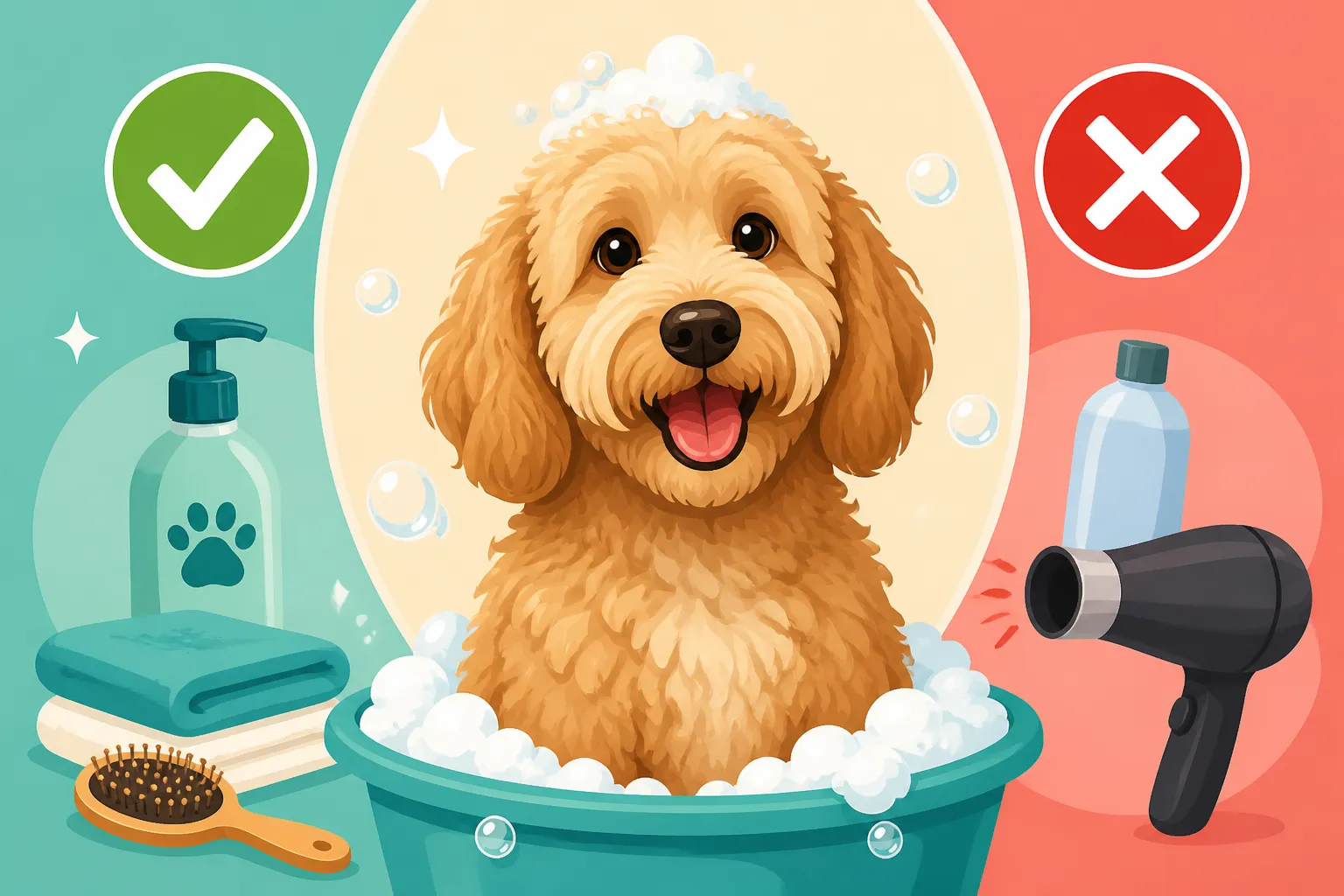
Washing a Labradoodle Without Wrecking the Coat
Oh, the Labradoodle bath! It sounds simple enough, right? Just get them wet, lather up, rinse, and you're done. But if you're a Labradoodle owner, you know the terrifying truth: a bath can quickly turn into a matted nightmare, leaving your beloved companion looking like a felted wool rug instead of a fluffy, happy dog. This guide is here to rescue you from that frustration, offering a step-by-step approach to washing your Labradoodle properly and preserving that gorgeous, low-shedding coat.
Understanding Your Labradoodle's Unique Coat
Before you even think about turning on the water, it's crucial to understand why washing a Labradoodle requires a different approach than, say, a smooth-coated Labrador. Their unique blend of Poodle and Labrador genetics gives them a coat that, while often celebrated for being low-shedding and allergy-friendly, also demands a specific kind of care. Ignoring these nuances is a sure-fire way to end up with a tangled mess that only a professional groomer with industrial shears can fix.
The Different Labradoodle Coat Types and Their Challenges
Labradoodles come in a few distinct coat types, and each one presents its own set of challenges when it comes to bathing and drying. You might have a "hair" coat, which is often more like a Labrador's coat and tends to shed, but is generally easier to wash and dry. Then there's the much-desired "fleece" coat, which is soft, wavy, or spiraling, and feels like angora. This coat is typically low-shedding but an absolute magnet for tangles. Finally, some Labradoodles have a "wool" coat, which is dense and curly, much like a Poodle's, and while it rarely sheds, it's the most prone to felting and matting, especially when wet and improperly dried. Understanding which type your Labradoodle has is the first step in knowing what you're up against. For more details on these variations, check out The Three Labradoodle Coats: Hair, Fleece and Wool.
The fleece and wool coats are particularly problematic because their texture — those soft waves and tight curls — means individual hairs easily intertwine. When water is added, especially without prior detangling, these hairs shrink and tighten, forming dense mats that pull on the skin. It’s like trying to wash a tangled ball of yarn; the more you agitate it, the worse it gets. Knowing your dog's coat type helps you anticipate potential issues and adjust your bathing strategy accordingly.
Why Matting is a Labradoodle Owner's Worst Nightmare
Matting isn't just an aesthetic issue; it's a serious welfare concern for your Labradoodle. Mats form when loose and live hairs get tangled together, creating tight clumps. These clumps can pull on the skin, causing discomfort, pain, and even skin infections because air can't circulate. When mats get wet, they tighten even further, effectively cementing themselves into place. Trying to wash a matted dog will only exacerbate the problem, making the mats virtually impossible to brush out without causing extreme pain or resorting to shaving.
Imagine wearing a tight sweater that’s constantly tugging at your skin, causing painful friction and irritation. That's what severe matting feels like for your dog. Beyond the physical discomfort, a matted coat can hide parasites, skin conditions, and even injuries that go unnoticed. It’s why groomers often have a "no brush-out" policy for severely matted dogs and recommend shaving them down for their comfort and health. Preventing matting during a bath is paramount, not just for maintaining your Labradoodle's beautiful appearance but for their overall well-being.
Pre-Bath Prep: The Non-Negotiable First Step
If you take one thing away from this guide, let it be this: never wash a matted Labradoodle. Period. The pre-bath preparation is, arguably, more important than the bath itself when it comes to preventing coat disaster. Skipping this step is like trying to untangle a ball of string after it's been soaked in glue and dried. It simply won't work, or at least not without a lot of heartache for both you and your dog.
The Essential Tools for Detangling and Brushing
Having the right tools is half the battle. You wouldn't try to sculpt a masterpiece with a dull butter knife, and you shouldn't try to groom a Labradoodle with the wrong brush. For effective pre-bath grooming, you'll need a high-quality slicker brush, a sturdy metal comb (preferably one with both wide and fine teeth), and possibly a detangling spray. The slicker brush is excellent for getting through the bulk of the coat and separating individual hairs, while the metal comb is your secret weapon for checking for mats down to the skin. I’ve found that investing in good quality brushes, often found on platforms like Chewy or Amazon, makes a huge difference in how smoothly grooming goes. Don't cheap out here; a flimsy brush will only pull and irritate your dog. For more on essential grooming tools, see The Slicker, Rake and Comb a Labradoodle Takes.
A good detangling spray can also be invaluable, especially for thicker or more prone-to-matting coats. These sprays lubricate the hair, making it easier for your brush and comb to glide through knots without causing pain. Remember, the goal is to work with the coat, not against it. Having these tools ready before you even consider running the bath will set you up for success.
How to Thoroughly Line Brush Your Labradoodle Before Getting Wet
Line brushing is the technique that makes all the difference for Labradoodles. It's not just running a brush over the top coat; it’s systematically brushing through every layer of hair, down to the skin. To do this, you'll start at the bottom of your dog (like their feet or legs) and create a horizontal "part" in their coat. You then hold the top layer of hair up and out of the way, exposing a thin strip of undercoat. Brush that strip from the skin outwards, making sure your brush reaches all the way to the base of the hair. Once that strip is tangle-free, drop a little more hair from the top layer and repeat the process, working your way up your dog's body.
This meticulous method ensures that no hidden mats are left behind. After brushing a section with your slicker, always follow up with your metal comb. If the comb glides through the hair from skin to tip without resistance, you've done it correctly. If the comb catches, go back with your slicker brush until it passes through smoothly. This process can take a significant amount of time, sometimes 30-60 minutes or even longer for a densely coated Labradoodle, but it is absolutely non-negotiable before a bath. Find more details on this technique in Brushing a Labradoodle to the Skin, Not the Surface.
Dealing with Mats Before the Bath
Despite your best efforts, you might find a mat or two during your pre-bath line brushing. The key is to address these before they get wet. If it's a small, loose mat, you can often work it out gently with your fingers, then follow up with a slicker brush and comb. Hold the base of the hair near the skin to prevent pulling, and tease the mat apart from the ends inward. A detangling spray can be a huge help here.
For tighter mats, you might need a mat splitter or a blunt-nosed scissor to carefully cut into the mat, not through it. The idea is to break the mat into smaller sections that are easier to brush out. Always be incredibly cautious when using scissors near your dog's skin, as it's very easy to accidentally cut them. If a mat is very tight, close to the skin, or if your dog is showing signs of discomfort, it’s always best to leave it to a professional groomer. They have specialized tools and experience to remove mats safely without injuring your dog. Remember, mats often form in specific areas like behind the ears, in the armpits, and around the tail. These are areas to pay extra attention to. Where Mats Form First on a Labradoodle offers great insights into common problem zones.
The Bathing Process: Gentle Cleansing for a Happy Coat
Once your Labradoodle is thoroughly brushed out and completely free of mats, you're ready for the actual bath. The goal here is to clean the coat effectively without causing new tangles or stripping the natural oils that keep their skin healthy. It’s a delicate balance, and rushing through it can undo all your diligent pre-bath work.
Choosing the Right Shampoo and Conditioner
Selecting the right products is crucial for maintaining your Labradoodle's coat health. Avoid harsh shampoos with strong detergents or artificial fragrances, which can dry out their skin and coat, leading to irritation and further matting. Look for shampoos specifically designed for dogs with sensitive skin or long, curly coats. Hypoallergenic, oatmeal-based, or gentle conditioning shampoos are often excellent choices. You might also consider a shampoo with a built-in conditioner or follow up with a separate canine conditioner, especially for fleece and wool coats. Conditioners help to smooth the hair cuticles, making the coat less prone to tangling and easier to brush post-bath.
Many brands offer excellent dog-specific grooming lines. When choosing, consider your dog's specific needs—do they have dry skin? Are they prone to itching? Read reviews and look for ingredients that promote skin and coat health. Sometimes, a gentle human shampoo (like baby shampoo) can be used in a pinch, but dog-specific products are formulated with the correct pH balance for canine skin. Online retailers like Chewy or Amazon offer a vast selection, and you can often find reviews from other Labradoodle owners. You'll find more recommendations in Shampoos That Suit a Labradoodle's Coat.
Techniques for Wetting and Lathering Without Matting
The way you wet and shampoo your Labradoodle can significantly impact whether you end up with mats. Start by thoroughly wetting their entire coat with lukewarm water. Use a showerhead or a spray nozzle on a low setting, making sure the water penetrates all the way to the skin. Avoid simply pouring water directly onto their back, as this can flatten the coat and make it harder for the water to reach underneath. Instead, work section by section, gently squeezing the water into the coat.
Once wet, apply a small amount of shampoo and gently massage it into the coat. Do not scrub vigorously or use circular motions, as this is a common culprit for matting. Instead, use long, downward strokes, working the shampoo through the coat in the direction the hair grows. Start at the neck and work your way down the body, making sure to get the legs, belly, and tail. For areas prone to matting like armpits or behind the ears, be extra gentle, almost "squeezing" the shampoo into the hair rather than rubbing. A diluted shampoo (mixed with water in a separate bottle) can help it spread more easily without requiring excessive scrubbing.
Rinsing Thoroughly: The Key to Preventing Skin Irritation
Rinsing is just as important as washing, if not more so. Any shampoo residue left on the skin can cause irritation, itching, and flakiness, which can lead to your Labradoodle scratching and potentially creating new tangles or hot spots. Rinse, rinse, and then rinse again! Start from the head and work your way down, ensuring the water runs clear from all parts of the coat.
Pay close attention to areas where shampoo tends to accumulate, such as the armpits, groin, and under the tail. Run your fingers through their coat to feel for any slickness, which indicates leftover shampoo. Continue rinsing until you feel absolutely no slipperiness and the water draining from their coat is completely clear. This thorough rinsing not only prevents skin issues but also ensures their coat feels light and clean once dry.
Drying Your Labradoodle: The Most Critical Stage
If pre-bath brushing is the foundation, then proper drying is the framework that prevents your Labradoodle's coat from collapsing into a matted mess. This stage is where many owners make mistakes that lead to tangles, even after a perfectly executed wash. Simply letting a Labradoodle air dry is often a recipe for disaster, especially for fleece and wool coats.
Towel Drying and Initial Moisture Removal
After rinsing, the first step is to gently remove as much excess water as possible with towels. Instead of vigorously rubbing, which can create knots and static, gently squeeze and pat the water out of their coat. You can wrap your Labradoodle in a large, absorbent towel and give them a good hug, allowing the towel to soak up the moisture. You might need several towels for a larger or more densely coated dog.
The goal here is to get them to a "damp" stage rather than soaking wet. This initial towel drying makes the subsequent steps much more efficient and comfortable for your dog. Pay attention to their ears, which can hold a surprising amount of water and lead to ear infections if not dried properly. Drying a Labradoodle's Ears Properly has some excellent tips for this.
The Power of the Force Dryer: Why it's a Game-Changer
For Labradoodles, especially those with fleece or wool coats, a high-velocity force dryer (also known as a blaster dryer) is an absolute game-changer and, honestly, an essential tool. These dryers blow warm (not hot) air at a high speed, effectively "blasting" water out of the coat while simultaneously straightening and fluffing the hair. This action prevents the hairs from curling back on themselves and forming mats as they dry. Using a force dryer vastly reduces drying time and is the most effective way to ensure a tangle-free, fluffy finish. While the initial investment might seem a bit much, it will save you countless hours of brushing, potential grooming bills for de-matting, and a lot of frustration.
When using a force dryer, keep the nozzle moving constantly to avoid concentrating heat in one spot. Start on a lower setting to get your dog used to the noise and sensation, and always ensure the air isn't too hot. Work systematically, section by section, brushing as you go. Many owners find it helpful to brush against the grain of the hair with a slicker brush while drying, which helps to separate the coat and get maximum airflow. Online retailers like Amazon and Chewy offer a range of force dryers for home use, and many Labradoodle owners swear by them. If you're wondering if the cost is justified, read Whether a Home Force Dryer Pays for Itself.
Finish Brushing and Final Fluff
Even after using a force dryer, your Labradoodle's coat might still feel slightly damp or have a little curl left. This is where you bring back your slicker brush and metal comb for the final stage of drying and finishing. As the coat continues to dry, brush through it again, ensuring every section is completely smooth and fluffy. This final brushing helps to remove any residual tangles that might have formed and ensures an even, soft finish.
Continue to line brush as you dry, making sure you can run your metal comb all the way from the skin to the tip of the hair in every area. This meticulous approach guarantees that when your Labradoodle is completely dry, their coat will be soft, flowing, and absolutely free of tangles. It might be tempting to skip this step once they look mostly dry, but resist the urge! This last pass is crucial for preventing those pesky, deep-seated mats from forming as the coat settles. Your Labradoodle will not only look fantastic but also feel much more comfortable.
Post-Bath Care and Maintenance
Congratulations! You've successfully navigated the Labradoodle bath without wrecking the coat. But the work isn't entirely done when they hop out of the tub and dry off. Maintaining that beautiful, tangle-free coat requires ongoing care between baths. Think of it as a marathon, not a sprint. Consistent grooming habits will keep your Labradoodle comfortable and looking their best, making future bath times much less daunting.
Regular Brushing Schedule Between Baths
The most important aspect of post-bath care is maintaining a consistent brushing schedule. For most Labradoodles, especially those with fleece or wool coats, this means brushing at least 2-3 times a week, if not daily for some. This frequent brushing prevents small tangles from escalating into full-blown mats. Even if your dog's coat doesn't look matted, loose hairs can quickly intertwine and create problems beneath the surface.
Again, remember the line brushing technique. It's not just for pre-bath; it's your everyday go-to. A quick five-minute surface brush simply won't cut it for a Labradoodle. Make grooming a positive experience for your dog with treats and praise, and they'll come to tolerate, or even enjoy, their regular brushing sessions. Consistency is truly the secret to a happy, healthy Labradoodle coat. If you're wondering about the ideal frequency, How Many Times a Week a Labradoodle Needs Brushing offers great advice.
Addressing Problem Areas
Certain areas on your Labradoodle are notorious for matting more quickly than others. These include behind the ears, in the armpits, under the collar, on the rump, and around the tail. These spots experience more friction or tend to hold moisture, making them prime real estate for tangles. When you're doing your regular brushing, dedicate extra time and attention to these "hot spots."
It's a good habit to quickly check these areas daily, especially after walks or playtime where they might pick up debris. If you find a small tangle, address it immediately with your comb and slicker brush before it has a chance to tighten. Don't wait until it's a full-blown mat. Proactive attention to these problem areas can prevent a lot of headaches down the road. You can find more targeted advice on specific matting zones in Mats in a Labradoodle's Armpits and Mats Behind a Labradoodle's Ears.
When to Seek Professional Grooming Help
Even with the best intentions and diligent home care, there will be times when professional grooming help is invaluable. If you're struggling to keep up with your Labradoodle's coat, or if you discover mats that are too tight or extensive for you to comfortably and safely remove, a professional groomer is your best friend. They have specialized tools, techniques, and experience to handle even the most challenging coats.
Think of a professional groomer not as a last resort, but as a partner in your Labradoodle's care. Regular professional grooms, typically every 6-8 weeks depending on coat type and length preference, can keep your dog's coat in optimal condition, making your home maintenance much easier. Don't feel guilty if you need to call in the pros; it's a responsible choice for your dog's comfort and health. Remember, a professional groomer's goal is to make your dog look and feel good, and they are experts at doing so without causing undue stress or injury. If you’re curious about what a full groom might entail, especially for a wool-coated Labradoodle, check out What a Full Groom Costs on a Wool Coated Labradoodle.
| Coat Type | Brushing Frequency | Drying Recommendation | Matting Tendency | Key Challenge |
|---|---|---|---|---|
| Hair Coat | 1-2 times/week | Towel/Air Dry | Low | Can shed more, less "doodley" look |
| Fleece Coat | 2-3 times/week | Force Dryer preferred | Medium-High | Tangles easily, especially when damp |
| Wool Coat | Daily | Force Dryer essential | Very High | Felts quickly, very prone to matting when wet |
Disclaimer
This article is for general informational purposes only and does not constitute professional advice. Laws, prices and regulations vary by location and change over time. Consult a qualified professional for guidance on your specific situation.