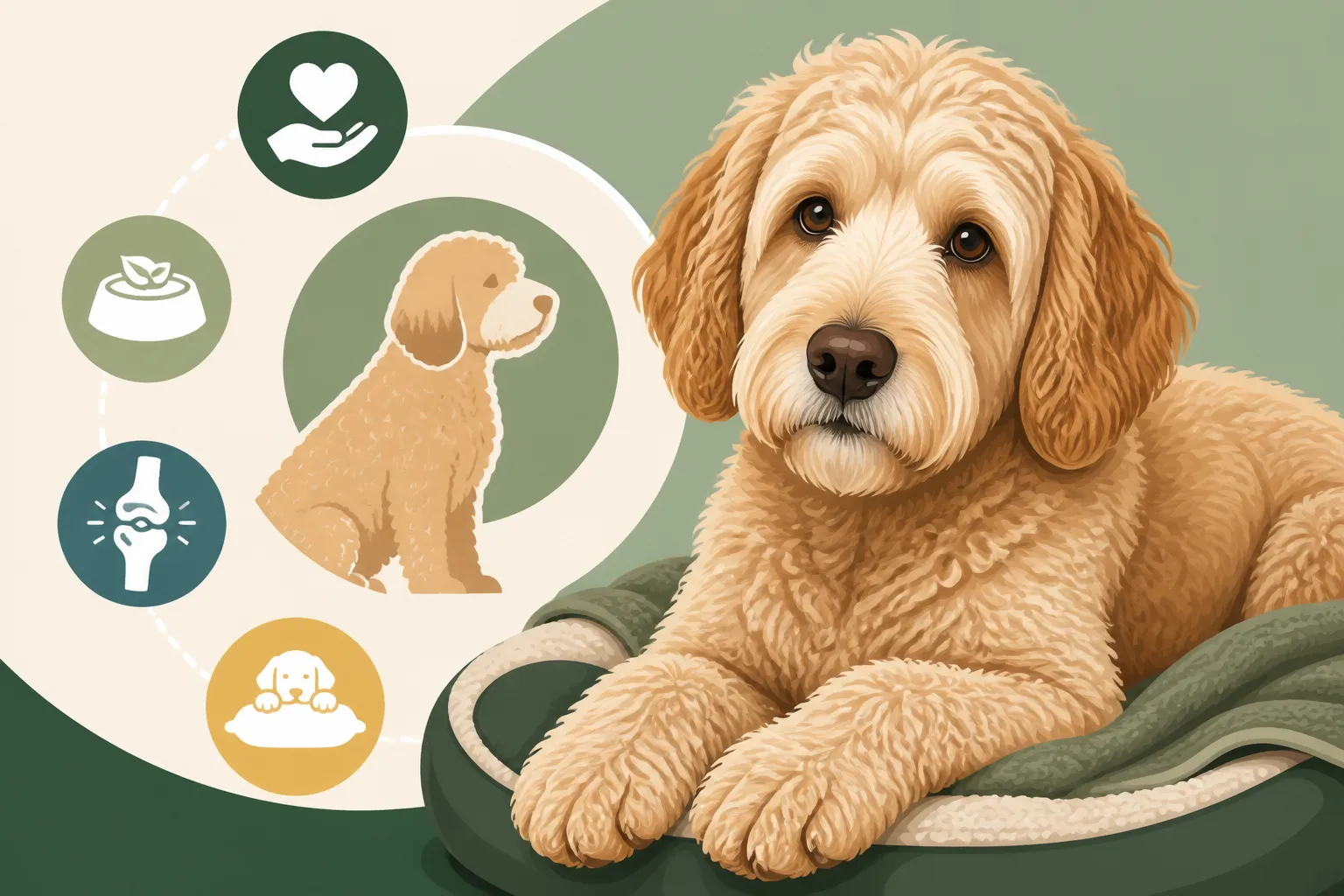
Caring for a Labradoodle Past Ten
Watching your beloved Labradoodle gracefully enter their senior years is a bittersweet journey. You see the wisdom in their eyes, the slower pace, and perhaps a few more naps, but you also start noticing the subtle aches, the changes in their routine, and the nagging worry that comes with an aging companion. This comprehensive guide is here to walk you through the nuances of caring for your Labradoodle once they've hit that magical double-digit milestone, helping you ensure their golden years are as comfortable, happy, and healthy as possible.
Understanding the Aging Labradoodle: What to Expect
It's easy to think of our dogs as perpetually youthful, but just like us, Labradoodles experience significant changes as they age. Typically, a Labradoodle is considered senior around 8-10 years old, though this can vary slightly depending on their size, with larger dogs often showing signs of aging a bit sooner than their miniature counterparts. Suddenly, the boundless energy you knew might be replaced by a more sedate demeanor, and their once-sharp senses may begin to dull. It’s not just about a few gray hairs; it’s a whole new chapter in their life that requires a mindful and compassionate approach.
Physical Changes You'll Notice
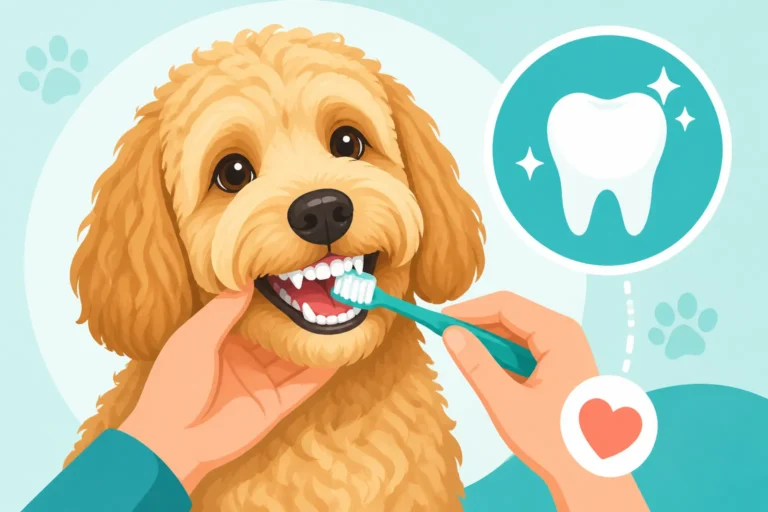
One of the most immediate changes you’ll observe is a general slowing down. That eager leap to greet you might become a more measured rise, and long walks might transform into shorter, more frequent strolls. You might notice their coat isn't quite as vibrant or might be What Changes in an Old Labradoodle's Coat, losing some of its elasticity or becoming a bit coarser. Their joints, after years of enthusiastic play, may become stiffer, leading to less agility or even a slight limp, especially after resting. This isn't just "getting old"; it's often the onset of conditions like arthritis, making simple movements like jumping into the car or climbing stairs a genuine effort. Their teeth might also show more wear and tear, and their breath might not be as fresh, signaling potential dental issues that become more prevalent with age. Keep a close eye on their weight too, as metabolism often slows, making them prone to gaining extra pounds even on the same diet.
Their senses might also start to wane. A once-alert Labradoodle might not hear you call them from another room, or they might bump into furniture in dimly lit spaces, indicating a decline in hearing or vision. It's not uncommon for senior dogs to develop Cataracts in a Middle Aged Labradoodle or other eye conditions that can impair their sight. You might find yourself repeating commands or needing to use hand signals more often. These changes can be frustrating for both you and your dog, as they try to navigate a world that feels a little less accessible than it used to. Understanding these shifts helps you modify their environment and routine to support them better, preventing unnecessary stress or injury.
Behavioral Shifts in Senior Labradoodles
Beyond the physical, there are often subtle, or sometimes not-so-subtle, behavioral shifts that accompany aging. Your once independent Labradoodle might become a true "Velcro dog," following you from room to room and seeking more reassurance. They might seem a bit confused in familiar environments, stare blankly at walls, or forget commands they’ve known their whole life. These can be early indicators of Canine Cognitive Decline in an Old Labradoodle, akin to dementia in humans. Their sleep patterns might also change; they might sleep more during the day but become restless or vocal at night. Some senior Labradoodles might even experience house-training lapses, not because they've forgotten, but due to weakened bladder control or simply forgetting where they are or how to signal their need to go out.
You might also observe changes in their interaction with other pets or family members. A previously gregarious dog might become less tolerant of boisterous puppies or young children, preferring peace and quiet. Conversely, some might become more withdrawn or even irritable if they are in pain. It's crucial to differentiate between normal aging behavior and signs of underlying health issues. A sudden change in behavior, like increased aggression or severe disorientation, warrants a trip to the vet. As empathetic owners, our role shifts to becoming keen observers, always ready to adjust our expectations and provide the extra comfort and patience an aging friend needs. Recognizing The Birthday a Labradoodle Counts as Senior helps us prepare for these changes rather than being caught off guard.
Nutritional Adjustments for Senior Labradoodles
Just like humans, a Labradoodle's dietary needs evolve dramatically as they age. What worked for a high-energy adult dog probably isn't ideal for a senior who spends more time napping. Metabolism slows, activity levels decrease, and specific health concerns, such as joint issues or kidney function, become more prevalent. It’s not just about reducing calories; it’s about providing targeted nutrition to support their changing body. This is a common area where owners can make a big difference in their senior dog's comfort and longevity.
Choosing Senior-Specific Diets
When your Labradoodle reaches the double-digit mark, it’s a good time to transition them to a high-quality senior dog food. These formulas are specifically designed with lower calorie counts to prevent The Weight a Labradoodle Puts On Without Anyone Noticing, as well as adjusted protein levels to support muscle mass without overworking their kidneys. Many senior diets also contain added beneficial ingredients like glucosamine and chondroitin, which are crucial for joint health and can help alleviate discomfort from conditions like arthritis. You'll find a wide array of options on platforms like Chewy, offering different brands and formulations to suit your dog's specific needs and preferences. Look for foods that emphasize easily digestible ingredients to support a more sensitive digestive system.
Beyond traditional kibble, consider options like fresh or gently cooked diets. Brands like Ollie offer customized meal plans that can be particularly appealing to older dogs who might have a reduced appetite or need softer textures due to dental issues. These fresh options often have higher moisture content, which is beneficial for hydration, especially if your senior Labradoodle isn't drinking as much water as they used to. Always introduce new foods gradually over a week or two to avoid stomach upset. A sudden change can be very disruptive to an older dog's sensitive digestive system, so patience is key. The goal is to provide nutrient-dense, palatable food that supports their overall health without adding unnecessary strain.
Managing Weight and Digestion
Weight management becomes paramount in a senior Labradoodle. Carrying extra pounds puts immense strain on already stiff joints, exacerbates arthritis, and can contribute to other health issues like diabetes and heart disease. Even a few extra pounds can significantly impact their comfort and mobility. Monitor their weight regularly and adjust portion sizes accordingly. If your Labradoodle is a notorious beggar, you might need to be extra vigilant and ensure family members aren't sneaking them too many treats. Sometimes, simply switching to a senior formula is enough, but often a slight reduction in overall food volume is necessary.
Digestive issues can also become more common. Older dogs might experience more gas, constipation, or diarrhea due to a less efficient digestive system. Fiber content in senior diets can help regulate bowel movements. Probiotics and prebiotics, either as supplements or incorporated into their food, can support a healthy gut microbiome. Ensure fresh water is always available, as hydration is vital for digestion and overall organ function. For Labradoodles with a The Deep Chest a Labradoodle Gets From the Poodle, bloat remains a concern throughout their lives, and older dogs might be more susceptible to stress or dietary changes that could contribute to it. Feeding smaller, more frequent meals can also aid digestion and reduce the risk of bloat, while ensuring they get adequate nutrition without feeling overly full.
Tailoring Exercise to an Older Labradoodle
The image of a Labradoodle joyfully bounding through a field might be what first drew you to the breed, but as they age, that boundless energy often mellows into a more sedate pace. This doesn't mean exercise stops; it simply means it needs to be adapted to their changing physical capabilities. Ignoring their need for activity can lead to muscle loss, stiffness, and boredom, while pushing them too hard can result in pain and injury. Finding that sweet spot is crucial for their physical and mental well-being in their later years.
Gentle Exercise and Mobility
For senior Labradoodles, the emphasis shifts from strenuous activity to gentle, consistent movement. Short, frequent walks are often more beneficial than one long trek. Instead of covering miles, focus on quality over quantity. A leisurely stroll around the block two or three times a day, allowing them to sniff and explore at their own pace, can be wonderfully enriching. Swimming, if your Labradoodle enjoys it and has no open wounds, is an excellent low-impact exercise that supports joints without the concussive stress of running or jumping. Always ensure the water is warm enough and they have easy entry and exit points.
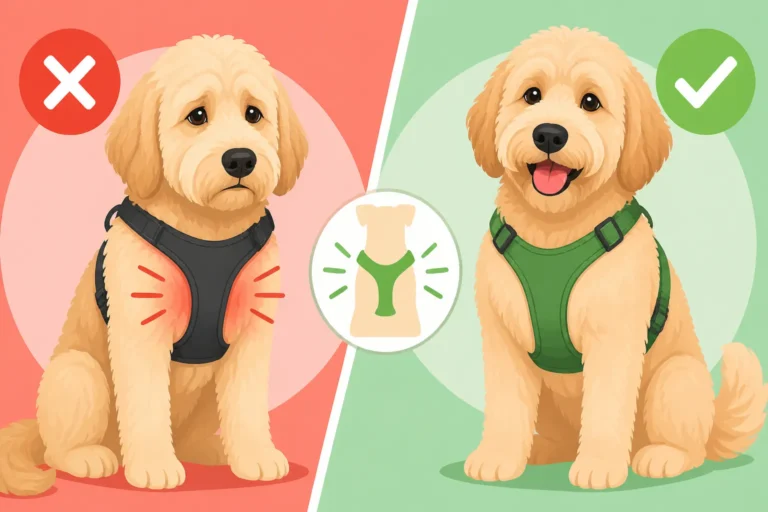
Consider introducing therapeutic exercises recommended by your vet or a certified canine physical therapist. These might include slow leash walks on varied surfaces, gentle stretches, or specific movements to improve range of motion in stiff joints. For dogs struggling with mobility, products like supportive harnesses or slings can help you assist them on stairs or when getting up. Platforms like Amazon offer a wide range of these aids, making it easier to support your dog without straining your own back. The goal is to keep them moving, maintain muscle tone, and prevent joints from seizing up, all while respecting their limitations.
Supporting Aches and Pains
It's a harsh reality that many senior Labradoodles will experience some form of joint pain or Arthritis in a Labradoodle at Ten. The signs can be subtle: a reluctance to jump, a slower pace on walks, difficulty rising after a nap, or even just a slight stiffness. Don't dismiss these as "just old age"; they often indicate discomfort that can be managed. Beyond gentle exercise, a multifaceted approach is often best. High-quality orthopedic beds, widely available on Chewy or Amazon, can provide much-needed support for their aging joints, ensuring a comfortable resting place.
Supplements like glucosamine, chondroitin, MSM, and Omega-3 fatty acids can play a significant role in reducing inflammation and supporting joint cartilage. Discuss these with your veterinarian, as they can recommend appropriate dosages and brands. In more severe cases, your vet might prescribe anti-inflammatory medications or other pain management strategies. Regular, gentle massage can also improve circulation and ease muscle tension. Remember, your Labradoodle can't tell you where it hurts, so it's up to us to observe their movements and behavior closely for any signs of discomfort. Providing a warm, comfortable environment, perhaps with heated beds or blankets during colder months, can also offer immense relief. Keeping an Old Labradoodle Comfortable in Winter is especially important.
Maintaining That Signature Labradoodle Coat
The Labradoodle's distinctive coat is one of its most beloved features, but it's also a high-maintenance affair, and this doesn't change as they age. In fact, caring for a senior Labradoodle's coat can present new challenges, as their skin may become more sensitive, and their willingness to cooperate with long grooming sessions might wane. Proper coat care is not just about aesthetics; it's vital for their comfort, skin health, and overall well-being.
Dealing with Coat Changes and Mats
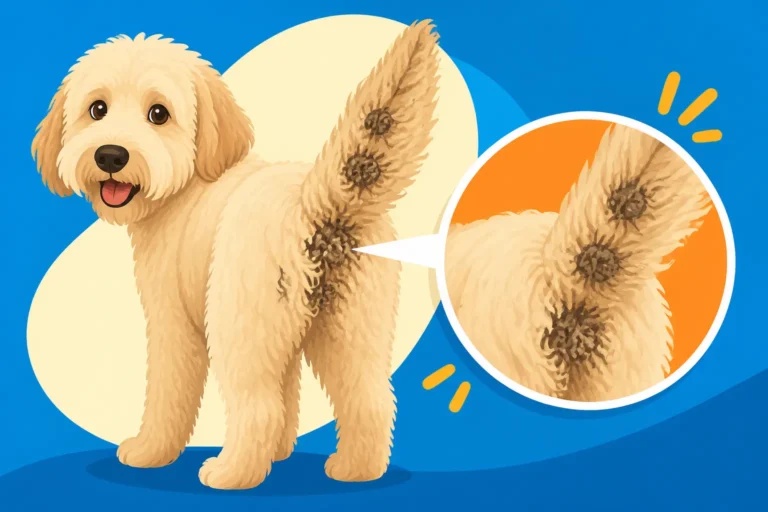
As your Labradoodle ages, their coat can undergo some changes. It might become thinner in places, coarser, or more prone to matting. Hormonal changes, nutritional deficiencies, or underlying health issues can all contribute to these shifts. You might find areas where the coat feels drier or where mats seem to form faster, especially in friction spots like behind the ears, armpits, and groin. Ignoring mats can lead to severe discomfort, skin infections, and even restrict movement. Regular, thorough brushing is still paramount, even if your dog isn't as active.
Line brushing remains the most effective technique for a Labradoodle's coat, ensuring you reach down to the skin. You might need to invest in a good quality slicker brush, a wide-toothed comb, and perhaps a dematting tool. If your senior Labradoodle finds long brushing sessions tiring, break them into shorter, more frequent sessions. Perhaps a few minutes each day while they are relaxed, rather than one intense weekly session. Be extra gentle, as their skin might be thinner and more sensitive. If you find significant matting, especially close to the skin, it's always best to consult a professional groomer rather than attempting to cut them out yourself, which can easily injure your dog. How Long Brushing a Labradoodle Takes Each Week might need to increase slightly, or at least become more focused.
Comfort-Focused Grooming
Grooming a senior Labradoodle needs to prioritize their comfort above all else. Long periods of standing or being handled can be stressful and painful for arthritic joints. If possible, consider shorter grooming appointments at a professional salon, or discuss mobile grooming services that come to your home, reducing travel stress. When grooming at home, choose a time when your dog is relaxed and well-rested. Provide a non-slip surface and use plenty of positive reinforcement, with gentle strokes and yummy treats.
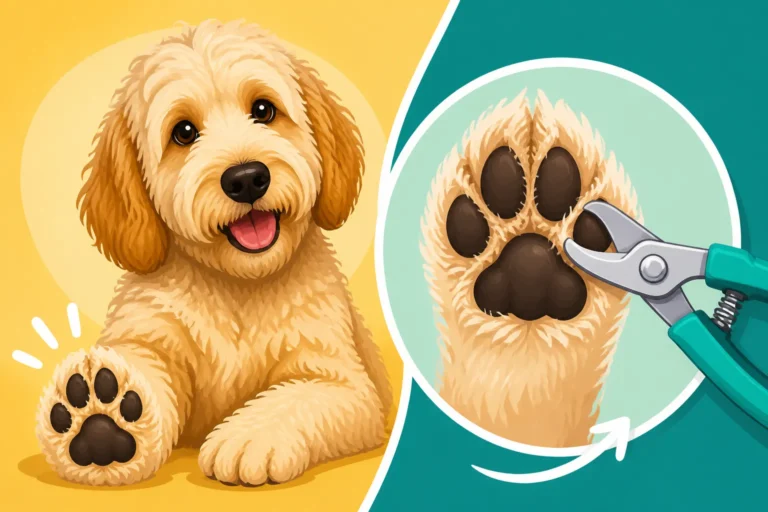
Focus on keeping their coat at a manageable length, which can significantly reduce matting and make home care easier. A professional groomer can suggest a comfortable "senior clip" that is practical and keeps them tidy without being too short or exposing sensitive skin. Pay special attention to areas like their paws, keeping the hair trimmed between their pads to prevent slipping and discomfort. Also, regularly check their ears, as older Labradoodles are still prone to Ear Infections Built Into a Labradoodle's Drop Ear, and keeping the ear canal clean and dry is vital. If your Labradoodle is struggling to stand for nail trims, discuss options with your vet or groomer, as overgrown nails can impact their gait and cause pain.
Proactive Health Management and Vet Care
One of the greatest gifts we can give our aging Labradoodles is proactive veterinary care. As they get older, the risk of various health conditions increases, and early detection is often key to effective management and maintaining their quality of life. Don't wait until something is obviously wrong; regular check-ups and open communication with your veterinarian are more important than ever.
Regular Senior Check-ups
When your Labradoodle passes the age of eight, it's generally recommended that they have veterinary check-ups at least twice a year, rather than the annual visits of their younger years. These "senior wellness exams" are more comprehensive and focus on age-related concerns. Your vet will perform a thorough physical examination, paying close attention to their joints, teeth, eyes, ears, and any lumps or bumps. They will likely recommend routine bloodwork, including a complete blood count (CBC), chemistry panel, and thyroid screening, to assess organ function (kidneys, liver) and detect any underlying conditions like Thyroid Failure in a Labradoodle or early signs of other systemic illnesses. Urine analysis is also commonly performed to check for kidney issues or urinary tract infections, which can sometimes go unnoticed.
These regular screenings can catch problems before they become advanced and harder to treat. For example, early detection of kidney disease through bloodwork allows for dietary changes and medication that can significantly slow its progression. Similarly, The Yearly Screening a Labradoodle Should Get often includes monitoring for specific conditions common in Labradoodles, such as Addison's disease or certain types of cancer. Don't hesitate to prepare a list of any changes you've observed at home – no matter how minor they seem – from their eating habits to their sleep patterns, as these details provide valuable clues for your vet.
Common Ailments and Early Detection
Beyond general aging, certain health conditions are more prevalent in senior Labradoodles. Joint diseases like arthritis are almost a given, so discussing pain management strategies with your vet is crucial. Dental disease can also become quite severe, leading to pain, difficulty eating, and even systemic infections, so regular dental checks and professional cleanings (if necessary and safe for your older dog) are vital. What a Labradoodle Owner Should Watch For After Eight also includes monitoring for subtle signs of conditions like diabetes, heart disease, or even certain cancers that can often be mistaken for normal aging. For instance, increased thirst and urination could indicate diabetes or kidney issues, while a new cough might point to heart problems.
| Common Senior Labradoodle Ailments | Key Signs to Watch For | Importance of Early Detection |
|---|---|---|
| Arthritis/Joint Pain | Stiffness, lameness, difficulty rising, reluctance to jump/climb stairs, favoring a limb. | Improves mobility, reduces pain, slows progression with medication, supplements, and physical therapy. |
| Dental Disease | Bad breath, difficulty eating, pawing at mouth, swollen gums, loose teeth. | Prevents pain, gum infections, and systemic health issues like heart or kidney disease caused by bacterial spread. |
| Kidney Disease | Increased thirst and urination, decreased appetite, weight loss, lethargy, vomiting. | Dietary changes, fluid therapy, and medications can extend life and improve comfort significantly by managing symptoms and slowing disease progression. |
| Hypothyroidism | Weight gain, lethargy, dull/thinning coat, intolerance to cold. | Easily managed with daily medication, improving energy levels, coat quality, and overall metabolism. |
| Cancer | New lumps/bumps, unexplained weight loss, changes in appetite, lethargy, chronic lameness, difficulty breathing/swallowing, non-healing sores. | Early diagnosis often means more treatment options (surgery, chemotherapy, radiation) and a better prognosis, improving quality of life and potentially extending lifespan. |
| Canine Cognitive Dysfunction | Disorientation, altered sleep cycles, reduced interaction, house-soiling, anxiety, repetitive behaviors. | Management with specific diets, supplements, and medications can slow progression and improve cognitive function, making their senior years more comfortable and less confusing. |
| Heart Disease | Coughing (especially at night), decreased stamina, difficulty breathing, weakness, fluid retention, fainting. | Medications can manage symptoms, improve heart function, and slow disease progression, improving quality of life and extending life. |
| Eye Conditions (e.g., Cataracts) | Cloudy eyes, bumping into objects, reluctance to navigate in low light, vision loss. | Can preserve remaining vision, manage discomfort, and in some cases, surgery might restore sight, enhancing quality of life and independence. |
Any new lump or bump, no matter how small, should be examined by your vet. While many are benign fatty tumors (lipomas), some can be cancerous. Being vigilant and catching these issues early can make a profound difference in your Labradoodle's prognosis and overall comfort.
Creating a Comfortable Senior Living Environment
As your Labradoodle ages, their home environment, which once served them perfectly, might start to present challenges. The steps they used to bound up become obstacles, and the slippery floor they once navigated with ease can now be a source of anxiety or even injury. Adapting your home to their changing needs is a simple yet incredibly impactful way to enhance their comfort, safety, and independence during their golden years.
Accessibility and Safety
Think about your home from your Labradoodle's perspective. Are there slippery floors that could cause them to lose their footing and injure themselves? Placing non-slip rugs or runners in high-traffic areas, especially where they get up and lie down, can prevent slips and falls. Stairs can become a major hurdle for dogs with arthritis or weakened hindquarters. If you have multiple levels, consider providing ramps, which are readily available on Amazon or through pet supply stores, to help them access different areas. For beloved sleeping spots on the couch or bed, a dog ramp or steps can allow them to continue enjoying those comforts without pain or risk of injury. Ramps and Steps for an Aging Labradoodle are not just for mobility challenges, but also for prevention.
Make sure their bed is easily accessible and provides adequate support. Orthopedic beds with memory foam are excellent for cushioning aging joints and can significantly improve their sleep quality. Place their food and water bowls in an easily reachable spot, perhaps slightly elevated if they struggle to bend down. Ensure pathways are clear of clutter to prevent trips. If your Labradoodle's vision or hearing is declining, maintain a consistent furniture arrangement to avoid confusion or bumps. A nightlight in their sleeping area or where they access the yard for potty breaks can also be incredibly helpful for disoriented dogs.
Mental Stimulation and Enrichment
While physical activity might decrease, a senior Labradoodle's need for mental stimulation remains vital. Boredom and lack of engagement can lead to anxiety, cognitive decline, or destructive behaviors. Keep their minds active with gentle games and interactive toys. Puzzle feeders, for example, can turn mealtime into a fun challenge, making them think about how to get their kibble. You can find a good selection of these on Chewy or Amazon. Hide-and-seek with treats or their favorite toy, played indoors at a gentle pace, can also be a wonderful way to engage their senses.
Continue to engage with them through training, but adapt it to their pace. Reviewing basic commands or teaching new, simple tricks can keep their brains sharp and reinforce your bond. Short scent work games, where they have to find hidden treats around the house, are particularly good for older dogs whose sense of smell often remains strong even as other senses fade. Provide them with safe, appropriate chew toys to keep them entertained and help with dental hygiene. Even just spending quiet time together, offering gentle strokes and verbal praise, is a form of enrichment that provides comfort and reassurance to an aging Labradoodle.
Addressing Cognitive Decline and Behavioral Shifts
It’s heartbreaking to watch a once-vibrant, sharp Labradoodle begin to lose their way, both physically and mentally. Canine Cognitive Dysfunction (CCD), often compared to Alzheimer's in humans, is a real and often overlooked aspect of canine aging. While it can be frustrating for owners, understanding and addressing these changes with patience and a proactive approach can make a significant difference in your dog's quality of life.
Signs of Canine Cognitive Dysfunction
The signs of CCD can be subtle at first and easily dismissed as "just old age." However, there's a difference between slowing down and actively being disoriented or forgetting things. Common indicators include: disorientation (getting lost in familiar rooms, staring at walls, walking into corners); changes in social interactions (less greeting, more irritable, seeking less or more affection); changes in sleep-wake cycles (sleeping more during the day, restless or pacing at night); house-soiling accidents despite being fully house-trained; and changes in activity levels or learning/memory (forgetting commands, less enthusiasm for play). You might also notice increased anxiety, especially when left alone, or repetitive behaviors like licking or pacing.
It's important to keep a journal of these observations and discuss them with your vet. While there's no cure for CCD, there are interventions that can help. Your vet might suggest dietary changes, such as foods enriched with antioxidants, Omega-3s, and medium-chain triglycerides, or specific supplements designed to support brain health. Certain medications can also help manage symptoms and improve cognitive function. Early recognition of Canine Cognitive Decline in an Old Labradoodle is key to starting these interventions sooner and potentially slowing the progression of the condition.
Maintaining Routine and Comfort
For a Labradoodle experiencing cognitive decline, routine becomes their anchor in a confusing world. Stick to a consistent schedule for feeding, walks, and bedtime. Predictability helps reduce anxiety and stress, making their days feel more manageable. If their sleep patterns are disrupted, try to encourage activity and outdoor time during the day to promote better sleep at night. Gentle massage before bed can also be relaxing.
Create a safe, familiar den for them, perhaps a comfortable crate or a designated quiet area where they can retreat. Ensure easy access to food, water, and their potty area to minimize accidents. If house-soiling is an issue, increase the frequency of potty breaks, especially after waking up, eating, or drinking. Avoid making major changes to furniture or their environment if possible, as familiar surroundings provide comfort. Most importantly, continue to provide an abundance of love, patience, and reassurance. Your calm presence and consistent affection are invaluable in helping them navigate the challenges of cognitive decline, ensuring they feel safe and cherished.
Supporting Emotional Well-being and Quality of Life
As our Labradoodles age, their emotional needs become even more pronounced. They've spent a lifetime as loyal companions, and now, as they face physical and mental challenges, they rely on us more than ever for comfort, security, and unwavering love. Ensuring their emotional well-being and maintaining their quality of life is the cornerstone of senior Labradoodle care.
Continued Connection and Affection
Even if your senior Labradoodle is less active or less outwardly enthusiastic than they once were, their need for connection and affection doesn't diminish. In fact, it often increases. Spend quality time with them every day, whether it's gentle petting sessions, quiet snuggles on the couch, or simply sitting beside them while you read or watch TV. Talk to them in a calm, soothing voice; even if their hearing isn't what it used to be, they'll appreciate the connection. These interactions reinforce your bond and provide immense comfort, helping to reduce anxiety and feelings of isolation.
Engage them in activities they still enjoy, even if they are modified. If they loved car rides, take them on short, gentle drives, perhaps to a park where they can sniff around for a few minutes. If they always enjoyed watching squirrels from the window, ensure they have a comfortable spot to do so. Simple gestures, like offering their favorite soft blanket or a special treat, can convey how much they are loved. Maintaining a sense of normalcy and inclusion in family activities, even if they are just observing from a comfortable spot, contributes significantly to their emotional health. Remember, their world might be shrinking, but your love remains its constant center.
Knowing When to Say Goodbye
This is undoubtedly the hardest part of caring for an aging pet, and it's a conversation no one ever wants to have. However, it's a reality that responsible pet ownership includes making compassionate decisions about end-of-life care. While we strive to keep our Labradoodles comfortable and happy, there may come a point where their quality of life significantly declines despite all efforts. Signs to look for include: chronic pain that cannot be managed; a loss of appetite or refusal to eat for an extended period; severe incontinence; a complete loss of interest in favorite activities; inability to get up or move comfortably without significant assistance; or continuous confusion and anxiety.
It's a deeply personal decision, and there is no right or wrong answer, only what is best for your cherished companion. Have an honest conversation with your veterinarian about their prognosis and quality of life indicators. Many vets use a "Quality of Life Scale" to help owners assess their pet's condition more objectively. The Point a Labradoodle's Owner Has to Decide is often not a single moment but a gradual realization. Surrounding them with love and making the decision to prevent prolonged suffering is the final, selfless act of kindness we can offer our Labradoodles, allowing them to pass with dignity and peace.
Disclaimer
This article is for general informational purposes only and does not constitute professional advice. Laws, prices and regulations vary by location and change over time. Consult a qualified professional for guidance on your specific situation.