Whether Dander or Hair Sets Off Allergies Around a Labradoodle
It’s a heart-sinking moment when you’ve chosen a Labradoodle, often with the hope of finally having a dog that won’t trigger your allergies, only to find yourself still sniffing and sneezing. Many of us have been led to believe that a dog’s hair is the main culprit behind allergy symptoms, and that a "non-shedding" breed like a Labradoodle would solve everything. The truth is, it’s rarely about the hair itself. This guide will delve into the real triggers behind canine allergies, helping you understand whether it's dander or hair that's truly setting off your symptoms when you're around your beloved Labradoodle, and what you can actually do about it.
Understanding Dog Allergies: It's More Than Just Hair
The common misconception that dog hair is the primary allergen is incredibly persistent, leading many hopeful dog owners down the wrong path when searching for a "hypoallergenic" breed. It’s an understandable mistake, as loose hair often carries visible signs of a dog's presence, like tiny strands clinging to furniture or clothing. However, the science points to a different, less visible culprit entirely.
The True Culprit: Dander Proteins
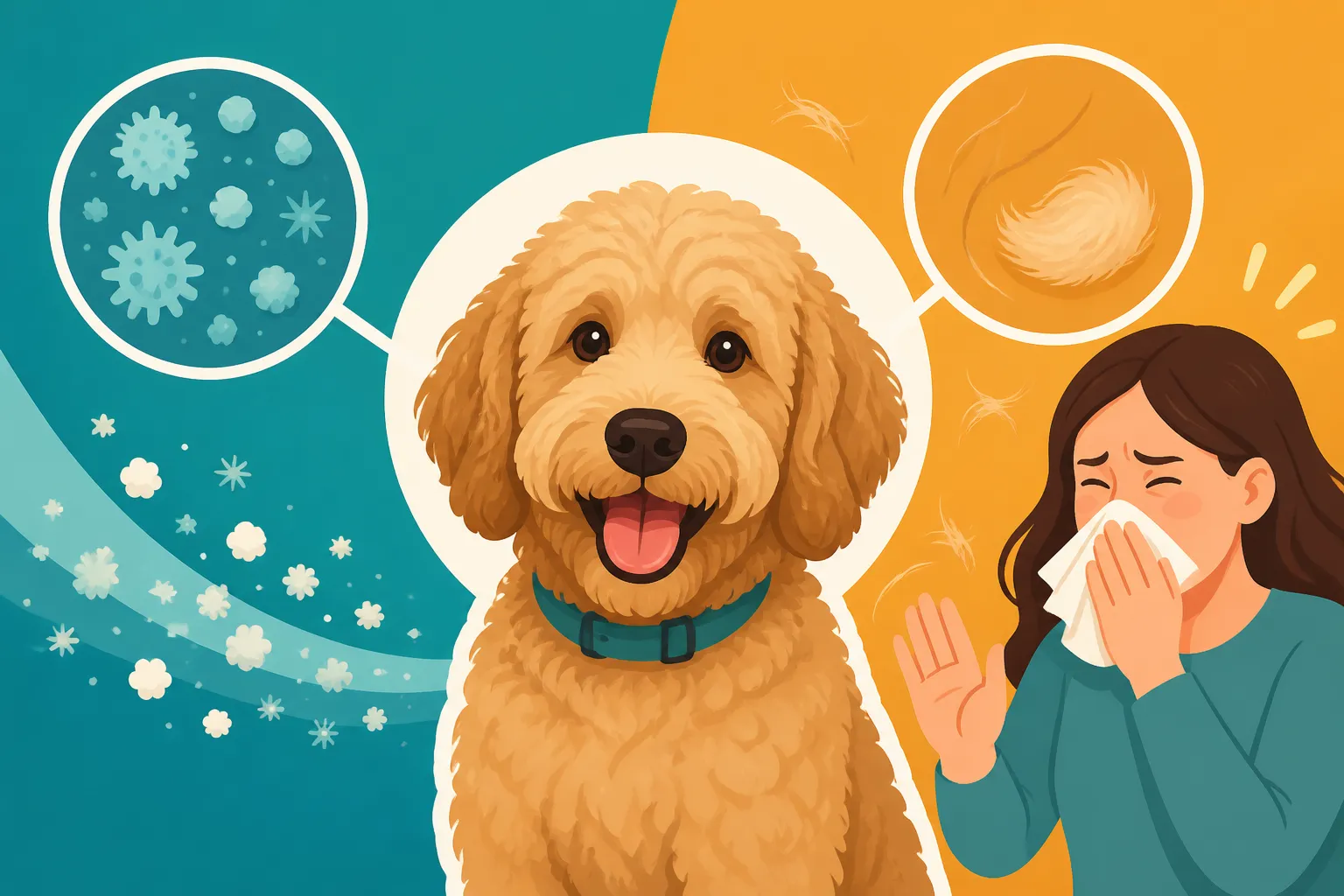
When we talk about dog allergies, the real offenders are specific proteins found in a dog's dander, saliva, and urine. Dander consists of microscopic flakes of dead skin that dogs (and all mammals, including humans!) constantly shed. These tiny particles become airborne and settle on surfaces, lingering in the environment. Think of it this way: your Labradoodle doesn't just shed hair; it sheds a constant, invisible shower of skin cells.
These dander particles are coated with the allergenic proteins. When your dog licks itself, those proteins from its saliva transfer to its fur and then, as the saliva dries, become airborne with the dander. Even the urine, if a dog has an accident or marks, can contribute to allergens in the home. It’s these specific proteins that your immune system overreacts to, mistaking them for harmful invaders. This is why someone severely allergic might even react to a hairless breed like a Chinese Crested – because even without hair, they still produce dander, saliva, and urine, all containing those troublesome proteins. It's a frustrating reality for many, because you can't simply avoid the hair; you have to contend with these pervasive microscopic particles.
How Hair Plays a Role Indirectly
While hair isn't the direct cause of allergies, it's definitely not innocent. Dog hair acts like a tiny, mobile allergen-delivery system. Picture your Labradoodle romping in the park, rolling on the carpet, or even just sitting on your lap. Its coat, especially a dense one, is a magnet for all sorts of particles.
Hair effectively traps dander, yes, but it also collects pollen, dust mites, mold spores, and other environmental allergens. When your dog moves, shakes, or lies down, these trapped particles, including the allergenic dander, are released into the air and onto surfaces around your home. So, while the hair itself doesn't cause the allergic reaction, it becomes a crucial vector for spreading the actual allergens. A dog that sheds a lot will naturally disperse more of these dander-laden hairs throughout your environment, making it harder to control the allergen load. Conversely, a dog with a non-shedding or low-shedding coat might actually hold onto more dander, pollen, and dust within its coat, meaning it's less likely to be released until the dog is brushed or groomed. This nuance is often missed, leading to disappointment when a "non-shedding" Labradoodle still causes symptoms.
The Labradoodle's Coat: A Complex Allergy Equation
The Labradoodle was originally bred with the best intentions: to create a guide dog for a visually impaired woman whose husband had dog allergies. The hope was that by crossing a Labrador Retriever (a superb guide dog candidate) with a Standard Poodle (known for its low-shedding coat), they could produce a dog that was both intelligent and allergy-friendly. This origin story set the stage for the breed's reputation as a "hypoallergenic" dog.
The Promise of the "Hypoallergenic" Labradoodle
The term "hypoallergenic" quickly became synonymous with the Labradoodle, fueling its popularity among allergy sufferers. The promise was alluring: a lovable, intelligent dog that wouldn't make you sneeze. Many families, desperate to welcome a canine companion into their homes without the constant struggle of allergic reactions, turned to Labradoodles.
However, the reality is that "hypoallergenic" is a misnomer. It doesn't mean "no allergens." It simply means "less allergenic." Every dog, including every Labradoodle, produces dander, saliva, and urine, and thus, produces allergens. The amount of allergen shed can vary significantly from dog to dog, even within the same litter. This is where the frustration often sets in. An owner might bring home a beautiful Labradoodle puppy, expecting a sneeze-free existence, only to find their allergies flaring up just as they would with any other dog. This often isn't because the breeder lied, but because the understanding of "hypoallergenic" was fundamentally flawed from the outset. It's not a guarantee, but rather a spectrum of possibilities.
Coat Types and Their Allergy Impact
The genetic lottery of crossbreeding means Labradoodles don't have a uniform coat. They typically come in three main coat types, each with a different shedding propensity and, consequently, a different impact on allergen dispersal. Understanding these types is crucial for managing allergies. The Three Labradoodle Coats: Hair, Fleece and Wool
- Hair Coat: This coat type is closest to that of a Labrador Retriever. It's generally straight, sheds quite a bit, and is the least "allergy-friendly" of the Labradoodle coats. If your Labradoodle has a hair coat, you'll likely see shedding, which means more dander and associated allergens being released into your environment. This type is often found in earlier generations, like an F1 (first-generation cross), where the Poodle's non-shedding gene might not be dominant. For allergy sufferers, this coat is usually the most challenging.
- Fleece Coat: This is the most sought-after coat type and what many breeders aim for. It's soft, wavy or spiraling, and has a silky texture. Fleece coats are low-shedding, meaning they release significantly less hair and dander into the environment compared to a hair coat. The dander tends to get caught in the curls, rather than falling out. Many people with mild to moderate dog allergies find that they can tolerate a Labradoodle with a fleece coat much better than other breeds or even hair-coated Labradoodles. However, "low-shedding" doesn't mean "no shedding," and these coats still require diligent grooming.
- Wool Coat: Similar to a Poodle's coat, the wool coat is dense, curly, and has a texture reminiscent of lamb's wool. It's virtually non-shedding, making it generally the most suitable option for individuals with more severe dog allergies. Like the fleece coat, any dander produced tends to get trapped within the tight curls. While it's the best bet for allergy sufferers, remember, it still produces dander. The dense nature of this coat means it's a champion at trapping environmental allergens, so regular cleaning is key.
Regardless of the coat type, all Labradoodles need regular grooming to manage dander. For a fleece or wool coat, the dander is trapped, but it still needs to be brushed out to prevent matting and to remove the trapped allergens. Think of it as a sponge absorbing water; you need to wring it out periodically. You'll find a wide array of grooming supplies, from brushes to specialized shampoos, on platforms like Chewy or Amazon to help you keep your Labradoodle's coat in top condition and minimize dander.
Managing Dander in a Labradoodle Home
Living with a Labradoodle and managing allergies isn't about wishing the dander away; it's about actively controlling its presence in your home. It’s a multi-pronged approach that requires consistency, but it can make a significant difference.
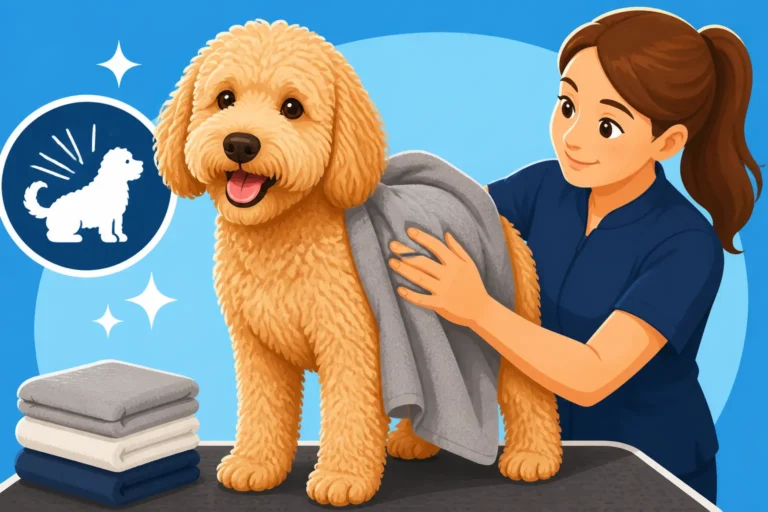
First and foremost, regular bathing is paramount. A good bath helps to wash away accumulated dander and any environmental allergens trapped in the coat. Aim for bathing your Labradoodle every 1-2 weeks, using a gentle, hypoallergenic dog shampoo. Drying a Labradoodle to the Skin After a Bath is vital after a bath to prevent skin issues and matting, which can actually exacerbate dander problems if the skin beneath isn't healthy.
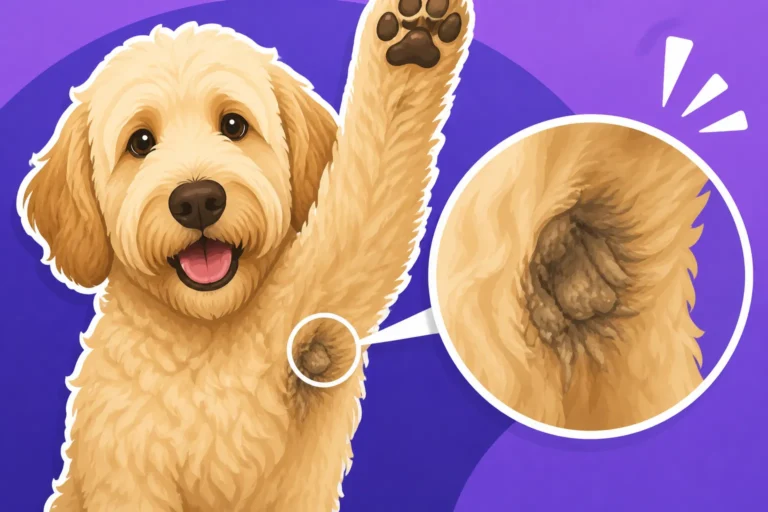
Secondly, consistent brushing is key, even for those non-shedding fleece and wool coats. Daily brushing, or at least every other day, helps to physically remove trapped dander before it has a chance to spread widely. You need to brush down to the skin, not just glide over the top coat. This is particularly important around areas prone to matting, such as behind the ears, in the armpits, and on the legs. A slicker brush followed by a metal comb works wonders for these coats. Brushing a Labradoodle to the Skin, Not the Surface can provide more detail on effective techniques.
Beyond the dog itself, environmental controls are crucial. Invest in a high-quality vacuum cleaner with a HEPA filter and use it frequently, ideally daily on carpets and upholstery. Wash your dog's bedding, your own bedding, and any throws or blankets they use at least weekly in hot water. Air purifiers with HEPA filters placed in rooms where your Labradoodle spends a lot of time, especially your bedroom, can also help capture airborne dander. Creating "dog-free" zones in your home, particularly your bedroom, can give allergy sufferers a much-needed sanctuary. This means no Labradoodle on the bed or even in the room if possible.
Practical Steps for Allergy Sufferers with Labradoodles
Living comfortably with a Labradoodle when you have allergies means being proactive and consistent with your management strategies. It's a lifestyle adjustment, but for many, the joy of having their furry friend outweighs the effort.
Environmental Controls
Minimizing allergens in your home environment is just as important as managing your Labradoodle's dander directly. These steps create a cleaner, more allergy-friendly space.
- Air Filtration Systems: High-efficiency particulate air (HEPA) filters are your best friends. Invest in a good portable air purifier for your main living areas and especially your bedroom. These devices continuously filter airborne particles, including dander, significantly reducing the allergen load. Make sure to change filters regularly according to the manufacturer's instructions.
- Vacuuming and Cleaning: Regular vacuuming is non-negotiable. Opt for a vacuum cleaner with a HEPA filter to ensure that allergens are trapped, not recirculated into the air. Focus on carpets, rugs, and upholstered furniture where dander tends to settle. If possible, consider replacing carpets with hard flooring (wood, tile, laminate) as these surfaces are easier to clean and don't trap allergens as effectively. Damp-dusting and wet-mopping floors regularly can also help remove settled dander without kicking it back into the air. You can find excellent HEPA-filtered vacuums and air purifiers on platforms like Amazon.
- Laundry Routines: Establish a strict laundry routine for anything your Labradoodle touches. This includes their beds, blankets, toys, and even your own clothes if your dog spends time snuggling. Wash these items weekly in hot water (at least 130°F or 54°C) to effectively kill dust mites and remove dander. For your Labradoodle's bedding, consider covers that are easy to remove and wash, or even allergy-proof covers if available.
Grooming Routines to Minimize Dander
Your Labradoodle's grooming regimen is your front line of defense against dander. It’s about more than just keeping them looking tidy; it's a vital part of allergy management.
- Frequent Bathing: As mentioned, bathing every 1-2 weeks helps strip away accumulated dander. Use a mild, moisturizing shampoo to avoid drying out your dog’s skin, which can ironically lead to more dander. After bathing, thoroughly dry your Labradoodle with a forced-air dryer (if they tolerate it) or towels, ensuring the coat is dry down to the skin to prevent skin irritation and matting. Drying a Labradoodle to the Skin After a Bath is a great resource to ensure you're doing this effectively.
- Daily Brushing: This is arguably the most impactful step for dander control. Even non-shedding coats need daily attention. Use a high-quality slicker brush and a metal comb. The goal is to brush through the entire coat, section by section, down to the skin, to remove any loose hair, dander, and trapped environmental allergens. Many people find it helpful to do this outdoors if weather permits, or in a room with an air purifier running, to prevent spreading allergens indoors. If brushing inside, consider wearing a mask yourself. This also helps prevent painful matting, which can harbor even more allergens and cause skin problems.
- Professional Grooming: Supplement your home care with regular professional grooming, typically every 6-8 weeks. Professional groomers have specialized tools and techniques, including high-velocity dryers that can blow off loose dander and hair more effectively than home tools. They can also ensure your Labradoodle's coat is properly trimmed, especially around the face, paws, and sanitary areas, which helps reduce places where dander and debris can collect. Don't be afraid to explain your allergy concerns to your groomer so they can prioritize dander removal.
Dietary Considerations and Supplements
A healthy coat and skin are naturally less prone to excessive dander. What you feed your Labradoodle can directly impact the quality of their skin and coat.
- High-Quality Diet: Feed your Labradoodle a well-balanced, high-quality dog food. Look for foods that list real meat as the first ingredient and avoid excessive fillers or artificial additives. A diet rich in essential fatty acids, particularly Omega-3 and Omega-6, can promote healthy skin and a shiny coat, which in turn can reduce dry, flaky dander. Brands like Ollie offer fresh, human-grade food that can be excellent for skin health, and many premium kibble options are available on Chewy.
- Omega Fatty Acid Supplements: Even with a good diet, some Labradoodles can benefit from additional Omega-3 supplements. Fish oil, flaxseed oil, or specific skin and coat supplements can help nourish the skin from within, leading to less dryness and flaking. Always consult with your veterinarian before adding any supplements to your dog's diet to ensure it's appropriate for their individual needs and won't interact with any existing medications or conditions. Whether a Labradoodle Needs Fish Oil might offer more insights.
- Hydration: Ensure your Labradoodle always has access to fresh, clean water. Proper hydration is essential for overall health, including skin health. A well-hydrated dog will naturally have healthier skin, leading to less dry dander.
These combined strategies offer the best chance for allergy sufferers to live comfortably with their Labradoodles. It requires dedication, but the bond you share with your dog is often worth every extra step.
Comparison of Labradoodle Coat Types and Allergy Management
Understanding the different coat types is paramount when addressing allergies in a Labradoodle home. While no dog is truly 100% hypoallergenic, certain coat types present fewer challenges for allergy sufferers, provided consistent management.
| Feature | Hair Coat Labradoodle (F1 often) | Fleece Coat Labradoodle | Wool Coat Labradoodle |
|---|---|---|---|
| Appearance | Wavy to straight, typically sheds more like a Labrador. | Wavy to spiraling, soft, silky texture. | Dense, curly, coarse texture, similar to lamb's wool. |
| Shedding Level | Moderate to high; sheds visible hair. | Low; minimal visible shedding, dander trapped in curls. | Very low to virtually non-shedding; dander trapped tightly. |
| Allergy Impact | Highest potential for allergy triggers due to widespread dander/hair. | Better for mild allergies; dander is contained, but still present. | Best for moderate to severe allergies; dander most contained. |
| Grooming Needs | Regular brushing (2-3 times/week) to remove loose hair and dander. | Daily brushing crucial to prevent matting and remove trapped dander. | Daily brushing essential to prevent matting and remove trapped dander. |
| Bathing Frequency | Every 2-4 weeks. | Every 1-2 weeks. | Every 1-2 weeks. |
| Professional Grooming | Every 8-12 weeks. | Every 6-8 weeks for trims and de-matting. | Every 4-6 weeks for trims and de-matting. |
Choosing a Labradoodle with a fleece or wool coat statistically increases your chances of experiencing fewer allergy symptoms. However, as the table shows, this benefit comes with a higher commitment to regular, thorough grooming. The daily brushing and frequent bathing, often supported by quality products from retailers like Chewy or specialized shampoos, are non-negotiable for keeping dander under control. These routines are not just for aesthetics; they are critical components of a successful allergy management plan.
Conclusion
It's clear now that when it comes to dog allergies and your beloved Labradoodle, the hair itself isn't the primary antagonist. The true culprits are the microscopic proteins found in dander, saliva, and urine. While a Labradoodle's low-shedding fleece or wool coat can certainly help contain these allergens by trapping them rather than dispersing them, it doesn't eliminate them entirely. This distinction is vital for setting realistic expectations and effectively managing symptoms.
Successfully living with a Labradoodle if you have allergies requires a dedicated, consistent, and multi-faceted approach. It means embracing a proactive grooming routine, understanding that regular bathing and thorough brushing are your best tools for physically removing dander from your dog's coat. It also means committing to rigorous environmental controls within your home, from using HEPA filters and vacuuming frequently to establishing dog-free zones. While the promise of a truly "hypoallergenic" dog might be an elusive dream, the reality of living comfortably with a wonderful Labradoodle, even with allergies, is absolutely achievable with knowledge and effort.
Disclaimer
This article is for general informational purposes only and does not constitute professional advice. Laws, prices and regulations vary by location and change over time. Consult a qualified professional for guidance on your specific situation.