Whether a Labradoodle Overheats in Summer
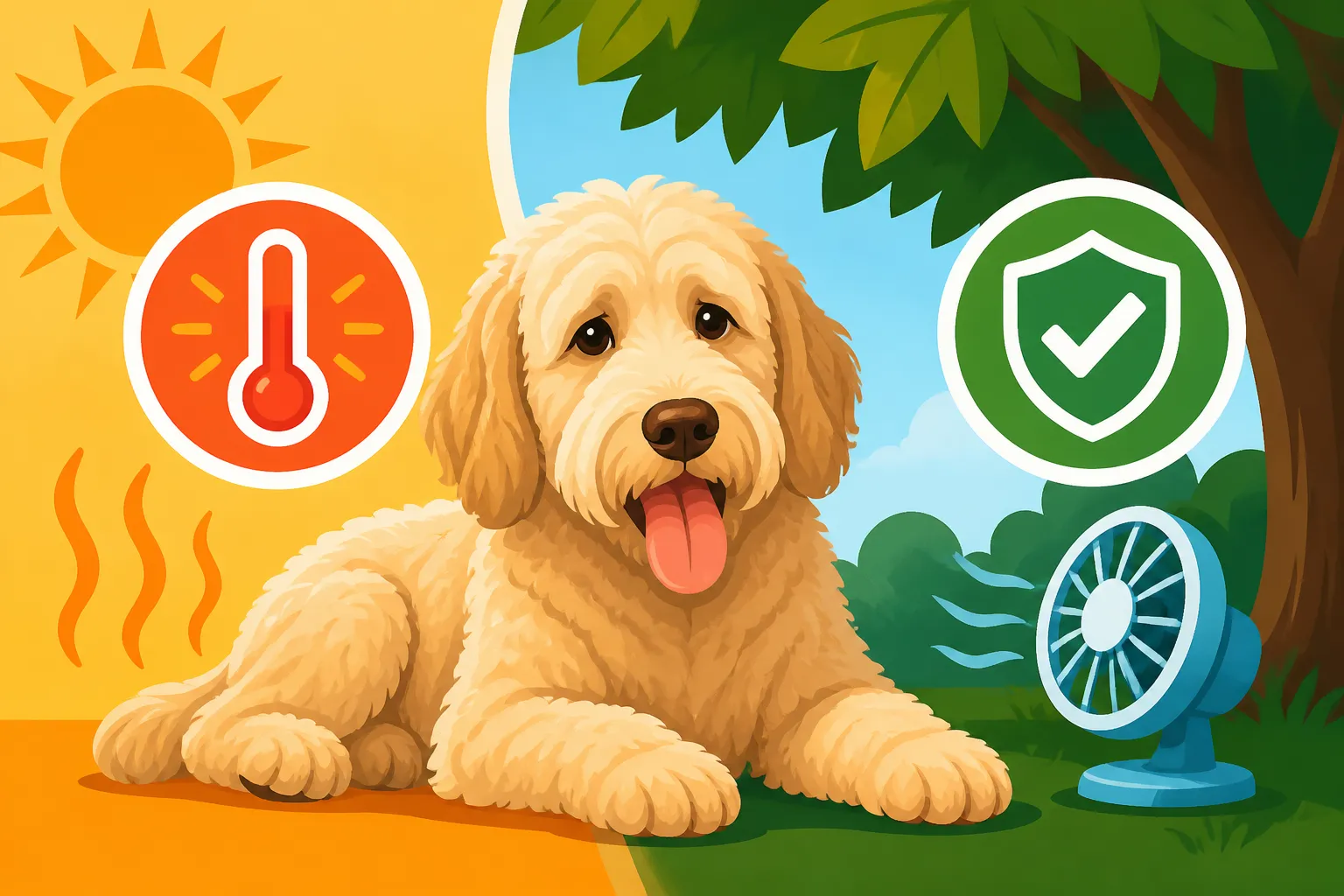
It's summer, and if you're a Labradoodle owner, you've probably found yourself staring at that beautiful, fluffy coat and wondering, "Is my dog secretly baking under all that fur?" It's a very real concern, especially when the mercury rises, because while our Doodles love to play, their unique coats and sometimes boundless energy can put them at risk. This guide is here to walk you through exactly why Labradoodles can struggle in the heat, how to spot the warning signs, and most importantly, how to keep your furry best friend safe and happy all summer long.
Understanding Why Labradoodles Feel the Heat
When the sun beats down, many of us assume that a thick coat automatically means a dog is hot. For Labradoodles, it's a bit more nuanced than that, but make no mistake: they absolutely can and do overheat if not properly managed. It's a common misconception that their non-shedding coats are always insulating against heat, when in reality, several factors contribute to their vulnerability.
The Labradoodle Coat: A Thermal Blanket?
Let's talk about that magnificent Labradoodle coat. Depending on whether your Labradoodle has a hair, fleece, or wool coat, the way it handles heat can differ, but none of them are truly "heat-proof." The dense, often curly or wavy texture, especially in fleece and wool coats, is fantastic for preventing shedding and for keeping them cozy in cooler weather. However, in summer, this density can become a liability.
Think of it like wearing a thick sweater. It keeps you warm in winter, right? Well, that same principle applies. A long, dense coat can trap a layer of warm air close to their body, acting like insulation. If that coat is also matted – which can happen surprisingly quickly with these breeds – it traps even more heat and prevents any air circulation from reaching the skin. It also makes it impossible for them to regulate their body temperature naturally. Owners of The Three Labradoodle Coats: Hair, Fleece and Wool will know this firsthand; a matted wool coat is a whole different beast than a smooth hair coat when it comes to heat. That lovely non-shedding quality means they don't "blow coat" in summer, so the old fur stays put unless you actively remove it through grooming.
Genetic Predispositions and Activity Levels
Beyond the coat, a Labradoodle's ancestry also plays a role. They inherit traits from both the Labrador Retriever and the Poodle. Labradors are known for their boundless energy and their love for swimming, but they can also be prone to overheating if overexerted in hot weather. They'll often push themselves past their limits, driven by their desire to please or retrieve, even when their body is screaming for a break.
Poodles, while often seen as elegant, are also active and intelligent dogs. While their single coat can be clipped short to minimize heat issues, the inherent "go-go-go" mentality often found in Labradoodles means they might not self-regulate their activity levels well enough to avoid becoming overheated. A Labradoodle’s typical robust build and enthusiasm for play mean they generate a lot of internal heat when active. Combine that with a warm day and a dense coat, and you've got a recipe for trouble. Even a well-conditioned Labradoodle can quickly succumb to heat stress if not given adequate breaks, shade, and water. Keeping The Weight a Labradoodle Should Hold is also critical, as any extra pounds will make them work harder and generate more heat.
Spotting the Red Flags: Signs Your Labradoodle is Overheating
The key to preventing serious heatstroke is recognizing the signs of overheating early. Our dogs can't tell us they're too hot, so it's up to us to be vigilant and understand their subtle cues. Don't wait until your Labradoodle is collapsing; proactive observation can save their life.
Subtle Cues: Your Dog's Silent Language
Initially, the signs of overheating might be easy to miss, especially if your Labradoodle is normally very active. One of the first things you'll likely notice is increased panting. This is how dogs cool themselves, by evaporating moisture from their tongue and respiratory tract. However, if the panting seems excessive, very rapid, or unusually deep, even after a short burst of activity or just sitting in the sun, it's a warning sign. Your dog might also start seeking shade more intensely or become reluctant to move, even if they usually jump at the chance for a walk. They might lie down more frequently or show less enthusiasm for their favorite toys.
Another subtle indicator can be excessive drooling. While some Labradoodles are naturally a bit drooly, an increase in saliva production, especially thick or foamy drool, can signal that their body is working hard to cool down. Their gums might appear a little redder than usual, indicating increased blood flow as their body tries to dissipate heat. If you notice any of these changes, it's time to intervene and get your Labradoodle to a cooler environment immediately. Don't assume they'll just "shake it off."
Urgent Symptoms: When Every Second Counts
If those early warning signs are missed or ignored, a Labradoodle can quickly progress to more severe symptoms of heatstroke, which are medical emergencies. At this stage, your dog's internal temperature has risen to dangerous levels, and organ damage can occur rapidly. Look for signs like staggering, wobbling, or an inability to stand. They might collapse entirely. Vomiting and diarrhea, sometimes bloody, are also critical indicators.
Their gums might turn a very dark red, brick-red, or even a purplish-blue color as their circulation becomes compromised. Their heart rate will be rapid, and their breathing will be extremely labored, potentially with loud gasping sounds. Their body temperature might feel extremely hot to the touch. In the most severe cases, seizures can occur, leading to unconsciousness. If you witness any of these urgent symptoms, consider it a dire emergency. Time is of the essence, and immediate veterinary attention is crucial. Every minute counts in preventing irreversible damage or even death.
Proactive Steps: Keeping Your Labradoodle Comfortably Cool
The best defense against overheating is a good offense. Implementing simple, consistent strategies throughout the summer months can make a huge difference in your Labradoodle's comfort and safety. It's all about making smart choices for their care and daily routine.
Mastering the Grooming Game for Summer
Proper grooming is paramount for a Labradoodle, especially when it's hot. That dense coat, while low-shedding, needs regular attention to prevent matting. Mats are not just uncomfortable; they create an impenetrable barrier that traps heat against the skin and prevents air circulation. This turns your dog's natural coat into a suffocating blanket. You should be Brushing a Labradoodle to the Skin, Not the Surface several times a week, if not daily, during warmer weather. Use a good slicker brush and a metal comb to ensure you're getting through to the skin, not just skimming the top of the coat. You can find excellent grooming tools on Amazon or Chewy.
Now, about shaving: it's a contentious topic. Many owners think shaving their Labradoodle will solve all their summer heat problems, but it's not always the best solution. While a very short clip can help reduce heat trapping, going too short, or shaving completely, can actually expose their skin to harmful UV rays, leading to sunburn and increasing the risk of skin cancer. Their coat also provides a degree of natural insulation against the sun's direct heat, much like a Bedouin's robes in the desert. If the coat is healthy and well-maintained, it can actually help regulate their temperature. If you decide to go shorter, opt for a "kennel clip" or a one-inch trim, rather than a completely bald shave, and always consult with a professional groomer. Understanding Whether a Labradoodle Should Ever Be Shaved is key to making an informed decision that's right for your dog.
Strategizing Exercise and Playtime
Your Labradoodle still needs exercise, even in summer. The Exercise a Labradoodle Needs Before It Behaves is significant, and if they don't get it, you'll have a bouncy, potentially destructive dog on your hands. However, when and how you exercise them needs to change drastically. Avoid walks and strenuous play during the hottest parts of the day, typically from late morning until late afternoon. Instead, aim for early morning excursions when the air is still cool and the pavement hasn't had a chance to heat up (hot pavement can burn paw pads!). Late evening walks after the sun has set can also be a good option.
During peak heat, consider indoor alternatives. Engage their minds with puzzle toys, scent work games, or short training sessions indoors. If your Labradoodle loves water, swimming is an excellent, low-impact way to exercise and cool down simultaneously. Always supervise them, and ensure they have a safe entry and exit point. After a swim, make sure to dry their ears thoroughly to prevent infections, as discussed in Drying a Labradoodle After It Swims. And remember to bring water! Portable dog water bottles and collapsible bowls are essential for any outing.
Creating a Haven from the Heat
Whether you're home or on the go, making sure your Labradoodle has access to a cool environment is non-negotiable. At home, ensure they have access to air-conditioned rooms or at least well-ventilated areas with fans. Cooling mats (you can find various types on Chewy or Amazon) can be a godsend, offering a cool spot for them to lie on. Elevated dog beds allow air to circulate underneath, which is much cooler than lying directly on a hot floor.
Never, ever leave your Labradoodle in a parked car, even for "just a minute" with the windows cracked. The temperature inside a car can skyrocket to dangerous levels in minutes, turning it into a death trap. If you're out and about, look for pet-friendly establishments with air conditioning or plan activities that take place in shaded, cooler outdoor areas. For active dogs or those more susceptible to heat, consider cooling vests or bandanas that you soak in water before putting on them. These can provide evaporative cooling and significantly increase their comfort. Thinking ahead about What a Labradoodle Needs Daily should always include heat management in summer.
| Heat Stress Level | Symptoms | Action Required |
|---|---|---|
| Mild | Increased panting, seeking shade, slightly red gums, reluctance to play. | Move to cool area, offer water, rest. |
| Moderate | Heavy panting, excessive drooling, bright red gums, increased heart rate, staggering, weakness. | Immediate cooling measures, prepare for vet visit. |
| Severe | Vomiting/diarrhea, dark/purple gums, collapse, seizures, unconsciousness. | Immediate veterinary emergency. Start cooling on the way. |
Emergency Measures: What to Do When Overheating Strikes
Despite your best efforts, sometimes a Labradoodle can still get too hot. Knowing exactly what to do in an emergency can dramatically improve their outcome. Don't panic, but act swiftly and deliberately.
First Aid: Bringing Down the Heat Safely
If you notice your Labradoodle showing signs of overheating, even mild ones, your immediate priority is to get their core body temperature down safely. First, move them to the coolest available spot immediately – indoors with air conditioning, or at least a shaded, breezy area. Offer them cool (not ice-cold) water to drink in small amounts. Don't let them gulp a large quantity, as this can cause stomach upset or even increase the risk of bloat, which is a serious concern for deep-chested breeds like Labradoodles due to The Chest Shape That Puts a Labradoodle at Bloat Risk.
Next, start actively cooling their body. Use cool (again, not ice-cold) water to wet down their fur, focusing on their paws, belly, inner thighs, and ears. These areas have major blood vessels close to the surface, and cooling them helps cool the blood circulating throughout their body. You can use a hose on a gentle setting, wet towels, or even a sponge. If available, a fan directed at them will aid evaporative cooling. Do NOT submerge them in ice water, as this can cause their blood vessels to constrict, trapping heat inside and potentially leading to shock. Continue these cooling efforts until their breathing starts to calm and they seem more alert, usually about 10-15 minutes. Even if they seem to recover, it's wise to contact your vet for advice, as internal damage isn't always immediately apparent.
Knowing When It's a Vet Emergency
While first aid is crucial, there are definitely times when immediate veterinary intervention is the only course of action. If your Labradoodle exhibits any of the urgent symptoms we discussed earlier – such as collapse, persistent staggering, severe vomiting or diarrhea, seizures, or loss of consciousness – you need to get them to an emergency vet clinic right away. Do not delay. Call ahead if possible, to let them know you're coming and what symptoms your dog is experiencing, so they can be prepared.
Continue cooling measures on the way to the vet, but prioritize getting there quickly. The veterinary team will be able to assess their internal temperature accurately, administer intravenous fluids to combat dehydration and shock, and provide medications to protect vital organs. They can monitor for secondary complications like kidney failure or blood clotting disorders, which can arise from severe heatstroke. For older Labradoodles, like those discussed in Caring for a Labradoodle Past Ten, the risks are even higher, so acting quickly is even more critical. Having an emergency plan in place, including the location and contact information for your nearest emergency vet, is an essential part of responsible Labradoodle ownership, especially during the warmer months.
Disclaimer
This article is for general informational purposes only and does not constitute professional advice. Laws, prices and regulations vary by location and change over time. Consult a qualified professional for guidance on your specific situation.