Whether Bathing a Labradoodle Between Grooms Causes Mats
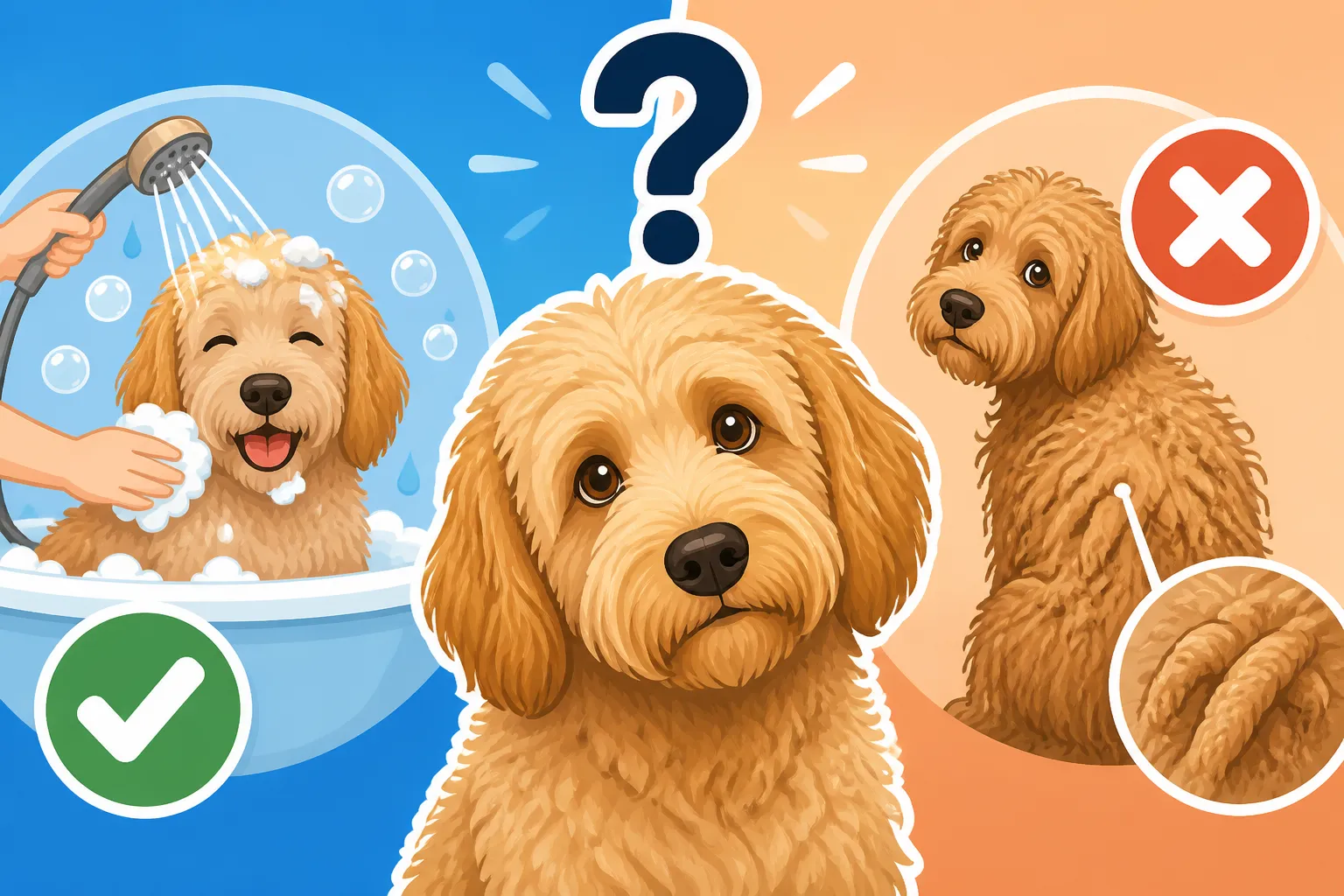
It's a common dilemma for Labradoodle owners: your beloved companion has rolled in something questionable, or simply gotten a bit too stinky between professional grooming appointments, and your first thought is to give them a quick bath. But then a nagging worry creeps in—will bathing them at home, especially with that thick, curly coat, just lead to a tangled, matted mess? This guide is here to unravel that very question and help you bathe your Labradoodle safely, preventing those dreaded mats.
Understanding the Labradoodle Coat: A Prone-to-Matting Marvel
The Labradoodle's signature coat, a blend of its Labrador Retriever and Poodle ancestry, is undeniably beautiful, but it's also a high-maintenance affair. It’s not simply hair; it's a carefully crafted textile of curls and waves designed to be low-shedding, which unfortunately often means high-matting. Understanding this unique texture is the first step in preventing grooming disasters, especially around bath time.
The Different Faces of the Labradoodle Coat
Not all Labradoodle coats are created equal, and each type responds differently to water and brushing. You might have a "hair" coat, which is closer to a Labrador's and sheds more but tends to mat less. Then there's the "fleece" coat, soft and wavy, which is what many breeders aim for due to its ideal texture and low-shedding qualities. Finally, the "wool" coat is very dense and curly, much like a Poodle's, and while it's fantastic for allergy sufferers, it's also the most prone to matting. Each of these requires a slightly different approach, especially when wet. If you're unsure which type your furry friend has, you might find some clues in The Three Labradoodle Coats: Hair, Fleece and Wool.
The reason these coats, particularly fleece and wool, are so prone to matting is that their individual strands are not straight. They have natural kinks and curls that love to intertwine with neighboring strands. When these intertwining strands get wet, they swell slightly, and if they're not thoroughly brushed out and dried properly, they can shrink and lock together as they dry, creating a much tighter, denser knot than was there before. Imagine trying to untangle wet yarn versus dry yarn – the wet yarn becomes significantly harder to manage.
Why Wet Hair Loves to Tangle
Think about your own hair after a shower if you don't comb it. It's often more tangled than when dry. The same principle applies, but on a much larger, denser, and curlier scale, for a Labradoodle. Water acts as both a lubricant and a binding agent. While it can help spread shampoo and conditioner, it also allows loose hairs to clump together more easily with shed undercoat that hasn't been brushed out. As these clumps dry, they form tight, felt-like mats that can be incredibly painful for your dog and difficult to remove.
Beyond just the natural curl, any existing tangles, no matter how small, will become exponentially worse when wet. A tiny knot can become a solid mat in minutes once water is applied, and rubbing shampoo into an un-brushed, damp coat is essentially an invitation for a matting catastrophe. This is why many professional groomers will refuse to bathe a matted dog until the mats are removed, as bathing only serves to tighten them, making the grooming process more painful and potentially impossible without shaving.
The Truth About Bathing and Matting: It's All in the Technique
Let's clear the air: bathing your Labradoodle between grooms does not inherently cause mats. What causes mats is a lack of proper preparation, the wrong bathing technique, and insufficient drying and post-bath care. It's not the water itself, but how you manage the coat while it's wet and drying. Many owners fall into the trap of thinking a quick wash will solve a dirty dog problem, without realizing the intricate dance required to keep that beautiful Labradoodle coat mat-free.
The Perils of Incomplete Brushing
Before a single drop of water touches your Labradoodle, their coat must be completely free of tangles and mats. This is the golden rule, the absolute non-negotiable step. Any knot, no matter how tiny, will shrink and tighten when wet, becoming a full-blown mat. Imagine trying to wash a tangled fishing net – the knots just get tighter and more impossible to untangle. Your Labradoodle's coat is similar. If you skip this critical step, you're not just risking a few tangles; you're guaranteeing a grooming nightmare.
This pre-bath brushing isn't just a quick once-over with a brush. It needs to be thorough, reaching down to the skin, often called "line brushing." You need a slicker brush and a good metal comb to work through every section. Brushing a Labradoodle to the Skin, Not the Surface is a fantastic resource for mastering this technique. Focus on common problem areas like behind the ears, under the armpits, around the collar, and on the hindquarters and tail – places where mats love to form. Missing even a small section means you're setting yourself up for trouble. If you encounter any significant mats, they need to be gently worked out before the bath, not during or after.
The Wrong Way to Wash: Rubbing and Scrubbing
Once you've got a tangle-free canvas, the way you apply shampoo and rinse is equally important. Many well-meaning owners will vigorously rub and scrub their dog's coat, just like they might wash their own hair. While this feels effective, it’s a recipe for disaster on a Labradoodle. The friction from rubbing causes the wet, pliable strands to intertwine and knot together, instantly forming new tangles or tightening any existing ones you might have missed.
Instead of rubbing, focus on gently squeezing and massaging the shampoo through the coat in the direction of hair growth. Think of it more like pushing the shampoo through rather than scrubbing. Diluting the shampoo beforehand can help it spread more easily without requiring excessive rubbing. When rinsing, ensure every speck of shampoo and conditioner is completely removed. Residual product can leave a sticky residue that attracts dirt and, you guessed it, encourages matting. Use lukewarm water and rinse until the water runs completely clear, and then rinse a little more for good measure.
| Pre-Bath Action | Impact on Matting | Recommendation |
|---|---|---|
| No Pre-Brush | Existing tangles become tighter, new mats form. | Always line-brush thoroughly to the skin before wetting. |
| Vigorous Rubbing | Friction causes wet hair strands to intertwine. | Gently squeeze and massage shampoo, do not rub or scrub. |
| Incomplete Rinsing | Shampoo residue leaves coat sticky, attracts dirt. | Rinse until water runs perfectly clear, then rinse some more. |
| Air Drying Only | Coat dries randomly, promoting tangles and mats. | Force dry, then brush. Do NOT let a Labradoodle air dry without constant brushing. |
| Using Harsh Shampoos | Dries out skin and coat, making it brittle and more prone to static and matting. | Use a moisturizing, dog-specific shampoo and conditioner. |
The Drying Dilemma: Where Mats Are Made or Prevented
You've successfully navigated the pre-bath brush and the gentle wash. Congratulations! But don't pop the champagne just yet. The drying phase is arguably the most critical juncture in the matting battle. Many a beautiful bath has been undone by improper drying, transforming a clean, fluffy pup into a matted mess faster than you can say "doodle."
The Evils of Air Drying (and Inadequate Towel Drying)
Allowing a Labradoodle to air dry, especially without constant brushing, is the quickest way to create mats. As the curly hair dries naturally, it contracts and tangles into tight knots, particularly if any shed hair is still present and clinging to the live coat. The natural movement of the dog, even just shaking off water, exacerbates this. The dampness causes the individual strands to cling together, and as the moisture evaporates, they fuse into painful, dense mats.
Even enthusiastic towel drying, while seemingly helpful, can be problematic if done incorrectly. Vigorously rubbing your Labradoodle with a towel creates friction, which, as we discussed, pushes wet hair together and tightens any incipient tangles. Instead, after a bath, gently squeeze excess water from the coat, then use super-absorbent towels to blot and pat the coat dry. Avoid rubbing motions at all costs. You'll get a lot of water out, but you won't get it fully dry this way. For that, you need a different tool.
The Force Dryer: Your Anti-Matting Secret Weapon
For Labradoodles, a high-velocity force dryer is not a luxury; it's practically a necessity for mat prevention, especially for those with fleece or wool coats. These powerful dryers blow water off the coat rather than just heating it, separating the strands and speeding up the drying process dramatically. This rapid separation is key to preventing mats from forming as the hair dries. Many professional groomers swear by them, and you can find various models available from retailers like Chewy or Amazon.
When using a force dryer, keep the nozzle moving constantly, directing the air down and away from the skin. Use your free hand to lift and fluff the coat as you dry, ensuring the air reaches all the way to the skin. Work in sections, starting from the back and moving forward, always making sure each section is completely dry before moving on. As you dry, continuously brush through the coat with a slicker brush to further separate strands and remove any last bits of shed hair. This meticulous process helps to ensure the coat dries straight and fluffy, not tangled and matted. Drying a Labradoodle properly takes time and patience, but it's an investment that saves you from costly de-matting sessions or, worse, a full shave-down. For more in-depth guidance on thorough drying, check out Drying a Labradoodle to the Skin After a Bath or Whether a Home Force Dryer Pays for Itself.
Beyond the Bath: Ongoing Grooming for Mat Prevention
Bathing a Labradoodle successfully without causing mats is a triumph, but it's just one piece of the grooming puzzle. The reality is, mat prevention is an ongoing commitment, not just a bath-time ritual. Between those glorious spa days, consistent daily or weekly maintenance is what truly keeps that coat in pristine condition.
Regular Brushing: The Undisputed Champion
Even if you bathe your Labradoodle perfectly, neglecting regular brushing between baths will inevitably lead to mats. The Labradoodle's low-shedding coat means that shed hair doesn't fall out; instead, it gets trapped within the live coat, where it quickly tangles and forms mats. Without consistent brushing to remove this trapped undercoat, you're fighting a losing battle.
Aim for at least 15-30 minutes of thorough line brushing several times a week, ideally daily for wool or dense fleece coats. This might sound like a lot, but it’s far less painful and time-consuming than de-matting a full-blown issue. Invest in quality tools: a good slicker brush that reaches the skin and a sturdy metal comb are indispensable. Use the comb to check your work; if the comb can't glide smoothly through the coat from skin to tip, you haven't brushed thoroughly enough. Remember, mats often form in hidden areas, so pay extra attention to Where Mats Form First on a Labradoodle, such as behind the ears, armpits, and groin.
The Dreaded "Coat Change" and Matting Management
Around 9-12 months of age, many Labradoodles go through a "coat change" where their soft puppy fur transitions to a denser adult coat. This period is a matting magnet. The old puppy coat, which is often finer and softer, intertwines with the emerging coarser adult hair, creating a perfect storm for knots. Many owners get caught off guard by the intensity of matting during this time, even if they've been diligent with grooming before.
During this coat change, your grooming efforts need to double, or even triple. Daily, very thorough brushing is essential. You might find yourself needing to groom for longer periods, gently working through the coat layer by layer. This is a critical time where many Labradoodles end up needing to be shaved down due to owners being overwhelmed by matting. Be prepared, be patient, and remember it’s a temporary, albeit intense, phase. Understanding The Coat Change That Hits a Labradoodle at Nine Months can help you brace for this challenge.
When to Seek Professional Help
Even with the best intentions and diligent home care, sometimes life happens, or a particularly stubborn mat develops. Don't be ashamed to seek professional help. A good groomer is a partner in your Labradoodle's health and comfort. They have specialized tools, techniques, and experience to handle even the most challenging coats. Trying to de-mat a severe case at home can be painful for your dog and frustrating for you, potentially damaging the coat or even the skin.
If your Labradoodle becomes severely matted, a groomer might recommend a "kennel clip" or a full shave-down to get a fresh start. While this might feel drastic, it's often the kindest option for a dog in pain from tight mats. Going to a professional groomer every six to eight weeks, as recommended for Labradoodles, can help prevent severe matting and keep their coat healthy and manageable. Even if you're dedicated to home grooming, a professional bath and tidy every few months can work wonders.
Product Choices: Shampoos, Conditioners, and Detangling Sprays
The products you use play a supporting role in your mat-prevention strategy. While they can't magically erase poor technique, the right shampoos, conditioners, and detangling sprays can make your job significantly easier by hydrating the coat and making it more manageable.
Hydrating Shampoos and Conditioners
A good quality dog-specific shampoo is crucial. Look for formulas that are moisturizing and gentle, designed for curly or long-haired breeds. Harsh shampoos can strip the coat of its natural oils, leading to dry, brittle hair that is more prone to static and matting. Avoid human shampoos, as their pH balance is different and can irritate your dog's skin. Brands often carry lines of moisturizing shampoos that can be found at pet stores or online retailers like Chewy.
Conditioner is not optional for a Labradoodle; it's an essential part of the bathing process. A good conditioner helps to smooth the hair shaft, making it less likely to tangle and easier to brush through. After rinsing the shampoo, apply conditioner generously, especially to the ends and areas prone to matting. Let it sit for a few minutes before rinsing thoroughly. Diluting both your shampoo and conditioner can help them spread more evenly and rinse out more completely.
Detangling Sprays and Leave-In Conditioners
For those challenging brushing sessions between baths, or as a final step after drying, a good detangling spray or leave-in conditioner can be a lifesaver. These products help to lubricate the hair, making it easier for the brush and comb to glide through, reducing breakage and preventing tangles from forming. You can apply them lightly to dry coat before brushing, or even during brushing if you hit a snag.
Many excellent detangling sprays are available, and a quick search on Amazon or Chewy will give you plenty of options. Just be sure to choose one that is dog-safe and suitable for your Labradoodle's coat type. Using these products as part of your regular grooming routine can add an extra layer of protection against matting, keeping your Labradoodle's coat soft, healthy, and manageable. Even premium dog food services like Ollie emphasize the importance of overall pet care, which extends to a healthy coat.
Disclaimer
This article is for general informational purposes only and does not constitute professional advice. Laws, prices and regulations vary by location and change over time. Consult a qualified professional for guidance on your specific situation.