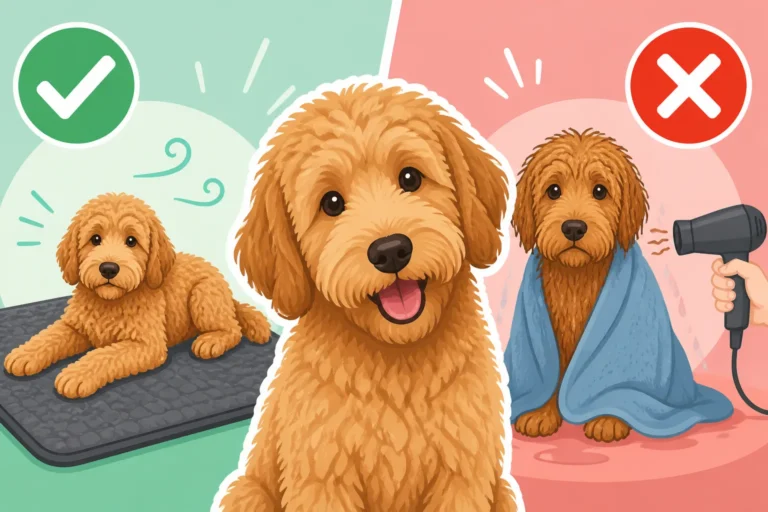
Whether an Old Labradoodle Still Needs Long Walks
As our beloved Labradoodles gracefully enter their golden years, many of us start to question how their daily routines should adapt. One of the most common anxieties for owners is wondering if those long, vigorous walks our dogs once relished are still appropriate – or even good for them. The truth is, while the enthusiasm for adventure might still be there, their aging bodies have different needs, and pushing them too hard can do more harm than good. This guide will walk you through understanding your senior Labradoodle's changing physical landscape and how to lovingly adjust their exercise routine to keep them happy, comfortable, and engaged for many more years.
The Evolving Body of a Senior Labradoodle
Just like us, our Labradoodles experience a variety of physical changes as they age. It's not about them becoming "lazy" or "stubborn"; it's about their body's natural wear and tear, and recognizing these shifts is the first step in providing appropriate care. Ignoring these signs can inadvertently lead to discomfort or injury.
Joint Stiffness and Arthritis
One of the most pervasive issues facing senior dogs is arthritis, a condition that causes inflammation and pain in the joints. For a Labradoodle, who inherits the active, often larger frames of both the Labrador Retriever and the Poodle, their joints have seen a lifetime of joyful leaps and boundless energy. Over the years, the cartilage cushioning these joints can wear down, leading to bone-on-bone friction. This can manifest in subtle ways at first: a slight hesitation before jumping into the car, a slower rise from a deep sleep, or perhaps a stiffness that seems to ease once they've warmed up.
You might notice your Labradoodle struggling with stairs that were once effortlessly conquered, or they might seem less keen on those long, vigorous games of fetch. This isn't them being difficult; it's a genuine indicator of discomfort. Arthritis in a Labradoodle at Ten is a reality for many, and it means that the impact of repetitive, high-intensity exercise becomes much harder on their bodies. Gentle, consistent movement, rather than sporadic bursts of strenuous activity, is key to keeping those joints lubricated and comfortable without exacerbating pain.
Muscle Loss and Decreased Stamina
Even if your Labradoodle has always been lean and active, age brings with it sarcopenia, the natural, progressive loss of muscle mass. This isn't just about aesthetics; muscle provides crucial support for their joints and bones, contributes to their overall strength, and helps with balance and coordination. As their muscles weaken, their stamina naturally decreases. That hour-long hike they once bounded through without a second thought might now leave them excessively panting, lagging behind, or completely exhausted for the rest of the day.
This muscle loss also makes them more prone to injury, as their supportive structures are weaker. You might find your Labradoodle struggling to get up from a slick floor or needing a little extra time to regain their footing after a sudden stop. Supporting a Sixty Pound Labradoodle That Cannot Rise highlights the very real challenges that come with reduced muscle strength and mobility. The goal now is to maintain existing muscle and prevent further atrophy through gentle, controlled exercise, rather than trying to build new, high-intensity strength.
Sensory Changes and Cognitive Decline
Beyond the purely physical, senior Labradoodles often experience changes in their senses, which can impact their confidence and enjoyment of walks. Their eyesight might dim, making shadows or unfamiliar obstacles more startling. Their hearing could decline, meaning they might not respond to commands or approaching sounds as readily. These changes can make navigating new or busy environments a source of anxiety rather than excitement.
Furthermore, some Labradoodles may develop canine cognitive dysfunction (CCD), an age-related condition similar to Alzheimer's in humans. This can lead to disorientation, confusion, changes in sleep patterns, and increased anxiety. A once-bold explorer might become hesitant in unfamiliar surroundings or seem to "forget" where they are, even on a well-known route. This is where a predictable routine and familiar paths become invaluable, providing a sense of security that allows them to still enjoy their time outdoors. Understanding these nuanced changes, discussed further in Canine Cognitive Decline in an Old Labradoodle, is vital for tailoring their environment and activities.
Redefining "Long Walks" for Your Aging Companion
The concept of a "walk" needs a loving re-evaluation when your Labradoodle hits their senior years. It's less about covering vast distances and more about enrichment, comfort, and maintaining a gentle level of activity.
Quality Over Quantity
For a senior Labradoodle, the goal of a walk shifts dramatically from rigorous cardiovascular exercise to providing mental stimulation, comfortable movement, and precious bonding time. A twenty-minute stroll focused on sniffing every interesting bush and exploring new textures underfoot can be far more beneficial and enjoyable for an aging dog than a forced mile-long march that leaves them stiff and tired. Think of it as a "sniffari" rather than a marathon. The mental engagement derived from scent work and environmental exploration is incredibly enriching and helps keep their minds sharp, which is just as important as physical activity.
This approach prioritizes comfort and joy. If your Labradoodle is happily trotting along, stopping to investigate, and showing interest in their surroundings, that's a successful walk. If they're lagging, constantly checking to see if you're turning back, or showing signs of discomfort, it's too much, regardless of the distance. Remember, the routine and the presence of their favorite human are often the most valuable parts of the outing. You'll find more insights into tailored activity in Exercise for a Stiff Old Labradoodle.
Short, Frequent Outings
Instead of one epic daily trek, consider breaking up your Labradoodle's outdoor time into several shorter, more frequent excursions. This allows their joints to stay mobile and their muscles engaged without overtaxing their reduced stamina. For example, a brisk 15-minute sniff-and-potty break first thing in the morning can get their circulation going. A similar, gentle stroll mid-day offers another chance for movement and fresh air, and a final short walk in the evening can help them wind down for the night.
This distributed approach to exercise is far kinder to an aging body. It prevents the prolonged periods of stiffness that can set in after a long rest, and it avoids the deep fatigue that a single, extended walk might cause. Each mini-adventure still offers mental stimulation and the joy of exploring their world, just in manageable doses. It's about finding the rhythm that best suits your individual Labradoodle's energy levels on any given day.
Incorporating Gentle Play and Mental Stimulation
Exercise for a senior Labradoodle isn't solely confined to walks. Gentle indoor play can be a fantastic way to keep their bodies moving and their minds active without the strain of pavement or unpredictable outdoor elements. Soft fetch with a plush toy, a gentle game of tug (if their teeth and neck allow), or even hiding treats around the house for them to sniff out can provide significant mental and physical engagement.
Puzzle toys, which require your dog to figure out how to release a treat, are excellent for cognitive stimulation and low-impact movement. Brands like Chewy or Amazon offer a wide array of options designed for various difficulty levels, ensuring your Labradoodle stays engaged. Scent games, where you hide high-value treats and encourage them to use their nose, are incredibly enriching and require minimal physical exertion. These activities are particularly valuable on days when the weather is poor, or your Labradoodle isn't feeling up to a full walk, ensuring they still get their daily dose of fun and mental challenge. Integrating these activities complements their walks and contributes to their overall well-being, even if they're Feeding an Old Labradoodle That Has Slowed Down and need lighter activities.
Practical Adaptations for Senior Strolls
Making a few thoughtful adjustments to how and where you walk your senior Labradoodle can significantly improve their comfort and safety. These small changes can make a world of difference in their quality of life.
Choosing the Right Terrain and Time
When walking an older Labradoodle, the ground beneath their paws matters more than ever. Hard surfaces like pavement, concrete, or asphalt can be jarring on arthritic joints. Whenever possible, opt for softer terrain such as grass, dirt trails, or compacted earth paths. These surfaces provide more cushion and reduce the impact on their hips, elbows, and knees. Avoid uneven ground, steep hills, or slippery surfaces, as these can increase the risk of a fall or strain a weakened joint.
The time of day for walks also becomes crucial. In warmer months, avoid the hottest parts of the day when the sun is high and pavement can scorch paws. Early mornings or late evenings are often cooler and more comfortable. Conversely, in winter, choose the warmest part of the day to minimize exposure to extreme cold, which can exacerbate joint pain. Ensure your Labradoodle is Keeping an Old Labradoodle Comfortable in Winter by protecting them from harsh elements. Observing the weather and your dog's preferences will help you pick the best times for their outings.
Essential Gear for Comfort and Safety
Investing in appropriate gear can make walks much more comfortable and safer for your senior Labradoodle. A well-fitting, comfortable harness that distributes pressure across their chest rather than their neck is highly recommended, especially if they have any neck sensitivity or still tend to pull slightly. Many excellent harnesses are available from retailers like Chewy, designed for comfort and support. For dogs with severe mobility issues, a support sling or a harness with handles can help you provide a gentle lift when they struggle to navigate stairs or get into the car.
Booties can be a game-changer for paw protection in extreme weather – shielding sensitive pads from hot pavement, icy sidewalks, or abrasive terrain. You can find various styles and sizes on Amazon. After walks, a truly comfortable, orthopedic dog bed is invaluable. A high-quality bed, possibly even one with memory foam, provides pressure relief for aching joints and promotes restorative sleep, aiding recovery and comfort. Consider options from specialized pet product brands that focus on senior dog comfort. These considerations, along with ramps or steps for access, are vital, as explored in Ramps and Steps for an Aging Labradoodle.
Supporting Joint Health Through Diet and Supplements
Nutrition plays a pivotal role in maintaining the health and comfort of your senior Labradoodle. A high-quality diet specifically formulated for senior dogs can provide the right balance of nutrients, with slightly fewer calories to help prevent weight gain (which puts extra stress on joints) and often enriched with ingredients that support joint health. Look for foods that include glucosamine, chondroitin, and omega-3 fatty acids.
Many owners find adding a joint supplement to their senior Labradoodle's diet to be beneficial. These supplements, often containing the aforementioned ingredients, can help reduce inflammation and support cartilage health. Your veterinarian can recommend a suitable supplement based on your dog's specific needs. Brands like Ollie (or other fresh food delivery services) often offer customized meal plans that can be tailored to a senior dog's needs, potentially including ingredients beneficial for joint health. Always discuss any dietary changes or supplements with your vet to ensure they're appropriate for your Labradoodle. Maintaining a healthy weight is paramount; for insights into what your Labradoodle's weight should be, check out The Weight a Labradoodle Should Hold, and read more about their senior diet in Feeding a Labradoodle Past Ten.
Knowing When to Scale Back (or Seek Help)
One of the most challenging aspects of caring for an aging dog is recognizing when their needs have truly changed and when it's time to make significant adjustments, including seeking professional help.
Recognizing Signs of Discomfort or Overexertion
It's crucial to be vigilant and aware of your Labradoodle's body language and behavior before, during, and after walks. Signs that they might be experiencing discomfort or that a walk is too much for them include:
- Lagging behind: They might start walking slower, falling behind you, or stopping frequently.
- Excessive panting or rapid breathing: This could indicate pain, overheating, or simply being over-exerted.
- Stiffness after the walk: If they are noticeably stiff, limping, or reluctant to move after resting following a walk, it's a clear sign of overdoing it.
- Reluctance to go out: If your Labradoodle, who once eagerly grabbed their leash, now hesitates or tries to hide when you prepare for a walk, it's a strong indicator of pain or anxiety associated with the activity.
- Changes in posture or gait: A hunched back, a stiff or uneven gait, or unusual movements can all point to pain or mobility issues.
- Licking or chewing at joints: This self-soothing behavior can indicate discomfort in those areas.
- Difficulty rising or lying down: If they struggle with these basic movements, their joints are likely aching.
Trust your gut. You know your Labradoodle best. If something seems "off," it probably is. These aren't just quirks of old age; they are often cries for help.
The Role of Veterinary Care and Rehabilitation
Regular veterinary check-ups become even more critical for senior Labradoodles. Your vet can assess their joint health, monitor for conditions like arthritis, and discuss pain management strategies. This might include prescription anti-inflammatory medications, pain relievers, or other treatments to improve their comfort and mobility. Don't let your dog suffer in silence; there are many options available to help them live a pain-free life. A good starting point is ensuring The Yearly Screening a Labradoodle Should Get.
Beyond medication, your vet might recommend canine physical therapy or rehabilitation. Services like hydrotherapy (underwater treadmill) can allow your Labradoodle to exercise in a low-impact environment, building muscle and improving flexibility without stressing their joints. Acupuncture, laser therapy, and therapeutic massage are also options that can provide significant relief for chronic pain and stiffness. These specialized treatments can dramatically improve a senior dog's quality of life and help you tailor an exercise plan that works for their individual needs.
Embracing the New Normal
Adapting your Labradoodle's exercise routine to match their senior needs isn't about giving up; it's about shifting your focus to quality of life and comfort. It's an act of deep love and understanding. You're acknowledging their journey and honoring the amazing companion they've been. Embrace the slower pace, the shorter walks filled with delightful sniffs, and the gentle games that keep their minds sharp.
Your bond with your Labradoodle is not dependent on the length of your walks. It's built on trust, companionship, and shared moments. Sometimes, the most meaningful "activity" for an old dog is simply snuggling on the couch, enjoying quiet time together, or gently brushing their coat while they doze. There will come a point where difficult decisions need to be made, as covered in The Point a Labradoodle's Owner Has to Decide, but until then, focusing on their comfort and happiness in every moment is the greatest gift you can give them. Continuing to prioritize their overall well-being and making thoughtful adjustments is a key part of Caring for a Labradoodle Past Ten.
| Sign of Overexertion/Discomfort | What it Might Mean | What to Do |
|---|---|---|
| Lagging behind on walks | Fatigue, pain in joints, reduced stamina | Shorten walks, slow pace, increase frequency |
| Excessive panting (not hot) | Pain, overexertion, heart strain | Rest immediately, consult vet |
| Stiffness after rest | Arthritis, muscle soreness | Gentle stretching, warm compresses, vet check |
| Licking joints repeatedly | Pain, inflammation | Vet evaluation for joint issues |
| Reluctance to start walking | Pain, anxiety about activity | Rule out pain with vet, try new routes/times |
| Changes in posture/gait | Joint issues, neurological problems | Urgent vet consultation, consider physical therapy |
| Trembling or shaking | Pain, weakness, anxiety | Provide comfort, assess for immediate vet need |
Disclaimer
This article is for general informational purposes only and does not constitute professional advice. Laws, prices and regulations vary by location and change over time. Consult a qualified professional for guidance on your specific situation.