Feeding a Labradoodle Past Ten
As your beloved Labradoodle gracefully enters their golden years, typically around age ten for a standard size, you might start noticing subtle shifts in their energy levels, their interest in food, and even the sparkle in their eyes. It's a natural, albeit bittersweet, progression, and one of the most common worries I hear from owners is how to best support their aging companion through nutrition. This comprehensive guide is here to walk you through everything you need to know about feeding your Labradoodle past their tenth birthday, ensuring they remain as happy and healthy as possible for every precious year to come.
Understanding Your Senior Labradoodle's Changing Nutritional Needs
Once your Labradoodle hits that double-digit milestone, their body begins to operate a little differently. It's not a sudden switch, but a gradual transition where their nutritional requirements evolve. What worked perfectly for them in their energetic younger years might not be ideal anymore, and trying to feed them the same way can actually contribute to health issues down the line. It’s crucial to recognize these changes and adapt their diet accordingly, just as you would for yourself as you age. Ignoring these shifts can lead to a less vibrant senior life, and nobody wants that for their furry best friend.
Metabolism Slowdown and Weight Management
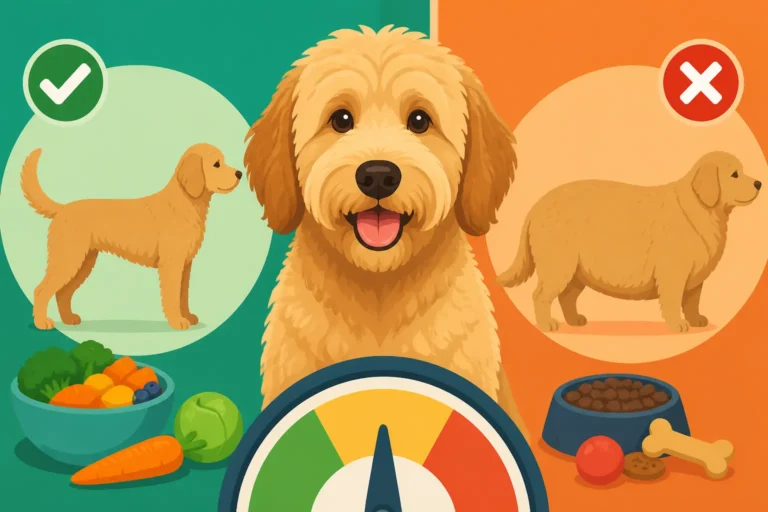
One of the most significant changes you’ll observe in your senior Labradoodle is a slowing metabolism. They're likely not tearing through the house with the same boundless energy they once did, and their daily walks might be a bit shorter or slower. This decreased activity, combined with a slower metabolic rate, means they simply don't need as many calories as they used to. If you continue to feed them the same amount of their adult dog food, those extra calories will quickly turn into extra pounds.
Weight gain in senior dogs isn't just about aesthetics; it's a serious health concern. Extra weight puts undue stress on their aging joints, which might already be showing signs of wear and tear. It can exacerbate conditions like arthritis, making movement painful and difficult. Beyond joint issues, obesity in senior Labradoodles is linked to a higher risk of heart disease, diabetes, and even certain types of cancer. It’s a silent thief of their vitality, slowly chipping away at their quality of life. Regularly monitoring their weight and adjusting their food intake is paramount to keeping them at a healthy body condition, which directly contributes to their comfort and longevity. The Weight a Labradoodle Should Hold is a good resource to consult if you're unsure about ideal weight.
Joint Health and Anti-Inflammatory Support
Those lively jumps and playful spins of their youth can start to take a toll on your Labradoodle's joints as they age. Arthritis is incredibly common in older dogs, and while it's a natural part of aging for many, nutrition can play a huge role in managing discomfort and preserving mobility. The cartilages that cushion their bones begin to wear down, leading to inflammation and pain. Watching your once-agile Labradoodle struggle to get up from a nap or hesitate before climbing stairs can be heartbreaking.
A senior diet rich in specific nutrients can act as a powerful ally against joint degeneration and inflammation. Ingredients like glucosamine and chondroitin are often highlighted for their role in supporting cartilage health, while omega-3 fatty acids, particularly EPA and DHA, are renowned for their anti-inflammatory properties. These aren't just trendy ingredients; they're essential components that can help keep your Labradoodle's joints moving more smoothly and with less pain. Think of it as giving their hardworking joints the best possible lubrication and cushioning. Finding foods or supplements with these beneficial ingredients can make a noticeable difference in their comfort and willingness to stay active. For more on this, you might find Arthritis in a Labradoodle at Ten helpful.
Cognitive Decline and Brain Health
Just like humans, dogs can experience cognitive decline as they get older. You might notice your Labradoodle seems a bit disoriented, stares blankly at walls, forgets familiar commands, or even experiences changes in their sleep-wake cycle. This is often referred to as Canine Cognitive Dysfunction (CCD), and it can be distressing for both the dog and their family. While it’s a natural part of the aging process for some, diet can play a supportive role in mitigating its effects.
Certain nutrients have been identified for their potential to support brain health and cognitive function. Antioxidants, like vitamins E and C, can help combat oxidative stress in the brain, which is implicated in cognitive decline. Medium-chain triglycerides (MCTs), often found in coconut oil, can provide an alternative energy source for the aging brain. Including ingredients rich in these compounds can help keep their minds sharper for longer, allowing them to enjoy their familiar routines and connections with you. It's about nourishing their brain to help them navigate the world with greater clarity and confidence. Canine Cognitive Decline in an Old Labradoodle delves deeper into this topic.
Organ Function and Disease Prevention
As Labradoodles age, their internal organs — particularly the kidneys, liver, and heart — can become less efficient. These organs have worked tirelessly for years, and now they might need a little extra support to continue functioning optimally. Certain health conditions, such as kidney disease, heart disease, and diabetes, become more prevalent in senior dogs. A well-tailored diet can not only help prevent the onset of some of these conditions but also manage them if they do arise.
For example, dogs with early kidney disease might benefit from a diet with controlled phosphorus and protein levels to reduce the workload on their kidneys. For heart health, reducing sodium intake can be beneficial. A diet that is easily digestible also lessens the strain on the entire digestive system. This isn't about being overly restrictive, but about being mindful of ingredients that can either support or hinder organ function. Consulting with your veterinarian about your Labradoodle's specific health profile is crucial to tailoring their diet for optimal organ support and disease prevention, giving them the best chance at a long, healthy senior life. What a Labradoodle Owner Should Watch For After Eight provides a broader overview of senior health concerns.
Choosing the Right Senior Dog Food for Your Labradoodle
Navigating the pet food aisle can feel overwhelming, especially when looking for something specific for your aging Labradoodle. There are countless brands and formulas, all promising the best. The key is to shift your mindset from "all-purpose adult food" to "specialized senior support." It's not just about reducing calories; it's about providing targeted nutrition to address the unique challenges of aging.
Key Ingredients to Look For
When you're scanning those ingredient lists, which can feel like deciphering a secret code, focus on quality and purpose. For senior Labradoodles, you want a protein source that is easily digestible and high quality to maintain muscle mass, as muscle wasting can occur in older dogs. Look for real meat as the first ingredient – chicken, lamb, turkey, or fish are excellent choices. Next, you'll want to see evidence of joint support. This means ingredients like glucosamine hydrochloride and chondroitin sulfate. These are crucial building blocks for cartilage and can significantly impact your dog’s comfort and mobility.
Fibre content is also important for digestive regularity, as constipation can become an issue for less active seniors. Look for natural sources like beet pulp, flaxseed, or various fruit and vegetable purees. Finally, brain-boosting omega-3 fatty acids, especially EPA and DHA, are vital. These are often sourced from fish oil, so keep an eye out for terms like "salmon oil" or "fish oil" in the ingredient list. Some brands will also include specific antioxidants or medium-chain triglycerides for cognitive support. Don’t be afraid to compare labels and ask your vet for specific recommendations based on your dog's individual needs.
| Nutrient Group | Benefit for Senior Labradoodles | Common Food Sources / Additives |
|---|---|---|
| High-Quality Protein | Muscle mass maintenance, easy digestion | Chicken, Turkey, Salmon, Lamb, Eggs |
| Joint Support | Cartilage health, reduce inflammation | Glucosamine, Chondroitin, Green-lipped mussel |
| Omega-3 Fatty Acids | Anti-inflammatory, brain health, coat | Fish oil (salmon, sardine), Flaxseed oil |
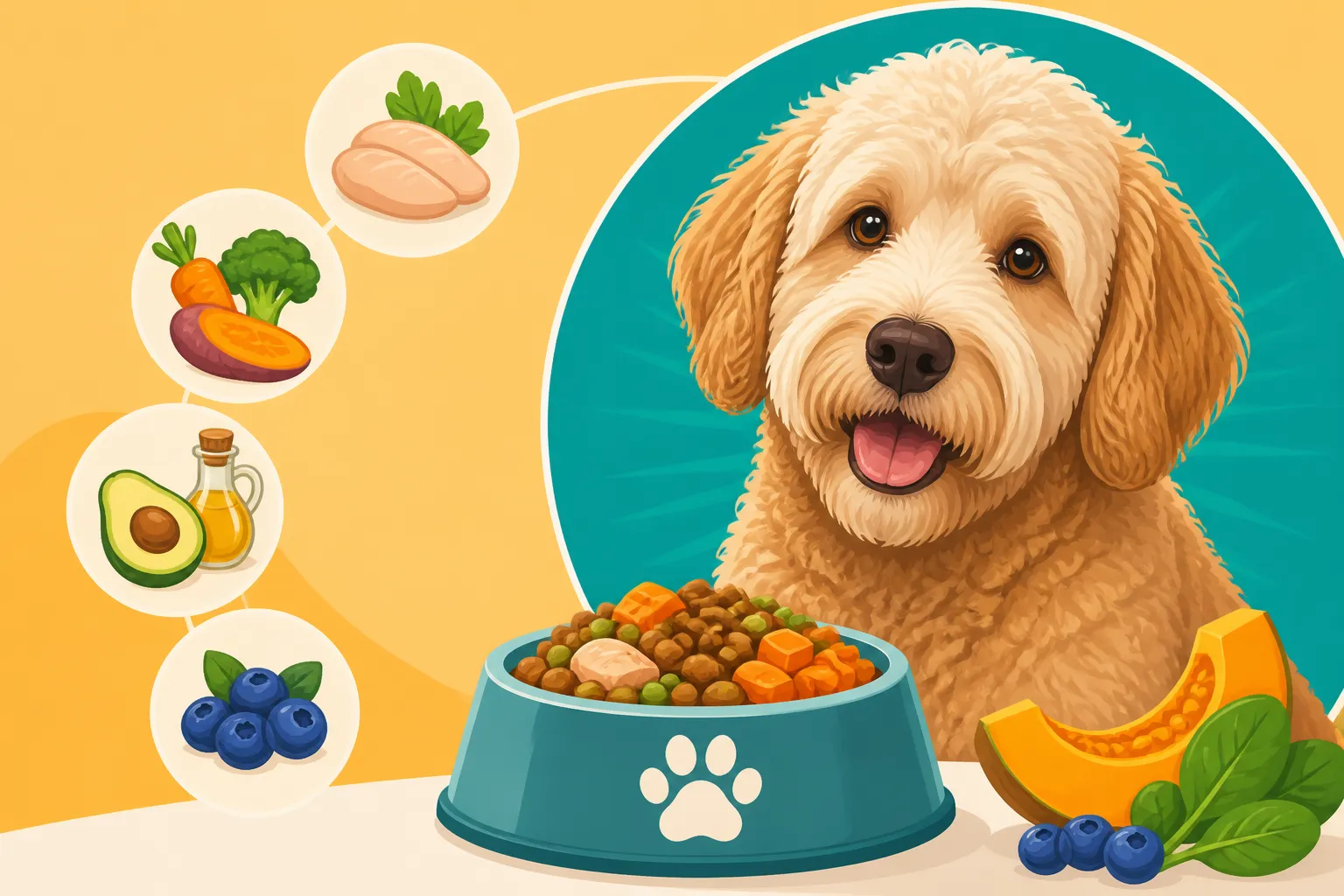
| Antioxidants | Combat cellular damage, cognitive support | Vitamins E & C, Blueberries, Spinach, Carrots |
| Digestible Fiber | Digestive health, regularity | Beet pulp, Pumpkin, Sweet potato, Psyllium |
| L-Carnitine | Fat metabolism, maintain lean muscle | Found in many meats, often added to senior formulas |
| Probiotics | Gut health, nutrient absorption | Fermented ingredients, often added to kibble |
Avoiding Harmful Fillers and Additives
Just as important as what you should look for is what you should avoid. Many lower-quality dog foods are packed with cheap fillers and artificial additives that offer little to no nutritional value and can even be detrimental to a senior Labradoodle's health. Corn, wheat, and soy, while not inherently evil for all dogs, are often used as cheap carbohydrate sources that can be harder for some aging dogs to digest and may contribute to allergies or sensitivities. If your Labradoodle has a sensitive stomach, these should be viewed with caution.
Artificial colors, flavors, and preservatives are also a big no-no. Your Labradoodle doesn't care if their kibble is bright red or shaped like a little bone; they care about how it tastes and how it makes them feel. These synthetic chemicals can be unnecessary burdens on their already aging systems and potentially contribute to health problems or allergic reactions. Look for foods preserved naturally with ingredients like mixed tocopherols (Vitamin E). When reading labels, be wary of vague terms like "animal digest" or "meat by-products" without specific animal identification, as these can indicate lower-quality ingredients. Choosing cleaner, more natural ingredients is a kindness to your aging companion's body.
Wet vs. Dry Food Considerations
The debate between wet and dry food isn't just about preference; for senior Labradoodles, it can have significant health implications. Dry kibble is convenient, often more economical, and can help with dental hygiene to some extent by providing a scraping action against teeth. However, its lower moisture content means your senior Labradoodle needs to drink more water, and if dental issues are present, hard kibble can be painful to chew. Many seniors develop Cataracts in a Middle Aged Labradoodle or other health issues, which can make eating more challenging.
Wet food, on the other hand, offers higher moisture content, which is a huge benefit for senior dogs who might not be drinking as much water as they should or who have kidney concerns. It's also much softer and easier to chew, making it ideal for Labradoodles with dental pain, missing teeth, or sensitive gums. The palatability of wet food is often higher, which can be a lifesaver for picky eaters or dogs with a reduced appetite. A downside can be the cost and the fact that it doesn't offer the same dental benefits. Many owners opt for a mix of both, perhaps softening kibble with warm water or broth, or using wet food as a topper to make dry food more appealing. Sometimes, it's about finding what your specific dog tolerates and enjoys most.
Fresh Food and Home-Cooked Options
The trend of fresh food, whether commercially prepared and delivered or lovingly home-cooked, is gaining traction for many reasons, and senior dogs are often prime candidates. Commercial fresh food services, like those found through places like Ollie, provide carefully balanced, human-grade meals that are typically gently cooked and tailored to your dog's specific needs, including age. These often boast high moisture content, excellent digestibility, and are free from artificial additives, making them very appealing for seniors.
Home-cooked meals offer the ultimate control over ingredients, allowing you to select fresh, whole foods and avoid any allergens or problematic components. This can be particularly beneficial for Labradoodles with multiple sensitivities or very specific dietary requirements due to chronic conditions. However, the biggest challenge with home-cooked meals is ensuring they are nutritionally complete and balanced. It's not enough to simply feed boiled chicken and rice; dogs require a precise balance of vitamins, minerals, protein, fats, and carbohydrates. Working with a veterinary nutritionist to develop a balanced recipe is absolutely essential to prevent nutrient deficiencies or excesses, which can be just as harmful as poor-quality commercial food. Accessing ingredients through a local grocery store or online via a retailer like Amazon can make this option feasible, but always prioritize professional guidance to keep your senior Labradoodle healthy.
Adjusting Feeding Routines and Portion Sizes
It's not just what you feed your senior Labradoodle that matters, but how and when you feed them. Their bodies are less resilient than they once were, and consistency and thoughtful adjustments to their feeding routine can make a big difference in their digestive comfort and overall well-being. Think about how much more gentle and predictable you become in your own eating habits as you age; it's much the same for our dogs.
How Often Should a Senior Labradoodle Eat?
As your Labradoodle moves into their senior years, their digestive system might not be as robust as it once was. Large meals can sometimes lead to indigestion, bloating, or even just general discomfort. Instead of one or two large meals a day, many senior Labradoodles benefit significantly from smaller, more frequent meals. Breaking their daily caloric intake into three or even four smaller servings can ease the burden on their digestive system, allowing for better nutrient absorption and reducing the risk of an upset stomach.
This approach also helps to keep their energy levels more stable throughout the day, preventing those "hangry" dips that can sometimes manifest as restlessness or mild anxiety. For dogs with specific medical conditions like diabetes, multiple small meals can also help manage blood sugar levels more effectively. It requires a bit more planning from your end, but seeing your Labradoodle more comfortable and content after eating is well worth the effort. Consider setting up a routine where breakfast, lunch, and dinner mirror your own mealtimes, making it easier to remember.
Monitoring Weight and Body Condition Score
The biggest mistake many owners make with senior dogs is failing to notice gradual weight changes until they become significant. As mentioned, a slower metabolism combined with potentially decreased activity means your Labradoodle is a prime candidate for weight gain. However, some senior dogs might also lose weight due to underlying health issues, decreased appetite, or difficulty absorbing nutrients. Therefore, consistent monitoring is key.
Weekly or bi-weekly weigh-ins are incredibly useful, especially if you have an easily accessible scale. Beyond the number on the scale, regularly assessing your Labradoodle's body condition score (BCS) is vital. This involves feeling their ribs, spine, and waist. You should be able to easily feel their ribs without pressing hard, and they should have a discernible waist when viewed from above. If their ribs are difficult to feel, or they look like a furry barrel, they're likely overweight. If their ribs are very prominent or their hips jut out, they might be underweight. Making small, incremental adjustments to their portion size based on their weight and BCS is far more effective than making drastic changes once a problem is severe. Your vet can demonstrate how to accurately check their BCS during your annual check-ups. The Weight a Labradoodle Puts On Without Anyone Noticing is a common concern among Labradoodle owners and provides further insight.
The Importance of Hydration
Hydration is crucial for dogs of all ages, but it becomes even more critical for senior Labradoodles. Their kidneys, liver, and other vital organs rely on adequate water intake to function properly. Older dogs may have a reduced thirst drive, or it might simply be more effort for them to get up and walk to their water bowl. Certain medications commonly prescribed to senior dogs can also increase thirst and urination, making it even more important to ensure they have constant access to fresh water.
There are several ways to encourage your senior Labradoodle to drink more. Always have multiple water bowls available throughout the house, ensuring they are clean and filled with fresh water daily. Consider a pet water fountain, as the flowing water can entice some dogs to drink more. As discussed, incorporating wet food into their diet naturally increases their fluid intake. You can also add a splash of low-sodium chicken or beef broth (check ingredients to avoid onion/garlic) to their water bowl to make it more appealing. If you notice a significant decrease in water intake or signs of dehydration (like lethargy, dry gums, or sunken eyes), consult your veterinarian immediately, as it could indicate an underlying health issue.
Incorporating Supplements for Senior Labradoodles
Even with the best senior-specific dog food, sometimes our aging Labradoodles need a little extra boost. Supplements aren't magic pills, but when chosen wisely and used appropriately, they can provide targeted support for common age-related issues, helping to fill nutritional gaps and promote overall vitality. Always remember to discuss any new supplements with your veterinarian to ensure they are safe and appropriate for your individual dog, especially if they are on other medications or have existing health conditions.
Joint Support Supplements (Glucosamine, Chondroitin, Omega-3s)
Joint supplements are practically a rite of passage for many senior Labradoodles, and for good reason. As their cartilage naturally degrades, supplementing with glucosamine and chondroitin can provide the building blocks needed to maintain cartilage health and reduce further breakdown. Glucosamine helps with the repair of cartilage, while chondroitin gives cartilage its elasticity. You'll often find these two working in tandem in many joint formulations.
Beyond these foundational ingredients, omega-3 fatty acids, particularly EPA and DHA from fish oil, are powerhouse anti-inflammatories. They work to reduce the painful inflammation in joints, which can significantly improve comfort and mobility. Many owners report a noticeable difference in their dog's willingness to move, play, and even climb stairs after starting a quality omega-3 supplement. Look for reputable brands that provide third-party testing for purity and potency. You can often find a good selection on platforms like Chewy or Amazon. Whether Glucosamine Helps a Labradoodle's Joints offers more details on this topic.
Antioxidants and Brain Boosters
Just as antioxidants protect our bodies from damage, they play a crucial role in protecting our senior Labradoodle’s cells, including those in the brain. As dogs age, they can experience increased oxidative stress, which contributes to cellular damage and cognitive decline. Supplements rich in antioxidants, such as vitamins E and C, selenium, and specific plant extracts (like grapeseed extract or turmeric), can help neutralize free radicals and support overall cellular health.
Beyond general antioxidants, specific brain-boosting supplements can be beneficial. Medium-chain triglycerides (MCTs) derived from coconut oil can provide an alternative fuel source for the aging brain, which may struggle to utilize glucose efficiently. Some supplements also include L-carnitine, alpha-lipoic acid, or other compounds believed to support mitochondrial function and neuronal health. These supplements aim to keep their minds sharp, their memories intact, and their ability to interact with their environment as robust as possible. When considering these, look for supplements formulated specifically for canine cognitive support.
Digestive Aids and Probiotics
An aging digestive system can be a sensitive one. Senior Labradoodles might experience more frequent bouts of diarrhea, constipation, gas, or general digestive upset due to changes in their gut microbiome or reduced enzyme production. Digestive aids and probiotics can be invaluable in maintaining a healthy gut, which in turn supports overall health and nutrient absorption.
Probiotics introduce beneficial bacteria into the gut, helping to crowd out harmful bacteria and maintain a balanced microbiome. This can lead to improved stool quality, reduced gas, and a stronger immune system. Prebiotics, which are often found alongside probiotics, act as food for these good bacteria, helping them to thrive. Digestive enzymes, on the other hand, can assist with the breakdown of food, making it easier for your Labradoodle to absorb nutrients, especially if their natural enzyme production has decreased. If your senior Labradoodle frequently experiences digestive issues, adding a reputable probiotic or digestive enzyme supplement can often bring significant relief and improve their comfort after meals.
Addressing Common Senior Labradoodle Feeding Challenges
Even with the best intentions and a perfectly formulated diet, feeding a senior Labradoodle isn't always straightforward. They can present unique challenges that require patience, observation, and sometimes a bit of creativity. It's a journey of trial and error to find what works best for your individual dog, and knowing what common hurdles to anticipate can help you navigate them more smoothly.
Picky Eaters and Loss of Appetite
It's truly frustrating when your once food-motivated Labradoodle suddenly turns their nose up at mealtime. Loss of appetite or becoming incredibly picky can be a common issue in senior dogs, and it’s important to treat it seriously. Sometimes, it’s simply a symptom of a reduced sense of smell or taste, making their regular food less appealing. Other times, it can be a red flag for an underlying medical condition, pain (especially dental pain), nausea, or even cognitive decline.
Start by ruling out medical issues with a vet visit. If given a clean bill of health, then it’s time for some strategic mealtime enhancements. Warming wet food or kibble moistened with warm water can enhance its aroma, making it more enticing. Adding a small amount of low-sodium chicken broth (ensure no onion or garlic), plain cooked chicken, or a dollop of pumpkin puree can often spark their interest. Changing the texture of food, moving from dry to wet, or vice versa, might also help. If you use a fresh food service like Ollie, their highly palatable, human-grade ingredients are often very effective at tempting a reluctant eater. Don't be afraid to experiment, but avoid over-feeding treats to compensate, as this can lead to nutritional imbalances. Feeding an Old Labradoodle That Has Slowed Down also touches on appetite changes.
Dental Health and Eating Difficulties
Dental disease is incredibly common in senior dogs, and it can silently wreak havoc on their ability and willingness to eat. Painful gums, loose teeth, or infections can make chewing hard kibble excruciating. Imagine trying to eat a crunchy meal with a severe toothache – it's no wonder your Labradoodle might be refusing food or dropping pieces from their mouth. Ignoring dental health in seniors isn't just about bad breath; it's about their fundamental ability to nourish themselves.
Regular dental check-ups and professional cleanings are paramount throughout your Labradoodle's life, and especially as they age. If dental issues are present, your vet might recommend extractions or other procedures to alleviate pain. In the interim or long term, adjusting their food consistency is crucial. Switching to canned food, soaking kibble in warm water or broth until it's soft, or feeding a high-quality fresh food diet are excellent ways to ensure they can eat comfortably without pain. You might even consider smaller meal sizes presented on a flat dish if head tilting or reaching is difficult. A comfortable mouth makes for a much happier eater.
Managing Specific Health Conditions (Kidney, Liver, Diabetes)
When a senior Labradoodle develops a specific health condition like kidney disease, liver disease, or diabetes, their dietary needs become even more specialized. These conditions aren't just minor inconveniences; they require precise nutritional management to slow progression, manage symptoms, and improve quality of life. General senior dog food might not be enough.
For instance, dogs with kidney disease often require a diet restricted in phosphorus and protein, with specific protein sources that are highly digestible. Dogs with liver disease may need a diet with easily metabolized carbohydrates and specific protein levels. Diabetic dogs, on the other hand, benefit from diets with stable, complex carbohydrates and consistent feeding schedules to help manage blood sugar. It's truly a scenario where generalized advice falls short. In these cases, your veterinarian will be your most important resource. They can recommend specific prescription diets (available through vet clinics or sometimes through online retailers like Chewy with a vet authorization) formulated to address these conditions, or they may refer you to a veterinary nutritionist to create a tailored home-cooked plan. Never attempt to manage these serious conditions with diet changes without professional veterinary guidance, as incorrect modifications can cause more harm than good. Whether Long Term Steroids Give a Labradoodle Diabetes covers another angle of this particular concern.
Disclaimer
This article is for general informational purposes only and does not constitute professional advice. Laws, prices and regulations vary by location and change over time. Consult a qualified professional for guidance on your specific situation.