What Changes in an Old Labradoodle’s Coat
It's heartbreaking to see our vibrant, bouncy Labradoodles start to slow down and show their age, isn't it? One of the most visible, yet often underestimated, changes you'll notice in your beloved companion is in their beautiful, often high-maintenance, coat. This guide will walk you through the common transformations that occur in an old Labradoodle's fur and skin, helping you understand what to expect and how to adapt your care routine to keep them comfortable and happy in their golden years.
The Inevitable Graying of the Muzzle and Beyond
Just like us, our Labradoodles don't escape the march of time without showing a few silver strands. That once uniformly colored face begins to speckle, and before you know it, their muzzle looks like it's been dusted with powdered sugar. It's a bittersweet sign of their wisdom and the many happy years you've shared.
When Gray Hairs First Appear
For most Labradoodles, those first tell-tale gray hairs usually make their debut around the muzzle and chin, often starting subtly when they are still considered middle-aged, perhaps around The Birthday a Labradoodle Counts as Senior. It's not an overnight transformation; rather, it’s a gradual salt-and-pepper effect that slowly takes over. You might notice it more acutely after a fresh groom, when the longer, darker hairs have been trimmed, allowing the nascent grays to stand out. Some dogs might show hints of gray as early as five or six, especially if they carry genes for early graying or are under significant stress, while others might hold onto their youthful color until well past eight or nine. The specific timing can vary wildly, even among littermates, but it’s a universal sign of aging.
Understanding the Pattern of Color Fading
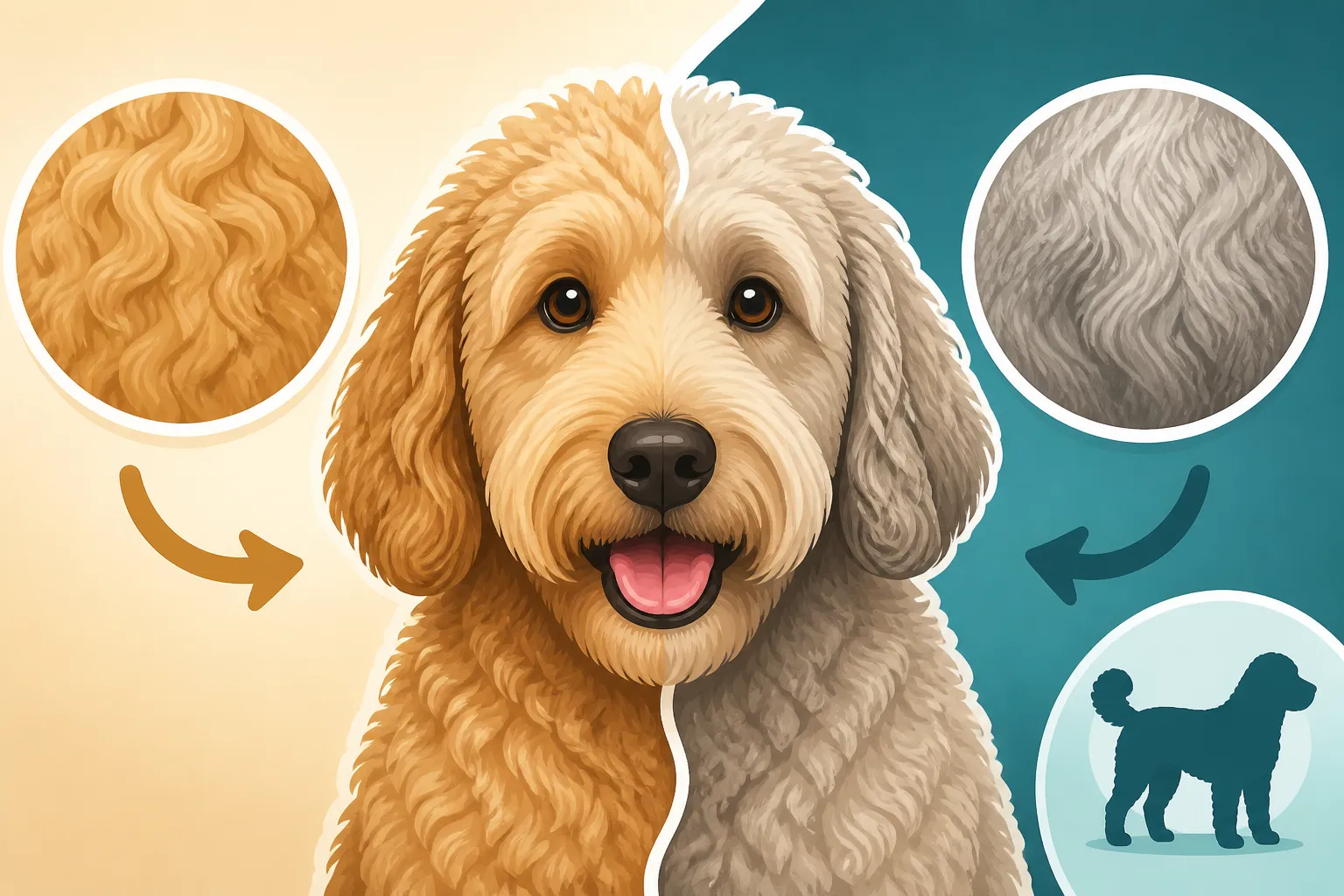
The graying isn't always uniform, nor is it limited to just the face. While the muzzle is typically the first and most prominent area, you might also observe silvering around the eyes, on the eyebrows, and sometimes even spreading into the chest and paws. For dogs with darker coats, like chocolate or black Labradoodles, the fading might appear more dramatic, often turning a duller shade before the gray truly sets in. Lighter-coated Labradoodles, such as creams or apricots, might simply seem to lose some of their vibrancy, their coat becoming a more washed-out version of its former self. Whether a Labradoodle's Color Fades With Age is a common question, and the answer is a resounding yes, although the exact presentation differs from dog to dog. This fading isn't just about individual hairs turning gray; sometimes, the overall pigmentation of the entire coat can lessen, giving a softer, less intense appearance to their original color.
Beyond Aesthetics: What Graying Might Signify
While graying is largely a cosmetic sign of aging, it can sometimes be linked to other internal processes. Stress, for example, can accelerate graying in some dogs, much like it does in humans. A chronic health issue or ongoing anxiety could potentially lead to premature graying, though this is less common than simple genetic predisposition. More importantly, seeing those gray hairs serves as a gentle reminder to start thinking about your Labradoodle as a senior. This means it's time to consider things like The Yearly Screening a Labradoodle Should Get to catch any age-related health issues early, and to perhaps begin adjusting their diet and exercise routine to better suit their changing needs. It’s not just about what you see on the surface, but understanding the deeper physiological shifts that are beginning to occur, prompting you to be even more vigilant and attentive to their overall well-being.
Texture Transformations: From Puppy Fluff to Senior Strands
The youthful Labradoodle coat, whether it was soft fleece or curly wool, had a certain spring and resilience. As they age, this too undergoes a transformation, sometimes subtly, sometimes quite dramatically, affecting both its feel and its manageability.
Coarsening or Softening of the Coat
One of the most noticeable changes in an older Labradoodle's coat is its texture. For many, the once soft, silky fleece or plush wool coat might start to feel coarser to the touch. This can be particularly true for dogs that spend a lot of time outdoors or whose diets aren't perfectly balanced. The individual hair shafts may become thicker and less pliable, losing some of that youthful bounce. On the flip side, some Labradoodles might experience a thinning of the coat that results in it feeling surprisingly softer, almost wispy, in certain areas. This isn't necessarily a good thing, as it can be a precursor to increased matting or even indicate underlying health concerns. You might run your hands over your dog's back and notice patches that feel different from others, perhaps a bit wirier near the spine and softer on the flanks.
Changes in Curl Pattern and Density
Remember that perfectly spiraled curl or flowing wave your Labradoodle had in its prime? That can change too. As dogs age, the elasticity of their skin and hair follicles can diminish, leading to a loosening or tightening of the curl pattern. A dog with a tight wool coat might find their curls becoming a little more relaxed and open, while a fleece-coated Labradoodle might see their waves become straighter or even slightly more unruly. Accompanying this, you'll often notice a decrease in overall coat density. The undercoat, which provides much of the volume and insulation, can thin out, making the coat appear flatter and less luxuriant. When you're How Many Times a Week a Labradoodle Needs Brushing, you might start feeling the brush hitting their skin more easily, particularly over their hips and shoulders, signaling this loss of density. This change in density also impacts their ability to regulate body temperature, which we'll delve into later.
The Impact of Medical Conditions on Texture
While many coat changes are a natural part of aging, a sudden or severe shift in texture can be a red flag for underlying medical conditions. Hypothyroidism, for instance, a common issue in senior dogs, can lead to a dull, dry, and brittle coat that is prone to breakage and thinning. Thyroid Failure in a Labradoodle is certainly something to watch out for. Skin infections, allergies, or even more serious conditions like Cushing's disease can also manifest as significant changes in coat quality, from extreme greasiness or dryness to patchy hair loss and inflammation. If you notice any dramatic or uneven changes in your Labradoodle's coat texture, especially if accompanied by other symptoms like lethargy, changes in appetite, or excessive scratching, it's always best to consult your veterinarian. They can help rule out any medical issues that might be contributing to the coat's decline and recommend appropriate treatments.
Dealing with Increased Matting and Thinning
One of the most frustrating aspects of an aging Labradoodle's coat is the increased propensity for matting, often coupled with areas of thinning. What was once a manageable grooming routine can suddenly feel like an uphill battle.
Why Senior Coats Are More Prone to Mats
Several factors contribute to increased matting in senior Labradoodles. Firstly, the change in texture we discussed—whether it's coarsening or a fine, wispy thinning—makes the coat less resilient and more susceptible to tangles. Older dogs also tend to be less active, spending more time lying down, which can create pressure points where mats form easily, such as behind the ears, in the armpits, or along the flanks. Furthermore, older dogs might develop arthritis or joint pain, making them less cooperative during grooming sessions. They might resist having certain areas brushed, or simply not be able to stand comfortably for extended periods. This reduced tolerance for handling, combined with a coat that tangles more easily, creates a perfect storm for stubborn mats to develop quickly. You might find yourself needing to check for Mats Behind a Labradoodle's Ears and other common friction points almost daily.
Addressing Patchy Thinning and Hair Loss
Beyond just general thinning, you might also start to notice distinct patches of hair loss or areas where the coat seems particularly sparse. This can be alarming, but it's important to differentiate between normal age-related thinning and something more serious. Hormonal imbalances, such as those caused by thyroid issues, are a frequent culprit for symmetrical hair loss. Allergies, whether environmental or food-related, can lead to localized scratching and irritation, resulting in patchy hair loss. External parasites, though less common in well-cared-for senior dogs, can also cause itching and subsequent hair loss. If the thinning is uneven, accompanied by redness, scabbing, or excessive scratching, it's definitely time for a vet visit. However, if it's a gradual, symmetrical thinning without skin irritation, it could simply be a natural part of their aging process.
Preventative Measures and Daily Care
To combat increased matting and thinning, your grooming strategy needs an upgrade for your senior Labradoodle. Regular, gentle brushing becomes even more crucial. Invest in a soft slicker brush and a good metal comb, and make it a calm, comfortable ritual, perhaps while your dog is relaxing after a short walk. You might need to break up grooming into shorter, more frequent sessions to accommodate their comfort levels. Consider using a detangling spray to make brushing easier and less painful. For thinning areas, ensure the skin is clean and moisturized.
When it comes to thinning, diet plays a huge role. Look for senior-specific dog foods that are rich in Omega-3 and Omega-6 fatty acids, which are fantastic for skin and coat health. Brands like Ollie offer fresh, customized meal plans that often provide superior nutrition for older dogs, which can really help support coat quality from the inside out. Supplements like fish oil or biotin can also be beneficial, but always discuss these with your vet before introducing them.
Table: Common Coat Changes in Senior Labradoodles
| Feature | Young Adult Labradoodle | Senior Labradoodle | Grooming Impact |
|---|---|---|---|
| Color | Vibrant, uniform pigmentation | Graying on muzzle, around eyes; overall fading | More visible sparse areas, less forgiving of missed spots |
| Texture | Soft, silky fleece or plush, resilient wool | May become coarser, more brittle, or thinner and wispy | Increased matting, tangles, delicate to brush |
| Density | Thick, full, good undercoat | Thinner, sparser, undercoat less dense | Less insulation, more vulnerable skin, quicker matting |
| Curl Pattern | Consistent, defined waves or spirals | May loosen, straighten, or become more erratic | Tangles more easily, can look unkempt quickly |
| Skin Health | Supple, hydrated | Drier, flakier, potentially more sensitive or prone to lesions | Requires gentle products, careful handling during grooming |
| Matting Tendency | Moderate, usually manageable with regular brushing | High, mats form quickly in friction areas | Daily attention often needed, shorter clips may be essential |
Skin Health Changes Accompanying Coat Aging
The coat isn't the only thing changing; the skin underneath, which is the foundation for healthy fur, also undergoes significant shifts as your Labradoodle enters their senior years. These changes can often lead to discomfort and exacerbate coat issues.
Dryness, Flakiness, and Itching
As Labradoodles age, their skin often becomes drier and less elastic. This is a natural part of the aging process, similar to how human skin changes. This dryness can lead to flakiness, a duller coat, and sometimes even persistent itching. You might notice your dog scratching more frequently, even if there are no visible fleas or obvious irritations. This dry skin is more fragile and prone to irritation, making them more sensitive to harsh shampoos or environmental allergens. The natural oils that kept their skin supple in their youth may not be produced as effectively, leaving the skin vulnerable. Using a good quality, moisturizing shampoo and conditioner formulated for sensitive skin is paramount, and ensure Drying a Labradoodle to the Skin After a Bath is done gently and thoroughly to prevent skin issues.
Increased Sensitivity and Lesions
Older skin is simply more delicate. You might find that your Labradoodle, who once tolerated a robust scratch, now flinches at a strong rub. They can be more prone to skin tags, benign lumps (though always get new lumps checked by your vet to rule out Cancer in an Older Labradoodle), and areas of hyperpigmentation (darkening of the skin). Sun exposure can also become more of a concern if their coat has thinned, as their pale skin might be more susceptible to sunburn, especially on the belly or nose. Furthermore, any minor scrape or irritation can take longer to heal, making infection a greater risk. Regular gentle checks of their skin during grooming, feeling for any new bumps or sensitive spots, are incredibly important for senior dogs.
The Role of Nutrition and Supplements for Skin and Coat
Just as good nutrition supports a healthy body, it also plays a crucial role in maintaining healthy skin and coat in older dogs. A diet rich in high-quality proteins, essential fatty acids (Omegas 3 and 6), and antioxidants can significantly improve skin hydration and coat luster. Many senior dog foods are specifically formulated with these ingredients to support aging skin and joint health. You might find that reputable pet food retailers like Chewy offer a wide selection of senior-specific diets and supplements designed to address these concerns. If your dog is still itchy or has very dry skin despite a good diet, your vet might recommend specific supplements. Fish oil, for example, is a popular choice for its anti-inflammatory properties and its ability to boost skin and coat health. Certain probiotics can also indirectly improve skin health by supporting gut health, which is surprisingly linked. For dogs prone to chronic skin issues, a veterinary dermatologist might suggest specific therapeutic diets or prescription-strength supplements.
Seasonal Shifts and Temperature Regulation Challenges
That thick, insulating Labradoodle coat, so effective in their younger years, can become a double-edged sword as they age. Changes in coat density and underlying health issues can make temperature regulation a real challenge.
Coping with Heat and Sun Exposure
As your Labradoodle's coat thins, it might seem counterintuitive, but they can still struggle with heat. While a thinner coat might initially seem to offer less insulation, if the remaining hair is coarse or prone to matting, it can still trap heat against the skin. Moreover, thinning hair means their skin is more exposed to the sun's harmful rays, increasing the risk of sunburn, especially on areas like the ears, nose, and belly. Older dogs are also more susceptible to heatstroke due to their reduced ability to efficiently regulate body temperature and potential underlying health conditions like heart or respiratory issues. On hot days, limit outdoor exercise to cooler morning and evening hours, ensure constant access to fresh water, and consider using cooling mats or elevated beds. A lighter, shorter clip in summer might seem like a good idea, and Whether a Labradoodle Should Be Clipped in Summer is a frequent discussion point among owners, but be cautious not to shave too short, as this can expose delicate skin to sunburn.
Protecting Against Cold Weather
Conversely, a thinning coat also means less natural insulation against the cold. Your senior Labradoodle might shiver more easily, seek out warm spots, and be less enthusiastic about walks in chilly weather. This is especially true if they have lost significant undercoat density. Older dogs, particularly those with arthritis or other joint pain, can feel the cold much more acutely, which can stiffen their joints and cause discomfort. Providing a warm, draft-free sleeping area, perhaps with a heated bed or extra blankets, is essential. For walks, consider a dog coat or sweater, especially if they have a short clip or a naturally thinner coat. When you're thinking about Keeping an Old Labradoodle Comfortable in Winter, remember that their internal thermostat isn't as efficient as it once was, and they need a little extra help staying cozy.
Impact of Coat Thinning on Comfort
The overall thinning of the coat impacts not just temperature regulation but also their general comfort. Without the thick padding of a youthful coat, pressure points on their body might become more sensitive when lying down, potentially leading to calluses or even bedsores in very frail dogs. This makes comfortable bedding, such as orthopedic beds, absolutely crucial for senior Labradoodles. These beds can be found easily on platforms like Amazon and offer superior support for aching joints and bony prominences. The lack of a dense coat also means less protection from minor bumps and scrapes, making their skin more vulnerable to everyday injuries. Careful attention to their environment, ensuring soft surfaces and avoiding rough play, becomes more important as their natural "armor" diminishes.
Grooming Adjustments for the Senior Labradoodle Coat
Grooming a senior Labradoodle requires a tender touch, patience, and often, a revised approach. What worked when they were a boisterous puppy might now be too much for their aging body and sensitive skin.
Gentler Brushing and Detangling Techniques
As discussed, senior coats are more prone to matting and their skin is more delicate. This means your brushing technique needs to be adjusted. Ditch any harsh pulling or yanking; instead, opt for shorter, more frequent sessions. Use a soft slicker brush for the main body and a fine-toothed comb for delicate areas like behind the ears, armpits, and paws. Always brush in the direction of hair growth, and use a detangling spray to lubricate the coat and minimize pulling. Support their body gently, especially if they have joint pain. For example, if you need to brush their hindquarters, gently support their hip or allow them to lie down comfortably. If they seem uncomfortable, take a break. Building positive associations with grooming is even more vital now; treats and praise can go a long way. Patience truly is a virtue when grooming an older dog.
Frequency of Professional Grooming
While daily home grooming is important, professional grooming remains essential, but perhaps with some modifications. A professional groomer experienced with senior dogs can identify mats you might have missed and ensure a thorough, yet gentle, clip and bath. You might consider increasing the frequency of shorter grooming appointments, rather than less frequent, long sessions. For example, instead of every 8-10 weeks, you might opt for every 4-6 weeks with shorter clips to prevent extensive matting. Discuss your dog's specific needs with your groomer. They can recommend shorter styles, like a modified "kennel clip" or a comfortable "teddy bear clip," which are easier to maintain between professional visits and reduce the stress of long grooming sessions. They can also ensure proper ear cleaning, an important part of Caring for a Labradoodle Past Ten, as older dogs can be more prone to ear infections.
Making Bathing a More Comfortable Experience
Bathing an older Labradoodle can be physically challenging for both you and your dog. Their reduced mobility means they might struggle to stand in the tub, and slippery surfaces can be dangerous. Use a non-slip mat in the tub, and consider a handheld shower attachment for easier rinsing. Opt for lukewarm water, never too hot or too cold, to avoid shocking their system. Choose a gentle, hypoallergenic shampoo and conditioner, as their skin is more sensitive. Thorough rinsing is critical to prevent residue buildup, which can irritate dry, aging skin. After the bath, gently towel dry, then use a low-heat dryer, brushing gently to prevent tangles as the coat dries. Avoid forcing them to stand for long periods; allow them to rest as needed. For dogs with significant mobility issues, a groomer or a mobile grooming service might be a safer and more comfortable option. Remember, the goal is to make grooming a positive, low-stress experience for your senior companion.
Disclaimer
This article is for general informational purposes only and does not constitute professional advice. Laws, prices and regulations vary by location and change over time. Consult a qualified professional for guidance on your specific situation.