Thyroid Failure in a Labradoodle
It's incredibly frustrating when your beloved Labradoodle starts acting a little "off" – maybe they're gaining weight despite no change in diet, or their once-lustrous coat is looking dull and patchy. These subtle shifts can be so easy to dismiss as just a part of aging or a less-than-stellar grooming session, but for many Labradoodle owners, these can be the first whispers of a deeper issue: thyroid failure. This comprehensive guide will walk you through everything you need to know about hypothyroidism in Labradoodles, from recognizing those sneaky symptoms to understanding diagnosis and effective management, helping you advocate for your furry family member.
Understanding Hypothyroidism in Labradoodles
Hypothyroidism, often simply called an underactive thyroid, is a relatively common endocrine disorder in dogs. It means your Labradoodle's thyroid gland isn't producing enough thyroid hormones, which are absolutely crucial for regulating metabolism and nearly every bodily function. When these hormones drop below normal levels, it can throw everything out of whack, leading to a cascade of symptoms that can be confusing and concerning for owners.
What is Hypothyroidism?
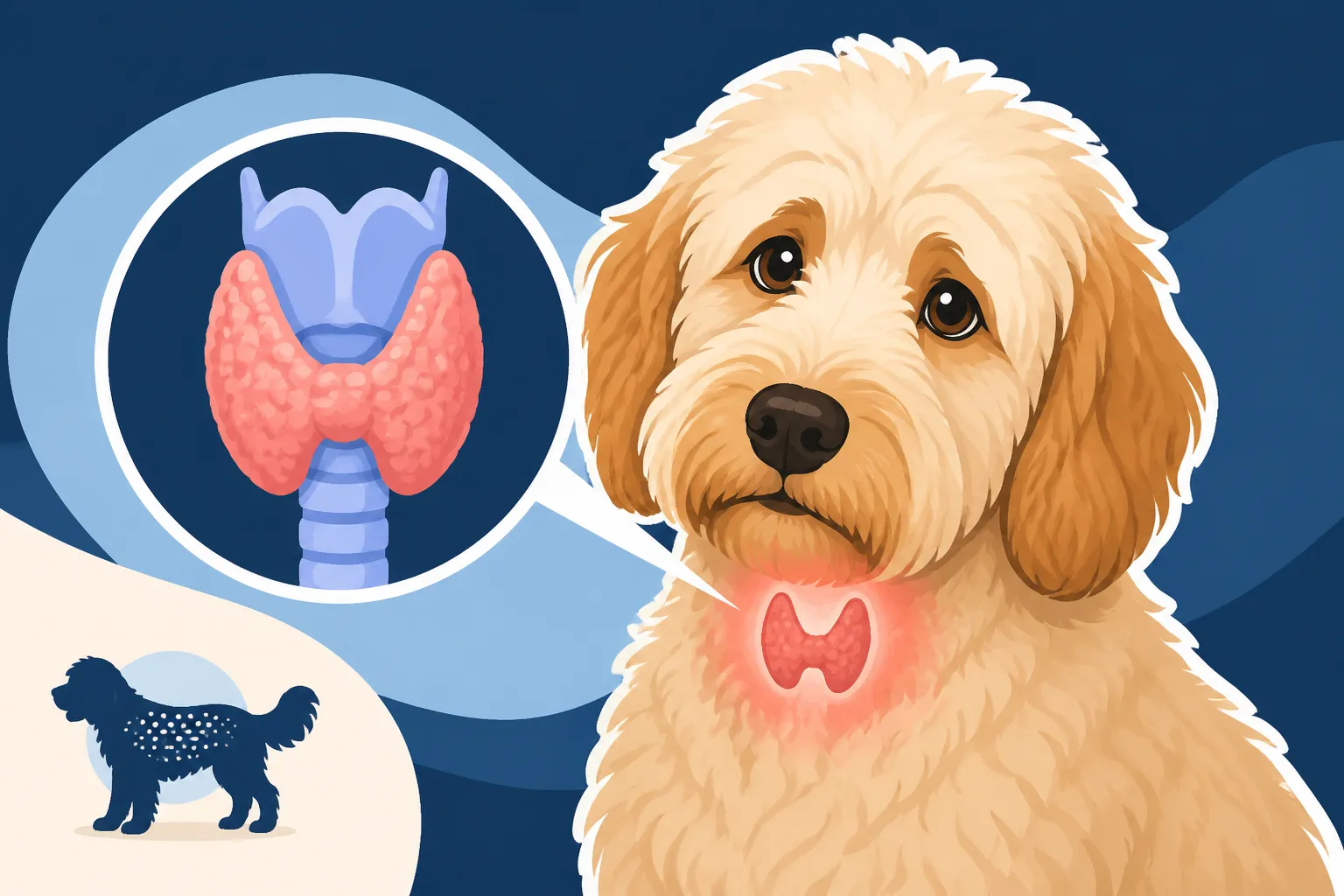
Imagine your dog's body as a complex machine, and the thyroid hormones are the essential fuel that keeps it running smoothly and efficiently. The thyroid gland itself is a small, butterfly-shaped gland located in your Labradoodle's neck, just below the larynx. Its primary job is to produce, store, and release two main hormones: thyroxine (T4) and triiodothyronine (T3). These hormones influence a vast array of metabolic processes, including heart rate, body temperature, digestion, skin health, and energy levels. They literally tell the cells how quickly to work.
When a Labradoodle develops hypothyroidism, it means this vital gland isn't doing its job adequately. The production of T4 and T3 slows down significantly, leading to a reduced metabolic rate throughout the body. This slowdown affects everything from how quickly their hair grows to how much energy they have, often making them feel sluggish and unwell. It's not an immediate, dramatic collapse, but rather a slow, insidious decline that can be hard to pinpoint initially.
Why Labradoodles?
The sad reality is that some breeds are simply more prone to certain health conditions, and Labradoodles, inheriting traits from both the Labrador Retriever and the Poodle, fall into a category of breeds with an increased risk for hypothyroidism. While any dog can develop thyroid issues, certain breeds show a higher predisposition, and both parent breeds are on that list. Poodles, in particular, are known for a higher incidence of autoimmune diseases, which is a significant factor in canine hypothyroidism.
Research has shown that breeds like Golden Retrievers, Doberman Pinschers, Irish Setters, and Poodles have a genetic component that makes them more susceptible. When you combine the genetic backgrounds of a Labrador and a Poodle, you inherently bring together some of these predispositions. This doesn't mean every Labradoodle will develop it, but it certainly elevates their risk compared to some other breeds. It’s one of those things that, as a Labradoodle owner, you just need to be aware of and keep an eye out for.
The Different Types of Thyroid Failure
When we talk about thyroid failure in Labradoodles, we're typically referring to primary hypothyroidism, which accounts for over 95% of all cases in dogs. This means the problem lies directly with the thyroid gland itself. Within primary hypothyroidism, the most common cause is an autoimmune condition called lymphocytic thyroiditis. In this scenario, the dog's own immune system mistakenly attacks and destroys the thyroid gland tissue, leading to a gradual decline in hormone production. It’s a bit like the body turning against itself.
Another less common cause of primary hypothyroidism is idiopathic thyroid atrophy, where the gland simply shrinks and wastes away for no known reason. While secondary hypothyroidism (where a problem with the pituitary gland prevents it from stimulating the thyroid) and congenital hypothyroidism (present from birth) can occur, they are far rarer in adult Labradoodles. Most often, if your adult Labradoodle is diagnosed, it will be due to one of these primary causes, particularly the autoimmune form. Understanding this helps your vet target the right diagnostic approach.
Recognizing the Subtle Signs of Thyroid Failure
One of the trickiest aspects of hypothyroidism is that its symptoms are often vague and can mimic other conditions or simply be attributed to aging. This is especially true in the early stages, making it easy for even the most observant owner to miss. But paying close attention to small, persistent changes in your Labradoodle's behavior, energy, and physical appearance can make all the difference.
Early, Vague Symptoms
Initially, you might notice your Labradoodle just seems a little "off." They might be less enthusiastic about their morning walk or seem to tire more quickly than before. You might chalk it up to a particularly active day or just getting older. However, a persistent lack of energy or lethargy is a hallmark sign. They might sleep more, play less, and generally seem disengaged. Weight gain, despite no change in food intake or even a reduction in activity, is another common early indicator. Suddenly, your active Labradoodle is packing on the pounds, and you're left scratching your head, wondering if you're overfeeding them. This metabolic slowdown means their body isn't burning calories as efficiently.
Many owners also report their dogs seem less tolerant of cold weather. While Labradoodles aren't typically bothered by a chilly day, a hypothyroid dog might seek out warm spots more frequently, shiver more, or seem uncomfortable in temperatures they once handled with ease. These signs, on their own, are subtle enough to be dismissed, but when they start piling up, it’s a good time to consider a vet visit. It's easy to mistake these for something like general aging, which is why it's so important to connect the dots. You can read more about what to watch for in an older dog in our article, "What a Labradoodle Owner Should Watch For After Eight."
Skin and Coat Changes
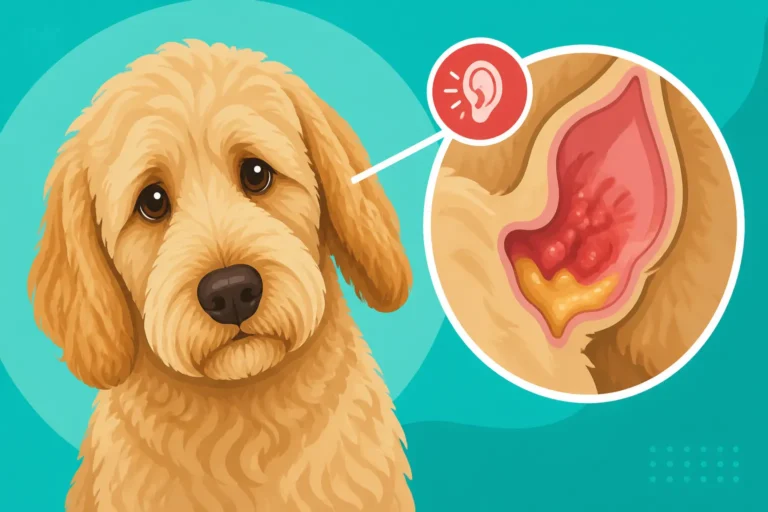
The skin and coat are often the first places where more overt signs of hypothyroidism manifest. Thyroid hormones play a crucial role in hair growth and skin health, so when they are deficient, the effects can be quite visible. You might notice your Labradoodle's coat losing its characteristic shine, becoming dry, brittle, and sparse. Hair loss is common, particularly on the flanks, tail (leading to what's often called a "rat tail"), and the bridge of the nose, but usually not on the head or limbs. The hair doesn't just fall out; it often fails to regrow after shedding or clipping. This can be particularly distressing if you're used to their thick, luscious coat.
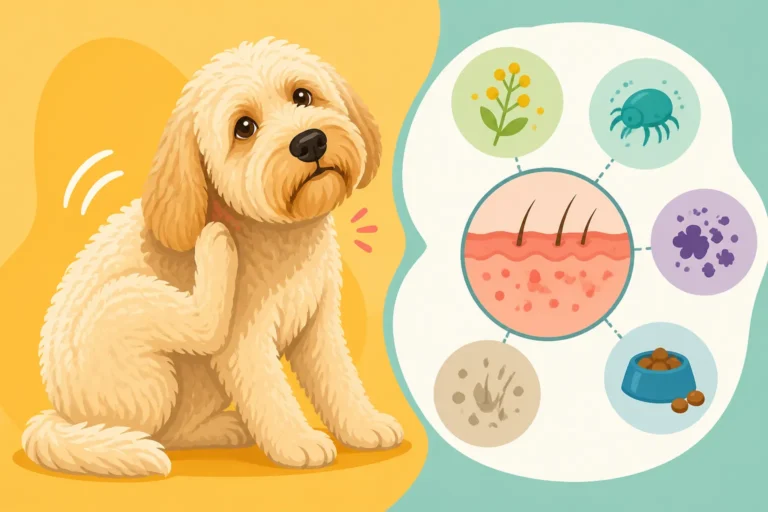
Beyond hair loss, the skin itself can suffer. It might become dry, flaky, and prone to secondary bacterial or yeast infections due to a compromised skin barrier. Some Labradoodles develop hyperpigmentation, where patches of skin darken, becoming almost leathery. This can be confused with other skin conditions, such as allergies or sebaceous adenitis, so a proper diagnosis is key. If you've noticed your "Labradoodle's Coat Thins in Patches," this could definitely be a sign of thyroid issues.
Behavioral Shifts
While less commonly discussed than physical symptoms, hypothyroidism can also impact your Labradoodle's demeanor and behavior. Because thyroid hormones affect brain function and neurotransmitter balance, a deficiency can sometimes lead to noticeable changes in personality. You might find your usually outgoing and cheerful Labradoodle becoming withdrawn, quiet, or even depressed. They might seem less interested in interacting with family members or their favorite toys. This isn't just a lack of energy; it's a change in their emotional state.
In some cases, dogs with hypothyroidism can become unusually anxious or even exhibit uncharacteristic aggression. A dog that was once calm and friendly might start to snap or growl without clear provocation. This can be particularly alarming for owners and is often a sign that something deeper is amiss. It’s important to note that these behavioral changes are less common and usually occur alongside more classic physical symptoms. If you're seeing sudden, drastic changes in your Labradoodle's temperament, especially coupled with other physical symptoms, it’s definitely time to consult your veterinarian. These kinds of shifts can be very concerning and frustrating to navigate.
Diagnosing Thyroid Failure in Your Labradoodle
When you suspect thyroid issues, getting an accurate diagnosis from your veterinarian is crucial. It’s not always a straightforward process because, as mentioned, the symptoms can be vague and overlap with other health concerns. Your vet will typically approach this by combining a thorough physical examination with specific blood tests designed to evaluate thyroid function.
The Initial Veterinary Examination
Your veterinarian will begin with a comprehensive physical exam, listening to your concerns about changes in your Labradoodle's energy, weight, coat, or behavior. They'll check your dog's weight, body condition, and look for classic physical signs like dry skin, patchy hair loss (especially on the tail and flanks), and a dull coat. They might also palpate your dog's neck area, though the thyroid gland is usually too small to feel unless it’s significantly enlarged, which is uncommon in hypothyroidism. This initial assessment helps them build a picture of your dog's overall health and decide which diagnostic tests are most appropriate.
Next, a series of blood tests will be ordered. The most common and important tests for diagnosing hypothyroidism include:
- Total T4 (TT4): This measures the total amount of thyroxine circulating in the blood. A low TT4 is a strong indicator of hypothyroidism, but it can also be influenced by other illnesses, medications (like steroids), or even diet.
- Free T4 (FT4): This measures the unbound, biologically active form of T4. It's often considered a more reliable indicator than TT4 because it's less affected by non-thyroidal factors.
- Thyroid-Stimulating Hormone (TSH): Produced by the pituitary gland, TSH stimulates the thyroid to produce T4 and T3. In primary hypothyroidism, the thyroid gland isn't responding, so the pituitary gland tries harder by releasing more TSH, leading to an elevated TSH level in the blood.
- Thyroglobulin Autoantibodies (TgAA): This test checks for antibodies that attack the thyroid gland. A positive result indicates autoimmune thyroiditis, the most common cause of primary hypothyroidism.
A full diagnostic panel will often include a complete blood count (CBC) and a biochemistry profile to rule out other diseases and assess organ function. This comprehensive approach ensures that the diagnosis is accurate and that any other underlying conditions are identified. Healthy Paws, a popular pet insurance provider, often covers these types of diagnostic tests, which can be a huge relief given the potential costs.
Interpreting the Results
Interpreting thyroid test results can sometimes be a bit like solving a puzzle, even for experienced vets. A definitive diagnosis usually requires a combination of a low TT4 and/or FT4 and an elevated TSH. If your Labradoodle has a low T4 but a normal TSH, it might indicate a non-thyroidal illness (often called "sick euthyroid syndrome") where another health issue is temporarily suppressing thyroid hormone levels. This is why a single low T4 reading isn't enough for a diagnosis.
Conversely, a high TSH with a normal T4 might suggest subclinical hypothyroidism, meaning the thyroid is starting to fail but can still produce enough hormones under maximum stimulation from TSH. In these cases, your vet might recommend retesting in a few months or starting a trial treatment if clinical signs are strong. The presence of TgAA, even if T4 and TSH are borderline, can also be very helpful in confirming autoimmune thyroiditis. It’s all about putting the pieces together from multiple tests and your Labradoodle’s clinical signs.
Ruling Out Other Conditions
Because hypothyroidism symptoms are so varied, your vet will want to rule out other health issues that could be causing similar signs. For instance, weight gain and lethargy could point to conditions like Cushing's disease or even just simple obesity. You can learn more about how to manage your Labradoodle's weight in our post, "The Weight a Labradoodle Should Hold." Skin and coat problems might initially suggest allergies, parasites, or even Sebaceous Adenitis in a Labradoodle's Skin, which is another condition that can cause coat loss.
Even behavioral changes can have multiple causes, from pain to other neurological issues. This is why the comprehensive blood panel, often alongside other diagnostic tools like urinalysis, is so important. For example, the vague signs of Addison's disease can sometimes overlap with hypothyroidism, making it crucial to differentiate. You can read about those overlapping signs in our article, "The Vague Signs of Addison's in a Labradoodle." Your vet's goal is to ensure they are treating the correct underlying problem, providing the best possible outcome for your Labradoodle. This thorough diagnostic process can seem extensive, but it truly sets the stage for effective treatment.
Managing Hypothyroidism: Treatment and Lifestyle Adjustments
Once your Labradoodle has a confirmed diagnosis of hypothyroidism, the good news is that it’s a very manageable condition. While it requires lifelong treatment, the vast majority of dogs respond incredibly well to medication, and their quality of life can improve dramatically. The key is consistency and close monitoring with your veterinarian.
Daily Medication
The primary treatment for hypothyroidism in dogs is oral hormone replacement therapy using a synthetic thyroid hormone called levothyroxine, often referred to as L-thyroxine or Soloxine. This medication essentially replaces the hormones your Labradoodle's thyroid gland isn't producing. It's usually given once or twice daily, and it's absolutely crucial to administer it consistently at the same time each day, often on an empty stomach (or with a small, consistent amount of food, depending on your vet's advice), as food can sometimes interfere with absorption.
The dosage is calculated based on your Labradoodle's body weight, but it often needs to be adjusted based on their individual response and follow-up blood tests. You’ll be amazed at how quickly you might see improvements – often within a few weeks, your Labradoodle's energy levels can return, and over the course of a few months, their coat quality will start to improve. This daily commitment is similar to what owners face with other chronic conditions, like Life on Daily Medication for an Addisonian Labradoodle. It becomes a routine, and soon, it's just a normal part of your dog's day.
Monitoring and Adjusting Treatment
Starting medication is just the first step. The next critical phase involves careful monitoring to ensure your Labradoodle is on the correct dose. Your vet will schedule follow-up blood tests, typically about 4-6 weeks after starting treatment and after any dosage changes. These tests will measure their T4 levels again, usually 4-6 hours after their morning dose, to see if the medication is bringing their hormone levels into the normal range. It's a bit of a balancing act, as too little medication won't resolve symptoms, and too much can lead to hyperthyroidism, causing symptoms like excessive thirst, hyperactivity, and weight loss.
Once a stable and effective dose is found, your Labradoodle will still need regular blood work, often every 6-12 months, to ensure the dose remains appropriate throughout their life. Factors like age, weight changes, or the development of other health conditions can sometimes necessitate a dosage adjustment. It's a partnership between you, your vet, and your Labradoodle, ensuring they continue to thrive.
Supporting Your Labradoodle's Overall Well-being
Beyond medication, supporting your hypothyroid Labradoodle’s overall well-being involves a holistic approach. Diet plays a crucial role, especially if they gained weight prior to diagnosis. Work with your vet to establish a balanced diet that helps them reach and maintain a healthy weight. Increased exercise, once their energy levels improve, is also vital. Start slowly and gradually increase activity as they regain their strength and stamina.
Regular grooming is always important for a Labradoodle, but it becomes even more so when their coat is recovering from thyroid issues. Regular brushing can stimulate circulation and help remove dead hair, encouraging new, healthy growth. Providing a warm, comfortable environment is also important, especially if they are still experiencing some cold intolerance. Emotional support is key too – remember that they’ve been feeling unwell, and returning to their cheerful self will require your continued love and patience. The Yearly Screening a Labradoodle Should Get will also help keep an eye on their overall health, not just their thyroid.
Living a Full Life with a Hypothyroid Labradoodle
A diagnosis of hypothyroidism is certainly a curveball, but it's far from a death sentence. With diligent care and consistent treatment, Labradoodles with thyroid failure can live long, happy, and fulfilling lives, often without any noticeable difference from their healthy counterparts. It’s all about understanding the long-term commitment and staying vigilant.
The Long-Term Outlook
The prognosis for Labradoodles diagnosed with hypothyroidism is generally excellent, provided they receive appropriate, consistent treatment. Once on the correct dose of levothyroxine, most dogs will see a significant improvement in their symptoms within a few weeks to months. Their energy levels will return, they’ll shed excess weight (if applicable), their coat will regain its luster, and any skin issues will resolve. It's truly remarkable to see a dog transform back into their vibrant self.
While it is a lifelong condition, it doesn't typically shorten a Labradoodle's lifespan if managed properly. Regular vet check-ups and blood tests become a routine part of their care, ensuring that their medication dosage remains optimal. You and your Labradoodle can look forward to many more years of joy together, hiking, playing, and simply enjoying each other's company. Keeping a Labradoodle Sound Into Its Teens is absolutely achievable even with this diagnosis.
Potential Complications
While most Labradoodles respond very well to treatment, it's important to be aware of potential complications, especially if the condition goes undiagnosed or untreated for an extended period. In rare, severe cases, untreated hypothyroidism can lead to a life-threatening condition called myxedema coma. This is an extreme metabolic slowdown that can cause severe lethargy, disorientation, hypothermia, and a dangerously slow heart rate, requiring immediate emergency veterinary care. This is why early diagnosis and consistent medication are so crucial.
Less dramatically, untreated hypothyroidism can also contribute to other health problems over time, such as anemia, hyperlipidemia (high fats in the blood), and even some neurological symptoms. While rare, some dogs can develop peripheral neuropathies or other nerve issues, which could potentially lead to problems like a head tilt or balance issues, though these are more commonly associated with other conditions like ear infections or brain issues, as discussed in Whether an Old Labradoodle's Head Tilt Is Ear or Brain. Proper treatment mitigates these risks almost entirely, ensuring your Labradoodle stays healthy and vibrant.
Financial Considerations and Insurance
Managing a chronic condition like hypothyroidism does come with ongoing costs. These include the price of daily medication, which will be a lifelong expense, and the regular follow-up blood tests to monitor thyroid hormone levels and ensure the dosage is correct. While levothyroxine is generally affordable, these costs can add up over your Labradoodle's lifetime. For context, The Bill for Diagnosing Addison's in a Labradoodle gives a good idea of initial diagnostic costs for endocrine diseases.
This is where pet insurance can be an absolute lifesaver. Providers like Healthy Paws offer comprehensive plans that can cover a significant portion of the costs associated with chronic conditions, including the diagnostic tests and ongoing medication for hypothyroidism, as long as the condition isn't pre-existing when you enroll. It’s always wise to look into pet insurance when your Labradoodle is young and healthy, before any conditions arise. Having that financial safety net can provide immense peace of mind, allowing you to focus on your Labradoodle’s health without undue financial stress.
Hypothyroidism in Labradoodles: At a Glance
Here's a quick overview of key aspects of thyroid failure in your Labradoodle:
| Aspect | Description |
|---|---|
| What it is | An underactive thyroid gland producing insufficient hormones (T3, T4), leading to a slowed metabolism. Primarily caused by autoimmune destruction of the gland (lymphocytic thyroiditis). |
| Why Labradoodles? | Inherited predisposition from parent breeds (Poodles, Labradors), especially Poodles' higher incidence of autoimmune conditions. |
| Key Symptoms | Early/Vague: Lethargy, unexplained weight gain, cold intolerance, decreased activity, mental dullness. Skin/Coat: Dry, brittle, thinning coat; patchy hair loss (flanks, tail – "rat tail"); poor hair regrowth; dry, flaky skin; hyperpigmentation; secondary skin infections. Behavioral: Depression, anxiety, uncharacteristic aggression (less common). |
| Diagnosis | Physical Exam: Assess weight, coat, skin. Blood Tests: Total T4 (TT4), Free T4 (FT4), Thyroid-Stimulating Hormone (TSH), Thyroglobulin Autoantibodies (TgAA). Interpretation: Low TT4/FT4 and high TSH usually confirms. TgAA confirms autoimmune cause. Rule out other conditions (e.g., Addison's, allergies). |
| Treatment | Lifelong Oral Medication: Levothyroxine (synthetic thyroid hormone) given daily. Monitoring: Regular follow-up blood tests (4-6 weeks after starting/changing dose, then every 6-12 months) to adjust dosage. Support: Diet control, appropriate exercise, good grooming, warm environment. |
| Prognosis | Excellent with consistent treatment. Most dogs return to normal activity and health. Lifespan is generally unaffected. |
| Complications | Untreated, can lead to severe lethargy, myxedema coma (rare, life-threatening), anemia, hyperlipidemia, and neurological issues. |
| Cost | Ongoing cost for medication and regular blood tests. Pet insurance (like Healthy Paws) can help cover these expenses. |
Disclaimer
This article is intended for informational purposes only and does not constitute veterinary advice. Always consult with a qualified veterinarian for any health concerns or before making any decisions about your Labradoodle's care.