Whether a Shaved Labradoodle Comes Back Woollier
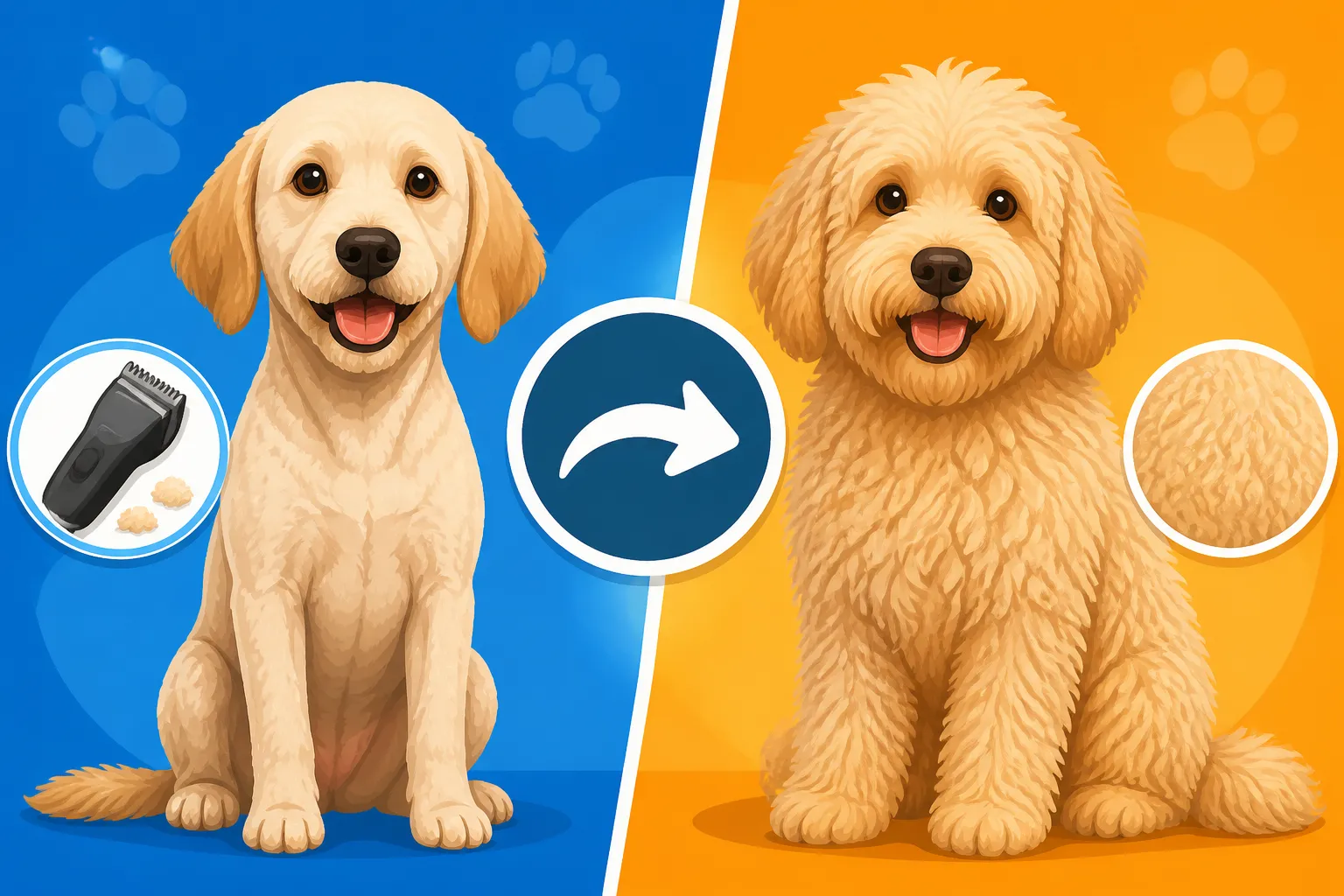
It's a question that keeps so many Labradoodle owners up at night, especially when faced with a matted, tangled mess or the oppressive heat of summer: "If I shave my Labradoodle, will their coat grow back even woollier or worse?" It's a genuine concern, and the internet is rife with conflicting advice, horror stories, and well-meaning but often misinformed opinions. This guide is here to cut through the noise and explain exactly what happens when a Labradoodle's unique coat meets the clippers, what you can expect, and how to best manage their beautiful, if sometimes challenging, locks.
Understanding Your Labradoodle's Unique Coat Texture
One of the biggest sources of confusion and frustration for Labradoodle owners stems from the sheer variety in their coats. Unlike purebred dogs with predictable coat standards, Labradoodles, being a hybrid, can inherit a range of coat types from their Labrador Retriever and Poodle parents. Knowing your dog's specific coat type is the first step in understanding how it will react to being shaved and, more importantly, how to care for it properly to avoid the need for drastic measures.
The Three Main Labradoodle Coat Types
While there's a spectrum, most Labradoodle coats fall into three general categories: hair, fleece, and wool. Each has its own characteristics, shedding tendencies, and grooming requirements.
The Hair Coat is the least common type, often seen in early generation (F1) Labradoodles, meaning a direct cross between a Labrador and a Poodle. This coat is more similar to a Labrador's double coat – it's typically straighter, coarser, and sheds. If your Labradoodle has a hair coat, it might feel more like a traditional dog coat, and while it's less prone to matting than a wool or fleece coat, it will still benefit from regular brushing to remove loose hair and prevent tangles. People often think this coat is "easy" but the shedding can surprise them.
Next, we have the Fleece Coat, which is often considered the "ideal" Labradoodle coat and what many breeders aim for. It's soft, wavy or spiraling, and has a silky, non-shedding texture that feels almost like angora wool or cashmere. This coat type is incredibly appealing to touch but is highly prone to matting if not meticulously cared for. The softness and wavy structure mean that individual hairs readily intertwine and felt together, especially in high-friction areas like behind the ears, armpits, and groin. The Fleece Coat and Why Breeders Aim For It delves deeper into this sought-after texture.
Finally, there's the Wool Coat. This coat is much like a Poodle's, dense and curly, similar in texture to a sheep's wool. While it’s also non-shedding, making it a good choice for allergy sufferers, it's the most high-maintenance of the three. Wool coats are incredibly thick and compact, and they mat quickly and tightly if not brushed regularly and thoroughly. These mats can pull on the skin, causing discomfort and even skin infections. Owners with wool-coated Labradoodles often find themselves becoming amateur groomers out of necessity.
The Impact of Shaving on Each Coat Type
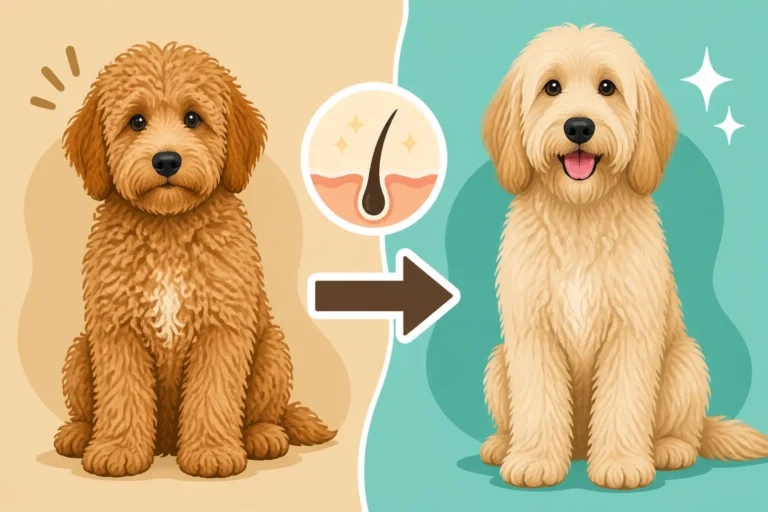
The type of coat your Labradoodle has will largely dictate how it responds to being shaved. A hair coat might simply grow back as it was, perhaps a little thicker initially, but without significant textural changes. However, fleece and especially wool coats are where the "woollier" concern really comes into play. Shaving these coats can disrupt the growth cycle and damage the delicate hair follicles, sometimes leading to a coarser or more unpredictable regrowth.
Why Labradoodle Owners Consider Shaving
Let's be honest, nobody wants to shave their beautiful Labradoodle down to the skin unless they feel they have no other choice. It's often a last resort born out of very real frustrations that are common for owners of these wonderful dogs. Understanding these motivations can help us approach the topic with empathy.
Battling the Beast of Matting
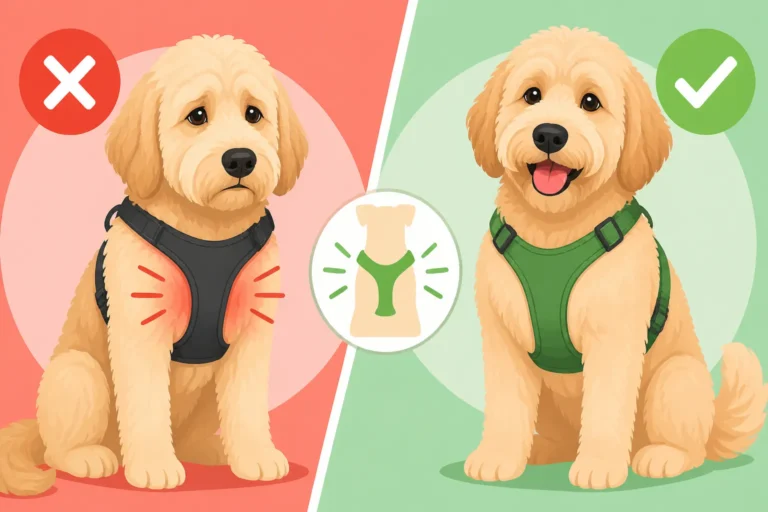
This is, by far, the most common reason Labradoodle owners reach for the clippers or ask their groomer for a "shave down." Labradoodle coats, particularly the fleece and wool varieties, are mat magnets. They pick up every burr, every twig, and their soft hairs weave together into tight, painful knots that can quickly spread across the entire body. It often starts innocently enough: a small tangle behind an ear, a hidden mat in an armpit, or a patch on the chest where a harness rubs. Before you know it, what seemed like a minor issue has become an impenetrable felt blanket.
The coat change around 9-14 months of age is a notorious period for matting. This is when the puppy fluff transitions to the denser adult coat, and if not brushed meticulously, it can mat almost overnight. The Coat Change That Hits a Labradoodle at Nine Months explains this challenging phase in detail. When matting gets severe, brushing becomes impossible, painful for the dog, and a professional groomer's only humane option is often a complete shave. This isn't just about aesthetics; severe matting can cause skin irritation, restrict movement, and hide parasites or skin infections.
Seeking Relief from Summer Heat
Another understandable reason to consider shaving is the heat. Many Labradoodles, especially those with thick fleece or wool coats, can struggle in warm climates. Owners often feel that removing the heavy coat will help their dog stay cooler and more comfortable during the scorching summer months. The thought of their furry friend panting excessively, seeking out cool tiles, and having less energy can drive even the most dedicated groomer to consider a short cut.
While it seems logical to shave a dog for heat relief, it's a bit more nuanced than that. A dog's coat also provides insulation against heat and protects the skin from sunburn. A very short shave can expose sensitive skin to UV rays, leading to sunburn and increasing the risk of skin cancer. It's a tricky balance, and sometimes owners find that while a short clip helps, a complete shave might not be the panacea they hoped for, or worse, creates new problems. Whether a Labradoodle Should Be Clipped in Summer explores the pros and cons of seasonal clipping.
What Actually Happens to the Coat After Shaving
Now, let's get to the heart of the matter: the concern that shaving a Labradoodle will make its coat grow back "woollier" or with an altered texture. This isn't just an old wives' tale; there's a basis in reality, especially for certain coat types.
The Guard Hairs and Undercoat Dynamic
To understand what happens, we need to talk about guard hairs and undercoat. Many dogs, including Labradors, have a double coat consisting of a soft, dense undercoat for insulation and longer, coarser guard hairs that protect against elements. Poodles, and therefore many Labradoodles, primarily have a single coat (or hair that behaves like an undercoat without distinct guard hairs). However, some Labradoodles, especially those with more Labrador influence, can have a hybrid coat that behaves like a mix of both.
When you shave a double-coated dog, you cut both the guard hairs and the undercoat to the same length. The undercoat often grows back faster and softer, sometimes overpowering the guard hairs, leading to a plush, denser, and sometimes "woollier" texture that sheds more. While Labradoodles are generally considered single-coated, the act of shaving, particularly with very short blades, can still affect the hair follicles and the overall growth pattern.
For fleece and wool coats, which are genetically designed for continuous growth and are already soft and wavy/curly, shaving can indeed cause a textural change. The new growth might appear denser, more tightly curled, or even feel coarser to the touch. It's like resetting the clock on the coat, and sometimes it doesn't quite reset to its original state. The delicate structure of the hair shafts can be compromised, leading to a coat that is more prone to matting than before because the hair is now all the same length and more likely to tangle.
Uneven Regrowth and "Clipper Alopecia"
Another frustrating outcome can be uneven regrowth or even "clipper alopecia." Clipper alopecia is a condition where the hair fails to grow back, or grows back very slowly and sparsely, in areas that were shaved. While it's more common in northern breeds, it can affect any dog, including Labradoodles. The exact cause isn't fully understood, but it's believed to be related to trauma to the hair follicles, particularly if the blades were dull or the skin was sensitive.
More commonly, owners might notice that different parts of the body grow back at different rates or with slightly different textures. The hair on the back might be soft, while the hair on the legs feels a bit wire-y, or areas that were previously wavy now seem tighter and curlier. This unevenness can make future grooming even more challenging, as you're dealing with multiple textures.
Preventing the Need for a Shave Down
The best defense against an undesirable coat regrowth is to avoid shaving in the first place, if possible. This means committing to a consistent and thorough grooming routine from puppyhood.
The Art of Line Brushing
The secret to a mat-free Labradoodle coat is line brushing. This isn't just a quick brush over the top; it's a methodical process that ensures you reach all the way down to the skin. You essentially part the coat in small sections, brush from the root to the tip, and work your way across the dog. It’s time-consuming, yes, but it’s the only way to effectively prevent mats in dense coats. The Line Brushing a Labradoodle Coat Needs offers a deeper dive into this essential technique.
You'll need the right tools for this job. A good quality slicker brush is paramount, along with a metal comb to check your work. Many owners find a detangling spray or conditioner helpful, which you can find on sites like Chewy or Amazon, to help the brush glide through the coat without pulling.
Regular Professional Grooming
For many Labradoodle owners, a professional groomer is a non-negotiable part of their dog's care. These professionals have the specialized tools, knowledge, and experience to manage even the most challenging coats. They can perform full grooms, which include bathing, drying, brushing, and clipping, usually every 6-8 weeks. Regular appointments ensure the coat never gets to a point where shaving is the only option. They can also advise on appropriate shampoos and conditioners that help maintain coat health.
When choosing a groomer, look for one experienced with "doodle" coats. They understand the unique challenges and can offer clips that keep your dog comfortable and stylish without resorting to a full shave. If you're wondering about costs, What a Full Groom Costs on a Wool Coated Labradoodle might give you some useful context.
Essential Grooming Tools for Home
Even with professional grooming, daily or weekly home maintenance is crucial. Here's a quick rundown of what you'll need:
| Tool | Purpose | Best For |
|---|---|---|
| Slicker Brush | Detangling, removing loose hair, preventing mats | All coat types, daily or every-other-day brushing |
| Metal Comb | Checking for mats, working through small tangles, facial hair | All coat types, post-brushing check |
| Pin Brush | Gentle brushing for longer, softer coats, fluffing | Fleece/Hair coats, sensitive areas |
| Mat Splitter | Carefully splitting minor mats before they become severe | Use with extreme caution on fleece/wool coats |
| Force Dryer | Essential for drying to the skin after baths to prevent matting | All coat types, especially fleece/wool |
| Detangling Spray | Lubricates coat, makes brushing easier, reduces static | All coat types, especially during coat change or for heavy matting areas |
| Nail Clippers/Grinder | Keeping nails short to prevent discomfort and joint issues | All dogs |
| Ear Cleaner | Preventing infections in drop ears | All Labradoodles, especially after swimming |
Investing in quality grooming supplies, readily available on platforms like Amazon, makes the task much easier and more effective. Remember, a good grooming session should be a positive experience for your dog, so start early with puppies and make it a routine with plenty of praise and treats. Teaching a Labradoodle to Lie Still for a Ninety Minute Groom takes patience but pays dividends.
Managing the Regrowth After a Shave
Okay, so despite your best efforts, your Labradoodle had to be shaved. What now? The good news is that for many Labradoodles, their coat will eventually return to something resembling its original texture, but it might take time and careful management.
Patience is a Virtue
First and foremost, be patient. Hair doesn't grow back overnight. It can take several months for the coat to grow out enough to assess its new texture and for the different layers (if present) to re-establish their natural growth patterns. During this regrowth phase, it's more important than ever to commit to regular brushing, even when the hair is short. Short, dense regrowth can tangle just as easily, if not more so, than longer hair.
Addressing the New Texture
If the coat does grow back "woollier" or coarser, you'll need to adapt your grooming routine. You might find that the slicker brush needs to be used more frequently, or that a different type of comb works better for the new density. Sometimes, deep conditioning treatments, found at pet supply stores like Chewy, can help soften the new growth. Consult with your professional groomer, who can offer personalized advice and demonstrate techniques for managing the altered texture. They might recommend specific products or a different clipping style to encourage healthier regrowth.
It's also worth noting that the coat's texture can evolve throughout a Labradoodle's life, regardless of shaving. Factors like age, hormones, and overall health can all play a role. So, while shaving can certainly initiate a change, it might not be the sole culprit if your dog's coat texture seems to shift over time.
Preventing Future Shave Downs
The ultimate goal, if you're not happy with a shaved coat, is to prevent the need for one again. This goes back to diligent, consistent grooming. Make it a bonding experience, not a chore. Short, frequent brushing sessions are far more effective than trying to tackle a massive matting problem once a month. Pay close attention to those high-friction areas, use your metal comb to check thoroughly, and don't hesitate to reach out to your groomer for "tidy-up" appointments between full grooms.
Regular exercise and a balanced diet also contribute to overall coat health. A healthy dog often has a healthier, more manageable coat. While specific nutritional advice is best discussed with your vet, feeding a quality dog food and ensuring they get enough healthy fats can support skin and coat condition.
Conclusion
The question of whether a shaved Labradoodle's coat comes back woollier isn't a simple yes or no. For many fleece and wool-coated Labradoodles, there is a distinct possibility that the texture could change, becoming denser, curlier, or even coarser. This isn't just anecdotal; it's a recognized phenomenon linked to the disruption of hair follicles and the unique characteristics of these coat types. However, for a hair-coated Labradoodle, the change is usually less dramatic.
Ultimately, preventing severe matting through consistent, diligent grooming – ideally with the help of a professional groomer and the right tools – is the best way to avoid having to make the tough decision to shave your Labradoodle. If a shave-down is unavoidable, remember that patience, continued vigilant grooming, and perhaps some adjustments to your routine will be key to managing the regrowth and helping your Labradoodle's coat return to its best possible state. Your Labradoodle's coat is a commitment, but with the right care, it can remain beautiful and healthy for years to come.
Disclaimer
This article is for general informational purposes only and does not constitute professional advice. Laws, prices and regulations vary by location and change over time. Consult a qualified professional for guidance on your specific situation.