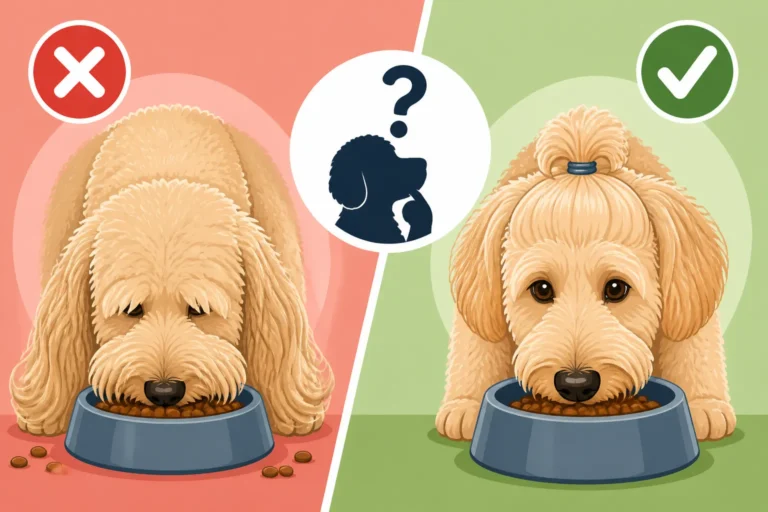
How Much a Labradoodle Puppy Should Eat Daily
Bringing home a new Labradoodle puppy is an incredibly exciting time, but it also comes with a lot of questions, especially when it comes to feeding. Many new owners feel overwhelmed by the sheer volume of information out there, or worry they're giving too much or too little, leading to confusion and stress. This guide is here to cut through the noise, offering clear, practical advice on exactly how much food your rapidly growing Labradoodle puppy needs each day to thrive.
Understanding Your Growing Labradoodle Puppy's Nutritional Needs
It's easy to look at that adorable, fluffy bundle of joy and forget just how quickly they're going to grow into a sixty-pound adult. A Labradoodle puppy isn't just a miniature version of an adult dog; their bodies are working incredibly hard, developing bones, muscles, and organs at an astonishing rate. This intense growth period means their nutritional requirements are quite different from an older dog's. They need a diet that supports this rapid development without overdoing it, which can sometimes lead to orthopedic issues later on.
The Energy Demands of a Growing Puppy
Think about your puppy's day: they're exploring, playing, learning, and seemingly growing before your very eyes. All this activity, combined with the internal work of developing every cell in their body, burns a huge amount of energy. Puppy food is specifically formulated to be calorie-dense and rich in nutrients to meet these high energy demands. This isn't just about weight gain; it's about providing the fuel for healthy brain development, a robust immune system, and strong, sturdy bones. You can delve deeper into this topic in our guide Feeding a Labradoodle Through Its Growth.
Without enough of the right kind of energy, a puppy can become lethargic, fail to meet growth milestones, and even suffer from long-term health problems. However, too much energy, especially in the form of excessive calories, can also be detrimental. Rapid growth due to overfeeding can put undue stress on developing joints, particularly in larger breeds like the Standard Labradoodle. It’s a delicate balance, and understanding your puppy's unique needs is the first step toward striking it.
Breed-Specific Considerations for Labradoodles
The Labradoodle, being a crossbreed of a Labrador Retriever and a Poodle, inherits traits from both sides, including their growth patterns and potential predispositions. Both parent breeds are generally active, intelligent dogs, and their puppies often reflect this, needing consistent energy. However, the size of your Labradoodle will significantly influence their feeding requirements. A Miniature Labradoodle will have different needs than a Standard, for instance.
For standard-sized Labradoodles, which often mature into dogs weighing between 45 to 65 pounds, it's crucial to select a large-breed puppy formula. These foods are designed with a specific calcium-to-phosphorus ratio and controlled calorie levels to support slower, more even bone growth, helping to prevent developmental orthopedic diseases. You'll want to focus on The Growth Formula a Standard Labradoodle Needs to ensure you're setting your puppy up for the healthiest start possible. This isn't just a fancy label; it's a critical component of responsible large-breed puppy care.
Decoding Puppy Food Labels and Feeding Guidelines
Navigating the world of puppy food can feel like learning a new language. Every bag has charts, percentages, and ingredient lists that can be utterly confusing. The good news is that these labels, while dense, contain vital information to help you figure out how much to feed your Labradoodle puppy daily. The key is understanding that they are starting points, not rigid rules written in stone.
Understanding Manufacturer's Feeding Charts
Every reputable puppy food brand will provide a feeding chart on its packaging. These charts typically base recommendations on your puppy's current weight and age. They often list a range, for example, "2-3 cups per day for a puppy weighing 20-30 lbs." It's tempting to just pick the middle, but it's important to start with the lower end of the recommended range and adjust from there.
These guidelines are formulated based on the average puppy's needs, but your Labradoodle might not be "average." Their activity level, individual metabolism, and even the ambient temperature can influence how many calories they truly need. It's a bit like us with our daily calorie intake; what's right for one person isn't necessarily right for another. Always consider these charts as a starting point and be prepared to tweak the amount based on how your individual puppy is doing. When in doubt, consulting your veterinarian is always the best course of action.
The Importance of Large Breed Puppy Formulas
As mentioned earlier, if you have a Standard Labradoodle puppy, choosing a large breed specific formula is incredibly important. These formulas aren't just about larger kibble size; they're scientifically designed to manage growth rate. Overfeeding or feeding a regular puppy formula to a large breed puppy can lead to him growing too quickly. This rapid growth can cause bone and joint problems such as hip and elbow dysplasia, which are common concerns in both Labrador Retrievers and Standard Poodles.
These specialized diets typically have slightly lower fat and calorie content per serving, combined with carefully balanced mineral levels, particularly calcium and phosphorus, to promote steady, healthy bone development. It's a small change on the label but a huge difference for your puppy's skeletal health. Look for brands that explicitly state "large breed puppy formula" or "large breed growth formula" and check their nutritional analysis. You can find many excellent options for large breed puppy food on online retailers like Chewy, which often provide detailed ingredient lists and nutritional breakdowns.
Exploring Different Food Types: Kibble, Wet, and Fresh Options
When it comes to the type of food, most Labradoodle puppies thrive on high-quality dry kibble, which is convenient and generally cost-effective. However, there are other options to consider, each with its own pros and cons.
- Dry Kibble: This is the most common and often recommended choice. Look for formulas with real meat as the first ingredient, and avoid those with excessive fillers or artificial preservatives. Kibble can also help keep teeth clean.
- Wet/Canned Food: While often more palatable, wet food is typically less calorie-dense per volume and can be more expensive. It can be a good option for puppies who need extra hydration or are struggling to gain weight, but feeding it exclusively can be costly and might not provide the dental benefits of kibble.
- Fresh/Human-Grade Food: Brands like Ollie offer fresh, pre-portioned meals that can be a fantastic option for some owners. These diets are typically highly palatable and digestible, often made with whole, human-grade ingredients. However, they are significantly more expensive and require refrigeration. If you choose this route, ensure the formula is nutritionally complete and balanced for growing puppies, as homemade diets can easily be deficient without expert guidance.
- Raw Food (BARF): This is a more controversial option, advocating for uncooked meat, bones, and organs. While some owners swear by it, veterinarians often raise concerns about nutritional imbalances and the risk of bacterial contamination. If you're considering a raw diet, please consult with a veterinary nutritionist to ensure it's balanced and safe for your rapidly growing puppy.
The best food type is ultimately one that is complete and balanced for puppies, fits your budget, and that your Labradoodle puppy thrives on.
Practical Feeding Strategies and Troubleshooting
Once you've chosen a high-quality puppy food, the next step is implementing a feeding routine that works for your Labradoodle puppy and your household. Consistency and careful monitoring are key to ensuring your puppy gets exactly what they need without over or under-eating.
How Often to Feed Your Labradoodle Puppy
Puppies, especially very young ones, have small stomachs and high energy needs, so they can't eat a huge meal all at once. Spreading their daily food intake across multiple meals is crucial for digestion and to maintain stable blood sugar levels.
Here's a general guideline for meal frequency:
- 8-12 weeks old: 3-4 meals per day. This is a critical growth period, and frequent small meals help prevent hypoglycemia (low blood sugar), especially in smaller puppies.
- 3-6 months old: 3 meals per day. As they get a bit older and their stomachs grow, they can handle slightly larger meals less frequently.
- 6-12 months old: 2 meals per day. Most Labradoodle puppies can transition to two meals a day around this age, mirroring an adult dog's feeding schedule. However, some continue to do well on three meals if that fits your routine.
Always ensure your puppy has access to fresh, clean water throughout the day. Using a durable, easy-to-clean bowl from retailers found on Amazon can make meal times smoother.
Accurate Measurement and Portion Control
Eyeballing portions is a common mistake that can easily lead to over or underfeeding. Invest in a proper measuring cup specifically designed for pet food, or even better, a kitchen scale. The density of kibble can vary greatly between brands, so a standard 8-ounce measuring cup might not always be accurate by weight. For instance, a cup of one kibble might weigh 3 ounces, while a cup of another might be 4.5 ounces. For precise feeding, weighing the food is the most accurate method.
Once you know the total daily amount your Labradoodle puppy should eat daily, divide that by the number of meals you're providing. For example, if your puppy needs 3 cups a day and you're feeding three times a day, each meal would be 1 cup. Remember to factor in any treats you give throughout the day into their total caloric intake. Those training treats add up! For more details on this, see How Much a Growing Labradoodle Should Eat.
Monitoring Weight and Body Condition
The most reliable way to know if your Labradoodle puppy is eating the right amount is to regularly assess their body condition. While the scale gives you a number, a visual and tactile assessment tells you if that number is healthy for your puppy.
You should be able to:
- See a tucked waistline when viewed from above (like an hourglass shape).
- Feel their ribs easily without pressing hard, but not see them.
- Observe a good energy level and healthy coat.
A puppy that is too thin will have prominent ribs, hip bones, and vertebrae. A puppy that is too heavy will have no discernible waist, and it will be difficult to feel their ribs. Overweight puppies are at a higher risk for joint problems and other health issues. Regularly check Keeping a Labradoodle's Weight in Range to ensure your pup is on track. If you're concerned, don't hesitate to consult your vet. They can provide a professional assessment and help you adjust the feeding amount if necessary.
When and How to Adjust Your Labradoodle Puppy's Diet
Feeding isn't a "set it and forget it" task. Your Labradoodle puppy's needs will change as they grow, mature, and their activity levels fluctuate. Being observant and adaptable is key to their long-term health.
Recognizing Growth Spurts and Increased Activity
Just like human teenagers, puppies go through growth spurts where their energy demands suddenly skyrocket. You might notice your puppy seems hungrier than usual, or perhaps they're a bit more energetic and playful. During these times, it might be appropriate to slightly increase their food intake, staying within the manufacturer's recommended range for their current weight and age.
Conversely, if your puppy has a day with less activity – maybe due to bad weather or a minor ailment – you might slightly reduce their food for that day. It's about maintaining balance. Always monitor their body condition closely after any adjustments. If they seem to be losing weight or looking a bit too lean, a small increase is probably warranted. If they're starting to look round, it's time to cut back a little. The goal is steady, healthy growth, not rapid weight gain.
Transitioning from Puppy to Adult Food
The transition from puppy food to adult food is a significant milestone, typically occurring between 10-18 months of age for a Standard Labradoodle. Smaller Labradoodles might transition a bit earlier, around 9-12 months. This isn't a hard and fast rule; individual puppies mature at different rates. The most important indicator is usually when their rapid growth phase has largely concluded, and they're approaching their adult size. Our guide on When a Labradoodle Switches to Adult Food offers a more in-depth look at this process.
Transitioning too early can deprive them of crucial nutrients for development, while transitioning too late can lead to them receiving too many calories and nutrients for a dog no longer undergoing rapid growth, increasing the risk of obesity. Always consult your veterinarian for advice on the best time to make this change for your specific Labradoodle. They can assess your puppy's individual growth and health status.
The Gradual Transition Process
Once you decide it's time to switch to adult food, do it gradually over 7-10 days to avoid upsetting your Labradoodle's stomach. A sudden change can lead to digestive issues like diarrhea or vomiting.
Here’s a typical transition schedule:
- Days 1-2: 75% puppy food, 25% adult food
- Days 3-4: 50% puppy food, 50% adult food
- Days 5-6: 25% puppy food, 75% adult food
- Days 7-10: 100% adult food
During this period, keep an eye on your Labradoodle's appetite, energy levels, and stool consistency. If they show any signs of digestive upset, slow down the transition and give them a few more days at the current ratio before moving to the next step.
Sample Daily Feeding Schedule for a Labradoodle Puppy
Remember, these are general guidelines. Always consult your puppy food bag and your veterinarian for tailored advice.
| Age Range | Number of Meals Per Day | Total Daily Food (Approximate, based on typical kibble) | Example Meal Portions (for 3 cups daily total) |
|---|---|---|---|
| 8 weeks – 3 months | 3-4 | 1.5 – 2.5 cups | 0.5 – 0.8 cups per meal |
| 3 – 6 months | 3 | 2.5 – 4 cups | 0.8 – 1.3 cups per meal |
| 6 – 12 months | 2-3 | 3 – 5 cups | 1 – 2 cups per meal |
| 12+ months | 2 | Transition to Adult Food; adjust as per adult guidelines | Consult adult food bag |
Note: These amounts are illustrative. Always refer to your chosen food's specific packaging and adjust based on your puppy's individual growth, activity level, and body condition. A Standard Labradoodle will generally eat more than a Miniature Labradoodle.
Caring for a Labradoodle puppy's nutrition can seem daunting, but with a good understanding of their needs, careful monitoring, and a bit of flexibility, you'll be well-equipped to help your fluffy companion grow into a healthy, happy adult. Don't stress too much – your puppy relies on you, and a consistent, mindful approach to feeding is one of the best ways you can show your love.
Disclaimer
This article is for general informational purposes only and does not constitute professional advice. Laws, prices and regulations vary by location and change over time. Consult a qualified professional for guidance on your specific situation.