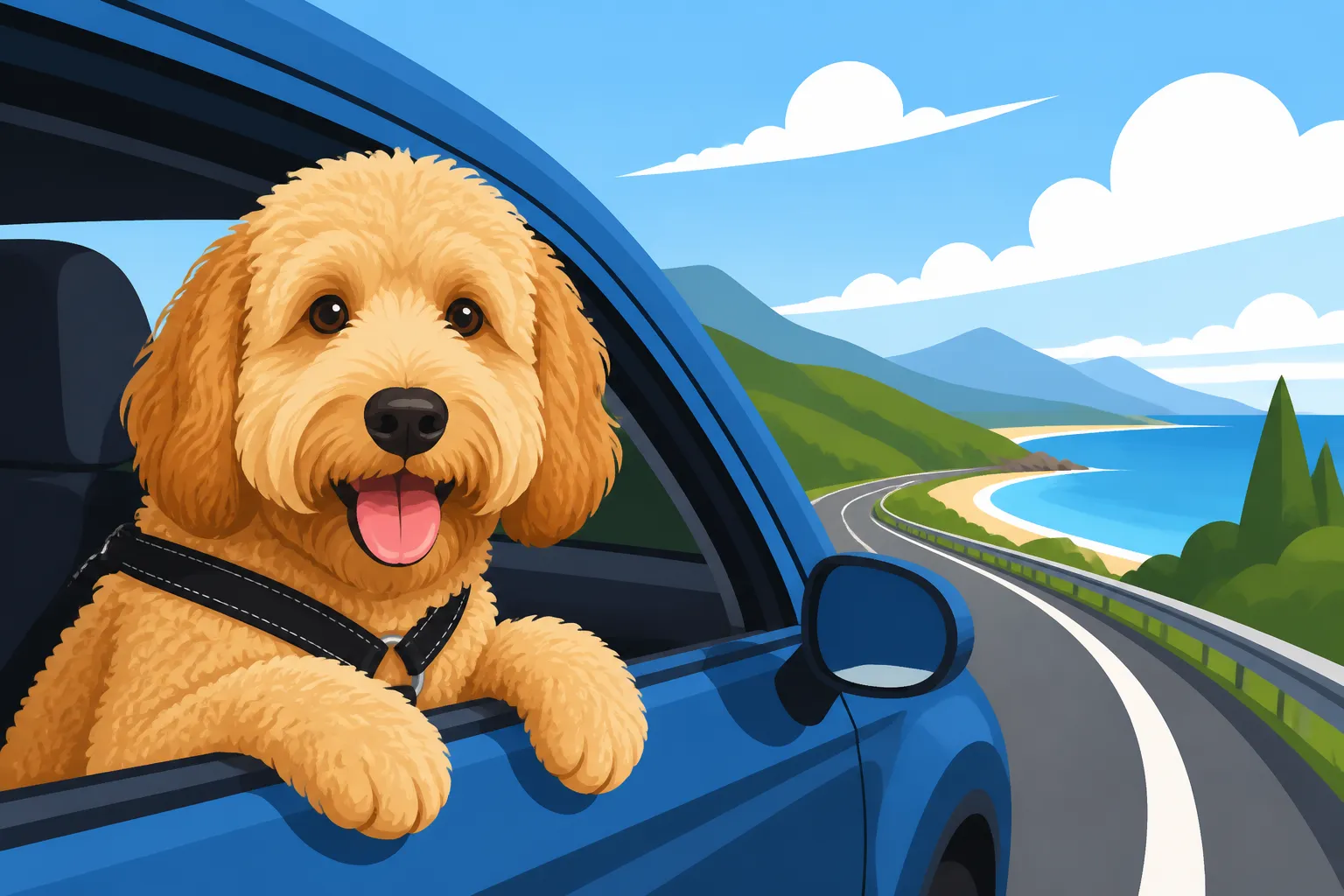
Car Travel With a Labradoodle
Bringing your beloved Labradoodle along for a car ride, whether it's a quick trip to the dog park or a cross-country adventure, can be a joyous experience, but it often comes with a unique set of challenges. From managing their boundless enthusiasm and shedding coats to ensuring their absolute safety in transit, many Labradoodle owners find themselves wrestling with logistics. This comprehensive guide will walk you through everything you need to know to make car travel with your Labradoodle not just possible, but genuinely enjoyable and stress-free for both of you.
Prioritizing Safety for Your Labradoodle on the Road
The open road is full of unpredictable moments, and while we might imagine our Labradoodle enjoying the wind in their fur, an unrestrained dog in a vehicle is a serious safety hazard. It's not just about potential distractions for the driver; it's about protecting your furry co-pilot and everyone else in the car. Taking the time to properly secure your Labradoodle before you even turn the key is one of the most loving and responsible things you can do.
Why Unrestrained Dogs are a Danger
Picture this: you're driving along, and suddenly you have to hit the brakes hard. Maybe a deer runs out, or traffic stops unexpectedly. In that moment, an unrestrained Labradoodle, even a small one, becomes a projectile. The force generated in a sudden stop or collision can turn your sweet, fluffy companion into a significant danger to themselves and to human occupants. They could be seriously injured, or worse, ejected from the vehicle. Beyond the direct impact, an excited or anxious dog roaming freely can distract the driver, pawing at windows, trying to get into the front seat, or even interfering with the pedals. It's a risk no one wants to take, and unfortunately, it's a common scenario.
Moreover, if an accident does occur, an unrestrained dog could escape the car in a panic, running into traffic or getting lost. Emergency responders arriving on the scene would also face the added challenge of a loose, potentially scared and injured animal. This isn't just a minor inconvenience; it can complicate rescue efforts and put everyone at further risk.
Choosing the Right Restraint System for Your Labradoodle
When it comes to keeping your Labradoodle safe in the car, you have a few excellent options, each with its own benefits. The best choice often depends on your dog's size, temperament, and the type of vehicle you drive. The goal is always to keep them secure and prevent them from becoming a hazard while still offering them a degree of comfort.
-
Crash-Tested Crates: For many Labradoodle owners, a sturdy, crash-tested travel crate is the gold standard for safety. These are often made of aluminum or high-impact plastic and are designed to withstand collisions, protecting your dog from impact and preventing them from becoming a projectile. They also offer a den-like space that can reduce anxiety for some dogs, especially if they are already crate-trained at home. The main considerations here are ensuring the crate is the right size – large enough for your Labradoodle to stand, turn around, and lie down comfortably, but not so large that they slide around excessively. You'll also need a vehicle with enough cargo space to accommodate it securely. You can find a wide range of crash-tested crates on online retailers like Chewy or Amazon, making it easy to compare features and read reviews.
-
Seatbelt Harnesses: These are harnesses specifically designed to attach to your car's seatbelt system. Your Labradoodle wears a harness (not just a collar, which could cause neck injury in a sudden stop), and a tether then connects the harness to the seatbelt. This allows your dog to sit or lie down on the back seat while still being secured. It's crucial to choose a harness that is crash-tested, as many standard walking harnesses are not built for impact protection. A good seatbelt harness will distribute forces across your dog's chest, protecting their spine and neck. This option offers more freedom of movement than a crate and allows your Labradoodle to enjoy the view from the back seat, which can be great for dogs who get anxious in enclosed spaces.
-
Carriers (for smaller Labradoodles): If you have a Miniature Labradoodle, a smaller, crash-tested soft or hard-sided carrier might be an option. These typically buckle into the back seat using the existing seatbelts. Again, ensuring it is properly rated for car safety is key. This provides a cozy, enclosed space and is often easier to manage than a large crate.
Securing the Setup
Once you've chosen your restraint system, proper installation is paramount. A crash-tested crate is only effective if it's securely anchored in your vehicle. In an SUV or hatchback, this usually means placing it in the cargo area, snug against the back seats, and using straps or specialized anchor points to prevent it from shifting. Some crates come with tie-down straps or specific instructions for securing them. Remember, any movement of the crate in transit lessens its protective capabilities.
For seatbelt harnesses, make sure the harness itself fits your Labradoodle snugly but comfortably, without restricting movement or causing chafing. The tether should be short enough to prevent your dog from reaching the front seats, falling off the seat, or getting tangled, but long enough for them to adjust their position. Always double-check that the seatbelt is properly threaded through the attachment point on the harness and that it's clicked securely. It might take a few practice runs in the driveway to get your Labradoodle accustomed to the new gear and to ensure everything is adjusted correctly.
| Restraint Type | Pros | Cons | Best For |
|---|---|---|---|
| Crash-Tested Crate | Maximum safety, creates a secure den, contains shedding and mess. | Requires significant cargo space, can be heavy, may induce anxiety for some. | Dogs comfortable with crating, frequent travelers, vehicles with ample cargo. |
| Seatbelt Harness | Allows more freedom of movement, lighter, less space-intensive. | Must be crash-tested, less containment for mess, dog can still be a distraction. | Dogs who prefer an open view, occasional travelers, smaller vehicles. |
| Soft/Hard Carrier | Secure, cozy, relatively portable, buckles into seat. | Only suitable for smaller Labradoodles, can be easily outgrown. | Miniature Labradoodles, puppies, short trips. |
Making Car Journeys Enjoyable and Stress-Free
For some Labradoodles, car travel is the most exciting thing in the world, a prelude to adventure. For others, it can be a source of anxiety, motion sickness, or general discomfort. Understanding your Labradoodle's individual reaction and taking steps to address it can transform travel from a chore into a joy.
Managing Excitement and Car Sickness
The sheer exuberance of a Labradoodle, often inherited from their Labrador retriever side, can be a lot to handle in a confined space. They might bounce, whine, or bark with anticipation, making it hard to concentrate on the road. For others, the motion of the car can bring on nausea and vomiting, a truly miserable experience for everyone involved.
To manage excitement, start slow. Don't let the car only be associated with high-excitement destinations like the dog park. Begin with short, positive trips that go nowhere exciting – just around the block, then back home. Reward calm behavior in the car with praise and a special treat. Exercise your Labradoodle thoroughly before a car ride; a tired dog is a calm dog. The Exercise a Labradoodle Needs Before It Behaves is a crucial read here. Teach them a "settle" command that they can perform in their crate or harness. Consistency is key. You want them to associate the car with a quiet, relaxed state, not just wild anticipation. Teaching a Labradoodle to Settle Under a Restaurant Table can also provide useful insights into teaching calmness in various public settings, which applies to car travel too.
For car sickness, the same gradual approach applies. Acclimate your Labradoodle to the car in short increments, starting with simply sitting in a parked car with the engine off, then with the engine running, and finally short drives. Make sure the car is well-ventilated, and avoid feeding a large meal right before a trip. Some dogs do better on an empty stomach, while others benefit from a small, bland snack a couple of hours beforehand. Always provide plenty of fresh water. If motion sickness persists, a vet visit is in order to discuss anti-nausea medications or natural remedies.
Preparing the Car Environment
A little preparation goes a long way in making the car a comfortable space for your Labradoodle. Their well-being can drastically improve if their travel environment is thoughtfully set up.
First, consider the surface. If your Labradoodle is in a crate, a familiar blanket or their bed inside can provide comfort and stability. For dogs on the back seat, a non-slip car seat cover is essential. This not only protects your upholstery from dirt and shedding but also prevents your Labradoodle from sliding around, which can contribute to anxiety and motion sickness. Look for covers that are durable, easy to clean, and have some grip.
Temperature control is also vital. Labradoodles, especially those with thicker wool or fleece coats, can overheat quickly, even on moderately warm days. Whether a Labradoodle Overheats in Summer offers critical information on this. Ensure adequate airflow, either through open windows (but not so wide that they can jump out!) or by running the air conditioning. Never leave your Labradoodle in a hot car, even for a few minutes; the temperature inside can skyrocket rapidly, leading to deadly heatstroke.
Finally, bring familiar items. A favorite chew toy, a blanket that smells like home, or even a piece of your worn clothing can provide reassurance. The scent of home can be incredibly comforting, especially for a dog who might be prone to separation anxiety, often seen in a The Velcro Labradoodle That Cannot Be Left.
Packing Essentials for Travel
Just like packing for a human road trip, preparing a "doodle bag" with essentials will make your journey smoother. It removes the stress of forgetting something important and ensures you're ready for anything.
Here's a checklist of must-haves:
- Water and Bowl: Absolute necessity. Collapsible bowls are fantastic for travel.
- Food: Pack their regular food if you're going overnight or for long periods. Don't forget treats! High-value options, like the freeze-dried salmon treats from Ollie, can be great for rewarding calm behavior or as a distraction.
- Waste Bags: You'll be making stops, and you need to be a responsible pet owner.
- Leash and Collar/Harness: Always keep these handy.
- Medications: If your Labradoodle is on any regular meds or needs anti-nausea medication, don't forget it.
- Favorite Toy/Chew: Something to keep them occupied and happy.
- Grooming Supplies: A quick brush down with a slicker brush and comb before and after a trip can help manage shedding and prevent mats from forming, especially if they have a luxurious fleece coat like discussed in The Fleece Coat and Why Breeders Aim For It. This is particularly useful for longer trips where they might be rubbing against surfaces.
- Cleaning Supplies: Paper towels, wet wipes, and an enzymatic cleaner for any accidents or car sickness.
- Proof of Vaccination/Vet Records: Always a good idea to have a copy, especially for longer trips or if you might be visiting dog parks or boarding facilities.
Long Trips and Beyond: Advanced Travel Tips
Taking a long road trip with your Labradoodle is a fantastic way to bond and explore, but it requires careful planning to ensure everyone remains comfortable and happy. It's not just about getting from A to B; it's about making the journey part of the adventure.
Planning Stops and Breaks
Just like humans, Labradoodles need to stretch their legs, relieve themselves, and get some fresh air. Aim for stops every 2-3 hours, or more frequently if your dog is a puppy or elderly. When you stop:
- Potty Breaks: Always leash your Labradoodle before opening the car door, even if you're in a seemingly empty rest stop. A sudden noise or sight could spook them, and you don't want them bolting.
- Exercise: Allow for a short walk or play session to burn off some energy. Even 10-15 minutes can make a huge difference in their demeanor for the next leg of the journey. This is especially important for a breed like the Labradoodle, which often possesses significant energy levels.
- Water: Offer fresh water at every stop, even if they didn't drink much during the ride. Hydration is crucial.
- Snack Time: A small, easy-to-digest snack can also be offered if it's been a while since their last meal.
Consider finding dog-friendly rest areas or parks along your route. A quick search on your phone can reveal green spaces where your Labradoodle can truly stretch out, rather than just a quick pavement stop.
Dealing with Shedding and Mess
Even the "low-shedding" Labradoodle (especially those with a hair coat or during their coat change around nine months, as described in The Coat Change That Hits a Labradoodle at Nine Months) will leave some fur behind. And let's be honest, they'll bring dirt, drool, and whatever else they found on their paws into your car. Preparing for this reality will save you a lot of frustration.
- Car Seat Covers: As mentioned before, a good quality, waterproof car seat cover is a lifesaver. Look for ones that are machine washable for easy cleanup.
- Grooming Before Travel: A thorough brushing session right before you hit the road can significantly reduce the amount of loose hair that ends up in your car. This is part of How Long Brushing a Labradoodle Takes Each Week for regular maintenance.
- Portable Vacuum/Lint Roller: Keep a small handheld vacuum or a lint roller in your car for quick cleanups at pit stops or once you reach your destination.
- Paw Cleaners: Muddy paws are inevitable. A paw cleaner cup, a towel, or even some pet-friendly wet wipes can help prevent tracking dirt into the car or your overnight accommodations.
Embrace the reality that traveling with a dog means a little more mess, but with the right tools and habits, it's totally manageable.
Considering Veterinary Consults for Anxious Travelers
While positive reinforcement and gradual acclimation work for many Labradoodles, some dogs experience severe anxiety or car sickness that goes beyond simple excitement. Whining, drooling excessively, vomiting, shaking, or panting relentlessly are all signs that your Labradoodle is genuinely distressed. This isn't just a behavior issue; it's a welfare concern.
In these cases, a visit to your veterinarian is highly recommended. Your vet can rule out any underlying medical conditions and discuss various solutions:
- Anti-Nausea Medication: For motion sickness, there are prescription medications that can effectively prevent vomiting and reduce nausea, making the journey much more comfortable for your dog.
- Anti-Anxiety Medication: For dogs with true travel anxiety, your vet might suggest a mild sedative or anti-anxiety medication. These are typically given before the trip and can help your Labradoodle remain calm and relaxed, rather than stressed. It's important to test these medications at home first to see how your dog reacts and to ensure the correct dosage.
- Pheromone Sprays/Diffusers: Products containing calming dog appeasing pheromones (DAP) can be sprayed in the car or on your dog's bedding in their crate. While not a magic bullet, they can help create a more serene environment for some dogs.
- Behavioral Modification: Your vet might also refer you to a veterinary behaviorist or a certified professional dog trainer who specializes in anxiety. They can help develop a more intensive behavioral modification plan to reduce your Labradoodle's fear association with the car.
It’s about understanding if their behavior is excitement, or genuine fear, as sometimes the signs can be similar, as explored in Telling an Anxious Labradoodle From an Under Exercised One. Don't hesitate to seek professional help to ensure your Labradoodle's comfort and well-being.
Common Car Travel Scenarios and Solutions
Every Labradoodle is unique, and you'll encounter different scenarios on the road. Here's how to tackle some common issues that arise when traveling with your furry friend.
The Car-Sick Labradoodle
The tell-tale signs are often excessive drooling, yawning, lip-licking, and then, unfortunately, vomiting. It’s a miserable experience for both you and your dog.
Prevention is Key:
- No Food Right Before: As mentioned, avoid large meals a few hours before travel.
- Good Ventilation: Keep the air fresh in the car.
- Look Out the Window (Sometimes): For some dogs, seeing the passing scenery helps, while for others, it makes it worse. Experiment to see what works for your Labradoodle. Some do best in a crate where they can't see out as much.
- Gradual Acclimation: Short, frequent, positive trips can build tolerance.
- Veterinary Consultation: If it’s severe and persistent, talk to your vet about prescription anti-nausea medication.
What to do if it Happens:
Pull over safely as soon as possible. Get your dog out for fresh air and a drink of water (if they'll take it). Clean up the mess with your pre-packed cleaning supplies. Don't punish your dog; they can't help it. Stay calm and reassuring, then continue the journey if your dog seems recovered.
The Overly Enthusiastic Jumper
Some Labradoodles, especially younger ones, just can't contain their joy when someone approaches the car or when they exit it. They might try to jump out the moment the door opens or greet passersby with an enthusiastic leap. This is not only annoying but potentially dangerous. A Labradoodle That Jumps on Every Visitor details some helpful training strategies for managing this behavior in general.
Solutions:
- "Wait" Command: Teach your Labradoodle a solid "wait" command before you open the car door. They should stay seated until released. Practice this extensively in low-distraction environments before trying it with the car.
- Leash First: Always attach their leash before opening the door or unbuckling them from their harness. This gives you control from the outset.
- Controlled Exits: If they are prone to jumping on people or other dogs, choose quieter stopping points for potty breaks. Keep them close and reinforce polite greetings.
- Body Blocking: Use your body to block them from launching out of the car or jumping on someone.
Consistency in training is vital here. Your Labradoodle needs to understand that car exits and greetings are calm affairs. What a Labradoodle Should Know by Six Months often includes basic impulse control that is critical for managing this kind of excitement.
Leaving Your Labradoodle in the Car (And Why You Shouldn't)
This is perhaps the most critical warning for any dog owner, especially those with thick-coated breeds like Labradoodles. It might seem harmless to leave your dog in the car for "just a few minutes" while you run an errand, but the risks are immense and often deadly.
The Danger of Heatstroke:
The temperature inside a car, even on a mild day, can rise to dangerous levels in a matter of minutes. On an 80-degree Fahrenheit day, the temperature inside a car can reach 100 degrees in 10 minutes and 120 degrees in 30 minutes. Cracking the windows does very little to mitigate this. Labradoodles, with their dense coats, are particularly susceptible to overheating.
Other Risks:
- Theft: Dogs are stolen from cars every day.
- Carbon Monoxide Poisoning: If the car is running and windows are closed, carbon monoxide can build up.
- Public Concern: People will rightly be concerned for your dog's welfare and may call animal control or even break a window to save your pet, which can lead to legal issues.
The Rule: If you cannot take your Labradoodle with you, leave them at home. It’s that simple. There is no errand important enough to risk your dog's life. Plan your outings so that your Labradoodle is either with you every step of the way in dog-friendly establishments or safe and comfortable at home.
Remember, car travel with your Labradoodle should be a positive experience for everyone. With the right preparation, safety measures, and understanding of your dog's needs, you can look forward to many happy adventures together on the open road!
Disclaimer
This article is for general informational purposes only and does not constitute professional advice. Laws, prices and regulations vary by location and change over time. Consult a qualified professional for guidance on your specific situation.