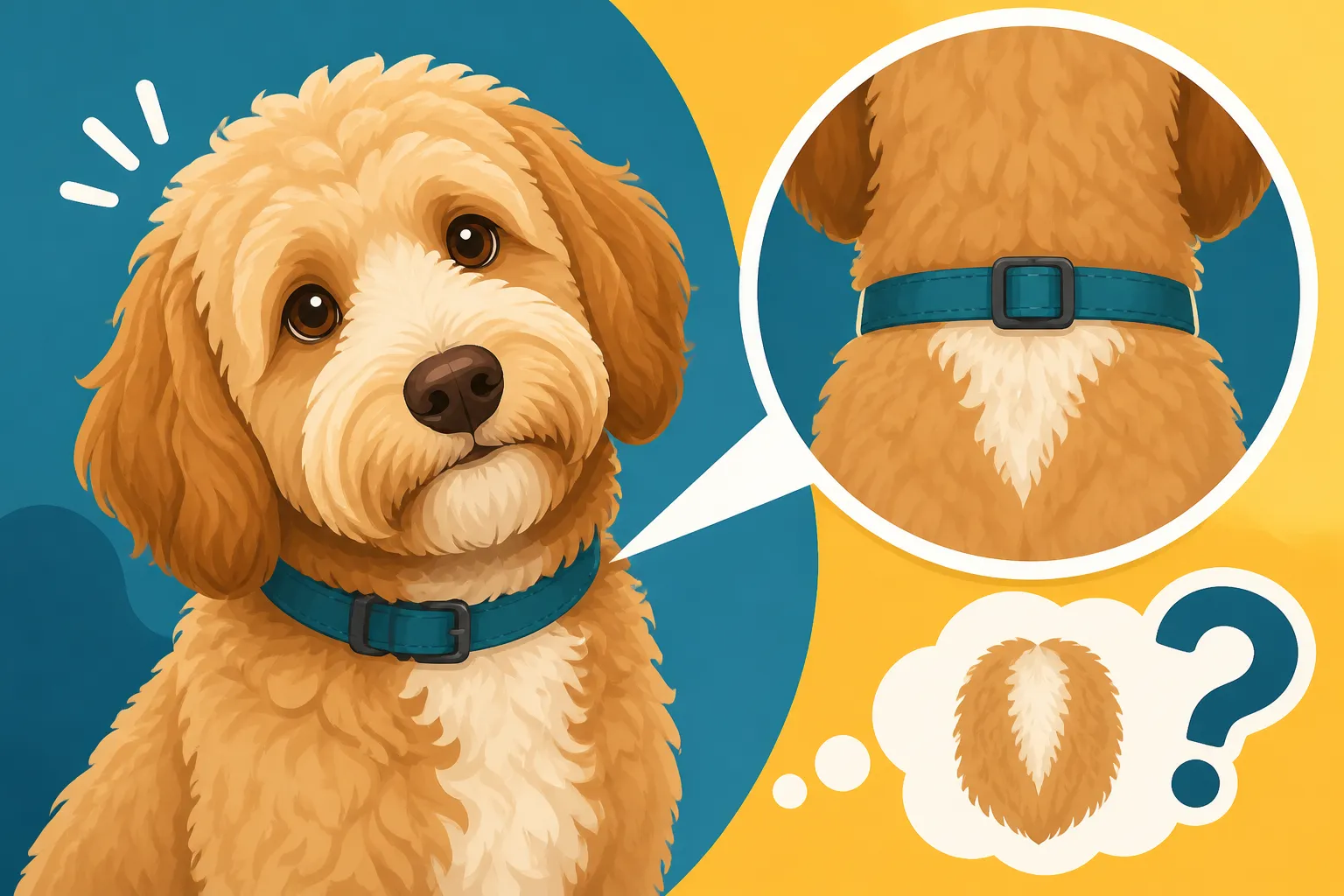
Whether a Collar Wears a Patch in a Labradoodle’s Coat
It’s a sight many Labradoodle parents are all too familiar with: you pull off your beloved dog’s collar, only to find a dull, matted, or even bald patch right underneath where it normally sits. It’s frustrating to see that gorgeous, low-shedding coat — which often takes so much careful grooming to maintain — getting damaged by something as seemingly innocuous as a simple collar. This guide is dedicated to explaining exactly why these "collar patches" happen to Labradoodles, and more importantly, what you can do to prevent them and keep your dog's coat looking its best.
Understanding the "Collar Patch" Phenomenon in Labradoodles
The beautiful, often curly or wavy coat of a Labradoodle, while being a huge part of their charm, also makes them particularly susceptible to issues like matting and friction damage. A collar, necessary as it is for identification and leash attachment, can unfortunately become a primary culprit in creating unsightly and uncomfortable patches on your dog's neck. It's not just an aesthetic issue; these patches can lead to skin irritation, discomfort, and even infection if not addressed.
Friction and Matting: The Primary Culprits
Imagine wearing a rough necklace that constantly rubs against your skin – eventually, you'd notice some irritation or even a thinning of hair. The same principle applies to your Labradoodle's coat. The constant movement of a collar, especially during walks, play, or even just daily activity, creates friction against the delicate hairs on their neck. This friction can wear down the hair shafts over time, leading to breakage and thinning, which then results in a visible patch.
Beyond simple friction, matting is arguably the biggest problem, particularly for Labradoodles with fleece or wool coats. Their unique hair texture, which is designed to be low-shedding, also tends to tangle easily. When a collar is worn, it compresses the hair underneath, creating the perfect conditions for mats to form. The friction then exacerbates these tangles, turning small knots into tight, felted masses that pull on the skin. These mats effectively "wear" a patch in the coat by trapping dead hair and preventing healthy growth, often leading to a bald spot once the mat is finally removed. This is especially true during The Coat Change That Hits a Labradoodle at Nine Months, when their puppy coat is transitioning to their adult coat, making them even more prone to matting.
The Role of Coat Type
Not all Labradoodles are created equal when it comes to coat texture, and this plays a significant role in how susceptible they are to collar damage. There are generally three main coat types: hair, fleece, and wool.
The hair coat, which is straighter and sheds more like a Labrador, tends to be less prone to severe matting, but can still experience friction-related thinning. You might see a patch where the hair just looks shorter or a bit rougher.
The fleece coat, which is soft and wavy, is often considered the most desirable for its balance of softness and low-shedding properties. However, this coat type is highly prone to matting, especially around the collar. The waves can intertwine easily, and the constant pressure of a collar creates dense mats quickly if not brushed diligently.
The wool coat, which is tightly curled and feels like lamb's wool, is the least shedding but also the most prone to matting. A wool-coated Labradoodle wearing a collar without meticulous daily attention to the neck area is almost guaranteed to develop significant matting. The tight curls grip onto each other, and the collar's pressure simply speeds up the felting process, creating thick, painful mats that are extremely difficult to brush out. Understanding The Three Labradoodle Coats: Hair, Fleece and Wool is key to managing these challenges.
Choosing the Right Collar to Protect Your Labradoodle's Coat
Selecting the right collar isn't just about style; it's a crucial step in preventing coat damage and ensuring your Labradoodle's comfort. Not all collars are created equal, and what works for one dog might be detrimental to another, especially with a Labradoodle's unique coat.
Material Matters: What to Look For (and Avoid)
When it comes to collar materials, you're looking for something that minimizes friction and allows the coat to breathe.
- Smooth, Rolled Leather or Satin-Lined Nylon: These are often excellent choices. Rolled leather collars, for instance, present a much smaller surface area to the coat, reducing friction points. They also tend to be smoother than flat nylon. Satin-lined nylon collars offer a soft, slick surface that can glide over the hair rather than rubbing and snagging it. Many owners find these options drastically reduce matting compared to standard rough nylon. You can often find a good selection of these on sites like Chewy or Amazon.
- Avoid Rough Nylon or Webbing: While durable and affordable, traditional flat nylon collars, especially those with rough edges, can be a major contributor to coat damage. The texture can grab and pull at the hair, creating friction and encouraging mats. The wider the collar, the more surface area there is to cause problems.
- Consider Breakaway Collars (for safety, with caveats): While not directly related to coat preservation, breakaway collars are important for safety, especially if your Labradoodle spends time in a kennel or playing with other dogs where a collar could get snagged. However, ensure the material is still coat-friendly.
Here's a quick comparison of common collar materials and their impact on a Labradoodle's coat:
| Collar Material | Pros for Labradoodle Coat | Cons for Labradoodle Coat |
|---|---|---|
| Rolled Leather | Smooth, reduced surface area, less friction, durable. | Can be more expensive, requires occasional conditioning. |
| Satin-Lined Nylon | Very smooth, low friction, comfortable, often affordable. | Less durable than leather, may wear out faster. |
| Flat Nylon/Webbing | Affordable, strong, widely available. | High friction, can snag and rub hair, major matting risk. |
| Chain/Metal Collars | Minimal hair contact (e.g., martingale for training). | Can rust, catch fine hairs, heavy, not for continuous wear. |
| Neoprene/Padded Nylon | Soft, comfortable, good for sensitive skin. | Wider designs can still compress hair, increasing matting risk. |
Finding the Perfect Fit and Looseness
A collar that is too tight will obviously cause discomfort and increase pressure, exacerbating friction and matting. However, a collar that is too loose can also be problematic. If it's constantly slipping and sliding around, it creates more movement against the coat, leading to more friction and pulling.
The general rule of thumb is that you should be able to comfortably slip two fingers between the collar and your dog's neck. For a Labradoodle, you might even aim for the looser end of that spectrum, ensuring it's not so loose that they can slip out. Regularly check the fit, especially for growing puppies, as a collar that fit perfectly a month ago might be too snug today. Also, remember to occasionally rotate the collar's position on their neck if possible, to distribute wear and tear on the coat.
Alternatives to Continuous Collar Wear
Perhaps the most effective way to prevent a collar patch is to minimize the amount of time your Labradoodle wears a collar.
- Remove Collars Indoors: If your home is secure and your dog is microchipped, consider removing their collar when they are indoors and supervised. This gives their neck a break from friction and pressure. Just remember to put it back on before heading outside!
- Harnesses for Walks: For walks, a harness is often a better choice than a collar, as it distributes pressure across the chest and shoulders, away from the delicate neck hair. While harnesses can sometimes cause issues like Whether a Harness Mats a Labradoodle's Chest, particularly in the armpits or behind the front legs, these areas are often less visible and can be easier to manage with proper grooming than a matted neck. Choosing a harness with soft, smooth straps can further reduce issues.
- Limited-Slip or Martingale Collars for Training: For specific training scenarios where you need a bit more control, a limited-slip or martingale collar can be effective. These collars tighten just enough to prevent your dog from backing out, but relax when not under tension, reducing continuous pressure on the coat. They are typically made of softer materials or have a chain loop that minimizes contact with the coat. However, these are generally not meant for constant wear.
Grooming Strategies for Preventing and Addressing Collar Damage
Even with the perfect collar, a Labradoodle's coat demands consistent attention to prevent mats and damage. Regular grooming is your absolute best defense against the dreaded collar patch. It’s not just about aesthetics; it’s about preventing discomfort and potential skin problems for your furry friend.
Daily Brushing: Your First Line of Defense
For a Labradoodle, especially one with a fleece or wool coat, daily brushing isn't just recommended; it's practically mandatory to prevent matting, particularly in high-friction areas like under the collar. You absolutely need to brush Brushing a Labradoodle to the Skin, Not the Surface, not just the top layer. Many owners make the mistake of only brushing the visible surface, leaving mats to form and tighten at the base of the hair, close to the skin.
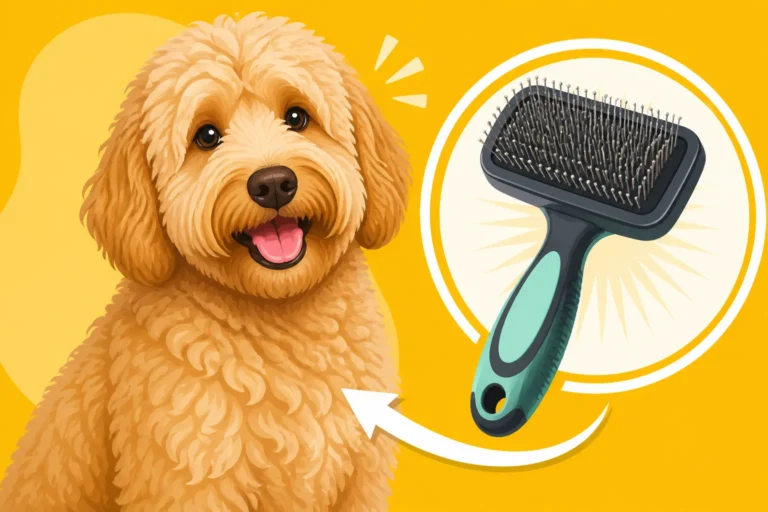
When brushing the neck area, carefully lift the collar, or remove it entirely if safe to do so. Use a slicker brush to gently work through the hair, followed by a metal comb to ensure all tangles are removed. Pay close attention to the area right behind the ears and around the throat, as these are prime spots Where Mats Form First on a Labradoodle. A good quality slicker brush and a sturdy metal comb are indispensable tools. You can find excellent options for these vital tools on Amazon, often with reviews from other doodle owners.
Strategic Trimming
Regular trimming around the neck can significantly reduce the amount of hair available to get caught and matted under the collar. This doesn't mean shaving a patch, but rather keeping the hair a bit shorter in that specific area than the rest of the coat.
A professional groomer can achieve a subtle, neat trim that minimizes coat bulk without creating an obvious "bald spot." Discuss with your groomer the possibility of a slightly shorter clip around the collar area during their regular six-to-eight-week grooming schedule. They can blend it seamlessly with the rest of your Labradoodle’s teddy bear cut or desired style. For owners who groom at home, careful use of thinning shears or clippers with a longer guard can help reduce bulk, but always exercise caution to avoid injury or an uneven cut.
Bathing and Drying Techniques
How you bathe and dry your Labradoodle also impacts their coat's health and matting susceptibility. Before bathing, always thoroughly brush and comb out any existing tangles, especially under the collar. Water tightens mats, making them nearly impossible to remove once wet.
After bathing, ensure your Labradoodle is completely dry, right down to the skin. Air drying, especially for a fleece or wool coat, is a recipe for matting. Use a high-velocity force dryer, if you have one, or a regular hairdryer on a cool setting, while brushing the coat to separate the hairs. This prevents the damp hair from clumping and forming new mats as it dries. Pay extra attention to the neck area, making sure every strand under where the collar sits is fully dry and brushed out. This meticulous drying process can make a huge difference in preventing those stubborn collar patches. For more general bathing advice, see How Often a Labradoodle Needs a Bath.
Beyond the Collar: Holistic Coat Health for Labradoodles
A healthy coat is a resilient coat. While direct measures to manage collars are essential, supporting your Labradoodle's overall coat health through diet, regular exercise, and professional care will make their hair more robust and less prone to damage.
The Impact of Nutrition
What goes into your Labradoodle's bowl directly impacts the quality of their coat. A diet rich in essential fatty acids, vitamins, and minerals supports healthy skin and a shiny, strong coat that is less likely to break or become brittle.
Look for high-quality dog foods that list real meat as the primary ingredient and contain omega-3 and omega-6 fatty acids, often derived from fish oil, flaxseed, or sunflower oil. These nutrients are crucial for maintaining skin elasticity and a healthy hair follicle. Some owners supplement their dog's diet with fish oil or special skin and coat supplements, which can add an extra layer of protection against dryness and brittleness. A robust and well-nourished coat will simply be better equipped to withstand the everyday friction and pressure from a collar. Even specialty fresh food options like Ollie prioritize these ingredients for overall dog health, which naturally benefits skin and coat quality.
Regular Exercise and Outdoor Care
Exercise is vital for your Labradoodle's overall well-being, but it also impacts their coat. Active dogs tend to have better circulation, which supports healthy skin and hair growth. However, outdoor adventures can also introduce challenges for their coat.
If your Labradoodle loves to swim, remember that water can tighten mats if the coat isn't properly brushed and dried afterward. Always rinse off chlorine or saltwater and thoroughly dry their coat, paying special attention to the neck area. For outdoor play, especially in wooded areas, consider a bandana instead of a collar if it's safe, or a very lightweight, smooth-material collar, to prevent snags and excessive friction. After any vigorous activity, a quick brush-through, particularly around the collar line, can catch tangles before they escalate.
Professional Grooming: A Non-Negotiable Necessity
Even the most dedicated home groomer will benefit from regular professional grooming appointments for their Labradoodle. Professional groomers have specialized tools, training, and experience to handle Labradoodle coats, including tackling stubborn mats and advising on coat-friendly styles.
A groomer can identify areas where mats are prone to form and provide targeted care. They can also educate you on specific brushing techniques for your dog's unique coat type and suggest products that can help. Regular visits, typically every 6-8 weeks, ensure that any developing collar patches or general matting are addressed before they become severe. Don't be shy about discussing your concerns about collar patches with your groomer; they are a valuable resource in keeping your Labradoodle's coat in prime condition. Remember, for severely matted areas, a groomer might have to shave the affected spot, which is a last resort, but sometimes necessary for your dog's comfort. This is why addressing issues early is so important, to avoid situations that might require What a Groomer Charges to Strip a Matted Labradoodle or more drastic measures.
By combining the right collar choice, diligent home grooming, and holistic care, you can significantly reduce the risk of those frustrating collar patches and keep your Labradoodle's coat beautiful and healthy for years to come.
Disclaimer
This article is for general informational purposes only and does not constitute professional advice. Laws, prices and regulations vary by location and change over time. Consult a qualified professional for guidance on your specific situation.