Detangling Sprays for a Labradoodle
If you're a Labradoodle owner, you know the exquisite joy of their goofy antics and loving nature, but you also understand the unique battle that is their coat. Those beautiful, often curly, locks are notorious for knotting and matting, turning what should be a joyful grooming session into a wrestling match. This guide is here to walk you through the world of detangling sprays, helping you understand why your Labradoodle’s coat knots, how these sprays work, and how to effectively use them to keep those luscious locks tangle-free and your dog comfortable.
Understanding Why Labradoodle Coats Tangle
Let's face it, your Labradoodle's coat is a marvel, a delightful blend that promises less shedding but often delivers a whole lot more matting. It's not just "fuzzy hair"; there's a science to why it creates such impressive knots. Understanding this is the first step in tackling the tangle monster head-on.
The Unique Texture of Labradoodle Hair
Unlike the smooth, straight hair of many breeds, or the constantly shedding double coat of a Labrador, the Labradoodle's coat is a fascinating hybrid. It can range from a straight, more Labrador-like hair coat, to a wavy fleece, or even a tight, curly wool-like texture that mimics a Poodle. This variety is beautiful, but it's also the primary culprit behind tangles. The individual strands of hair, especially in fleece and wool coats, are not perfectly straight. They have natural kinks, waves, or curls that allow them to intertwine with neighboring hairs incredibly easily. When these kinky or curly strands rub against each other, they hook and latch, forming small tangles that, if left unattended, quickly escalate into dense, painful mats. It’s like a miniature game of tug-of-war happening all over your dog's body, and the hair almost always wins if you're not proactive.
Common Problem Areas for Mats and Tangles
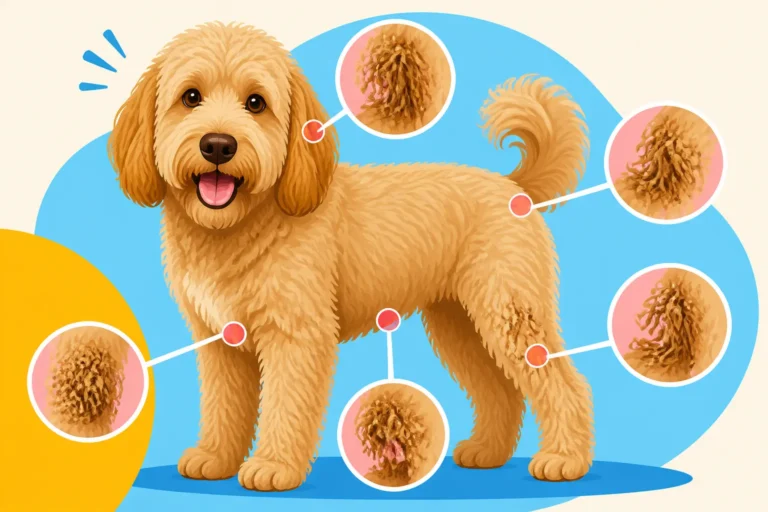
While a Labradoodle can develop a mat almost anywhere, there are certain hot spots that seem to attract them with particular vengeance. These are often areas of high friction or where the coat is thicker and more prone to movement and rubbing. Think about behind the ears where their head moves constantly, under the collar or harness, and in the armpits and groin where their legs rub against their body. Their tail, especially if it's bushy, can also become a matted mess from wagging. Even the hair between their paw pads can become tightly knotted, making walking uncomfortable and trapping debris. It’s crucial to pay extra attention to these zones during your regular grooming sessions. A quick run-through with a comb in these areas daily can prevent a tiny knot from becoming a major ordeal. Where Mats Form First on a Labradoodle delves deeper into these specific trouble spots.
The Impact of Lifestyle on Matting
Beyond the inherent nature of their coat, your Labradoodle's daily life significantly influences how prone they are to matting. An active dog who loves to roll in the grass, swim in the lake, or wrestle with canine friends is naturally going to accumulate more debris and experience more friction on their coat. Moisture, whether from rain, baths, or swimming, is another major factor. If a Labradoodle's coat isn't thoroughly dried and brushed out after getting wet, those damp hairs will clump together and dry into tight, felted mats. Even just sleeping can cause mats in pressure points. A walk through tall weeds can embed burrs and twigs that instantly create knots. Thinking about your dog's activities can help you anticipate where and when mats might form, allowing you to be more prepared with your detangling routine. This proactive approach can save you a lot of time and your dog a lot of discomfort.
The Role of Detangling Sprays in Labradoodle Grooming
So, you've identified the problem, and you understand the adversary (tangles!). Now, let's talk about one of your most valuable allies in this grooming battle: the detangling spray. These aren't just fancy-smelling mists; they're formulated tools designed to make your life, and your Labradoodle's, much easier.
How Detangling Sprays Work
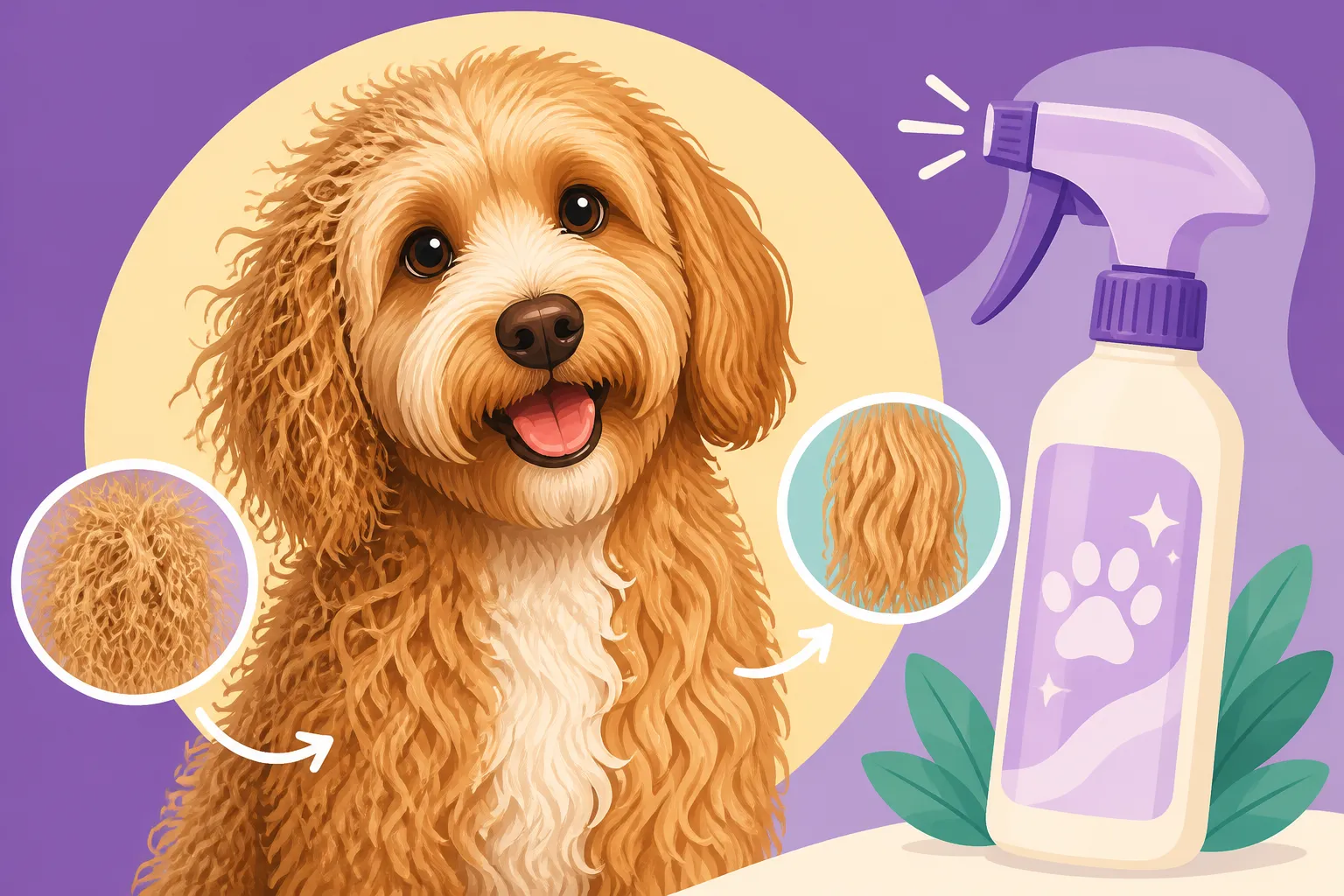
At their core, detangling sprays work by altering the surface of the hair shaft. Imagine each strand of hair having tiny, microscopic scales. When these scales are ruffled or dry, they catch on other hairs, creating friction and leading to knots. Detangling sprays typically contain ingredients like silicones, emollients, and conditioners that smooth down these scales, effectively lubricating the hair. This reduces friction, allowing tangled hairs to slip past each other instead of snagging. Many sprays also add a bit of weight and moisture to the hair, making it more pliable and easier to separate. Some even have anti-static properties, which further help prevent new tangles from forming due to static electricity, especially in drier climates or during colder months. It’s like adding a protective, slippery barrier to each strand, making the comb's job significantly less arduous.
When to Use a Detangling Spray
The "when" of using detangling spray is just as important as the "how." The most obvious time is, of course, when you encounter a tangle or mat. Instead of trying to force a brush through it (which is painful for your dog and can damage the coat), a good detangling spray will help you gently work through the knot. But detangling sprays aren't just for emergencies. They are fantastic preventative tools. A light mist over the coat before each brushing session can make the comb glide through much more easily, reducing snags and preventing new tangles from forming. It's also invaluable after a bath, once the coat is towel-dried but still damp. At this stage, the hair is particularly prone to matting as it dries, and a good spray can help ensure a smooth, tangle-free finish. Regularly incorporating it into your routine can drastically reduce the severity and frequency of mats. For tips on a full routine, check out Brushing a Labradoodle to the Skin, Not the Surface.
Benefits Beyond Just Detangling
While detangling is in the name, these sprays offer a host of other benefits that contribute to a healthier, more beautiful coat and a happier Labradoodle. Many sprays include conditioning agents that leave the coat softer and shinier, enhancing that beautiful Labradoodle fluff. They can also provide a protective barrier against environmental damage, like UV rays or harsh weather, and some even help repel dirt and debris, meaning your dog stays cleaner for longer. The pleasant scent that many sprays impart is a bonus, leaving your dog smelling fresh between baths. For dogs prone to dry or itchy skin, the added moisture and conditioning can offer some relief, as well as making the coat less prone to static electricity. Ultimately, a good detangling spray isn't just about removing knots; it's about promoting overall coat health and making the entire grooming experience more enjoyable for both you and your beloved companion.
Choosing the Right Detangling Spray for Your Labradoodle
Navigating the seemingly endless aisle of grooming products can be overwhelming. When it comes to detangling sprays for your Labradoodle, it's not a one-size-fits-all situation. The ideal spray will depend on your dog's specific coat type, skin sensitivity, and the severity of their tangles. Making an informed choice can make all the difference.
Key Ingredients to Look For
When you're scanning product labels, look for ingredients that actively lubricate, moisturize, and protect the hair. Silicones, such as dimethicone or cyclomethicone, are often the workhorses of detangling sprays, forming a smooth, slippery layer on the hair shaft. Don't be scared by the term "silicone" – in grooming products, they are typically safe and effective. Natural oils like argan oil, coconut oil, or jojoba oil can provide deep conditioning and shine. Aloe vera and oatmeal extract are excellent for soothing sensitive skin, which is a common concern for many Labradoodles. Proteins like keratin or silk amino acids can help strengthen the hair, preventing breakage. Humectants like glycerin draw moisture into the coat, keeping it pliable. When browsing options on reputable sites like Chewy or Amazon, take a moment to read the ingredient lists and prioritize those with beneficial properties.
Ingredients to Avoid
Just as important as knowing what to look for is knowing what to steer clear of. Harsh alcohols, often listed as ethanol or isopropyl alcohol, can dry out the coat and skin, leading to irritation and making hair more brittle and prone to breakage. Artificial fragrances and dyes, while making a product smell and look appealing, can be irritants for dogs with sensitive skin or allergies. While natural scents derived from essential oils can be beneficial, always check that they are pet-safe, as some essential oils can be toxic to dogs. Sulfates, which are harsh detergents, are also best avoided in leave-in products. Always opt for formulas labeled "pH balanced for dogs" to ensure they won't disrupt your dog's natural skin barrier. Remember, your Labradoodle might be licking at their coat after grooming, so choosing non-toxic, gentle ingredients is paramount.
Different Formulations and Their Uses
Detangling sprays come in a variety of formulations, each with slightly different characteristics and ideal uses.
| Formulation Type | Description | Best Use Case |
|---|---|---|
| Light Mist Sprays | Water-based, fine mist, often with light conditioners. | Daily brushing, preventative, refreshing coat, minimal matting. |
| Concentrated Sprays | Thicker, more viscous, higher concentration of detangling agents. | Tackling stubborn mats, dense coats, pre-bath treatment for tangles. |
| Leave-In Conditioners | Creamier consistency, designed to be left in without rinsing. | Deep conditioning, mat prevention, enhancing softness and shine. |
| Dry Shampoos/Sprays | Powder or aerosol-based, absorbs oil, often has detangling properties. | Quick refresh between baths, minor tangles on a dirty coat. |
Light mist sprays are fantastic for everyday brushing and general maintenance. If your Labradoodle has a fine fleece coat that just gets a little unruly, these are perfect. More concentrated sprays or thicker leave-in conditioners are your heavy hitters for tackling those really stubborn, dense mats that feel impossible. These often have a more substantial feel and coat the hair more thoroughly, providing maximum slip. Some even come as a creamy consistency that you can rub directly into a mat before gently working it out. Knowing your dog's coat type – whether it's more like a The Fleece Coat and Why Breeders Aim For It or a The Wool Coat Labradoodle and Its Upkeep – will help you decide. For dogs with particularly sensitive skin, you might lean towards all-natural, hypoallergenic options. When in doubt, a multi-purpose, gentle detangling spray is a great starting point.
Step-by-Step Guide to Using Detangling Spray Effectively
Using a detangling spray isn't just about spritzing and brushing. There's a method to the madness that can make the difference between a frustrating chore and a successful grooming session. Mastering these techniques will empower you to keep your Labradoodle's coat in tip-top condition.
Preparation is Key
Before you even think about grabbing that detangling spray, you need to set the stage. First, gather all your tools: a good quality slicker brush, a metal comb with both wide and fine teeth (this is absolutely essential for getting right to the skin), and of course, your chosen detangling spray. Find a comfortable, well-lit spot where both you and your Labradoodle can relax. Many owners find a grooming table helpful, or even just a non-slip mat on the floor. Give your dog a good initial once-over with the slicker brush to remove any loose hair and surface dirt. This helps you identify existing tangles more easily and ensures the spray can penetrate effectively. If you encounter a large, dense mat, resist the urge to immediately douse it in spray. Sometimes, a very tangled area needs some initial hand-separation or a Splitting a Mat on a Labradoodle Before It Tightens with your fingers before the spray can truly work its magic.
Application Techniques for Stubborn Mats
When tackling a stubborn mat, precision is your friend. Don't just spray liberally over the entire mat. Instead, isolate the mat with your fingers, holding the hair at the base of the tangle close to the skin to prevent pulling and hurting your dog. This is important because pulling on mats can cause skin irritation or even bruising. Spray the detangler directly onto the mat, ensuring it penetrates to the core of the knot. You might need to gently work the spray in with your fingers. Let the spray sit for a few minutes; this allows the conditioning agents to lubricate the hair thoroughly.
After letting it sit, start at the very end of the tangle, using the wide-toothed side of your metal comb or the corner of your slicker brush. Work in tiny sections, gently picking apart the knot, strand by strand. Think of it like carefully untying a shoelace, not ripping it open. Work outwards from the skin. Once you've loosened a section, move to the finer side of the comb to work through smaller snags. If the mat is truly formidable, you might need to reapply the spray and repeat the process. Patience is crucial here; rushing will only cause pain and frustration for your dog. For severe situations, remember that Whether a Tight Matted Labradoodle Has Any Other Option might need professional intervention.
Post-Spray Care and Prevention
Once you've successfully worked through a mat, don't just put your tools away. Finish by thoroughly line brushing your entire Labradoodle to ensure no hidden tangles remain. Line brushing, as discussed in Teaching Yourself to Line Brush a Labradoodle, ensures you get all the way down to the skin, preventing mats from forming from the inside out. After brushing, a final light mist of detangling spray can provide ongoing protection and leave the coat feeling soft and looking shiny.
Consistent prevention is always easier than emergency detangling. Regular brushing, ideally daily or every other day, with a detangling spray used as a pre-brushing aid, is the best defense against mats. Pay particular attention to those friction areas like Mats Behind a Labradoodle's Ears or Mats in a Labradoodle's Armpits. Ensure your Labradoodle is completely dry after baths or swims, brushing thoroughly as they dry. By making detangling spray a regular part of your grooming routine, you'll significantly reduce the likelihood of severe matting and keep your Labradoodle's coat healthy and beautiful.
Integrating Detangling Sprays into a Comprehensive Grooming Routine
Detangling sprays are a powerful weapon, but they are just one part of the arsenal in maintaining your Labradoodle's unique coat. For true success, they need to be seamlessly integrated into a comprehensive, consistent grooming routine. This holistic approach ensures not just a tangle-free coat, but a healthy and happy dog.
The Importance of Regular Brushing
Let’s be honest, those beautiful Labradoodle coats demand attention. Regular brushing is the absolute cornerstone of a healthy, mat-free coat, and detangling sprays are there to enhance this effort, not replace it. Aim for daily brushing, especially if your Labradoodle has a wool or fleece coat, or is currently going through The Coat Change That Hits a Labradoodle at Nine Months. Consistent brushing prevents those tiny, invisible knots from consolidating into painful mats. It also distributes natural oils throughout the coat, promoting shine and skin health.
When you brush, make sure you're using the right tools, like the combination of a slicker brush and a good metal comb. The Slicker, Rake and Comb a Labradoodle Takes explains this in detail. Always brush down to the skin, not just over the top of the coat. A light mist of detangling spray before you start each brushing session can make a world of difference, allowing the brush and comb to glide through the hair with less pulling and friction. This not only makes the process more comfortable for your dog but also allows you to be more thorough, ensuring every layer of that thick coat is cared for.
Combining Sprays with Other Grooming Tools
A detangling spray is most effective when used in conjunction with other essential grooming tools. After applying the spray to a matted area, you’ll typically start with a wide-toothed comb or the edge of a slicker brush to gently tease apart the knot. Once the major sections are separated, a finer-toothed comb is invaluable for removing smaller snags and ensuring the hair is completely free-flowing. Some owners also find dematting tools, like a mat splitter or an undercoat rake, helpful for really tough mats, always using them with extreme caution and after applying a good detangling spray to minimize discomfort.
Beyond brushes and combs, consider the broader grooming toolkit. A good quality shampoo and conditioner designed for curly or long-coated breeds can also help maintain coat health and prevent tangles from forming in the first place. High-velocity dryers are also a game-changer for Labradoodles, helping to thoroughly dry the coat while "blowing out" loose hair, which significantly reduces matting. Remember to mist with detangling spray before drying to prevent the drying process from knotting the hair. Each tool plays a specific role, and when used together with detangling sprays, they create a formidable defense against mats.
Professional Grooming and Detangling Maintenance
Even with the most diligent home grooming routine and the best detangling sprays, professional grooming is often a necessity for Labradoodles. Their coats can be incredibly high-maintenance, and a professional groomer has the expertise, tools, and experience to handle even the most challenging coats. A groomer can spot potential problem areas you might miss and can expertly trim the coat to a manageable length, reducing the overall surface area available for matting. This doesn't mean you get to slack off at home, though!
Think of your groomer as a partner. Regular appointments (typically every 6-8 weeks, depending on coat type and length) keep the coat in optimal condition. If you're consistently using detangling spray and brushing at home, your groomer's job will be easier, and your dog will have a much more pleasant experience. Showing up with a severely matted dog, despite your best efforts, can mean a very short shave-down for your pup, which is not ideal. Using your detangling spray daily and brushing thoroughly between appointments ensures that your groomer can work with a healthy coat, maintaining a beautiful style for your Labradoodle without having to resort to extreme measures. It's a team effort that pays off in a happy, well-groomed companion.
Detangling Spray Options at a Glance
Choosing a detangling spray can feel like a big decision. Here's a quick overview of what some popular types offer, helping you match a product to your Labradoodle's specific needs.
| Feature | Light Conditioning Spray | Heavy-Duty Detangler | Leave-In Conditioning Treatment | Natural/Hypoallergenic Spray |
|---|---|---|---|---|
| Primary Goal | Preventative, daily brush-out aid, light tangles | Attack severe mats, deeply knotted areas | Softness, shine, long-term conditioning, mat prevention | Gentle care for sensitive skin, allergy-prone dogs |
| Key Ingredients | Water, light silicones (e.g., dimethicone), aloe vera | Higher concentration of silicones, emollients, oils | Proteins (keratin), natural oils (argan, coconut), humectants | Oatmeal extract, aloe vera, gentle plant-derived ingredients |
| Texture/Feel | Light mist, non-greasy | Slightly thicker, may feel more "coated" on hair | Creamy, can be worked into the coat deeply | Very light, often scent-free or lightly scented with natural extracts |
| Application | All over coat before brushing or after bathing | Directly on mat, work into tangle, let sit | Applied generously after bath, or daily in problem areas | All over, gentle massage, ideal for sensitive spots |
| Pros | Easy daily use, prevents minor tangles, pleasant scent | Highly effective on tough mats, saves coats from shaving | Deep nourishment, long-lasting effects, enhances coat quality | Minimizes irritation, suitable for sensitive pets, clean ingredients |
| Cons | Less effective on severe mats | Can feel heavy if overused, may need rinsing if too much | Can feel heavy if not worked in properly, longer drying time | May be less potent on very dense, severe tangles |
| Ideal For | Labradoodles with fleece/hair coats, daily maintenance | Wool-coated Labradoodles, dogs prone to severe matting, coat change | Any Labradoodle for extra conditioning and coat health | Labradoodles with allergies, skin sensitivities, or reactive skin |
This table provides a general guide, but always remember to read the specific product instructions and ingredient lists carefully. A lot of great options can be found on retailers like Chewy, offering detailed descriptions and customer reviews to help you make the best choice for your unique Labradoodle. Some owners even incorporate high-quality nutritional supplements or foods, such as those found through services like Ollie, to promote overall skin and coat health, which can, in turn, reduce tangling. Healthy hair from the inside out is always easier to manage.
Disclaimer
This article is for general informational purposes only and does not constitute professional advice. Laws, prices and regulations vary by location and change over time. Consult a qualified professional for guidance on your specific situation.