The Wool Coat Labradoodle and Its Upkeep
Oh, the wool coat Labradoodle! So beautiful, so luxurious, so utterly misunderstood in terms of the daily commitment it demands. Many new Labradoodle owners fall head over heels for the soft, curly, allergy-friendly appeal of a wool coat, only to find themselves quickly overwhelmed by the relentless matting and the sheer effort required to keep it looking pristine and, more importantly, to keep their dog comfortable. This guide is here to walk you through everything you need to know about caring for that magnificent, yet high-maintenance, wool coat, from the tools you'll need to the daily routines that will become your new normal.
Understanding the Labradoodle Wool Coat
Let's start by getting to grips with what a wool coat actually is. It's often the dream coat for those seeking a "hypoallergenic" dog, but it's also the coat type that will test your patience and dedication the most. Understanding its unique characteristics is the first step to mastering its upkeep.
What Defines a Wool Coat?
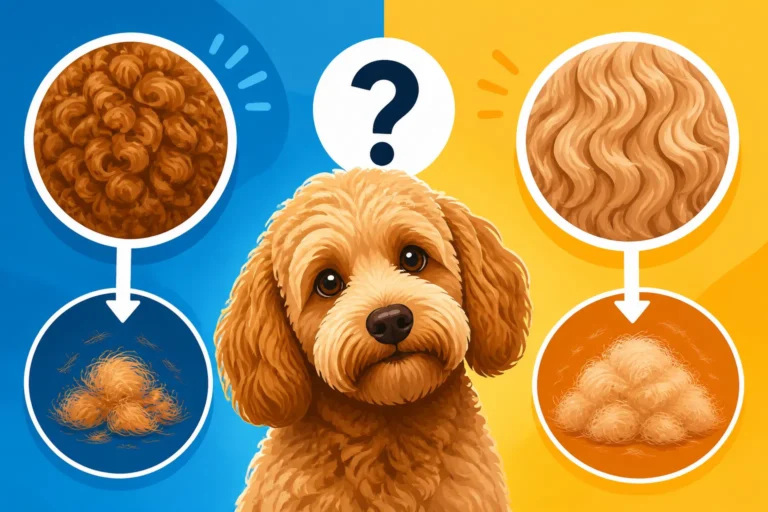
Imagine the softest lamb's wool, dense and plush, often forming tight, spiraled curls close to the body. That's the essence of a Labradoodle's wool coat. Unlike the fleece coat, which can be wavy or spiraled with a softer, silkier texture, the wool coat is distinctly curly and has a slightly coarser, cotton-like feel when it's short, but a very soft, dense feel when longer. It's the densest of the three recognized Labradoodle coat types, which include hair, fleece, and wool. This density and tight curl are what contribute to its low-shedding qualities, but also to its notorious matting potential.
The curl pattern can range from small, tight ringlets to more open, yet still dense, spirals. It's this structure that traps shed hair, preventing it from falling out into your home. While this is fantastic for allergy sufferers and keeping your furniture clean, it means that shed hair becomes intertwined with the growing hair, creating knots and mats if not meticulously brushed out. It's a double-edged sword: less shedding, but more intense grooming. If you've ever thought a wool coat means less work, prepare for a reality check! You can read more about The Three Labradoodle Coats: Hair, Fleece and Wool to get a clearer picture of the distinctions.
Genetic Factors and Variability
The presence and characteristics of a wool coat are rooted in genetics, primarily influenced by the Poodle side of the Labradoodle's ancestry. Specific genes dictate curl type and furnishings (the longer hair on the face, beard, and legs that gives the "doodle" look). While breeders aim for consistency, especially in later generations of Australian Labradoodles, there can still be variability even within a single litter. You might see puppies ranging from loose fleece to tight wool coats.
The coat itself also goes through significant changes as your Labradoodle matures. The most challenging period for grooming a wool-coated Labradoodle is typically during its "coat change," usually occurring between 8 and 14 months of age. During this time, the puppy coat, which is often softer and less dense, gives way to the thicker, coarser adult coat. This transition causes the old puppy hair to get tangled and matted with the incoming adult hair at an alarming rate. It feels like overnight your perfectly brushed puppy has turned into a walking felt factory. Many owners report that this period is when they seriously consider shaving their dog down, as the mats can seem impossible to conquer. Understanding this transitional phase, and being prepared for it, is absolutely crucial. The Coat Change That Hits a Labradoodle at Nine Months is a topic worth exploring further.
Essential Grooming Tools for Wool Coats
You cannot conquer the wool coat without the right arsenal of tools. Trying to groom a wool-coated Labradoodle with inadequate brushes is like trying to bake a cake with a spoon – frustrating, ineffective, and messy. Invest in quality from the start; it will save you headaches, heartache, and ultimately, money in emergency groomer visits.
The Absolute Must-Haves
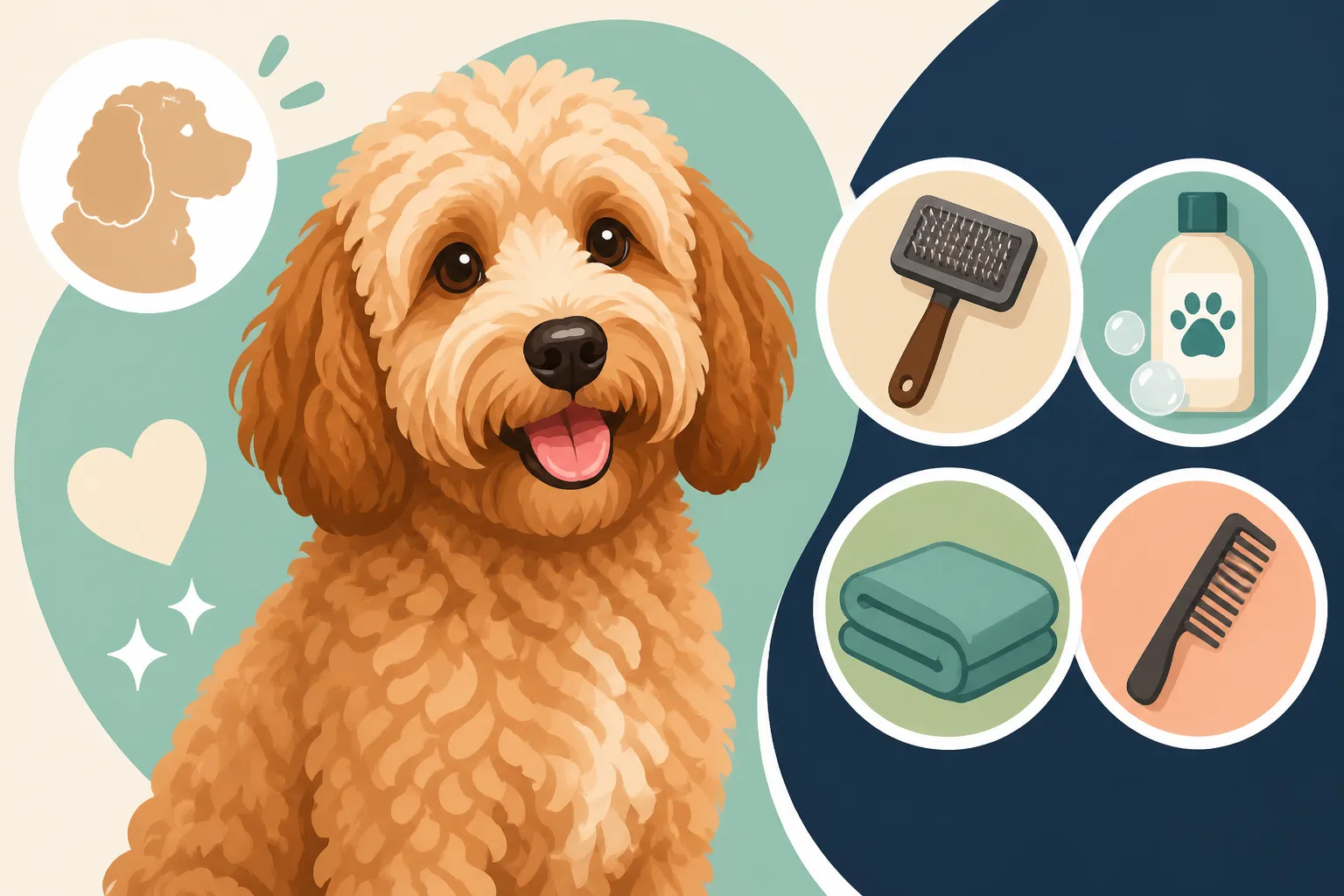
For a wool-coated Labradoodle, your basic grooming kit needs to be robust. First and foremost, you need a high-quality slicker brush. Not just any slicker, but one with strong, long pins that can reach deep into the dense coat, down to the skin. This is non-negotiable. Many cheaper slicker brushes have weak pins that simply glide over the top of the coat, leaving mats brewing underneath. A good slicker brush will effectively separate the hairs and tease out tangles before they become solid mats.
Next, a sturdy metal comb is your second best friend. This isn't for general brushing, but for "combing through." After you've brushed a section with the slicker, you use the metal comb to ensure you've reached the skin and removed all tangles. If the comb snags, you go back with the slicker. A wide-toothed side for bigger sections and a finer-toothed side for delicate areas like behind the ears or armpits is ideal. Additionally, a detangling spray or conditioning spray is incredibly helpful. Spritzing the coat before brushing helps reduce static, lubricates the hair, and makes it easier for the brush to glide through, preventing breakage. Brands like Chris Christensen or Artero are often recommended by professional groomers for their quality. For more details on choosing the right tools, check out The Slicker, Rake and Comb a Labradoodle Takes.
Investing in Quality Equipment
Beyond the basics, if you're serious about maintaining your wool-coated Labradoodle at home, there are a few investments that will make your life infinitely easier. A force dryer (also known as a high-velocity dryer) is paramount. This is not your human hairdryer; it blows cool or warm air at a high speed, effectively blasting water out of the coat and straightening the curls as it dries, which helps prevent mats. Trying to air-dry a wool-coated Labradoodle is an open invitation for mats to form instantly, creating a felt blanket next to your dog's skin.
Another worthy investment, especially if you plan to do any clipping yourself, is a good quality set of dog clippers. Professional-grade clippers with various blade sizes (e.g., #10, #7F, #5F, #4F) will allow you to maintain length and tackle any tough mats that form. Blades like the #10 are great for hygiene trims, while longer blades like #4F or #5F can keep the body tidy without going too short. Remember, regular grooming at home, even if you just maintain the coat length, can significantly reduce the frequency and cost of professional grooming. These tools can often be found on platforms like Amazon or specialized pet supply stores online, offering a wide range of options to suit your budget and needs.
The Daily and Weekly Grooming Routine
This is where the rubber meets the road. Owning a wool-coated Labradoodle means embracing a grooming schedule that might feel like a second job at first. But trust me, consistency is your best friend here. Neglect even for a few days can lead to a matting disaster.
Brushing Techniques for Deep Coat Penetration
The biggest mistake owners make with dense, curly coats is only brushing the surface. You might think you're brushing your dog, but if you're not getting down to the skin, you're just smoothing the top layer while mats are quietly forming underneath, closer to the skin, where they become painful and difficult to remove. This is especially true in areas like the armpits, behind the ears, on the inner thighs, and where harnesses rub. Where Mats Form First on a Labradoodle is a must-read for identifying these trouble spots.
The key technique is "line brushing." This involves parting the coat horizontally and brushing one section at a time, working from the bottom up, or from front to back, ensuring your slicker brush and comb reach all the way to the skin. You brush a small section, then comb through it. If the comb glides smoothly, that section is mat-free. Then you move up, create another part, and repeat. It's meticulous, it takes time, but it's the only way to effectively prevent mats in a wool coat. Think of it as painting a wall: you do small, overlapping strokes to ensure full coverage, not just broad sweeps. This isn't a quick five-minute pet; this is a dedicated session. Many wool-coated Labradoodles need this attention several times a week, if not daily, particularly during their coat change or if kept at a longer length.
Tackling Mats and Tangles
Despite your best efforts, tangles and even small mats will happen. The trick is to catch them early. Daily quick checks, especially in high-friction areas, can prevent a small tangle from becoming a solid mat. When you find a tangle, don't just pull at it. Spritz it with a detangling spray generously and gently work it apart with your fingers first, then with the tines of your comb, starting from the very end of the hair and working your way towards the skin, little by little. Imagine you're untangling a delicate necklace.
For larger, more stubborn mats, you might need a mat splitter or a blunt-nosed pair of scissors, but extreme caution is advised. Never cut into a mat blindly, as it's often much closer to the skin than it appears and you could easily cut your dog. If a mat is tight and painful for your dog, or if you can't get your comb under it, it's time to call a professional groomer. They have the tools and expertise to safely remove mats, even if it means shaving the affected area or the entire coat. Your dog's comfort and skin health are always the priority, even if it means sacrificing some coat length. Remember, prevention is always better than cure when it comes to mats.
The Infamous Coat Change
As mentioned earlier, the coat change is a unique challenge for wool-coated Labradoodles. Typically occurring around 8-14 months, this is when their softer puppy coat sheds out and is replaced by the denser, adult wool. This shed puppy hair gets incredibly tangled within the new adult coat, forming mats at an alarming rate. It feels like your dog is matting overnight, even with diligent brushing. This phase can last for several weeks or even a few months.
During this period, your grooming efforts will need to intensify significantly. What was once a twice-a-week line brush might need to become a daily affair. You might even consider having your dog's coat trimmed shorter by a professional groomer to make it more manageable during this transition. A shorter coat gives the new adult hair less old puppy hair to tangle with, simplifying your life immensely. Don't be afraid to take the coat down if you're struggling; it will grow back. The goal is to get through this phase without your dog becoming miserably matted, which can be quite painful for them. A shorter, mat-free coat is always preferable to a long, matted one. For detailed guidance, see How Long a Labradoodle's Coat Change Lasts.
Bathing and Drying Your Wool Coated Labradoodle
Bathing a wool-coated Labradoodle isn't just about getting them clean; it's an integral part of coat maintenance. However, do it incorrectly, and you'll create a matting nightmare. The drying process, in particular, is critical.
Choosing the Right Shampoos and Conditioners
For a wool coat, you want shampoos and conditioners that are moisturizing, detangling, and gentle. Harsh shampoos can strip the natural oils from the coat, making it dry, brittle, and more prone to tangling and breakage. Look for products specifically formulated for curly or long-coated breeds. A good quality shampoo will clean thoroughly without over-drying, and a rich conditioner is absolutely essential. The conditioner helps to smooth the hair cuticles, making the coat softer, more pliable, and less likely to snag and mat.
After shampooing and rinsing thoroughly, apply conditioner liberally, making sure to work it into the entire coat. Let it sit for a few minutes before rinsing. This is also a great time to do some preliminary detangling with your fingers while the conditioner is still in. You can find excellent options for shampoos and conditioners on sites like Chewy, which often stock professional grooming brands. Remember, a well-conditioned coat is easier to brush and less prone to matting. How Often a Labradoodle Needs a Bath really depends on their activity level and coat length, but every 3-4 weeks is a good general guideline for maintaining coat health.
The Critical Importance of Thorough Drying
This cannot be stressed enough: you absolutely cannot air-dry a wool-coated Labradoodle. If you do, the tight curls will spring back as the coat dries, trapping any residual moisture and tightening any existing tangles into solid, impenetrable mats. It's the fastest way to turn a clean dog into a matted mess that requires shaving.
After bathing, towel-dry your Labradoodle as much as possible to remove excess water. Then, immediately go to your force dryer. The force dryer is crucial because it not only dries the coat quickly but also blasts the hair straight as it dries, which helps prevent curls from reforming and tangles from tightening. Use the dryer while constantly brushing the coat with your slicker brush, working in sections. Aim the air flow at the skin, moving the dryer continuously to avoid overheating any one spot. You must dry the coat completely, down to the skin, before you consider your dog "dry." This can take a significant amount of time, sometimes 1-2 hours for a larger dog with a dense wool coat. But cutting corners here will inevitably lead to painful matting. Learning to properly use a force dryer is a skill worth acquiring, and for more specific techniques, check out Drying a Labradoodle to the Skin After a Bath.
Professional Grooming: When and Why
Even the most dedicated home groomers eventually need professional help with a wool-coated Labradoodle. It's not a sign of failure, but rather a practical decision to maintain your dog's comfort and coat health.
Finding a Doodle-Savvy Groomer
Not all groomers are created equal, especially when it comes to doodles. The unique coat types, particularly the wool coat, require specific skills and understanding. A groomer accustomed to traditional breeds might not know how to properly handle a wool coat, potentially causing pain, skin irritation, or simply an uneven cut that doesn't account for the curl. When looking for a groomer, ask specific questions:
- Do they have experience with Labradoodles and specifically wool coats?
- What tools and techniques do they use for dematting?
- Do they use a force dryer? (A non-negotiable for wool coats!)
- What is their philosophy on shaving a matted dog? (Humane treatment should be paramount)
- Can they recommend a regular grooming schedule based on your dog's coat length and lifestyle?
Finding a groomer who understands the nuances of a wool coat can be a game-changer. They can often provide tips for home care, teach you better brushing techniques, and keep your Labradoodle comfortable and looking fantastic. Don't be afraid to interview a few groomers and check their reviews.
Regular Schedules vs. Emergency Dematting
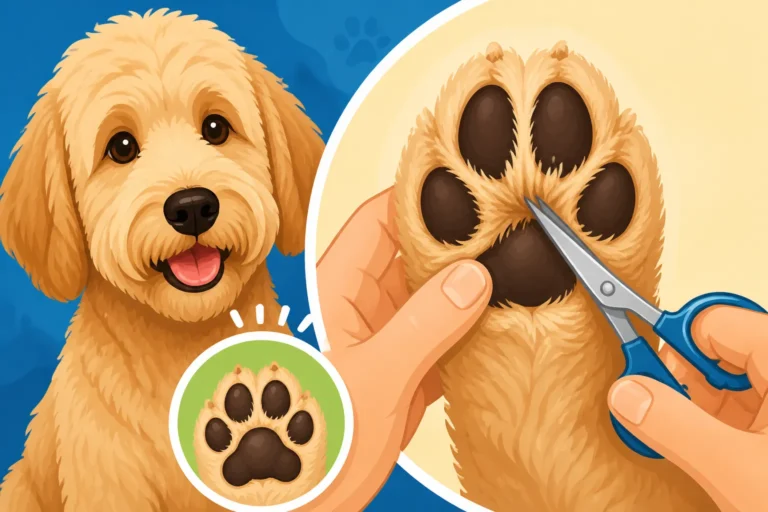
Establishing a regular professional grooming schedule is vital for a wool-coated Labradoodle. Depending on how much home grooming you do and the desired coat length, this could be anywhere from every 4 to 8 weeks. These regular appointments allow the groomer to maintain an even coat length, perform hygiene trims (paws, sanitary areas, face), and catch any developing mats before they become severe. Think of it as preventative maintenance for their coat.
Emergency dematting, on the other hand, is what happens when the preventative maintenance falls by the wayside. If your Labradoodle becomes severely matted, a groomer's primary concern will be the dog's comfort and health. This often means shaving the dog down to remove the painful mats close to the skin. Dematting severely matted dogs is incredibly painful, stressful, and time-consuming for the dog, and very difficult for the groomer. It's also much more expensive than a regular groom because of the extra time and effort involved. Most ethical groomers will prioritize the dog's welfare and recommend shaving rather than trying to painfully brush out tight mats. Knowing What a Full Groom Costs on a Wool Coated Labradoodle might motivate you to stick to your home grooming!
Common Clips for Wool Coats
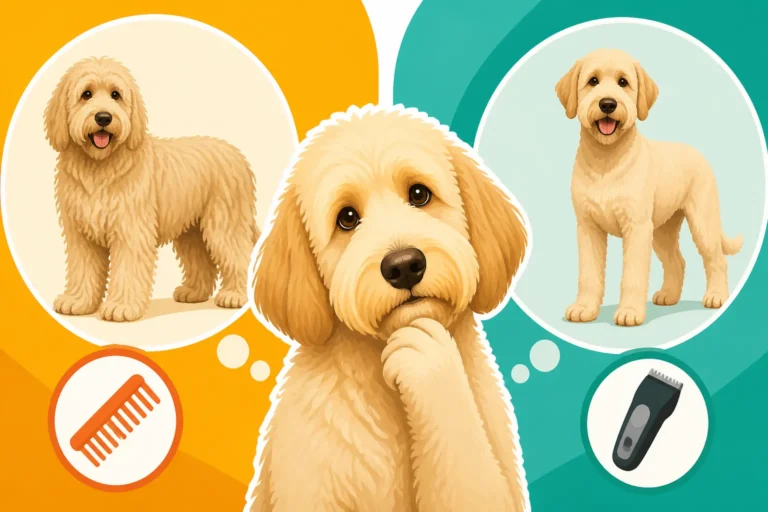
When you take your wool-coated Labradoodle to the groomer, you'll likely discuss different clip styles. For practical purposes, especially with a wool coat, many owners opt for a shorter, more manageable length. The "kennel clip" or a "utility clip" refers to an all-over shorter cut, usually with the same length blade on the body, which is fantastic for active dogs, reducing matting risk, and simplifying home care. This cut is also often necessary if a dog arrives severely matted.
A "teddy bear clip" is a popular choice, aiming for a slightly longer, fluffier look while still keeping the coat tidy. This typically involves leaving a bit more length on the legs, head, and tail, while the body is trimmed shorter. However, achieving and maintaining a teddy bear clip on a wool coat requires more frequent professional grooming and diligent home brushing to prevent matting in the longer areas. Discuss with your groomer what length is realistic for your lifestyle and your dog's comfort. Some groomers even offer specific "doodle clips" that are designed to enhance the unique look of these breeds while keeping maintenance in mind.
Preventing Common Wool Coat Challenges
Beyond the daily brushing and regular professional visits, there are other aspects of care that contribute to a healthy, mat-free wool coat. Prevention is always better than trying to fix a problem once it's already occurred.
Addressing Moisture and Debris
Wool coats are like magnets for moisture and debris. If your Labradoodle loves to swim, play in the rain, or roll in leaves and dirt, you need to be extra vigilant. Water, especially if not thoroughly dried, is a primary culprit for matting. Each time your Labradoodle gets wet, whether from a bath, a swim, or playing in the rain, you must fully dry them, ideally with a force dryer, and then brush them thoroughly to prevent mats. Even dampness can cause curls to tighten and mats to form.
Furthermore, a wool coat will pick up everything from burrs and twigs on a walk to mud, sand, and leaves. Regularly check your dog's coat after outdoor adventures, especially around the legs, paws, and belly, and remove any debris promptly. Small pieces of plant material, left in the coat, can quickly felt into painful mats. Consider using a dog coat or rain slicker during muddy or wet outings to protect the coat. For Labradoodles that swim frequently, rinsing them with clear water and then thoroughly drying them after each swim is crucial to prevent skin irritation and matting. Drying a Labradoodle's Ears After Water is also essential, as the dense hair around the ears can trap moisture and lead to infections.
Health and Nutrition's Role in Coat Quality
A healthy coat starts from within. Your Labradoodle's diet plays a significant role in the quality, luster, and manageability of their coat. A diet rich in essential fatty acids, particularly Omega-3 and Omega-6, contributes to healthy skin and a shiny, supple coat that is less prone to dryness and breakage. Quality dog foods will incorporate these, but you might also consider supplements like fish oil if recommended by your vet. For options on quality dog food, consider brands like Ollie, which focuses on fresh, human-grade ingredients, or explore the wide variety of premium kibbles available through retailers like Chewy or Amazon.
Beyond diet, underlying health issues can manifest in coat problems. Skin allergies can lead to excessive scratching, which causes matting. Hormonal imbalances, like thyroid issues, can result in a dull, dry, or thinning coat that is more difficult to manage. Regular veterinary check-ups are important to catch any health problems early that might impact coat health. A healthy dog, internally and externally, will always have a more vibrant and manageable coat. Don't underestimate the connection between overall wellness and that beautiful wool coat!
Managing the Wool Coat Long-Term: A Commitment
Caring for a wool-coated Labradoodle is undeniably a commitment. It's a choice you make when you bring one of these wonderful dogs into your home. It's a commitment to regular grooming, whether it's through your own efforts at home or through professional services, or more likely, a combination of both.
| Aspect of Wool Coat Care | Frequency | Key Action | Tool/Product Highlight | Why It's Crucial |
|---|---|---|---|---|
| Line Brushing | Daily to 3x/week | Part coat to skin; brush section by section | High-quality Slicker Brush, Metal Comb, Detangling Spray | Prevents mats from forming deep in the coat, ensures comfort |
| Mat Check/Removal | Daily | Gently work out tangles; cut only as last resort | Fingers, Metal Comb, Detangling Spray, Mat Splitter | Stops small tangles from becoming painful, solid mats |
| Bathing & Conditioning | Every 3-6 weeks | Use moisturizing products, rinse thoroughly | Dog Shampoo, Conditioner | Cleanses coat and skin, makes coat more pliable and easier to brush |
| Force Drying | Every bath | Dry 100% to the skin, while brushing | High-velocity Force Dryer | Absolutely essential to prevent instant matting after a bath; straightens coat for easier brushing |
| Professional Grooming | Every 4-8 weeks | Full groom, trim, hygiene areas | Experienced Groomer | Maintains overall coat length, manages tricky areas, addresses any missed mats, provides expert care |
| Debris Removal | After every outing | Check for burrs, leaves, mud; remove promptly | Fingers, Comb | Prevents foreign objects from embedding and creating mats |
| Diet & Supplements | Daily | High-quality food, Omega fatty acids | Quality Dog Food (e.g., Ollie), Fish Oil | Supports healthy skin and a strong, supple coat from the inside out |
This isn't about just keeping your dog "pretty"; it's about keeping them comfortable and healthy. A matted coat can be incredibly painful, restrict movement, pull on the skin, and even hide skin infections. It's a source of misery for a dog. So, while the wool coat is a lot of work, it's a labor of love that ensures your Labradoodle lives a happy, comfortable life. If you're willing to put in the time and effort, the reward is a truly magnificent companion with a coat that turns heads and makes cuddles extra soft.
Disclaimer
This article is for general informational purposes only and does not constitute professional advice. Laws, prices and regulations vary by location and change over time. Consult a qualified professional for guidance on your specific situation.