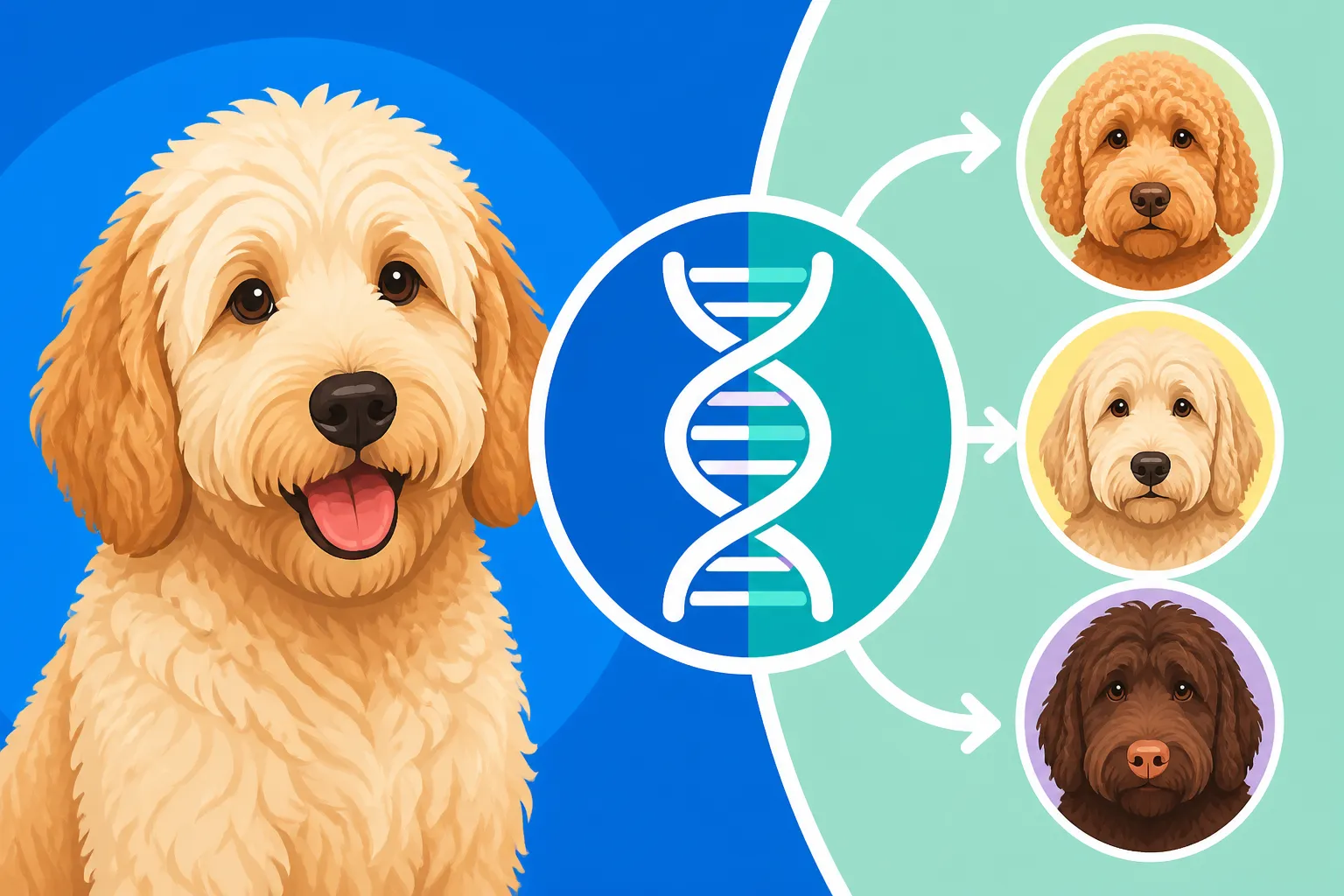
Whether a Labradoodle’s Coat Type Can Be DNA Tested
One of the biggest mysteries for new Labradoodle puppy parents, and sometimes even for experienced breeders, is figuring out what kind of coat their furry friend will actually have. It's a question fraught with worry about grooming needs, potential allergies, and whether you'll end up with the low-shedding dream you were promised. This guide is here to unravel the science behind your Labradoodle's luscious locks, explaining how DNA testing can provide clear answers about coat type, shedding potential, and whether your pup inherited that signature doodle look.
Understanding Labradoodle Coat Genetics
The magic (and sometimes the mayhem) of the Labradoodle coat comes down to a handful of specific genes that control everything from curl to furnishings and even shedding. It's not just about what you see on the surface; it's about the genetic blueprint deep within each cell. For anyone who has ever wrestled with a matted wool coat or wondered why their "hypoallergenic" pup is shedding like a Labrador, understanding these genetic factors is the first step toward managing expectations and grooming routines.
The Furnishings Gene RSPO2
Perhaps the most defining characteristic of the classic "doodle" look is the presence of furnishings – those adorable long eyebrows, beard, and mustache that give Labradoodles their teddy bear appearance. Without furnishings, a Labradoodle often looks much more like a Labrador, with a short, smooth face, even if its body coat is curly. This trait is controlled by a gene called RSPO2, and it's absolutely crucial for that low-shedding, allergy-friendly coat many people seek.
The RSPO2 gene has two primary alleles: F (for furnishings) and f (for no furnishings). A dog needs at least one F allele to have furnishings. If a dog is FF or Ff, it will have furnishings. If it is ff, it will lack them, often referred to as an "improper coat" in breeding circles because it doesn't fit the desired Labradoodle aesthetic or shedding characteristics. This is a common point of confusion for new owners who assume all Labradoodles have the classic doodle face. Knowing your dog's genotype for RSPO2 can tell you definitively whether those fluffy facial features are genetically programmed or if you just have a very well-groomed pup! The Furnishings Gene Behind a Labradoodle's Beard delves deeper into this fascinating genetic component.
The Curl Gene KRT71
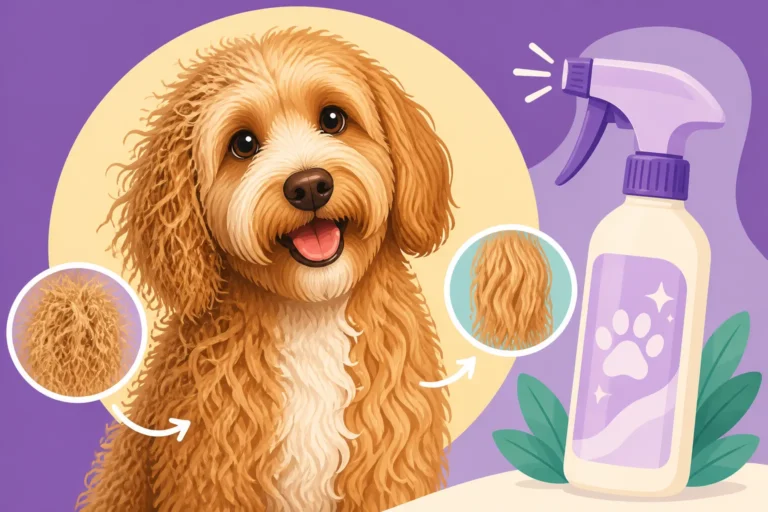
Beyond the furnishings, the degree of curl in a Labradoodle's coat is another major factor contributing to its overall appearance and grooming needs. This is primarily influenced by the KRT71 gene. This gene dictates whether the coat is straight, wavy, or tightly curled. There are typically three main alleles here: C (curly), W (wavy), and S (straight). However, in many testing panels, it's often simplified to a dominant curl allele (KRT71/KRT71, showing as C/C for two copies) and a straight/wavy allele (N/N, showing as S/S for two copies of no curl, or C/N for one copy of curl).
A Labradoodle with two copies of the curl gene (C/C) will likely have a very woolly, tightly curled coat. One copy (C/N) often results in a fleece or wavy coat. Dogs with no curl alleles (N/N) will have a straighter, hair-like coat, which might look more like a Labrador's texture. This gene is responsible for the distinct appearance differences between the wool and fleece coat types that are so characteristic of the breed. Understanding this genetic information can help manage expectations about how much brushing and grooming a particular coat will require. A tightly curled wool coat, for instance, demands significantly more upkeep to prevent matting than a wavy fleece coat.
The Shedding Gene MC5R
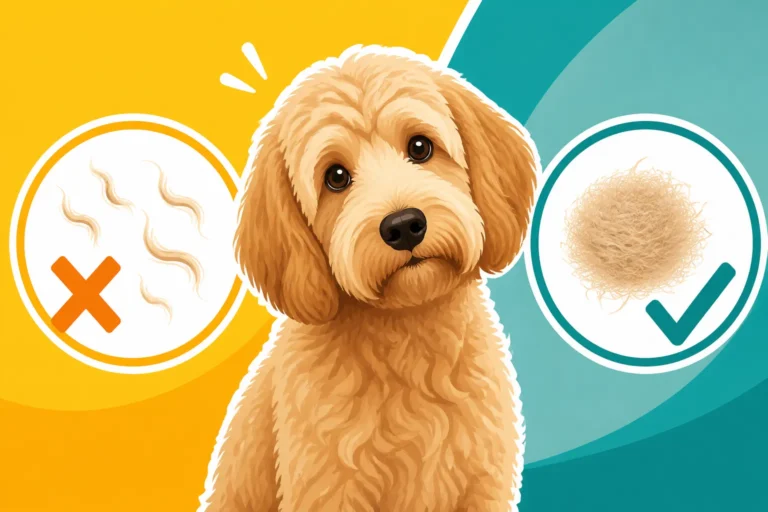
While furnishings (RSPO2) are strongly correlated with low shedding, there's another gene, MC5R, that also plays a role in shedding intensity. This gene influences the amount of hair a dog sheds. It's often simplified into two categories in genetic testing: those that shed normally (like a Labrador) and those that are low-shedding (like a Poodle). While RSPO2 is the primary driver for the "hypoallergenic" quality, MC5R contributes to the overall shedding profile.
A Labradoodle inherits one allele from each parent for this gene. If a dog inherits two copies of the low-shedding allele, it will be a very low shedder. If it inherits one low-shedding and one normal-shedding allele, it might be a low to moderate shedder. And if it inherits two normal-shedding alleles, despite having furnishings, it could still shed more than expected. This is why some Labradoodles, even with the "doodle" look, can still shed noticeably. It’s important to remember that “low-shedding” doesn’t mean “no-shedding.” All dogs shed to some degree, even Poodles. This gene helps explain the variation people see even within the same litter. Whether a Labradoodle Sheds at All explores this concept further.
The Science Behind DNA Coat Testing
So, how do we actually figure out what genetic blueprint your Labradoodle carries? It's all thanks to advancements in canine genetic testing. These tests analyze specific markers in your dog's DNA to identify which versions (alleles) of the coat genes they possess. It's like a genetic roadmap, pointing out the exact instructions your dog received for its fur.
How DNA Collection and Analysis Works
The process for DNA coat testing is surprisingly simple and non-invasive. You typically receive a kit, often ordered online from platforms like Amazon or directly from a specialized canine genetics lab. The kit usually contains sterile cotton swabs, similar to large Q-tips, which you use to gently rub the inside of your dog's cheek. The goal is to collect epithelial cells, which contain your dog's DNA. It’s important to avoid contaminating the sample, so you usually make sure your dog hasn't eaten or drunk anything for about an hour before swabbing.
Once you’ve collected the samples, you place the swabs back into their sterile packaging and mail them off to the lab. At the lab, technicians extract the DNA from the cells, amplify specific regions of interest (like the RSPO2, KRT71, and MC5R genes), and then sequence or analyze these regions to determine the genetic markers present. The entire process, from mailing the sample to receiving results, typically takes a few weeks. These labs have sophisticated equipment that can pinpoint the exact alleles your Labradoodle carries for each trait.
Interpreting Your Labradoodle's Coat Panel Results
When your results come back, they’ll usually be presented in an easy-to-understand format, often showing the genotype for each tested gene. For example, you might see results like:
- RSPO2 (Furnishings): F/F or F/f (furnished), f/f (unfurnished/improper coat)
- KRT71 (Curl): C/C (curly), C/N (wavy/fleece), N/N (straight/hair)
- MC5R (Shedding): S/S (low shedding), S/N (moderate shedding), N/N (normal shedding)
It's crucial to remember that these are genetic predispositions, not absolute guarantees of the exact visual outcome, as other modifier genes can subtly influence expression. However, for the major traits like furnishings and significant curl, the tests are highly accurate. For instance, an f/f result for RSPO2 means your Labradoodle will almost certainly have a smooth face and a more Labrador-like coat texture, regardless of other factors. Similarly, a C/C for KRT71 means a significant degree of curl is highly likely. The interpretation helps breeders make informed decisions and helps owners prepare for grooming requirements.
Practical Applications for Labradoodle Owners
Knowing your Labradoodle's coat genetics isn't just a fascinating peek into their DNA; it has very real, practical benefits for everyday ownership. From managing grooming expectations to understanding potential allergen levels, these insights can make a significant difference in your daily life with your furry companion.
Grooming Expectations and Planning
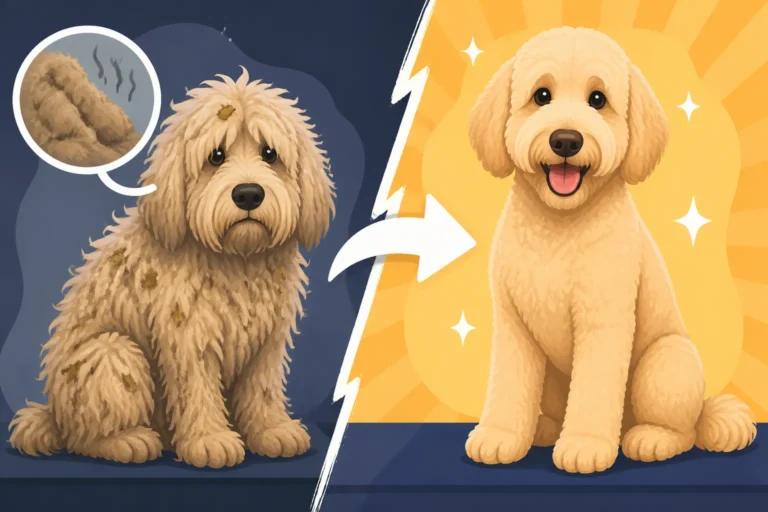
One of the biggest struggles for new Labradoodle owners is often the grooming. Many are drawn to the low-shedding promise but quickly get overwhelmed by the reality of a high-maintenance coat. DNA testing can provide a heads-up. If your Labradoodle tests as C/C for curl and F/F for furnishings, you can expect a very dense, woolly, and curly coat that will require diligent daily or every-other-day brushing to prevent matting. You'll definitely need a good slicker brush and a metal comb, readily available on Chewy, to get right down to the skin. How Long Brushing a Labradoodle Takes Each Week gives a good overview of the time commitment.
On the other hand, if your dog is F/f for furnishings and N/N for curl, you might have a wavy fleece coat that is easier to manage, perhaps only needing brushing a few times a week. If, against expectations, your Labradoodle is f/f for furnishings, meaning an improper coat, your grooming routine will be much closer to that of a Labrador – minimal brushing, but potentially more shedding. This knowledge allows you to invest in the right tools, budget for professional grooming, or even adjust your lifestyle to accommodate the specific needs of your dog's coat, preventing the dreaded "matted mess" that can lead to painful shave-downs.
Allergy Management for Sensitive Households
The original intent behind the Labradoodle was to create a guide dog for people with allergies. While no dog is truly 100% hypoallergenic, the low-shedding, furnished coat of many Labradoodles significantly reduces the amount of dander and hair in the environment, which is often the trigger for allergies. DNA testing can be a critical tool for families with allergy sufferers.
A Labradoodle with F/F or F/f for furnishings and S/S or S/N for shedding is much more likely to be tolerable for allergy sufferers than one with an f/f genotype. If you're considering bringing a Labradoodle into an allergic home, asking a breeder for the parents' or puppy's coat DNA results can provide invaluable peace of mind. While individual reactions can still vary, knowing the genetic likelihood of low shedding and proper furnishings stacks the odds in your favor. It helps manage expectations and can prevent the heartbreak of having to rehome a beloved pet due to severe allergic reactions.
Implications for Labradoodle Breeders
For responsible Labradoodle breeders, DNA coat testing isn't just a nice-to-have; it's an essential tool for informed breeding practices, ensuring predictable outcomes, and preserving the integrity of their lines. It moves breeding beyond guesswork and into the realm of science, allowing for healthier, more predictable puppies.
Selecting Breeding Pairs for Desired Coats
Breeders use coat DNA panels to strategically select breeding pairs that will produce puppies with the desired coat types. For example, if a breeder wants to guarantee furnished, low-shedding puppies, they will ensure both parents carry at least one F allele for RSPO2 and ideally are S/S for MC5R. If one parent carries the recessive f allele (F/f), they might pair them with an F/F dog to minimize the chance of unfurnished puppies.
Similarly, for curl, a breeder aiming for a soft fleece coat might choose a C/N dog and pair it with another C/N dog, knowing they will get a mix of curly, wavy, and possibly straight coats, but reducing the chance of overly woolly or straight coats. This precise genetic matching allows breeders to consistently produce the beautiful, low-maintenance coats that Labradoodle buyers adore, and helps them avoid unexpected "improper coats" that might be harder to place. Whether Two Fleece Parents Give a Fleece Labradoodle offers further insights into this.
Ensuring Predictable Puppy Outcomes
One of the biggest challenges with hybrid breeds like the Labradoodle, especially in early generations, is the variability in coat types within a single litter. An F1 Labradoodle, the first cross between a Labrador and a Poodle, can produce puppies with a wide range of coats, from very Labrador-like to very Poodle-like. This is where DNA testing becomes invaluable.
By understanding the genotypes of the parent dogs for RSPO2, KRT71, and MC5R, breeders can predict the statistical probabilities of different coat types in their litters. For instance, if two F/f (furnished carrier) dogs are bred, there's a 25% chance of producing f/f (unfurnished) puppies. Knowing this allows a breeder to either avoid that pairing if unfurnished pups are undesirable or to counsel potential buyers about the possibility. This level of predictability helps breeders build a reputation for quality and consistency, providing puppies that align with buyer expectations.
Choosing a DNA Testing Service for Your Labradoodle
With the growing popularity of canine genetic testing, several reputable companies offer coat trait panels. Choosing the right one can make a difference in the accuracy, comprehensiveness, and ease of interpreting your results.
Reputable Testing Companies
When selecting a DNA testing service for your Labradoodle, look for companies that specialize in canine genetics and have a strong scientific backing. Some of the well-known and respected providers include Embark, Wisdom Panel, and Animal Genetics. These companies offer comprehensive panels that not only cover coat traits but often include health screenings for hereditary conditions common in Labradoodles, which can be an added bonus.
Each company might have slightly different panels or reporting styles, so it's worth comparing what they offer. For example, some might delve into more nuanced curl genes or color genes alongside the basic coat texture. You can usually purchase these kits directly from their websites, or sometimes find them listed on major online retailers like Amazon. Always read reviews and ensure the company provides clear instructions and accessible customer support for any questions about the process or your results.
What a Coat DNA Panel Costs and Includes
The cost of a Labradoodle coat DNA panel can vary, but generally, you can expect it to be a modest investment for the wealth of information it provides. While I can't give specific current prices, it's typically a few hundred dollars, depending on the comprehensiveness of the panel. Some basic coat panels might be less, while more extensive tests that include dozens of health screenings along with coat traits will be on the higher end.
A standard coat panel for a Labradoodle should include testing for:
- RSPO2 (Furnishings): To determine if your dog has or carries the gene for furnishings.
- KRT71 (Curl): To predict the degree of curl (straight, wavy, curly).
- MC5R (Shedding): To estimate shedding intensity.
Some panels might also include tests for other coat characteristics like hair length (FGF5), or genetic predispositions for certain coat colors. Before purchasing, always check the specific traits included in the panel to ensure it meets your needs. This information is invaluable for both owners wanting to understand their dog's grooming and potential allergens, and especially for breeders making informed decisions about their breeding program. Many owners find the insights gained are well worth the investment, particularly if they ordered the kit through a convenient source like Chewy.
| Genetic Marker | Primary Trait Influenced | Alleles (Common Notation) | Phenotype (Visible Trait) | Relevance for Labradoodle |
|---|---|---|---|---|
| RSPO2 | Furnishings | F/F, F/f, f/f | Beard, eyebrows, mustache | Defines "doodle" look, impacts shedding |
| KRT71 | Curl | C/C, C/N, N/N | Curly, Wavy, Straight | Determines wool/fleece/hair coat texture |
| MC5R | Shedding | S/S, S/N, N/N | Low, Moderate, Normal | Contributes to overall shedding level |
| FGF5 | Hair Length | L/L, L/l, l/l | Short, Short/Long, Long | Longer hair typically needed for fleece/wool |
Beyond the Coat: Other Genetic Insights
While coat type is a major concern for Labradoodle owners and breeders, DNA testing often provides a much broader spectrum of genetic insights. These additional findings can be just as crucial for your dog's long-term health and well-being, helping you prepare for potential issues down the line.
Health Screenings Offered in Conjunction
Many reputable DNA testing panels don't stop at coat traits; they also include extensive health screenings for common genetic conditions that Labradoodles can inherit from their Labrador Retriever and Poodle ancestry. These can include tests for conditions like progressive retinal atrophy (PRA), Exercise Induced Collapse and the Labradoodle's Labrador Half (EIC), Von Willebrand's disease, and various orthopedic issues. Knowing if your Labradoodle is a carrier or is at risk for these diseases can empower you to take proactive steps, such as regular vet check-ups, early intervention, or specific dietary management.
For breeders, this information is paramount. It allows them to avoid breeding two carriers for a recessive disease, thereby preventing the birth of affected puppies. This responsible approach helps to reduce the prevalence of these debilitating conditions in the breed as a whole. It’s an investment not just in your individual dog, but in the health of future generations of Labradoodles. The Yearly Screening a Labradoodle Should Get often includes these tests.
Breed Ancestry and Genetic Diversity
Beyond specific traits and diseases, some DNA tests also offer insights into your Labradoodle's breed ancestry and genetic diversity. While most Labradoodle owners know their dog is a mix of Labrador and Poodle, some tests can break down the percentages, especially if there are other breeds in the distant background (common in multi-generational doodles). This isn't usually a major concern for coat type, but it can be interesting to know.
Genetic diversity reports can also provide a general health score, indicating how genetically varied your dog's DNA is. A higher genetic diversity is generally associated with better health and a lower risk of inherited diseases. This information can be particularly useful for breeders looking to maintain healthy and robust breeding lines. It helps them track the genetic health of their stock and make choices that contribute to the overall vitality of the Labradoodle population. Whether Hybrid Vigor Is Real in a Labradoodle delves into the benefits of genetic diversity.
In conclusion, understanding your Labradoodle's coat type through DNA testing offers invaluable insights for both owners and breeders. It demystifies grooming needs, helps manage allergy concerns, and guides responsible breeding practices, ensuring that these wonderful dogs continue to bring joy to families for years to come.
Disclaimer
This article is for general informational purposes only and does not constitute professional advice. Laws, prices and regulations vary by location and change over time. Consult a qualified professional for guidance on your specific situation.