How Long a Labradoodle’s Coat Change Lasts
One of the most surprising and often frustrating phases for new Labradoodle owners is the infamous "coat change." You bring home that adorable, fluffy puppy, and then, around adolescence, their seemingly easy-care coat can suddenly transform into a matting nightmare that leaves many feeling overwhelmed. This guide is going to walk you through exactly what this coat change is, how long you can truly expect it to last, and crucially, how to navigate this challenging period without losing your mind or your dog's beautiful, healthy coat.
Understanding the Labradoodle Coat Change: Puppy Fluff to Adult Fleece
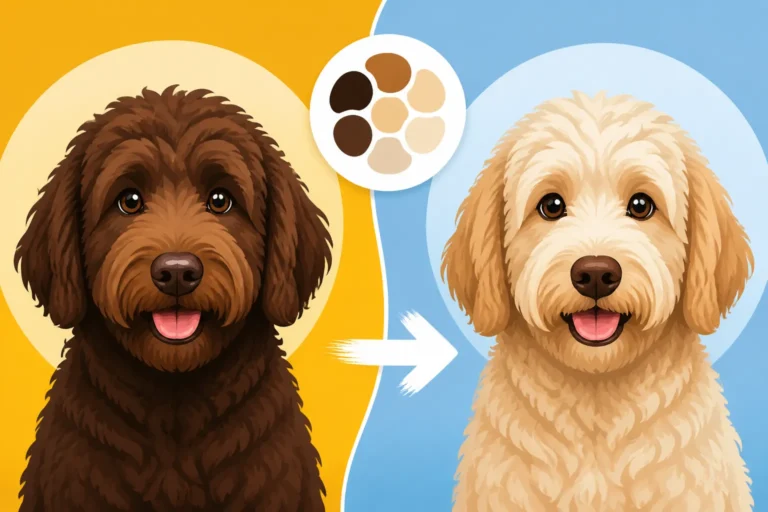
When you first bring home a Labradoodle puppy, they usually have a soft, wispy, and relatively low-maintenance coat. It feels like a cloud, and brushing is often a breeze, if even necessary for very young pups. This puppy coat is charming, but it's really just a placeholder. Just like human babies lose their soft, fine hair as they grow, Labradoodles undergo a significant transformation as they mature, replacing that delicate puppy fur with their denser, more substantial adult coat. This period, known as the "coat change" or "blowing coat," is a natural developmental stage, but it's one that often catches new owners completely off guard because it can usher in a period of intense matting and grooming challenges.
The Dynamics of Puppy Coat vs. Adult Coat
The puppy coat is typically single-layered and fine, offering some insulation but not the full protection or texture of an adult Labradoodle coat. It's often much easier to brush through, less prone to tangles, and generally just floats off the dog. As your Labradoodle enters adolescence, usually between six and fourteen months of age, their adult coat begins to grow in underneath this puppy fluff. The problem arises because the shed puppy hair doesn't fall out easily; instead, it gets trapped within the incoming, denser adult coat. This creates a perfect storm for mats to form, often seemingly overnight, leading to discomfort for your dog and a frantic scramble for you to keep up with the grooming demands. Think of it like trying to comb a fine, shedding blanket through a thick, new rug – it just gets caught.
This transition isn't just about length or volume; it's about the very structure and texture of the hair. The adult coat, whether it's a hair, fleece, or wool type, will have a different density, curl pattern, and resilience compared to the puppy coat. This change in texture is what makes the old coat cling stubbornly to the new, setting the stage for the infamous matting battles.
The Role of Genetics in Coat Development
The type of adult coat your Labradoodle ultimately develops, and consequently, how challenging their coat change will be, is largely determined by genetics. Labradoodles can inherit a wide range of coat types from their Labrador Retriever and Poodle parents, falling generally into categories of hair, fleece, or wool.
- Hair Coat: This type is closer to a Labrador's coat, often straighter and more prone to shedding. While it might shed more, the individual hairs might not tangle as tightly, making the coat change potentially less prone to severe matting, though shedding can be quite heavy.
- Fleece Coat: This is the most sought-after coat type, usually soft and wavy or spiraling, feeling like angora or cashmere. It’s low-shedding but highly prone to matting during the coat change due to its soft texture and propensity for tangling. Many breeders aim for The Fleece Coat and Why Breeders Aim For It.
- Wool Coat: Similar to a Poodle's coat, this is dense and curly, feeling like lamb's wool. It's also low-shedding but, like the fleece coat, becomes a matting magnet during the coat change because the shed puppy hair has nowhere to go but to get caught in the dense, curly adult growth.
Understanding your dog's likely adult coat type can help you anticipate the intensity of the coat change. A puppy with a very fine, fluffy coat is likely to develop a fleece or wool coat, indicating a more significant matting challenge during this transition. You might be interested in The Three Labradoodle Coats: Hair, Fleece and Wool to learn more about these distinctions.
The Timeline of Transformation: How Long Does It Really Last?
The question on every Labradoodle owner's mind during this phase is: "When will it end?!" The truth is, there's no single, definitive answer that applies to every Labradoodle, which can be incredibly frustrating. The coat change is a process, not an event, and its duration can vary significantly from one dog to another. However, we can certainly give you a general window and highlight the factors that influence it.
When It Usually Begins and Peaks
Most Labradoodles will start their coat change around 6 to 9 months of age. This is often when you might notice the first signs of increased matting, particularly in high-friction areas like behind the ears, under the armpits, and around the tail. For some, it might begin a little earlier, around 5 months, and for others, it could hold off until closer to 10 or 12 months.
The peak intensity of the coat change typically lasts for about 2 to 4 months within this broader developmental period. During this peak, you'll feel like you're brushing constantly, only for new mats to reappear moments later. It's a period of relentless grooming where consistency is absolutely key. After this intense phase, the matting often subsides as the adult coat establishes itself and the last of the puppy coat sheds out. However, some dogs might experience lingering, milder effects up until they are 18 months to two years old, especially if they have a very dense or curly wool coat. This long tail of mild matting is part of why it feels like The Coat Change That Hits a Labradoodle at Nine Months never truly ends!
Factors Influencing Duration and Intensity
Several factors play a role in how long and how intense your Labradoodle's coat change will be:
- Genetics and Coat Type: As mentioned, wool and fleece coats tend to have a more challenging and potentially longer coat change due to their density and tendency to trap shed hairs. Dogs with a hair coat, or those with less dense fleece, might have an easier, shorter transition.
- Individual Dog Variability: Just like people, every dog is an individual. Some Labradoodles will sail through their coat change with minimal fuss, while others will present a significant grooming challenge. There's a wide spectrum, even within the same litter.
- Grooming Consistency: This is perhaps the biggest factor you have control over. Consistent, thorough grooming from an early age, before the coat change even begins, can significantly reduce the severity and duration of the matting phase. A dog accustomed to being handled and brushed will be much easier to manage when the coat change hits. Skipping brushing sessions during this time will almost guarantee a longer, more difficult period as mats rapidly accumulate.
- Health and Nutrition: A healthy diet and good overall health can contribute to a healthier coat, which might shed out more efficiently. While not a magic bullet, a dog struggling with nutritional deficiencies or skin issues might have a more difficult coat transition.
Recognizing the Signs That the Change is Underway
It's helpful to know what to look for so you're not completely surprised. Here are some common signs that your Labradoodle's coat change is starting:
- Increased Matting: This is the most obvious sign. You'll start finding small, tight knots, especially in friction areas like behind the ears, under the collar, in the armpits, and around the groin and tail. These mats often appear quickly, even after a recent brushing.
- Changes in Coat Texture: The puppy coat might start to feel less soft and silky, becoming coarser or more dense in certain areas as the adult hair pushes through. You might notice distinct differences in texture between patches of coat.
- Visible Undercoat: If you part the hair, you might start to see a denser, slightly different colored or textured undercoat growing in beneath the softer puppy topcoat.
- Shedding Tufts: While Labradoodles are generally low-shedding, during the coat change, you might notice small clumps of fine, fuzzy hair coming out when you brush, or even just stuck to furniture. This is the puppy coat shedding.
The table below provides a general overview of the coat change based on common observations, but remember, individual variation is the norm!
| Coat Type (General) | Typical Start Age | Peak Intensity | General Duration | Grooming Challenge |
|---|---|---|---|---|
| Hair Coat | 6-9 months | 1-3 months | 3-6 months | Moderate |
| Fleece Coat | 6-12 months | 2-4 months | 6-12 months | High |
| Wool Coat | 8-14 months | 3-6 months | 9-18 months | Very High |
Battling the Mats: Essential Grooming Strategies During Coat Change
Once the coat change hits, it often feels like you're fighting a losing battle against mats. But with the right tools, techniques, and a healthy dose of patience, you can get through it. The goal isn't just to keep your Labradoodle looking good, but also to prevent painful skin irritation and potential infections that can occur under tight, neglected mats.
Essential Grooming Tools and Techniques
This is not the time to skimp on quality grooming tools or shy away from a consistent routine. Your arsenal should include:
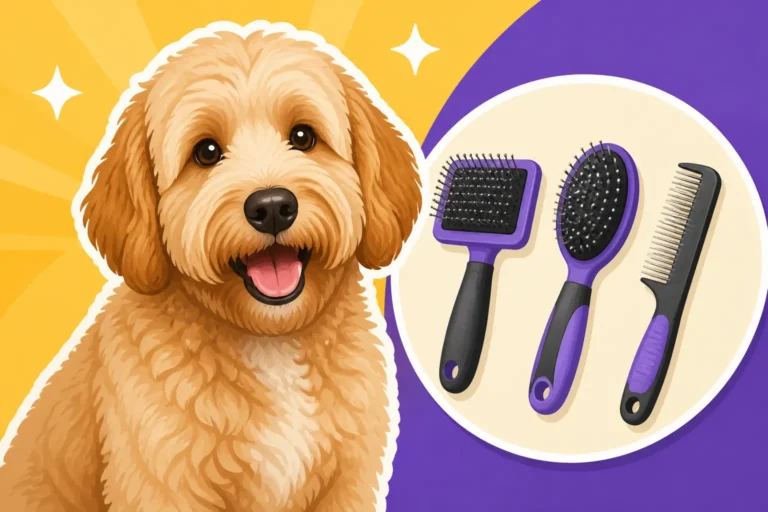
- Slicker Brush: A good quality, firm slicker brush is indispensable. It's designed to get through the topcoat and gently pull out loose undercoat and puppy hair before it forms mats. You can find excellent options on retailers like Chewy or Amazon.
- Metal Comb: A sturdy metal comb with both wide and fine teeth is crucial for "line brushing." This technique involves parting the coat and brushing in sections, working from the skin outwards. Brushing a Labradoodle to the Skin, Not the Surface is a skill you'll want to master.
- De-matting Comb/Tool: For those unavoidable small mats, a de-matting comb or rake can help gently break them apart without resorting to scissors. Use these with extreme caution to avoid skin irritation.
- Grooming Spray/Conditioner: A leave-in conditioner or detangling spray can make brushing much easier, reducing friction and helping the brush glide through the coat. Look for formulas designed for curly or long-haired dogs.
Your daily routine during the coat change should ideally involve daily line brushing. This isn't just a quick surface brush; it means getting down to the skin, parting the hair, and working in small sections. Start from the paws and work your way up, ensuring you can run your metal comb smoothly through the entire length of the hair from root to tip. Pay extra attention to those high-friction areas: behind the ears, under the chin, armpits, groin, and around the collar or harness. This diligence is why How Long Brushing a Labradoodle Takes Each Week can increase significantly during this period.
Dealing with Mats and Tangles
Despite your best efforts, mats will likely still form. When you encounter them, resist the urge to just yank the brush through. That only causes pain and makes your dog associate grooming with discomfort, leading to resistance.
- Patience is a Virtue: Take a deep breath. Work on mats one at a time.
- Use Detangling Spray: Liberally spray the mat with a detangling solution or a mix of conditioner and water. Let it sit for a minute.
- Finger Teasing: Gently try to pull the mat apart with your fingers, working from the outer edges inward.
- De-matting Tool: If finger teasing isn't enough, carefully use a de-matting comb or tool, always with the blunt side towards the skin to avoid cutting. Work slowly and patiently.
- Never Cut with Scissors: This is a golden rule. It's incredibly easy to cut your dog's skin under a tight mat. If a mat is too close to the skin, too tight, or too large to work out safely, it's time to call in a professional.
Remember, the goal is to prevent mats from getting so bad that your dog needs to be shaved down. While a professional groomer can often work miracles, severe matting usually requires a very short clip, which can be disheartening if you love your Labradoodle's floofy look.
Professional Grooming vs. Home Grooming During This Time
For many Labradoodle owners, the coat change is the point where professional grooming becomes a non-negotiable part of their dog's routine.
- Professional Grooming: A professional groomer has specialized tools, techniques, and experience dealing with challenging coats. They can often demat more efficiently and safely than an owner, and they can help set your Labradoodle up for success with a good cut that makes home maintenance easier. During the coat change, you might find you need to visit the groomer every 4-6 weeks, rather than the typical 6-8 week schedule. Don't be afraid to openly discuss the matting struggles with your groomer; they've seen it all and can offer invaluable advice and services. They can even advise you on What a Groomer Charges to Strip a Matted Labradoodle.
- Home Grooming: Even with professional help, consistent home grooming is still essential. The daily brushing prevents mats from forming between professional appointments. Think of the groomer as the heavy lifter, and you as the daily maintenance crew. Without your efforts, even the best groomer will face an uphill battle. If you're considering tackling more grooming at home, know that The Clipper, Blade and Dryer a Labradoodle Owner Buys can be a significant upfront investment, but it can save money in the long run if you learn the skills.
Life After the Change: Ongoing Coat Care for Your Labradoodle's Adult Coat
The good news is that the intense, matting-prone phase of the coat change does eventually end. Once your Labradoodle has fully shed their puppy coat and grown in their adult coat, grooming often becomes more predictable. However, "easier" doesn't mean "no grooming." Labradoodles, especially those with fleece or wool coats, will always require consistent care to prevent matting and maintain their coat health.
Maintaining the Adult Coat
Once the coat change is complete, you should notice a significant reduction in how quickly mats form. The adult coat, while still capable of matting, will generally be less tenacious about clinging to shed hair. Your ongoing routine will depend heavily on your Labradoodle's specific adult coat type and length.
- Regular Brushing: For most Labradoodles with fleece or wool coats, 2-3 times a week brushing to the skin is usually sufficient to prevent mats. If your dog is very active, swims regularly, or wears a harness frequently, you might need to increase this. Consider exploring How Many Times a Week a Labradoodle Needs Brushing for more detailed guidance.
- Professional Grooming: Maintaining a regular schedule with a professional groomer, typically every 6-8 weeks, will be crucial. They can trim the coat to a manageable length, clean ears, trim nails, and address any areas you might miss at home. Discuss with your groomer the ideal length for your dog's lifestyle and your grooming commitment. A typical clip, like The Teddy Bear Clip on a Labradoodle, keeps the coat at a manageable length while retaining the characteristic "doodle" look.
- Bathing: Regular bathing, every few weeks or as needed, helps keep the coat clean and healthy. Always brush before bathing to remove any tangles, as water can tighten mats, making them nearly impossible to remove. Be sure to thoroughly dry your Labradoodle afterward, ideally using a high-velocity dryer to get the coat completely dry down to the skin. Air drying, especially for dense coats, can lead to matting and skin issues.
Seasonal Shedding and Continued Vigilance
Even after the coat change, Labradoodles are not entirely immune to shedding or matting. While they are considered low-shedding breeds compared to, say, a Labrador Retriever, they still shed individual hairs. These hairs can get trapped in the wavy or curly adult coat, and if not brushed out, they will lead to mats.
- Seasonal "Blows": Some Labradoodles, particularly those with more of a "hair" or looser "fleece" coat, might experience seasonal shedding periods, often in spring and fall, where they "blow" a small amount of undercoat. While not as dramatic as the puppy coat change, it's a time to be extra diligent with brushing.
- Monitor High-Friction Areas: Always pay close attention to areas where friction occurs (under collars, harnesses, armpits, groin) as these are perpetual hot spots for matting, regardless of age or coat type. If you notice a sudden increase in matting outside of the typical coat change window, it could also be a sign of underlying skin issues or allergies, which would warrant a vet visit.
The initial coat change might feel like an endless uphill battle, but it's a temporary phase. By understanding what's happening, arming yourself with the right tools, and committing to a consistent grooming routine, you'll help your Labradoodle transition smoothly into their beautiful, mature coat. Remember, this period is a test of patience, but the bond you build through consistent, gentle grooming will strengthen your relationship with your furry companion for years to come.
Disclaimer
This article is for general informational purposes only and does not constitute professional advice. Laws, prices and regulations vary by location and change over time. Consult a qualified professional for guidance on your specific situation.