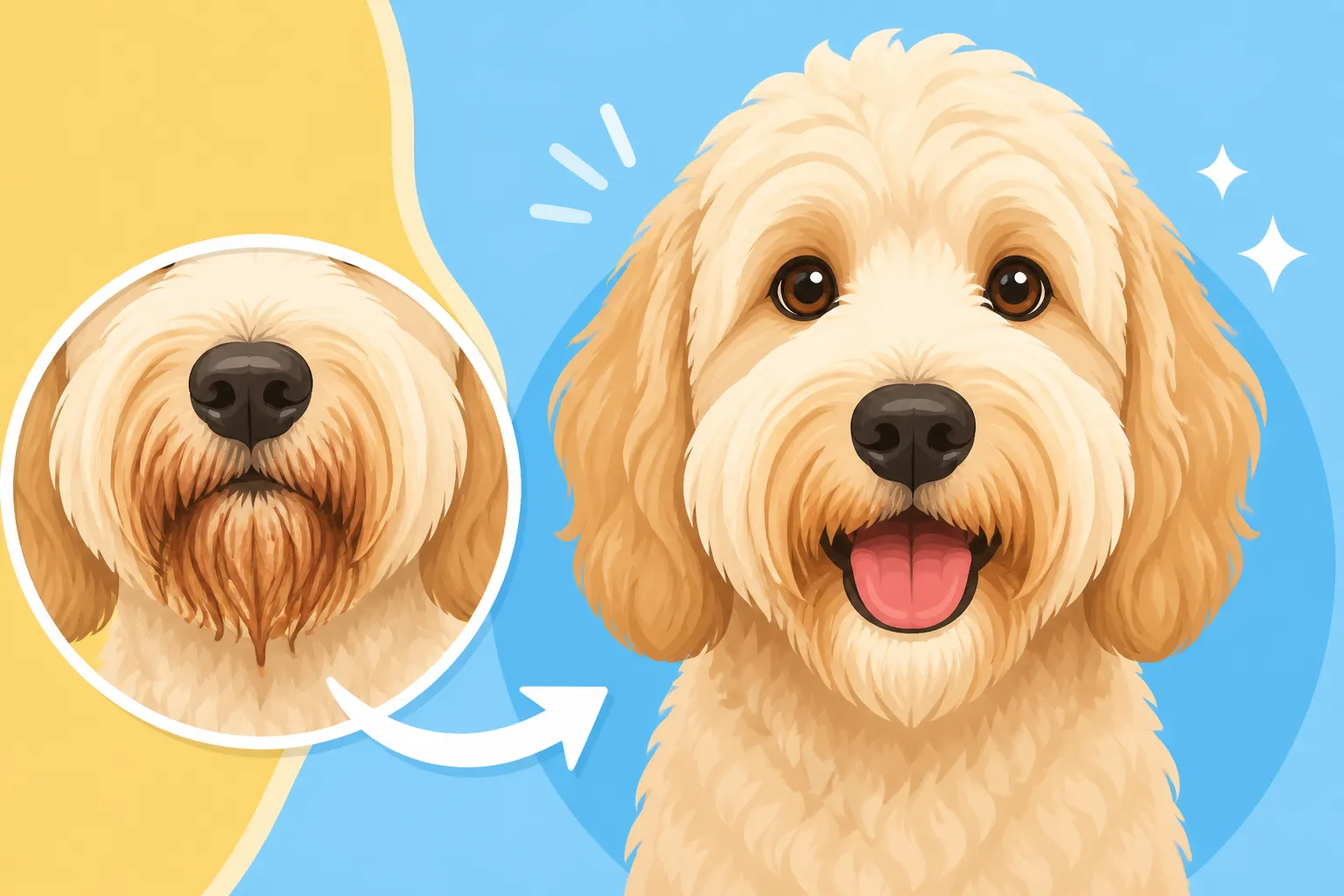
Whether a Labradoodle’s Beard Stains
It’s a common moment for Labradoodle owners: you’re admiring your furry friend's charming, expressive face, and then you notice it – that reddish, brownish, or even greenish tinge on their lovely beard. It can be frustrating, especially if you pride yourself on keeping your Doodle looking pristine, to see their beautiful coat discolored. This guide is here to shed some light on why your Labradoodle's beard might be staining, what those stains can tell you, and most importantly, how to tackle them with practical, empathetic care.
Why Labradoodle Beards Are Prone to Staining
That adorable, fluffy face on your Labradoodle is a big part of their charm, isn't it? But those same lovely furnishings that give them their distinctive look are also what make their beards so susceptible to staining. It’s not just a superficial issue; it’s rooted in their genetics and daily habits. Understanding the "why" is the first step toward effective management.
The Furnishings Gene and Its Role
The secret to your Labradoodle's fluffy beard, mustache, and eyebrows lies in something called the "furnishings gene," which they inherit from their Poodle side. Unlike a smooth-faced Labrador, a Labradoodle has these longer, coarser hairs around their muzzle. These furnishings are designed to trap things – which is great for keeping dirt out of their eyes, but not so great when it comes to keeping their beard clean and bright. Think of it like a very effective, albeit sometimes messy, natural sponge.
This particular coat texture in the beard area, often more dense and curly than the rest of their face, acts almost like a magnet for moisture and particles. Every sip of water, every mouthful of kibble, every lick of their chops leaves a little something behind. Over time, these trapped substances oxidize, react with natural bodily fluids, and create those unsightly discolorations. It’s less about a dirty dog and more about a design feature that requires a bit of extra maintenance to shine. If you're curious about the genetics of their unique look, you can learn more about The Furnishings Gene Behind a Labradoodle's Beard.
Common Causes of Beard Stains
Beyond the genetic predisposition, the everyday realities of being a dog are the main culprits behind beard stains. Your Labradoodle’s daily routine, from eating to drinking to exploring, all contribute to what ends up on their face. It’s a multi-faceted problem that often requires a multi-faceted solution.
First and foremost, water is a huge factor. While essential for life, the minerals present in your tap water can leave deposits on their fur as it dries, leading to a dull, sometimes rusty, discoloration. Imagine constantly wetting a white towel with hard water – over time, it won't stay pristine. If your Labradoodle is a particularly enthusiastic drinker, plunging their whole muzzle into the bowl, this issue is only magnified. Consider how often their beard gets soaked throughout the day.
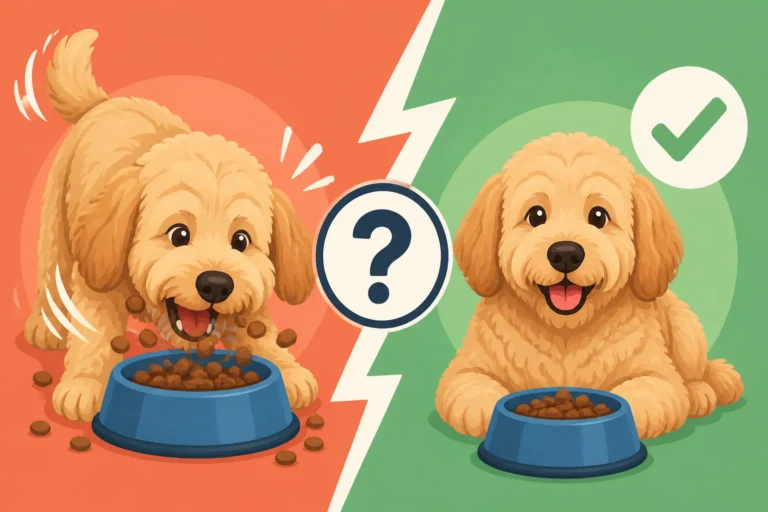
Then there’s food. This is perhaps the most obvious culprit. Many commercial dog foods, especially kibble, contain dyes, artificial colors, or natural pigments from ingredients like beet pulp or certain meats. When these come into contact with your dog’s wet beard and are left to dry, they can readily stain the fur. Just like a spilled glass of red wine on a white carpet, these pigments can be hard to remove once they set. Even wet food, with its higher moisture content and often stronger colors, can cling to the beard and leave behind residue.
Lastly, we have natural bodily fluids and environmental factors. Saliva, which is always present around a dog's mouth, contains porphyrins (which we'll discuss more soon) that can stain. If your dog licks their chops frequently, chews on toys, or has a bit of an underbite that leaves their beard damper, this can exacerbate staining. And of course, being a dog, they love to explore! Sniffing around in dirt, mud, grass, or even dusty environments can transfer pigments and particles directly to their beard, contributing to that overall "not-so-white" look.
Identifying the Type of Stain and What It Means
Not all beard stains are created equal. The color and characteristics of the discoloration can actually offer clues about what's causing them and whether they're merely cosmetic or indicative of a deeper issue. Understanding the difference is crucial for choosing the right approach to cleaning and prevention.
Reddish-Brown Stains (Porphyrins)
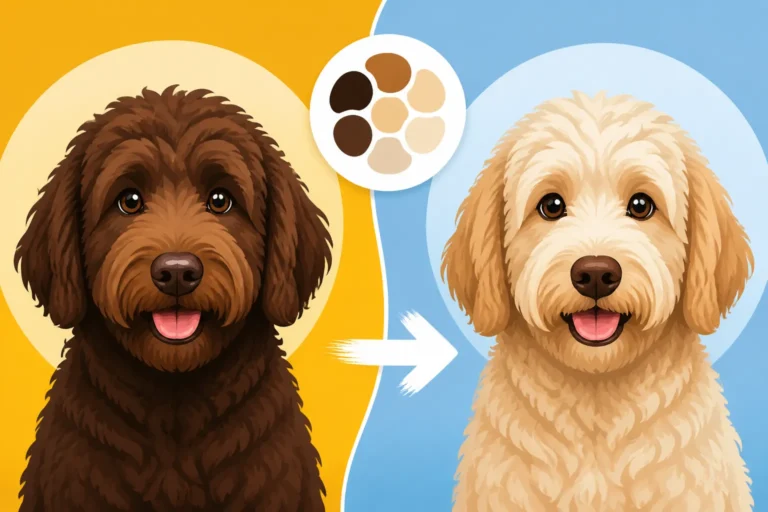
If you're noticing reddish-brown stains, especially around the edges of your Labradoodle's mouth and eyes, you're likely dealing with porphyrin stains. Porphyrins are iron-containing waste products that are naturally excreted in your dog's tears, saliva, and urine. They're a normal part of your dog's metabolism, and when these fluids sit on light-colored fur and are exposed to air and sunlight, they oxidize, turning that distinctive reddish-brown color. It's a bit like an apple turning brown after you cut it and leave it out.
For the most part, porphyrin stains are purely cosmetic and don't indicate a health problem. Every dog produces porphyrins, but they're much more noticeable on light-colored coats, especially on a cream or white Labradoodle. However, excessive drooling or persistent wetness around the mouth can lead to more pronounced porphyrin staining. If you notice a sudden increase in staining accompanied by excessive drooling, it might be worth a quick check with your vet to rule out any dental issues or mouth irritations. Similarly, tear stains around the eyes often have the same porphyrin origin, a topic that connects to issues like The Hair That Grows Where a Labradoodle's Ear Should Drain.
Greenish-Black Stains (Yeast/Bacteria)
Now, if the stains on your Labradoodle's beard are leaning more towards a greenish, blackish, or even dark brown hue, and especially if there's a noticeable musty or yeasty odor, you might be looking at a secondary infection or overgrowth of yeast or bacteria. This is where a cosmetic issue can start to become a health concern.
Constant moisture creates a warm, damp environment that is absolutely perfect for the proliferation of microscopic organisms like yeast (commonly Malassezia) and certain types of bacteria. These organisms thrive in such conditions, and their presence can cause the fur to become discolored. Yeast infections, in particular, often present with a distinct, somewhat sweet and musty smell, and can lead to irritation, itchiness, and even skin redness underneath the matted fur. You might find your Labradoodle scratching or rubbing their face more often.
If you suspect yeast or bacterial involvement, it’s really important not to just try to clean it away. While good hygiene is always helpful, a persistent infection requires more than just soap and water. These kinds of stains and smells often indicate a need for a trip to the veterinarian to get a proper diagnosis and treatment. This is similar to how Yeast Trapped Under a Labradoodle's Coat can cause problems elsewhere on the body, so it’s something to take seriously.
Practical Strategies for Preventing and Removing Beard Stains
Dealing with beard stains might seem like a never-ending battle, but with a consistent routine and the right tools, you can significantly reduce their appearance and keep your Labradoodle's face looking much cleaner. It's all about proactive care and targeted solutions.
Daily Maintenance and Grooming Routine
The simplest and most effective way to combat beard stains is through diligent daily maintenance. Think of it like brushing your own teeth – a little effort every day goes a long way. After every meal, and especially after they drink water, take a moment to gently wipe your Labradoodle's beard. A soft, absorbent cloth, a piece of paper towel, or even a baby wipe (unscented and alcohol-free, of course) can do wonders for removing food particles and excess moisture before they have a chance to stain.
For serious drinkers, you might consider a "snood" – a fabric tube that you can slide over their ears and beard during meal times or when they drink. This keeps the beard completely out of the way, preventing it from getting soaked. You can find these handy items on platforms like Chewy or Amazon. Regular brushing and combing of the beard area are also crucial. Not only does this prevent mats from forming (which can trap more moisture and food), but it also helps to distribute natural oils and remove loose debris. Remember the importance of Brushing a Labradoodle to the Skin, Not the Surface even on their face, to ensure you're getting all the trapped particles out.
Dietary Adjustments and Water Filtration
What your Labradoodle eats and drinks plays a massive role in beard staining. Making a few strategic changes here can have a big impact. First, consider their food. If your dog is on a dark-colored kibble, especially one with artificial dyes, those pigments are directly contributing to the staining. Switching to a lighter-colored kibble, or even a raw or fresh food diet, can eliminate this source of external staining. Many owners report a significant reduction in beard stains after moving to fresh food options, partly because these typically contain no artificial colors and are often less "messy" when eaten. Services like Ollie, for instance, offer fresh, human-grade food that can be a game-changer for some Doodles.
Next, let's talk about water. As mentioned, minerals in tap water can contribute to staining. Providing your Labradoodle with filtered water, like what you might drink yourself, can make a difference. Some owners even use distilled water. Another simple trick is to switch from a traditional water bowl to a "water bottle" style dispenser (like for rabbits, but larger) or a gravity-fed water fountain, as these often keep the beard from getting as deeply submerged. If you're looking at different bowl options, you might find some useful insights when considering Whether a Labradoodle Eats Too Fast, as bowl design can impact both speed and mess.
Specialized Cleaning Products and Techniques
Once stains have set in, daily wiping might not be enough. That's when you might turn to specialized cleaning products, but always proceed with caution and choose dog-specific formulations. There are many "tear stain removers" on the market, some of which are safe for use on beards. Look for products that are gentle, non-irritating, and free from harsh chemicals or antibiotics (unless prescribed by a vet). Many contain mild astringents or brightening agents. Always do a patch test first to ensure your Labradoodle doesn't have a reaction.
For a deeper clean, a gentle, dog-safe facial cleanser or shampoo can be used. When bathing your Labradoodle, make sure to thoroughly lather and rinse the beard area. Drying is key – use a towel and even a low-heat hairdryer to ensure the beard is completely dry after washing, as leaving it damp can encourage yeast and bacterial growth. For general guidance on bathing, refer to Shampoos That Suit a Labradoodle's Coat. Some people swear by making a paste of cornstarch and a little water, applying it to the dry stained area, letting it sit, and then brushing it out. While this can temporarily brighten the fur, it’s not a permanent solution and should be done sparingly. Absolutely never use human whitening toothpastes, peroxides, or harsh household cleaners, as these are toxic and dangerous for dogs.
When to Consult Your Vet
While most beard staining is a cosmetic nuisance, there are times when it signals something more serious, and a visit to your veterinarian is absolutely warranted. If you notice the staining is accompanied by any signs of irritation, discomfort, or a foul odor, it’s time to seek professional advice.
Specific warning signs include: redness or inflammation of the skin underneath the beard, persistent itching or rubbing of the face, hair loss in the stained area, a strong yeasty or rotten smell, or pus-like discharge. These symptoms could point to underlying issues such as skin infections (bacterial or fungal), allergies, dental disease, or even foreign bodies lodged in the mouth or gums. Your vet can accurately diagnose the problem and prescribe appropriate treatment, which might include medicated wipes, oral antibiotics, or anti-fungal medications. Allergies, for instance, can manifest as excessive licking and irritation around the mouth, contributing to staining; for more on this, check out Allergies Behind a Labradoodle's Itching. Don't hesitate to reach out to your vet if you're concerned – it's always better to be safe than sorry!
Managing a Stained Beard: Long-Term Outlook
Living with a Labradoodle means embracing their unique traits, and sometimes that includes a bit of beard staining. While it can be a challenge to keep their fluffy faces spotless, understanding the long-term outlook and adopting a consistent management strategy can make a world of difference.
Acceptance vs. Elimination
It’s important to set realistic expectations when it comes to your Labradoodle’s beard. For many Doodles, particularly those with very light-colored coats, a certain degree of staining is almost inevitable. Their genetics, combined with their natural doggy behaviors of eating, drinking, and sniffing, mean that completely eliminating all traces of discoloration might be an uphill, and ultimately frustrating, battle. Sometimes, a "perfectly white" beard is more of an ideal than a practical reality.
The key is to shift your focus from complete elimination to effective management and, to some extent, acceptance. Prioritize hygiene and your dog's comfort over aesthetic perfection. As long as the staining isn't accompanied by irritation, odor, or infection, it's primarily a cosmetic issue. Many owners learn to embrace their Doodle's slightly "worn" beard as part of their charm, focusing instead on ensuring the area is clean, dry, and healthy. It's about finding that balance where you're doing what's best for your dog without stressing yourself out over every tiny discoloration.
Grooming as Prevention and Treatment
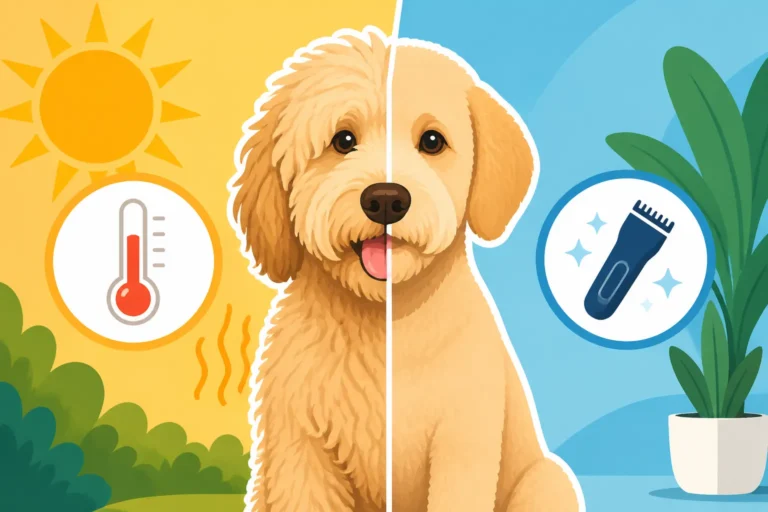
Regular grooming, both at home and professionally, is your best friend in the fight against beard stains. Home grooming involves those daily wipes, gentle combing, and keeping the area dry. But professional grooming plays a crucial role too. Your groomer can trim the beard hair shorter, which can significantly reduce the amount of fur available to trap food and water, making it much easier for you to maintain cleanliness between visits. A shorter beard might not have the same full, flowing look, but it can make daily life (and cleaning) much simpler.
Don't be afraid to discuss specific "beard trims" with your groomer. They can often suggest styles that keep the face looking neat while minimizing stain potential. Removing heavily stained or matted hair is also part of the process, effectively giving you a "fresh start." Remember, regular trims around the eyes and muzzle are not just for aesthetics; they help keep hair out of the eyes and maintain overall hygiene. For more on general face trimming, you might find Keeping a Labradoodle's Face Trimmed Out of Its Eyes useful. Over time, consistent grooming prevents minor stains from becoming deep-seated discolorations or even health problems.
| Stain Type | Primary Cause | Appearance | Associated Concerns | Recommended Action |
|---|---|---|---|---|
| Reddish-Brown | Porphyrins in saliva/tears, Minerals in water | Rusty, pink, reddish-brown | Mostly cosmetic | Daily wiping, filtered water, light-colored food, snood |
| Greenish-Black/Dark Brown | Yeast/Bacteria overgrowth, Food pigments | Greenish, black, musty | Odor, itching, irritation, infection | Vet visit (if symptomatic), medicated wipes/shampoo, thorough drying, dietary adjustments |
| Food-Based | Dyes/pigments in food | Varies (matches food) | Cosmetic | Daily wiping after meals, switch to natural/light-colored food |
| Dirt/Environmental | Mud, dust, outdoor debris | Grey, brown, dingy | Cosmetic | Daily wiping, regular brushing, limit access to muddy areas |
Disclaimer
This article is for general informational purposes only and does not constitute professional advice. Laws, prices and regulations vary by location and change over time. Consult a qualified professional for guidance on your specific situation.