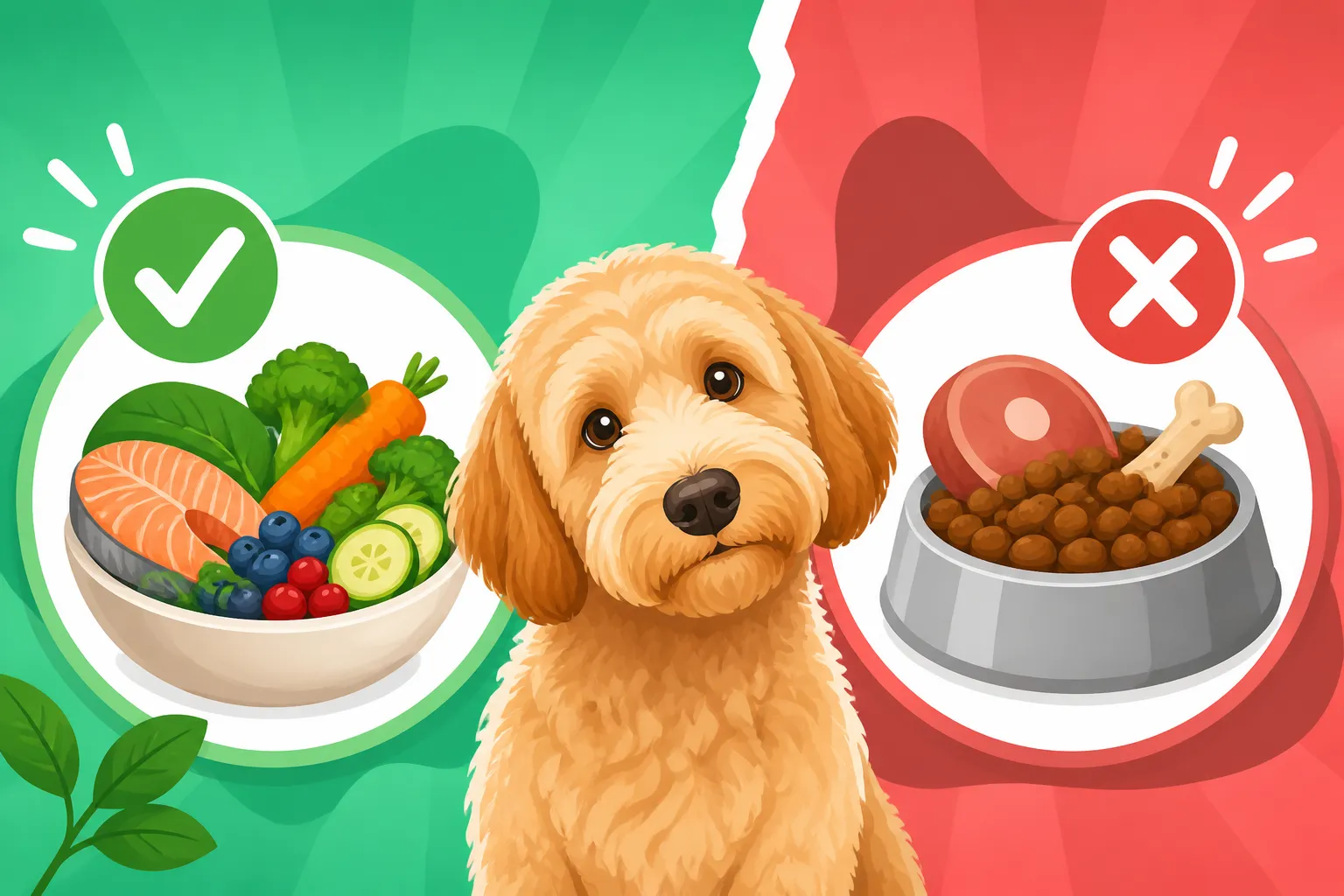
Whether Fresh Food Suits a Labradoodle
The world of dog nutrition can feel like a minefield, especially when you're trying to do the absolute best for your beloved Labradoodle. With all the buzz around "fresh food" diets, it's easy to wonder if you're missing out on something vital for your furry friend, or if it's just another expensive trend. This guide is here to cut through the noise, helping you understand what fresh food really entails and whether it's a beneficial, practical, and safe option for your unique Labradoodle.
Understanding What "Fresh Food" Actually Means for Dogs
When people talk about "fresh food" for dogs, it's not always a clear-cut definition. It's not just about what you pull out of your fridge versus a bag of kibble; it encompasses a whole spectrum of feeding approaches, each with its own nuances, benefits, and challenges. For Labradoodle owners, understanding these distinctions is the first step toward making an informed decision about their dog's diet.
The Spectrum of Fresh Diets: Homemade, Lightly Cooked, and Raw
At its core, "fresh food" implies ingredients that are less processed, often whole, and typically don't rely on high-heat extrusion like traditional kibble. But the similarities often end there, leading to three main categories you'll encounter when exploring this dietary path for your Labradoodle.
First, there's the homemade diet. This is where you, the owner, take full control, preparing meals for your Labradoodle using human-grade ingredients that you cook or lightly prepare yourself. The appeal here is immense: you know exactly what goes into your dog's bowl, you can cater to specific preferences or sensitivities, and it feels incredibly nurturing. However, this route comes with a significant responsibility: ensuring complete nutritional balance. It’s not as simple as just cooking some chicken and rice; dogs have complex dietary needs, and deficiencies or excesses can lead to serious health problems over time. Without proper guidance from a veterinary nutritionist, it’s incredibly difficult to get it right.
Next, we have lightly cooked commercial fresh food diets. These are typically subscription-based services that deliver pre-portioned, freshly prepared meals directly to your door. The ingredients are often human-grade and gently cooked to kill pathogens while retaining more nutrients than highly processed kibble. This option offers a fantastic blend of convenience and quality. You get the benefit of expertly formulated, balanced meals without the daily cooking, measuring, and nutritional calculations. For busy Labradoodle owners who want the fresh food advantage without the homemade hassle, these services can be a game-changer. Many popular brands in this space focus on complete and balanced recipes approved by veterinary nutritionists.
Finally, there's the raw diet, often referred to as BARF (Biologically Appropriate Raw Food) or PMR (Prey Model Raw). This approach involves feeding uncooked meats, organs, and bones, sometimes with raw fruits and vegetables. Proponents believe this mimics a dog's ancestral diet, leading to superior health. However, raw feeding is arguably the most controversial and potentially risky of the fresh food options due to the inherent bacterial load in raw meat. While some commercial raw diets are formulated and handled with safety protocols in mind, homemade raw diets require meticulous attention to food safety, sourcing, and again, nutritional completeness. This option requires a deep commitment and understanding to mitigate risks effectively, not just for your Labradoodle, but for your household as well, due to potential cross-contamination.
Why Labradoodle Owners Are Turning to Fresh Options
The increasing popularity of fresh food diets isn't just a fleeting trend; it often stems from genuine concerns and observations by dedicated pet parents. Many Labradoodle owners, like those of us devoted to this wonderful crossbreed, are constantly seeking ways to enhance our dogs' well-being, especially when traditional kibble hasn't quite hit the mark.
One of the primary drivers is the desire for improved overall health and vitality. Owners often report seeing noticeable improvements in their dogs' energy levels, coat shine, and even their demeanor when switching to fresh food. It's a natural inclination to believe that less processed, whole ingredients would naturally be better for any living creature, and many feel their dogs simply thrive on these diets. This often translates into wanting to provide food that looks and smells appealing, rather than dry pellets.
Another significant reason is the hope of alleviating health issues, particularly those related to digestion and skin. Labradoodles, while generally healthy, can sometimes experience sensitivities. Some owners find that switching to fresh food, with its easily digestible proteins and reduced fillers, helps with upset stomachs, loose stools, or chronic gas. Similarly, skin conditions, dull coats, or excessive shedding can sometimes be linked to diet, and a fresh food approach is often explored as a potential solution to problems like Allergies Behind a Labradoodle's Itching or even Whether a Labradoodle's Coat Thins in Patches. The idea is that fewer artificial ingredients and a higher quality nutrient profile could resolve these external signs of internal imbalance.
Lastly, palatability plays a huge role. Let's be honest, some Labradoodles can be picky eaters, or simply lose interest in their kibble over time. Fresh food, with its varied textures and richer aromas, can be a game-changer for these dogs. Owners often find that their Labradoodle, who once sniffed disdainfully at their bowl, now eagerly anticipates mealtime, licking their bowl clean. This immediate satisfaction for both dog and owner often reinforces the decision to stick with a fresh food approach, making mealtime a more enjoyable experience for everyone involved.
Potential Benefits of Fresh Food for Your Labradoodle
Making a dietary change for your Labradoodle, especially one that involves a shift to fresh food, isn't a decision to be taken lightly. However, many owners who commit to it do so because they've observed compelling benefits in their dogs' health and happiness. These advantages often touch upon key aspects of a Labradoodle's well-being, from their digestive system to the luster of their famously wonderful coats.
Improved Digestion and Nutrient Absorption
One of the most frequently cited benefits of fresh food diets is their positive impact on a dog's digestive system. Unlike highly processed kibble, which often contains a significant amount of starches and sometimes fillers, fresh food diets typically feature a higher moisture content and less processed whole ingredients.
When food is less processed, it often means the nutrients are in a more bioavailable form, making them easier for your Labradoodle's body to break down and absorb. This can lead to a more efficient digestive process, which in turn means less waste and better nutrient utilization. For a Labradoodle, known for their energetic nature, optimal nutrient absorption can translate into sustained energy throughout the day, supporting their active lifestyle. Owners often report firmer, smaller, and less odorous stools, which is a clear indicator of improved digestion and absorption. It also means that their body isn't working as hard to extract what it needs from its food, potentially reducing strain on their organs over time.
Furthermore, the higher moisture content in fresh food diets contributes significantly to better hydration. While dogs should always have access to fresh water, consuming moisture through their food can aid in kidney function and overall urinary tract health. This gentle approach to digestion can be particularly beneficial for Labradoodles that might have a sensitive stomach or have historically struggled with consistency in their bowel movements on traditional dry kibble.
Coat Health and Allergy Management
Any Labradoodle owner knows the sheer joy (and effort!) that comes with their dog's beautiful coat. From the soft fleece to the curly wool, it's a defining feature. When a Labradoodle's coat looks dull, feels coarse, or is accompanied by relentless itching, it's a huge source of frustration. This is where fresh food diets often shine, with many owners reporting a remarkable improvement in coat quality and a reduction in allergy-related symptoms.
The secret often lies in the quality and type of ingredients. Fresh food diets typically emphasize high-quality proteins, healthy fats (like Omega-3 and Omega-6 fatty acids found in fish or certain oils), and a vibrant array of fruits and vegetables. These ingredients are packed with vitamins, minerals, and antioxidants that are crucial for healthy skin and a lustrous coat. A diet rich in essential fatty acids can help reduce inflammation, which is often a root cause of dry, flaky skin and excessive itching. If your Labradoodle suffers from issues like Yeast Trapped Under a Labradoodle's Coat or other skin irritations, a diet that supports skin barrier health from the inside out could make a noticeable difference.
By removing common allergens or ingredients that can trigger sensitivities—such as certain grains, artificial colors, or preservatives often found in conventional kibble—fresh food can act as a natural elimination diet. This targeted approach can often bring relief to Labradoodles struggling with environmental allergies, food sensitivities, or even just unexplained skin irritation. Many owners discover that once these triggers are removed, their Labradoodle's itching subsides, their coat regains its natural shine and softness, and patches of thinning hair begin to fill in. It's truly rewarding to see your Labradoodle's coat transform, knowing it's a reflection of their improved internal health.
Weight Management and Palatability
Labradoodles are notorious for their love of food, a trait often inherited from their Labrador Retriever lineage. While their enthusiasm for mealtime is endearing, it can sometimes lead to an all-too-common problem: weight gain. Finding a balance between satisfying their appetite and maintaining a healthy weight is a constant struggle for many owners, and this is another area where fresh food diets can offer a significant advantage.
Fresh food, especially lightly cooked commercial options, often has a higher protein-to-fat ratio and a lower glycemic load compared to many kibbles. This means it can be more filling and satisfying for your Labradoodle without packing on excessive calories, particularly from easily digestible carbohydrates that can contribute to weight gain. The higher moisture content also adds volume to meals, making your dog feel fuller on fewer calories. For Labradoodles prone to packing on The Weight a Labradoodle Puts On Without Anyone Noticing, a fresh food diet can be an invaluable tool for healthy weight management, allowing you to feed a generous-looking portion that's still nutritionally sound and calorie-controlled.
Beyond weight, the sheer palatability of fresh food is a huge win. If you've ever dealt with a Labradoodle who turns up their nose at mealtime or grazes throughout the day, you know the frustration. Fresh food, with its appealing aroma and varied textures, is often irresistible. This not only makes mealtime more enjoyable for your dog but also ensures they consume all the necessary nutrients without fuss. For Labradoodles that are notoriously picky or those that have become bored with their regular food, a transition to fresh meals can reignite their excitement for eating. This enthusiasm for food can also be beneficial for training, as fresh food can often be used as high-value rewards, further strengthening your bond and making training sessions more engaging.
The Practicalities and Pitfalls of Feeding Fresh Food to a Labradoodle
While the potential benefits of feeding your Labradoodle a fresh food diet are certainly appealing, it's essential to approach this decision with a clear understanding of the practicalities and potential pitfalls. This isn't just about what's good for your dog, but also what's sustainable and safe for your household. Owners who jump in without considering these factors often find themselves overwhelmed or inadvertently putting their beloved Labradoodle at risk.
Nutritional Balance: The Biggest Hurdle
This is, without a doubt, the most critical aspect to address when considering fresh food, especially if you're thinking of a homemade diet. Dogs, like humans, require a precise balance of macronutrients (protein, fat, carbohydrates) and micronutrients (vitamins and minerals) to thrive. This balance isn't something you can eyeball by just tossing a few ingredients together.
A common misconception is that if it's healthy for a human, it's healthy for a dog. This is simply not true. Dogs have different nutritional requirements, and a homemade diet that isn't expertly formulated can lead to severe deficiencies or dangerous excesses over time. For example, too much or too little calcium and phosphorus can wreak havoc on a growing Labradoodle puppy's bones, impacting their development. Similarly, imbalances in vitamins and trace minerals can lead to a host of health problems that might not become apparent until months or even years down the line. If you're considering a homemade diet for your Labradoodle, consulting with a board-certified veterinary nutritionist is not just recommended, it's absolutely essential. They can help you formulate recipes that are complete and balanced for your dog's specific age, size, and activity level. Without this professional guidance, you risk causing more harm than good, despite your best intentions.
Cost, Convenience, and Storage
Let's be realistic: fresh food diets often come with a higher price tag than conventional kibble, and for good reason. You're paying for human-grade ingredients, careful preparation, and often, the convenience of home delivery. For a standard Labradoodle, which can range from 50 to 65 pounds, the sheer volume of food required means these costs can add up quickly.
The financial commitment is something every Labradoodle owner needs to consider carefully before making the switch. While brands like Ollie offer the convenience of pre-portioned, ready-to-serve meals, this convenience is reflected in the price. If you opt for a homemade diet, while the ingredient cost might seem lower on the surface, you must factor in the cost of supplements needed to ensure nutritional completeness, not to mention your time and labor. You might find yourself spending more at the grocery store or at online retailers like Chewy for specific, high-quality ingredients, which can impact your overall budget for dog care.
Beyond cost, there are logistical considerations. Fresh food, by its very nature, takes up more space in your refrigerator and freezer. For larger Labradoodles, you might need dedicated storage space for their meals. Moreover, it requires careful handling and adherence to safe food preparation practices, similar to handling food for human consumption. This means thawing food safely, ensuring proper refrigeration, and washing bowls thoroughly after each meal. For owners with busy schedules, this added layer of meal prep and clean-up can be a significant time commitment, especially if you're trying to feed How Many Times a Day a Labradoodle Puppy Eats or cater to an older dog needing specific dietary considerations, such as Feeding an Old Labradoodle That Has Slowed Down.
Safety Concerns: Bacteria and Cross-Contamination
This pitfall is particularly relevant if you're considering a raw food diet for your Labradoodle, but it also applies to handling any fresh, uncooked ingredients. Raw meat, regardless of how high-quality it is, naturally contains bacteria such as Salmonella, E. coli, and Listeria. While healthy dogs often have resilient digestive systems that can handle these pathogens without showing symptoms, the risk of illness is always present, both for your dog and for the humans in your household.
The primary concern is cross-contamination. Handling raw meat, preparing meals, and cleaning bowls can spread bacteria to kitchen surfaces, utensils, and even other pets or family members. Children, the elderly, and immunocompromised individuals are particularly vulnerable to these bacteria. This means adopting rigorous hygiene practices: washing hands thoroughly, sanitizing all surfaces that come into contact with raw food, and ensuring your Labradoodle's eating area is kept impeccably clean. This level of diligence is paramount to minimize risks.
Even with lightly cooked commercial fresh food, while the cooking process significantly reduces bacterial load, proper handling and storage are still crucial. You wouldn't leave a plate of cooked chicken out on the counter all day, and the same principle applies to your dog's fresh food. Always follow the storage and serving instructions provided by the manufacturer. If you purchase ingredients from general retailers like Amazon for homemade fresh food, ensure they are fresh and handled safely during preparation. The goal is to provide beneficial nutrition without introducing unnecessary health risks, and understanding these safety protocols is a non-negotiable part of feeding a fresh diet.
Making the Switch: A Thoughtful Approach for Your Labradoodle
Deciding to transition your Labradoodle to a fresh food diet is a significant step, and it should be approached with careful planning and consideration. It's not a decision to make overnight, nor should the change be abrupt. A thoughtful and gradual process will give your Labradoodle the best chance to adapt successfully and thrive on their new diet.
Consulting Your Veterinarian First
This is perhaps the single most important piece of advice when considering any major dietary change for your Labradoodle, especially a switch to fresh food. Your veterinarian knows your dog's individual health history, any underlying conditions, and specific nutritional needs better than anyone else. They can provide invaluable guidance tailored to your Labradoodle.
Before you even buy the first fresh meal, schedule an appointment to discuss your intentions. Be open about the type of fresh diet you're considering – homemade, commercial cooked, or raw. Your vet can advise on potential benefits and risks given your Labradoodle's age, weight (perhaps if they are carrying The Weight a Labradoodle Puts On Without Anyone Noticing), activity level, and any existing health issues. For example, if your Labradoodle has a history of pancreatitis, certain fresh food formulations high in fat might not be suitable. They can also recommend blood tests or The Yearly Screening a Labradoodle Should Get to establish a baseline before the diet change, which can help monitor for any internal changes once the new food is introduced. If you're considering a homemade diet, they can refer you to a board-certified veterinary nutritionist who can help formulate a truly balanced plan. Skipping this crucial step can lead to unforeseen complications and is simply not worth the risk.
Exploring Commercial Fresh Food Options
If the idea of balancing a homemade diet feels overwhelming, or the safety concerns of raw feeding are too great, commercial fresh food diets offer an excellent middle ground. These options provide the benefits of fresh, high-quality ingredients with the assurance of professional nutritional formulation.
Many reputable brands offer gently cooked, human-grade fresh food that is complete and balanced, meeting AAFCO (Association of American Feed Control Officials) nutritional guidelines. These are often delivered frozen or refrigerated, directly to your home, making them incredibly convenient. Companies like Ollie are popular examples, providing customized meal plans based on your Labradoodle's profile, including their age, weight, activity level, and any dietary sensitivities. You can also find various commercial fresh food lines at major pet retailers such as Chewy, which can be a good starting point if you want to explore different brands before committing to a subscription service. These options eliminate the guesswork and time commitment of preparing food yourself, while still offering the fresh food advantage.
When exploring commercial options, pay close attention to the ingredient list, the cooking method, and whether the recipes are formulated by veterinary nutritionists. Look for transparency regarding sourcing and processing. While they might be more expensive than kibble, the peace of mind that comes from feeding a balanced, safely prepared fresh meal can be well worth the investment for many Labradoodle owners.
Gradual Transition and Monitoring
Once you've chosen a fresh food diet and gotten the green light from your vet, the transition itself must be slow and gradual. An abrupt change in diet can upset your Labradoodle's digestive system, leading to diarrhea, vomiting, or a complete refusal of the new food.
A common approach is to introduce the new food gradually over 7 to 10 days, slowly increasing the proportion of fresh food while decreasing the old food. Start by replacing about 25% of their current meal with the new fresh food for a few days. If your Labradoodle tolerates this well, increase it to 50% for another few days, then 75%, until they are fully on the new diet. This slow introduction allows your Labradoodle's digestive system to adjust to the new ingredients and nutrient profile. During this time, keep an eye on their stool quality, appetite, and energy levels. If you notice any signs of digestive upset, slow down the transition or consult your vet.
Monitoring doesn't stop once the transition is complete. Continue to observe your Labradoodle for both positive and negative changes. Look for improvements in their coat, skin, energy, and overall demeanor. Also, pay attention to their stool quality, weight, and any new symptoms. Sometimes, a specific fresh food recipe might not agree with your Labradoodle, even if the general concept is good. You might need to try a different protein source or formulation. For instance, if your Labradoodle tends to eat Whether a Labradoodle Eats Too Fast, ensure that the new food still allows for slow consumption, perhaps through specific bowl designs, to reduce the risk of digestive upset. Regularly checking in with your vet, especially during routine check-ups, can also help assess the long-term impact of the diet on their health.
Here's a quick comparison of the different "fresh food" approaches:
| Feature | Homemade Fresh Diet | Lightly Cooked Commercial Fresh Diet | Raw Commercial/Homemade Diet |
|---|---|---|---|
| Preparation | You cook/prepare meals daily | Delivered ready-to-serve (thaw if frozen) | Delivered raw or you prepare raw ingredients |
| Nutritional Balance | Requires expert veterinary nutritionist formulation; high risk of imbalance otherwise | Professionally formulated, complete & balanced; AAFCO compliant | Requires expert formulation or very careful PMR/BARF; high risk of imbalance if homemade |
| Cost | Variable (ingredients + supplements); often high time cost | Generally higher than kibble | Variable; can be high depending on sourcing |
| Convenience | Low (significant time commitment) | High (minimal prep) | Medium (thawing, careful handling; high if homemade) |
| Safety Risks | Low bacterial risk if cooked; risk of nutritional deficiencies | Low bacterial risk (cooked); requires safe handling | High bacterial risk (Salmonella, E. coli); requires strict hygiene for dog and human |
| Storage | Significant fridge/freezer space | Significant fridge/freezer space | Significant fridge/freezer space |
| Palatability | Can be tailored to dog's preference | Generally high | Generally high |
| Vet Consultation | ESSENTIAL for formulation | Recommended for suitability | ESSENTIAL for safety and suitability |
Disclaimer
This article is for general informational purposes only and does not constitute professional advice. Laws, prices and regulations vary by location and change over time. Consult a qualified professional for guidance on your specific situation.