Foods a Labradoodle Should Never Be Given
It's heartbreaking to think that something you love could accidentally get into something that hurts them. We all want to share our lives, and sometimes our snacks, with our beloved Labradoodles, but the truth is, many common human foods are downright dangerous for them. This guide is all about shining a light on those foods your Labradoodle should absolutely never be given, helping you keep your furry family member safe and sound.
The Hidden Dangers in Common Human Foods
It's easy to assume that if something is safe for us, it's safe for our dogs. Unfortunately, canine physiology is quite different from ours, and what's a harmless treat for you could be a trip to the emergency vet for your Labradoodle. Knowing these hidden dangers is the first step in preventing accidental poisonings.
Xylitol: A Sweetener's Deadly Secret
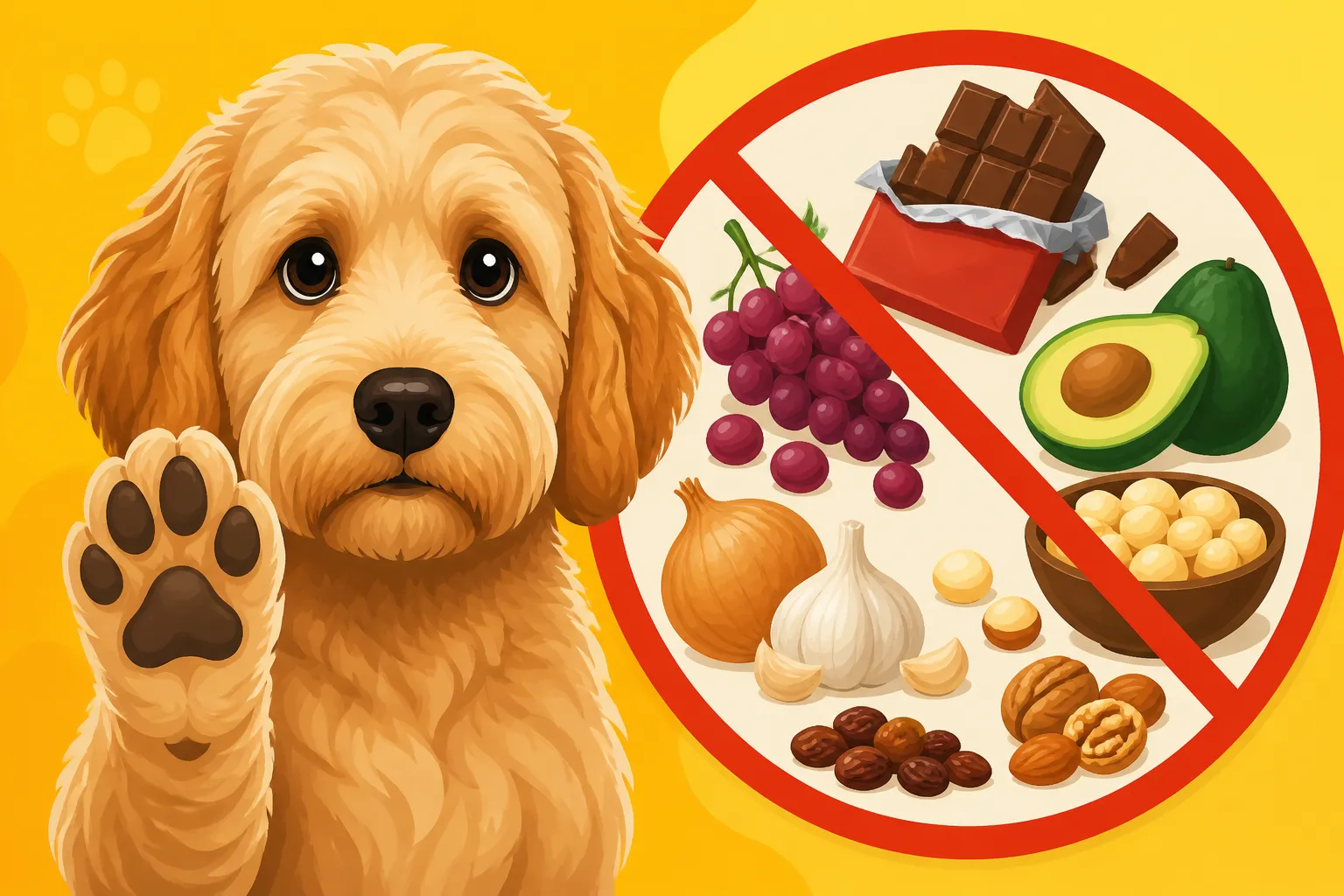
Xylitol is one of those ingredients that often flies under the radar for human consumption, but for dogs, it's a silent killer. It's a sugar alcohol, commonly used as a sugar substitute in a surprising array of products. When a dog ingests xylitol, it's rapidly absorbed into their bloodstream, causing a potent release of insulin from the pancreas. This sudden surge in insulin leads to a dramatic drop in blood sugar (hypoglycemia), which can be life-threatening.
Beyond the immediate blood sugar crash, higher doses of xylitol can lead to acute liver failure, a devastating and often fatal complication. You'll find xylitol not just in sugar-free gum and candies, but also in many brands of peanut butter, certain toothpastes, chewable vitamins, some baked goods, and even some protein bars. It's crucial to become a label reader for anything your Labradoodle might even remotely get ahold of. Always check the ingredients list on peanut butter jars before offering a lick to your Labradoodle, and if you're ever unsure, opt for a brand that explicitly states it's xylitol-free or stick to treats specifically formulated for dogs, readily available at places like Chewy.
Grapes and Raisins: Small but Mighty Toxic
These seemingly innocent fruits pose one of the most mysterious and dangerous threats to dogs. The exact mechanism of toxicity in grapes and raisins is still unknown, which makes them even more concerning because there's no way to predict which dogs will be affected or how much it takes to cause a reaction. What we do know is that ingestion can lead to acute kidney failure, a severe and potentially fatal condition.
Even a small handful of raisins or a few grapes can be enough to cause serious problems in some Labradoodles. They might be hidden in your morning oatmeal, a trail mix you leave on the counter, or a piece of fruitcake. It's not just the whole fruit; anything containing grapes or raisins, like certain breads or muffins, should be kept strictly out of reach. If you suspect your Labradoodle has eaten any amount of grapes or raisins, don't wait for symptoms; contact your veterinarian immediately. It’s always better to be safe than to regret not acting quickly.
Onions, Garlic, and Chives: The Allium Family Threat
These flavorful additions to human cuisine are part of the Allium family, and they are all toxic to dogs. Whether raw, cooked, dried, or powdered, they contain compounds that can damage a dog's red blood cells, leading to a condition called hemolytic anemia. This means their red blood cells, which carry oxygen throughout the body, start breaking down, which can be very serious.
Symptoms might not appear immediately, sometimes taking a few days to manifest, and they can include lethargy, weakness, pale gums, vomiting, diarrhea, and a reduced appetite. Be especially careful with prepared foods like soups, sauces, gravies, or even baby food that might contain onion or garlic powder. Your Labradoodle might be tempted by the smell, but even a small amount over time can cause cumulative damage. Always ensure these ingredients are stored securely and never offered as part of your Labradoodle's diet.
Foods Causing Digestive Distress and Long-Term Health Issues
Beyond outright toxins, some foods can cause severe digestive upset or contribute to serious long-term health problems for your Labradoodle. It's not just about immediate danger, but about their overall well-being.
Chocolate: Theobromine Toxicity
Ah, chocolate – the ultimate forbidden fruit for our canine companions. The toxic component in chocolate is theobromine, a stimulant similar to caffeine. Dogs metabolize theobromine much more slowly than humans, meaning it stays in their system longer and can build up to toxic levels. The darker and more bitter the chocolate, the higher the concentration of theobromine, and therefore, the more dangerous it is. Baking chocolate and dark chocolate are the worst offenders, while milk chocolate and white chocolate contain less but are still harmful in larger quantities.
Symptoms of chocolate poisoning can range from mild digestive upset like vomiting and diarrhea to more severe issues such as hyperactivity, tremors, elevated heart rate, seizures, and even death. The severity depends on the amount and type of chocolate ingested relative to your Labradoodle's size. If your Labradoodle has snuck a chocolate chip cookie or, worse, a bar of dark chocolate, it’s an immediate veterinary emergency. Don't hesitate to call for professional advice. Keeping chocolate securely stored, perhaps even in a locked pantry, is vital, especially if you have a curious Whether a Labradoodle Is Always Hungry dog.
Avocado: Persin and Stomach Upset
Avocados are a superfood for humans, but for dogs, they present a mixed bag of concerns. The main issue comes from a fungicidal toxin called persin, found in the leaves, bark, skin, and pit of the avocado. While dogs are generally more resistant to persin than other animals like birds or horses, it can still cause gastrointestinal upset, including vomiting and diarrhea, in some individuals.
Beyond the persin, the avocado pit itself poses a significant physical hazard. It's large and smooth, making it a perfect choking hazard, especially for a standard Labradoodle. If swallowed, it can also cause a dangerous obstruction in the digestive tract, potentially requiring emergency surgery. The high fat content of avocado flesh can also be problematic, especially for dogs prone to pancreatitis. Pancreatitis After a Labradoodle Raids the Trash is a very real risk when dogs get into fatty human foods. It's best to simply avoid giving your Labradoodle any part of an avocado to eliminate these risks entirely.
Fatty Foods and Bones: Pancreatitis and Obstructions
Sharing a bite of your greasy burger or a piece of chicken skin might seem like a kind gesture, but it can wreak havoc on your Labradoodle's digestive system. Rich, fatty foods can trigger pancreatitis, a painful inflammation of the pancreas. The pancreas is responsible for producing enzymes for digestion and hormones like insulin, and when it becomes inflamed, it's incredibly uncomfortable for your dog and can be very serious, sometimes requiring hospitalization.
Similarly, cooked bones are a huge no-no. While raw bones can offer some dental benefits (with supervision), cooked bones become brittle and can splinter easily. These sharp fragments can cause internal damage, perforate the intestines, or lead to dangerous blockages that necessitate emergency surgery. Even large, raw bones carry a risk of choking or tooth fractures. Instead of bones, consider durable, dog-safe chew toys or dental chews available on Amazon or Chewy to satisfy your Labradoodle's natural chewing instincts safely.
Everyday Items That Pose Serious Risks
Sometimes, the dangers aren't just in the food itself, but in common household items or ingredients used in preparation. These seemingly innocuous items can lead to severe health crises for your unsuspecting Labradoodle.
Alcohol and Yeast Dough: Fermentation Dangers
It should go without saying that alcohol is incredibly dangerous for dogs, yet sometimes it's accidentally ingested. Any amount of alcohol, whether from alcoholic beverages, raw bread dough, or even fermented fruit, can cause significant problems. Dogs are much more sensitive to ethanol than humans, and ingestion can lead to a rapid drop in body temperature, blood sugar, and blood pressure, as well as respiratory depression, tremors, seizures, and even death.
Raw yeast dough is another silent culprit. If ingested, the warm, moist environment of your Labradoodle's stomach provides the perfect conditions for the yeast to continue fermenting. As the dough rises, it causes painful and potentially life-threatening bloating. Furthermore, the yeast produces ethanol as a byproduct of fermentation, leading to alcohol poisoning. This double whammy of physical obstruction and alcohol toxicity makes raw dough a serious emergency. Symptoms of alcohol poisoning and bloating can manifest rapidly, so if your Labradoodle gets into raw dough, seek immediate veterinary attention. This is particularly concerning for deep-chested breeds like the Labradoodle, who already have a The Chest Shape That Puts a Labradoodle at Bloat Risk tendency.
Macadamia Nuts: Mysterious Neurological Effects
Macadamia nuts are another food where the exact toxic compound remains unknown, but their effects on dogs are well-documented and concerning. Ingestion can lead to a range of symptoms, including weakness, lameness in the hind legs, vomiting, tremors, fever (hyperthermia), and abdominal pain. While rarely fatal, these symptoms can be quite distressing for your Labradoodle and require veterinary attention.
The symptoms typically appear within 12 hours of ingestion and can last for 24 to 48 hours. It's not uncommon to find macadamia nuts in various baked goods, cookies, and trail mixes, so care must be taken to keep these items out of reach. If you have macadamia nuts in your home, treat them with the same caution you would a dangerous chemical, ensuring they are stored in dog-proof containers or high-up cabinets where your A Labradoodle That Counter Surfs can't reach them.
Caffeine: Heart and Nervous System Overload
Like theobromine in chocolate, caffeine is a stimulant that can be highly toxic to dogs. It's found not only in coffee and tea but also in energy drinks, diet pills, chocolate, and some medications. Dogs are far more sensitive to the effects of caffeine than humans, and even a small amount can cause serious issues.
Symptoms of caffeine poisoning include hyperactivity, restlessness, vomiting, diarrhea, tremors, elevated heart rate, and seizures. In severe cases, it can be fatal. Remember that even coffee grounds or tea bags, which might seem harmless, contain concentrated amounts of caffeine and should be disposed of securely where your Labradoodle cannot access them. Always err on the side of caution and keep all caffeine-containing products out of your dog's reach.
What to Do in an Emergency and Prevention Strategies
Despite our best efforts, accidents can happen. Knowing what to do in an emergency and proactively implementing preventative measures can make all the difference for your Labradoodle's safety.
Recognizing the Signs of Toxicity
Being able to recognize the signs that your Labradoodle has ingested something harmful is crucial for prompt action. While symptoms vary depending on the toxin, some common indicators of poisoning include:
- Gastrointestinal upset: Vomiting, diarrhea, excessive drooling, loss of appetite, abdominal pain.
- Neurological signs: Lethargy, weakness, tremors, seizures, disorientation, uncoordinated movements.
- Behavioral changes: Hyperactivity, restlessness, anxiety, aggression, or unusual quietness.
- Other physical signs: Pale gums, difficulty breathing, excessive thirst or urination, changes in heart rate.
Sometimes, the signs can be quite vague, similar to The Vague Signs of Addison's in a Labradoodle, making it hard to pinpoint the cause without professional help. If your Labradoodle suddenly seems "off" and you suspect they might have eaten something they shouldn't have, it's always best to contact your vet.
| Toxic Food | Primary Toxin/Concern | Potential Symptoms |
|---|---|---|
| Xylitol | Xylitol | Hypoglycemia, liver failure, lethargy, seizures |
| Grapes & Raisins | Unknown | Kidney failure, vomiting, lethargy |
| Onions, Garlic, Chives | Thiosulphates | Hemolytic anemia, pale gums, weakness |
| Chocolate | Theobromine, Caffeine | Vomiting, diarrhea, tremors, seizures, heart issues |
| Avocado | Persin (pit choking risk) | Vomiting, diarrhea, pancreatitis |
| Fatty Foods | High Fat Content | Pancreatitis, vomiting, diarrhea |
| Cooked Bones | Splintering/Obstruction | Choking, internal damage, blockages |
| Alcohol / Yeast Dough | Ethanol / Bloating | Vomiting, disorientation, bloat, seizures |
| Macadamia Nuts | Unknown | Weakness, tremors, hyperthermia |
| Caffeine | Caffeine | Hyperactivity, elevated heart rate, seizures |
Immediate Action Steps
If you suspect your Labradoodle has eaten something toxic, time is of the essence. Don't wait to see if they get better; act immediately.
- Contact your veterinarian or an emergency animal hospital right away. Have the packaging of what your dog ate, if possible, to provide them with the exact ingredients and amounts.
- Do NOT try to induce vomiting yourself unless specifically instructed by a veterinary professional. This can sometimes do more harm than good, especially with certain toxins or if your dog is already showing severe symptoms.
- Provide as much detail as possible: What did your Labradoodle eat? How much? When did they eat it? What is your dog's weight? All this information helps the vet determine the severity and the best course of action.
- Consider contacting a pet poison control hotline. These services have databases of toxins and can provide immediate, expert advice, often in conjunction with your local vet.
Acting quickly and calmly can significantly improve your Labradoodle's prognosis.
Creating a Safe Home Environment
Prevention is always the best medicine. By creating a dog-proof environment, you can drastically reduce the risk of your Labradoodle ingesting harmful foods.
- Store human food securely: Keep pantry doors and cabinets closed, and avoid leaving food unattended on counters or low tables. A Labradoodle that steals food off the counter is a common concern. Consider child-proof locks for lower cabinets if your Labradoodle is particularly clever.
- Educate everyone in the household: Make sure all family members, including children, and any guests, understand which foods are dangerous for dogs. This prevents accidental sharing or dropping of toxic items.
- Designate "dog-safe" treats only: Have a specific stash of treats made for dogs, like those you can find at pet stores or online, and use these exclusively for rewarding your Labradoodle. This helps avoid confusion about what's safe. The Treats a Labradoodle Trains Best For are a great way to reinforce good behavior without risky human foods.
- Secure your trash cans: A curious Labradoodle might see the trash as a treasure trove. Use cans with secure lids or keep them in a pantry to prevent your Whether a Labradoodle Raids the Trash from finding harmful leftovers.
- Consider ready-to-eat dog food options: If you're concerned about ingredients or time, services like Ollie offer pre-portioned, human-grade dog food formulated by veterinary nutritionists, taking the guesswork out of safe feeding.
- Train "Leave It" and "Drop It": These commands are invaluable in preventing your Labradoodle from eating something they shouldn't, whether it's on the ground or in their mouth. Start training these commands early, perhaps when your What a Labradoodle Should Know by Six Months is still a puppy.
By implementing these strategies, you're not just protecting your Labradoodle from immediate danger, but also contributing to their long-term health and happiness.
Disclaimer
This article is for general informational purposes only and does not constitute professional advice. Laws, prices and regulations vary by location and change over time. Consult a qualified professional for guidance on your specific situation.