Whether a Labradoodle Can Have Bones
It's a question many of us Labradoodle parents ponder when we see our furry friends gazing longingly at a bone or gnawing on anything they can get their paws on: "Can my Labradoodle have bones?" The desire to give our dogs something natural, something that satisfies that deep-seated urge to chew, is completely understandable. This guide will dive deep into the world of bones for Labradoodles, separating fact from fiction and helping you make the safest choices for your beloved companion.
The Lure of Bones for Labradoodles: Why We Consider Them
There's a natural inclination for us as dog owners to think bones are a fantastic, natural treat for our canine companions. After all, dogs in the wild would chew on bones, right? This line of thinking, while rooted in a historical truth, doesn't always translate perfectly to the modern domestic Labradoodle and the types of bones available to us.
Natural Chewing Instincts
Our Labradoodles, despite their fluffy, teddy-bear appearance, are still dogs with primal instincts. One of the most powerful of these is the instinct to chew. Chewing isn't just a pastime for dogs; it's a fundamental behavior that serves multiple purposes. For puppies, it's about exploring their world and alleviating discomfort during teething. For adult dogs, it's a stress reliever, a boredom buster, and a way to satisfy an innate need to work their jaws and teeth.
When a Labradoodle gets hold of something to chew, whether it's a toy, a stick, or yes, a bone, they often enter a state of blissful concentration. It’s an activity that truly engages them, providing mental stimulation as much as physical. As owners, we see this contentment and want to provide the best possible outlets for these natural behaviors, and bones often seem like the quintessential "dog treat" for this purpose. It's tough to deny that deep satisfaction your dog gets from a good chew.
Dental Health Beliefs
Another strong motivator for considering bones is the widely held belief that they are excellent for dental health. The idea is that the abrasive action of chewing on a bone helps scrape away plaque and tartar buildup from the teeth, leading to cleaner teeth and healthier gums. Many of us have struggled with brushing our Labradoodle's teeth – that curly coat and wiggly body can make Brushing a Labradoodle's Teeth quite the challenge! So, the thought of a natural, enjoyable method to keep their pearly whites sparkling is very appealing.
While it's true that some types of chewing can contribute to dental hygiene, the effectiveness and safety of bones for this purpose are highly debated among veterinarians and canine dental specialists. The wrong type of bone can cause more harm than good, leading to fractures, gum damage, and other serious issues. It’s important to understand that not all "dental benefits" are created equal, and the risks sometimes far outweigh the perceived rewards when it comes to bones.
The Types of Bones: A Crucial Distinction
When we talk about giving dogs bones, it's not a one-size-fits-all discussion. The type of bone makes an enormous difference in terms of safety. What might seem like a harmless chew can actually be a significant hazard, and understanding these distinctions is paramount for any responsible Labradoodle owner.
Cooked Bones: The Absolute No-Go
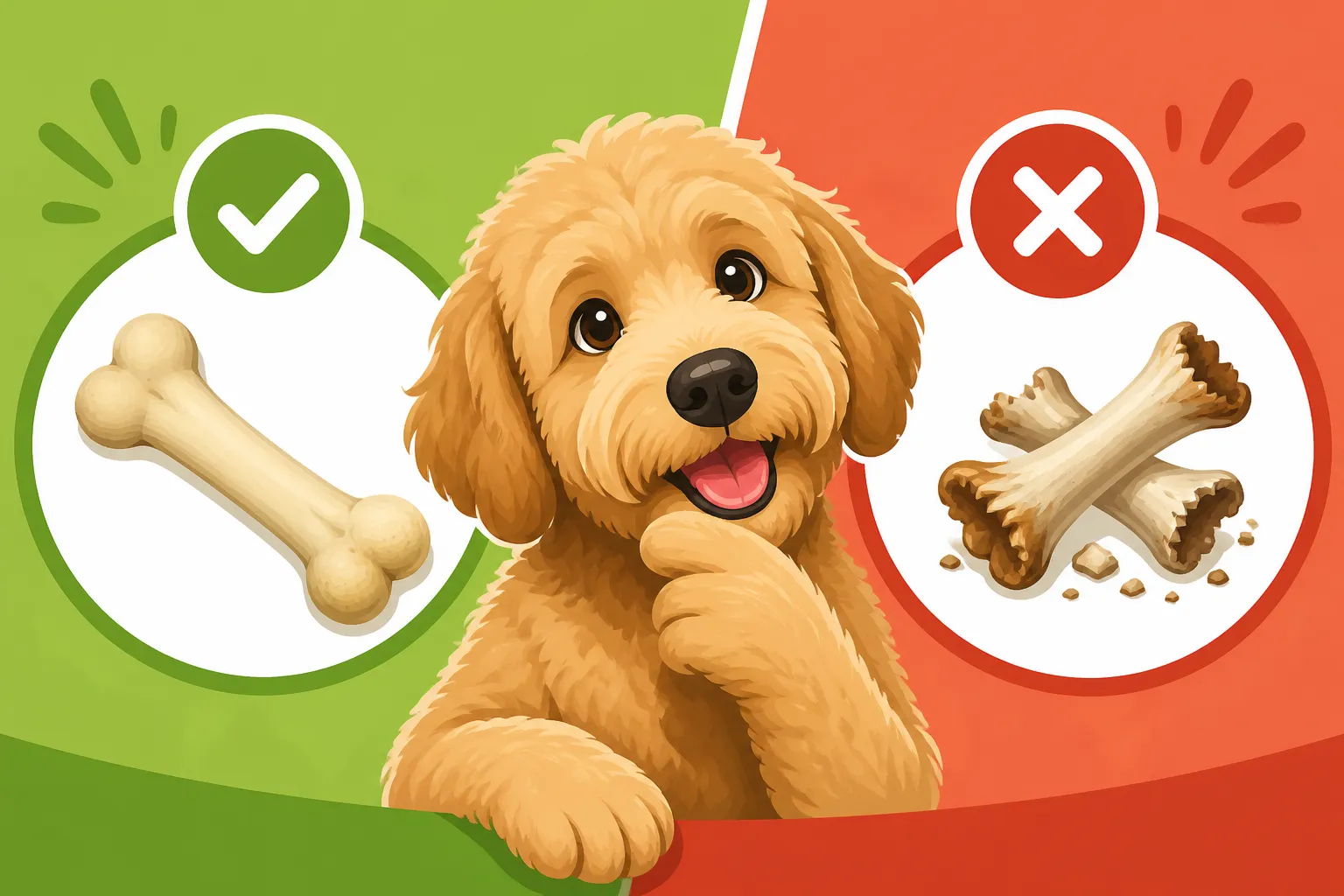
Let's be unequivocally clear: cooked bones are never safe for your Labradoodle. This includes any bone that has been boiled, baked, roasted, grilled, or fried. The cooking process changes the structure of the bone, making it brittle and prone to splintering into sharp, jagged pieces. Imagine tiny, sharp shards of glass inside your dog's digestive system – that's essentially what cooked bones become.
These splinters pose severe risks. They can easily get lodged in your Labradoodle's throat, causing choking. They can puncture the esophagus, stomach, or intestines, leading to life-threatening internal bleeding and infections like peritonitis. Cooked bones can also cause severe constipation or blockages in the digestive tract, requiring emergency veterinary intervention, often surgery. It's simply not worth the risk. Even small cooked chicken bones, which might seem less dangerous, are just as problematic. Always dispose of cooked bones safely where your curious Labradoodle can't raid the trash, especially if they are prone to being a Labradoodle that raids the trash.
Raw Bones: A Spectrum of Risk
Raw bones are where the conversation gets a bit more nuanced, but they still come with their own set of considerations and risks. Some proponents of raw feeding advocate for raw, recreational bones (large bones that are too big to be swallowed whole) for dental cleaning and entertainment. Other raw feeding philosophies include edible raw bones (smaller, softer bones that are meant to be consumed entirely) as part of a balanced diet. If you're considering a raw diet, you'd want to research Whether a Labradoodle Can Eat Raw thoroughly.
However, even raw bones carry risks. One significant concern is bacterial contamination. Raw meat and bones can harbor bacteria like Salmonella and E. coli, which can make both your Labradoodle and your family sick. This is particularly concerning for young children, the elderly, or anyone with a compromised immune system in the household. Proper handling and hygiene are crucial if you choose to feed raw bones.
Furthermore, even raw bones, especially weight-bearing bones from large animals (like beef femurs), are incredibly dense. While they might not splinter in the same way cooked bones do, they can still lead to serious dental fractures. Imagine your Labradoodle enthusiastically crunching down on something almost as hard as rock – that force can easily break teeth, leading to pain, infection, and expensive veterinary dental work. Smaller raw bones, like chicken wings or necks, might be considered "edible," but they still present choking hazards, especially if your Labradoodle is an enthusiastic gulper or Whether a Labradoodle Eats Too Fast.
The Risks of Bone Feeding for Labradoodles
Despite the best intentions, offering bones to your Labradoodle, particularly certain types, can lead to a host of dangerous and painful health problems. Understanding these risks is crucial for making informed decisions about your dog's diet and chew options.
Choking and Obstructions
This is perhaps the most immediate and terrifying risk associated with bones. A bone, or a piece of it, can easily get lodged in your Labradoodle's throat. This can happen whether it's a cooked bone splintering or a raw bone that's too small and swallowed whole. The size and shape of a Labradoodle's throat, coupled with their often enthusiastic chewing style, make them susceptible. A piece of bone caught in the windpipe is a true emergency, cutting off airflow and requiring immediate veterinary attention.
Beyond choking, bones can cause obstructions further down the digestive tract. Pieces of bone can become stuck in the esophagus, stomach, or intestines. This is incredibly painful for your dog and can prevent food and water from passing through. Signs of an obstruction include repeated vomiting, abdominal pain, lethargy, loss of appetite, and difficulty defecating. If left untreated, an obstruction can lead to tissue death, perforation of the bowel, and septic shock – a life-threatening condition. It’s a terrifying scenario no Labradoodle parent wants to face, and the vet bills for such emergencies can be astronomical.
Dental Damage and Injuries
While some people offer bones for dental cleaning, the reality is that many bones are simply too hard for a dog's teeth. Labradoodles have strong jaws, but their teeth are not designed to withstand the force required to break down dense bones without consequence. Chewing on hard bones frequently leads to chipped, fractured, or broken teeth. These injuries are excruciating and expose the sensitive pulp cavity, making the tooth vulnerable to infection.
Beyond fractures, bones can also cause gum injuries. Sharp edges or small pieces can cut into your Labradoodle's gums, leading to bleeding, pain, and potential infections. If a bone fragment gets stuck between teeth or in the roof of the mouth, it can cause significant discomfort and require removal by a vet. A broken tooth often means an expensive dental procedure, such as a root canal or extraction, to alleviate pain and prevent further complications. This completely negates any perceived "dental benefit" a bone might offer.
Digestive Upset and Bacterial Contamination
Even if a bone passes through without causing choking or a blockage, it can still wreak havoc on your Labradoodle's digestive system. The dense, indigestible material in bones can lead to severe constipation. Bone fragments can irritate the lining of the stomach and intestines, causing inflammation, diarrhea, and vomiting. Some Labradoodles might even experience a bout of Pancreatitis After a Labradoodle Raids the Trash if they consume too much rich marrow or fatty bone pieces.
Then there's the risk of bacterial contamination, especially with raw bones. As mentioned, raw bones can carry pathogens like Salmonella, E. coli, and Campylobacter. These bacteria can cause severe gastrointestinal illness in dogs, characterized by vomiting, diarrhea (which can be bloody), lethargy, and fever. While dogs can often handle some level of these bacteria, they can still become very sick, and the bacteria can easily spread to humans in the household through contaminated surfaces, food bowls, or even dog kisses. This poses a serious public health risk, particularly for vulnerable individuals.
| Bone Type | Cooked Bones | Raw Weight-Bearing Bones | Raw Edible Bones |
|---|---|---|---|
| Risk of Splintering | High (into sharp shards) | Low (but can fracture teeth) | Low (designed to be consumed) |
| Risk of Choking | High | Moderate | Moderate to High (if swallowed whole) |
| Risk of Obstruction | High | Moderate | Moderate (if not chewed properly) |
| Dental Damage | High (fractures, gum injuries) | Very High (fractures) | Low to Moderate (if too hard for dog) |
| Digestive Upset | High (constipation, irritation) | Moderate (constipation, irritation) | Moderate (if not accustomed) |
| Bacterial Risk | Low (if sterile, but often not) | High | High |
| Recommendation | Never feed | Generally avoid, use with extreme caution | Use with caution, under supervision |
Safer Alternatives for Your Labradoodle's Chewing Needs
Given the significant risks associated with feeding bones, it's a huge relief to know there are plenty of safe, satisfying, and beneficial alternatives available for your Labradoodle's chewing pleasure. You don't have to put your dog at risk to satisfy their natural instincts.
Dental Chews and Toys
When it comes to promoting dental health, specially formulated dental chews are a far safer option than bones. Brands like Greenies or dental sticks widely available at stores like Chewy and Amazon are designed with textures and ingredients that help reduce plaque and tartar. Many of these chews have been scientifically tested and approved by veterinary dental organizations for their effectiveness. They're typically soft enough not to cause dental fractures but abrasive enough to clean the tooth surface. Remember that these are often calorie-dense, so account for them in your How Much an Adult Labradoodle Eats Daily calculation, especially if you're Keeping Weight Off a Labradoodle That Begs.
Beyond dental chews, a wide variety of durable chew toys are available. These can be made from rubber, nylon, or other tough materials. Look for toys that are appropriately sized for your Labradoodle – too small, and it's a choking hazard; too large, and it might not be engaging. Toys like those from Kong or Nylabone offer different textures and densities to keep your dog interested. They're excellent for mental stimulation, can be stuffed with safe treats like peanut butter or plain yogurt, and won't splinter or break off into sharp pieces. Always supervise your Labradoodle with new toys to ensure they're safe and durable for their chewing style.
Edible Chews and Novelty Options
For those times when your Labradoodle really wants something edible to chew on, there are numerous safe and delicious options. Rawhide alternatives, made from digestible ingredients like vegetable starch or collagen, can offer a long-lasting chew without the splintering risks of traditional rawhide or bones. Brands like SmartBones offer a variety of flavors and shapes that dogs tend to love. These can be great for occupying your dog during quiet times.
Other fantastic options include bully sticks, dehydrated sweet potato chews, or even certain brands of dried fish skins. When selecting any edible chew, always check the ingredient list to ensure it's free from artificial colors, flavors, and preservatives. Look for single-ingredient chews where possible. Remember, even these safe chews should be given under supervision, especially the first few times, to ensure your Labradoodle doesn't try to swallow a large piece whole. These types of chews can be wonderful The Treats a Labradoodle Trains Best For or just a way to reward good behavior. You can often find a great selection on platforms like Amazon or Chewy, and even fresh food companies like Ollie offer certain healthy, digestible chews as part of their product range. By choosing these safer alternatives, you can keep your Labradoodle happy, engaged, and most importantly, healthy.
Disclaimer
This article is for general informational purposes only and does not constitute professional advice. Laws, prices and regulations vary by location and change over time. Consult a qualified professional for guidance on your specific situation.