Whether a Hair Coat Labradoodle Sheds Like a Labrador
One of the most common hopes (and sometimes, sources of confusion) for new Labradoodle owners is related to their coat and shedding. You might have been told that Labradoodles don't shed, or shed minimally, but then find yourself with a gorgeous dog who leaves a trail of hair. This guide is here to unravel the mystery of the "hair coat" Labradoodle, particularly addressing whether this specific coat type sheds similarly to its Labrador Retriever parent and what that means for your home and grooming routine.
Understanding Labradoodle Coat Types
When we talk about Labradoodle coats, it's not a one-size-fits-all situation. The Labradoodle is a crossbreed, and that means their genetic inheritance can result in a range of coat types, even within the same litter. The ideal, low-shedding coats are what most people envision, but the reality is that the "hair coat" is a distinct possibility, especially in earlier generations like F1s.
The Ideal: Fleece and Wool Coats
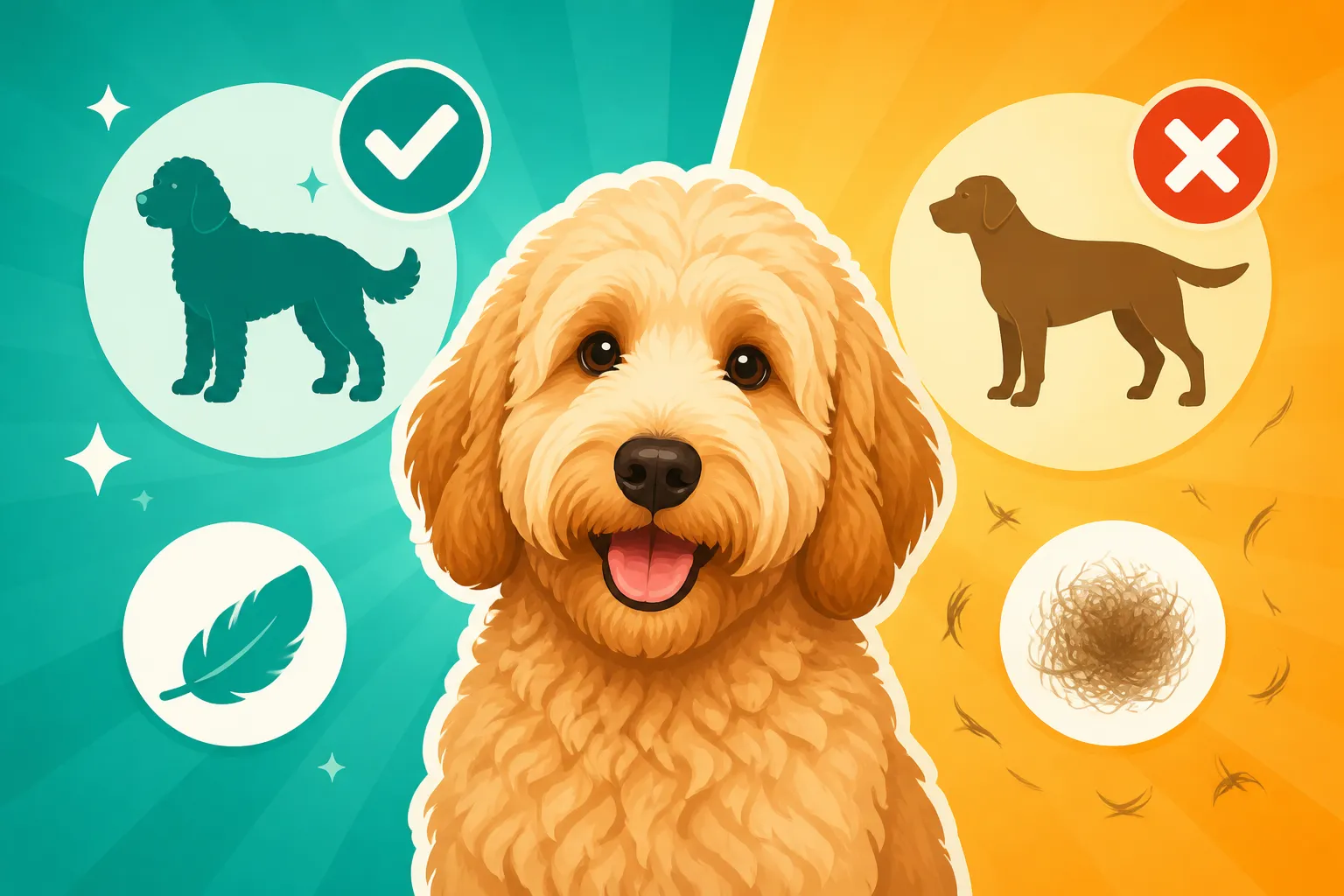
Most people seeking a Labradoodle are dreaming of the soft, flowing "fleece" coat or the curly, dense "wool" coat. These are often described as non-shedding or very low-shedding, making them highly desirable for families with allergies or those who prefer less pet hair around the house. These coats are typically inherited from the Poodle side, carrying the "furnishings" gene that gives them their characteristic beard and eyebrows, and a coat that grows continuously rather than shedding seasonally. They require regular, thorough grooming to prevent matting, but they don't "drop" hair in the same way many other breeds do. The Fleece Coat and Why Breeders Aim For It dives into this in more detail.
The Hair Coat Reality
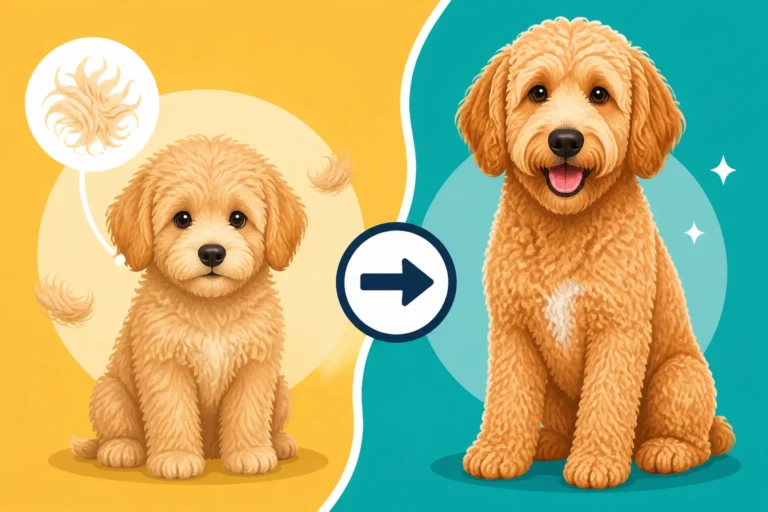
Then there's the "hair coat," sometimes affectionately (or resignedly) called the "improper coat." This coat type occurs when the Labradoodle inherits more of the Labrador's dominant coat characteristics, particularly lacking the furnishings gene. Instead of the wavy or curly texture, it often appears straighter or coarser, resembling a Labrador's coat more closely. The crucial difference is that a hair coat Labradoodle will shed. It sheds because its hair follicles behave more like a Labrador's, with a finite growth cycle that ends with the hair falling out. This can be a shock for owners who expected a non-shedding companion. Understanding The Hair Coat Labradoodle That Sheds is key to managing expectations.
Genetic Factors in Shedding
The presence of a hair coat, and thus shedding, comes down to genetics. The "furnishings" gene (F locus) is responsible for the longer hair on the face (beard, eyebrows) and often correlates with low shedding. A Labradoodle needs at least one copy of this dominant gene (F/f or F/F) to have the desired low-shedding coat. If a Labradoodle inherits two recessive copies (f/f), it will have an improper or hair coat and will shed. This is why The Furnishings Gene Behind a Labradoodle's Beard is so important for breeders to understand and test for, especially if they are aiming for low-shedding puppies. In earlier generations, like F1 (first cross between a Labrador and a Poodle), the genetic lottery is more pronounced, and predicting the coat type can be challenging without genetic testing of the parents. This is also why Whether an F1 Labradoodle's Coat Is a Gamble is a valid concern for many prospective owners.
Shedding: Hair Coat Labradoodle vs. Labrador Retriever
So, how does the shedding of a hair coat Labradoodle truly compare to that of its purebred Labrador parent? It's often a source of debate, but generally, you can expect a similar shedding experience, albeit with some nuances.
The Labrador's Shedding Profile
Let's be clear: Labradors shed. A lot. They have a dense double coat designed to protect them from cold water and harsh weather, and this coat "blows" seasonally, typically in spring and fall, leading to copious amounts of hair. Even outside these major shedding seasons, a Labrador will consistently drop hair year-round. Their short, coarse hairs tend to weave into carpets, upholstery, and clothing, making them quite noticeable. Anyone who has lived with a Labrador knows the constant battle against dog hair, often requiring daily vacuuming and brushing.
Hair Coat Labradoodle Shedding Experience
A hair coat Labradoodle, inheriting the shedding genes from its Labrador parent, will indeed shed. The intensity can vary, but it will generally be comparable to a Labrador. You'll find hair on your floors, furniture, and clothes. Unlike the fine, often less noticeable hair of a wool or fleece coat Labradoodle that might get caught in the growing curls, the hair coat's straighter, coarser texture means loose hairs fall out easily. This can come as quite a surprise if you were promised a non-shedding dog and ended up with a hair coat.
While a hair coat Labradoodle might not "blow" its coat with the same dramatic volume as a purebred Labrador in a seasonal burst, the consistent year-round shedding can be just as impactful on a household. The hairs, like a Labrador's, can be stubborn to remove from certain fabrics. For those with allergies, it's important to remember that shedding means more dander and hair in the environment, which is often the trigger for allergic reactions. Whether Dander or Hair Sets Off Allergies Around a Labradoodle is a critical question for allergic families.
Managing Hair Coat Shedding
Managing a hair coat Labradoodle's shedding primarily revolves around consistent grooming and diligent household cleaning. You won't eliminate shedding, but you can certainly reduce its impact.
Here's what you can do:
- Regular Brushing: This is your first line of defense. Daily brushing, or at least every other day, with a good quality slicker brush and an undercoat rake can remove a significant amount of loose hair before it ends up on your furniture. Tools found on Amazon or Chewy can make a big difference. Think about it: every hair you brush out is one less hair on your couch!
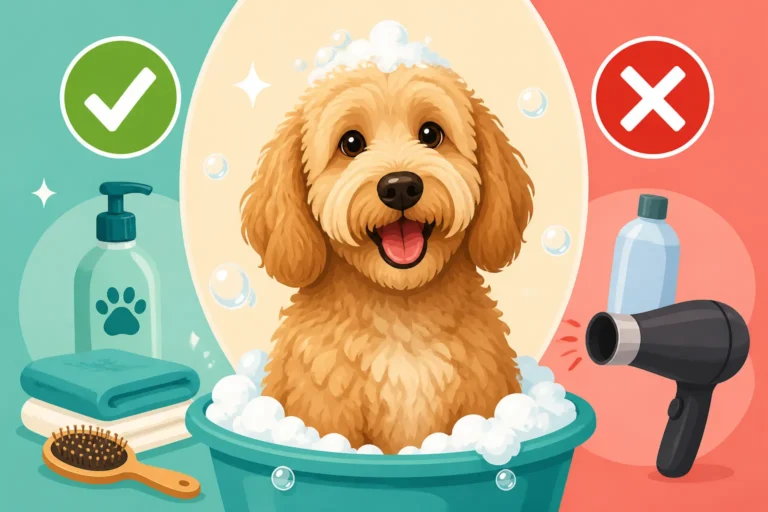
- Bathing: Regular bathing (every 4-6 weeks, or as needed) can help loosen and remove dead hair. Make sure to use a good deshedding shampoo and conditioner, and follow up with thorough brushing once the coat is dry.
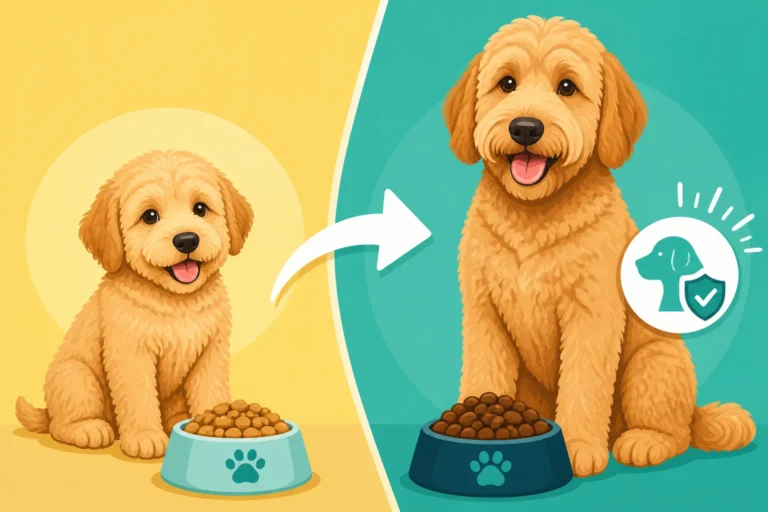
- Nutrition: A high-quality diet plays a role in coat health. Dogs on a balanced diet with proper Omega fatty acids tend to have healthier skin and coats, which can sometimes reduce excessive shedding. Brands like Ollie offer fresh food options that prioritize high-quality ingredients, which some owners find beneficial for coat health, though it won't stop genetic shedding.
- Vacuuming: Invest in a powerful vacuum cleaner designed for pet hair. You'll be using it frequently!
- Lint Rollers: Keep them handy. They'll become your best friend for quick clean-ups on clothing and furniture.
By combining these strategies, you can make living with a shedding hair coat Labradoodle a much more manageable (and less hairy) experience.
Living with a Shedding Labradoodle
Embracing the reality of a shedding Labradoodle means adapting your routine and expectations. It's not about loving your dog any less, but about being prepared for the practicalities.
Grooming Routine for Hair Coat Labradoodles
Unlike the complex line brushing required for a fleece or wool coat, the hair coat Labradoodle's grooming needs are more focused on deshedding.
- Daily or Every Other Day Brushing: As mentioned, consistency is key. A good session should take about 10-15 minutes, ensuring you get down to the skin to pull out loose undercoat. A rubber curry brush can also be effective for removing loose hair and stimulating the skin. How Many Times a Week a Labradoodle Needs Brushing really highlights the need for a consistent schedule.
- Deshedding Tools: Beyond the basic slicker brush, an undercoat rake is invaluable for a hair coat. It reaches deep into the coat to pull out dead undercoat without damaging the top coat. Tools like a Furminator or similar deshedding rakes can also be effective, but use them sparingly and carefully to avoid irritating the skin or damaging the guard hairs. You can easily find a range of these tools on Chewy.
- Professional Grooming: While hair coat Labradoodles don't need intricate clips, a professional groomer can offer deshedding treatments. These often include specialized shampoos, conditioners, and high-velocity dryers to blast out loose hair. It can be a great way to hit the reset button on shedding every few months.
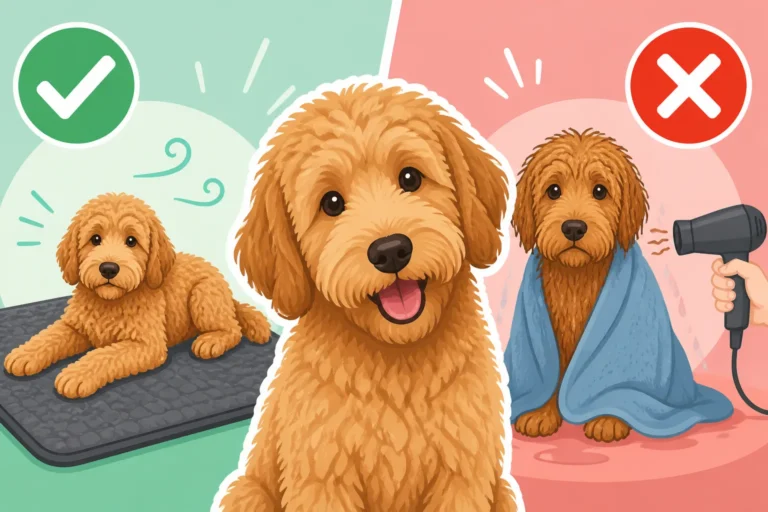
- Bathing and Drying: When bathing at home, opt for shampoos formulated for shedding control. After rinsing thoroughly, towel dry as much as possible, then use a powerful dog dryer (or even a human hairdryer on a cool setting) while brushing to help blow out even more loose hair. Make sure your dog is completely dry to prevent skin issues.
| Coat Type | Shedding Level | Grooming Frequency (Brushing) | Primary Grooming Goal | Common Tools |
|---|---|---|---|---|
| Hair Coat Labradoodle | Moderate to Heavy | Daily to Every Other Day | Remove dead undercoat | Slicker, Undercoat Rake, Curry |
| Fleece Coat Labradoodle | Low to Minimal | 2-3 times per week | Prevent mats, maintain length | Slicker, Metal Comb |
| Wool Coat Labradoodle | Minimal | Daily | Prevent mats, maintain length | Pin Brush, Metal Comb |
| Labrador Retriever | Heavy (seasonal) | 2-3 times per week (more seasonally) | Remove dead coat | Slicker, Deshedding Rake, Curry |
Household Management and Cleaning
Living with a shedding dog means adjusting your cleaning routine.
- Regular Vacuuming: This isn't a suggestion; it's a necessity. Aim for daily vacuuming in high-traffic areas and 2-3 times a week for the entire house. Robotic vacuums, readily available on Amazon, can be a game-changer for maintaining a baseline level of cleanliness between deeper cleans.
- Furniture Covers: Consider washable slipcovers for couches and chairs, or dedicated pet blankets. These can be easily removed and laundered, saving your upholstery.
- Air Purifiers: High-quality air purifiers with HEPA filters can help capture airborne pet dander and hair, improving air quality, especially if anyone in the household has mild allergies.
- Clothing Care: Keep lint rollers handy by the door, and consider using a clothes dryer with a "pet hair removal" setting if yours has one. Choosing fabrics that don't attract pet hair as much can also help.
Diet and Supplements for Coat Health
While diet won't stop a genetically shedding coat, it can certainly contribute to its overall health and potentially reduce excessive or unhealthy shedding caused by poor nutrition.
- High-Quality Dog Food: Opt for a premium dog food with a named meat source as the first ingredient. Avoid fillers and artificial additives. A well-balanced diet provides the necessary nutrients for healthy skin and a strong, lustrous coat.
- Omega Fatty Acids: Supplements rich in Omega-3 and Omega-6 fatty acids (like fish oil or flaxseed oil) can do wonders for skin hydration and coat quality. A healthy coat sheds less simply because the hair strands are stronger and healthier. Consult your vet before adding any supplements to your dog's diet to ensure appropriate dosage.
- Hydration: Ensure your Labradoodle always has access to fresh, clean water. Good hydration is vital for skin and coat health, just as it is for overall well-being.
By proactively managing grooming, maintaining a clean home, and supporting your Labradoodle's health through nutrition, a hair coat Labradoodle can still be a wonderful, if slightly hairier, companion. It simply requires a bit more hands-on effort than those mythical "non-shedding" doodles people often dream about.
Disclaimer
This article is for general informational purposes only and does not constitute professional advice. Laws, prices and regulations vary by location and change over time. Consult a qualified professional for guidance on your specific situation.