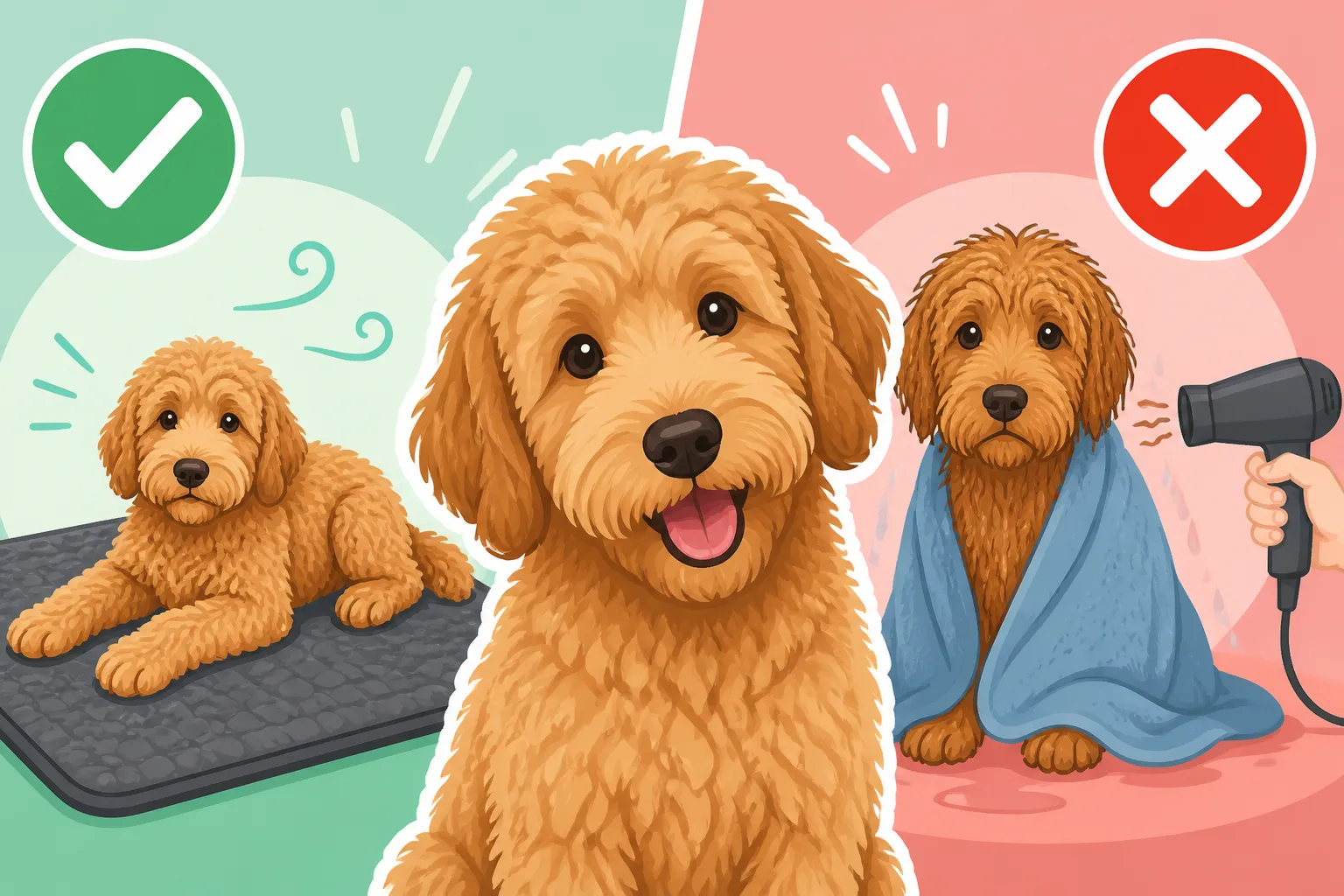
Whether Air Drying Mats a Labradoodle
As a Labradoodle owner, you know the dream: a quick dip in the lake, a romp in the rain, or even just a bath, and then letting your furry friend shake it off and air dry naturally. It sounds so easy, so refreshing, but for many of us, the reality is a tangled, matted disaster waiting to happen. This guide will dive deep into why air drying is such a challenge for Labradoodle coats and, more importantly, how to avoid the painful knots and skin issues that can come with it.
Understanding the Labradoodle Coat and Its Matting Potential
One of the biggest joys, and sometimes challenges, of owning a Labradoodle is their magnificent coat. It’s what often draws us to them, promising that low-shed, plush texture. But this unique coat, so different from a Labrador’s sleek fur or a Poodle’s tight curls, is also the very thing that makes air drying a high-risk gamble.
The Unique Structure of Labradoodle Coats
Unlike many breeds with a clear double coat, a Labradoodle’s hair often grows continuously, much like human hair, and has a particular texture that makes it prone to tangling. You typically find three main types: the hair coat, the fleece coat, and the wool coat. The hair coat, which is closer to a Labrador's, might shed more but can still tangle. The fleece coat is soft and wavy, often described as feeling like angora, and is notorious for its matting tendencies. Then there's the wool coat, which is dense and curly, similar to a Poodle's, and while it might not shed much, it absolutely will mat if not diligently cared for.
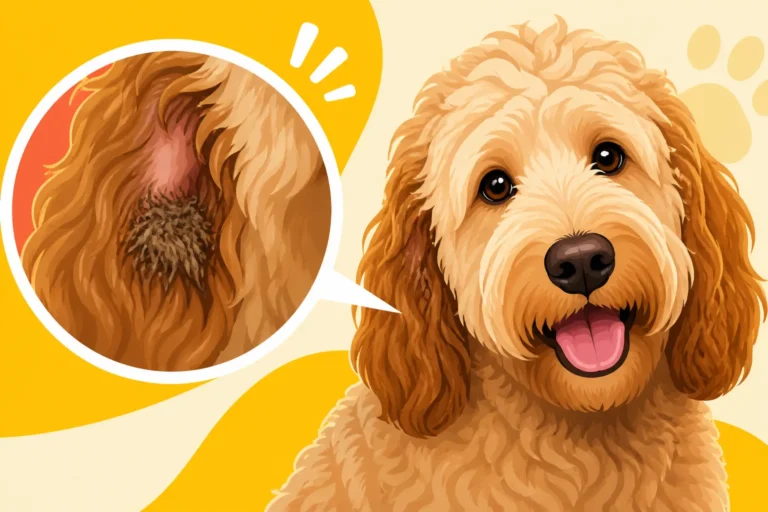
What makes these coats so problematic when wet? It's the way the individual hairs intertwine. Instead of falling away or shedding cleanly, these hairs stay put, and when moisture is introduced, they clump together. As the moisture evaporates, these clumps tighten, creating dense, painful mats right down to the skin. It’s not just the top layer either; the matting often starts deep within the coat, where it’s hardest to see and reach. If you've ever tried to brush out your own long, wet hair that's been allowed to dry in a knot, imagine that multiplied by thousands of strands, all over your dog's body.
How Moisture Contributes to Matting
Think about what happens to natural fibers when they get wet and then dry without being combed or brushed: they felt. Wool sweaters shrink and become dense; cotton gets stiff. A Labradoodle's coat, especially the fleece and wool types, behaves similarly. When the hair gets wet, the individual strands become more pliable and can intertwine more easily. As the water begins to evaporate, the hairs shrink slightly and lock together. If there's any dirt, debris, or loose undercoat caught in there, it acts like a sticky glue, exacerbating the problem.
The natural movement of your dog further compounds this. As they walk, lie down, scratch, or shake, the wet hair rubs against itself, twisting and tangling into tighter and tighter knots. Every step, every roll on the carpet, every head tilt, contributes to this felting process. By the time the coat is fully air dried, what might have been a few small tangles when wet has now become a solid, impenetrable sheet of matting, especially in high-friction areas like behind the ears, in the armpits, and around the tail. It’s a frustrating cycle that can quickly turn a beautiful, soft coat into a matted mess if not managed proactively.
The Risks of Air Drying for Labradoodles
While the idea of letting your Labradoodle air dry sounds appealing for its simplicity, the reality for their specific coat type is usually anything but simple. The risks go far beyond just a few tangles, leading to discomfort and potentially serious health issues for your beloved companion.
The Mechanics of Mat Formation During Air Drying
When a Labradoodle's coat is left to air dry, the entire process becomes a mat-making machine. As we discussed, the wet hairs easily interlock. Imagine your dog having just had a bath; the water weighs down the hair, making it clump. As they shake and move, these clumps become more pronounced. Then, as the outer layer of the coat dries, it creates a barrier, trapping moisture underneath and preventing the deeper layers from drying properly. This prolonged dampness, combined with the continuous friction from your dog's everyday movements—walking, running, lying down, even scratching an itch—causes the hairs to felt together.
Mats don't just happen randomly. They often form in specific areas where friction is highest or the hair is naturally finer and more prone to tangling. These include behind the ears, under the chin, in the armpits, on the insides of the hind legs, around the collar, and at the base of the tail. These areas are constantly moving and rubbing, creating the perfect environment for mats to tighten. A small tangle that could have been easily brushed out when wet becomes a solid, painful knot as it dries, pulling at the skin and causing significant discomfort. It's a cruel irony that the very thing that makes their coat so appealing—its density and softness—is also its biggest weakness when it comes to air drying.
Beyond Just Mats: Skin Issues and Other Problems
Mats are undeniably painful and can restrict your dog's movement, but the problems associated with air drying a Labradoodle extend much deeper, literally, to their skin. When a dense coat stays damp for an extended period, it creates a warm, moist environment that is a breeding ground for bacteria and yeast. This can lead to a host of skin infections, known as "hot spots" or pyoderma. These are intensely itchy, red, inflamed patches that can quickly spread and become incredibly painful for your dog.
Furthermore, chronic dampness can exacerbate issues like Yeast Trapped Under a Labradoodle's Coat, particularly in areas like the paw pads and under the ears. The skin becomes irritated, leading to excessive scratching, licking, and chewing, which only makes the problem worse and can introduce secondary infections. If you notice a funky smell, redness, or constant itching after a bath or swim where your Labradoodle was allowed to air dry, it’s a strong indicator of these underlying skin problems. It’s a tough lesson to learn, but prioritizing quick and thorough drying isn't just about aesthetics; it's about your Labradoodle's health and comfort.
Safe Drying Methods to Prevent Matting
So, if air drying is largely off-limits for our beloved Labradoodles, what’s the alternative? The good news is that with the right tools and techniques, you can ensure your Labradoodle's coat stays healthy, soft, and mat-free. It’s all about active drying.
The Power of the Force Dryer
For any Labradoodle owner, a force dryer is not a luxury; it's an essential piece of grooming equipment. This isn't your human hairdryer! A force dryer, also known as a high-velocity dryer, uses a powerful stream of unheated or low-heated air to literally "force" water out of the coat. The force of the air separates the hair strands, allowing moisture to escape quickly and efficiently, preventing the hairs from clumping and matting.
The benefits are numerous. First and foremost, it drastically reduces drying time, often by half or more compared to letting them air dry or using a less powerful dryer. This speed means less time for mats to form and less time for your dog to feel uncomfortably damp. Secondly, because it blows the hair apart, it also helps to de-shed any loose undercoat that might otherwise get trapped and contribute to matting. And crucially, the lack of intense heat makes it much safer for your dog's skin, preventing burns and excessive dryness. Investing in a good quality force dryer, readily available on platforms like Amazon or Chewy, is one of the best things you can do for your Labradoodle's coat health.
Step-by-Step Blow Drying Technique
Getting your Labradoodle completely dry to the skin is crucial, and it requires a systematic approach. Here's how to do it effectively:
- Towel Dry Thoroughly: Before reaching for the dryer, use highly absorbent towels to soak up as much excess water as possible. Gently squeeze and pat, rather than rubbing vigorously, which can initiate tangles.
- Apply Detangler (Optional but Recommended): A good quality detangling spray can make a huge difference, especially for fleece or wool coats. Spray a light mist evenly over the damp coat. Look for products designed for curly or long-haired breeds on sites like Chewy.
- Start Drying and Brushing: This is where the magic happens. Turn on your force dryer (start on a low setting to get your dog accustomed to the noise and sensation). Using a slicker brush and a metal comb, work in small sections, starting from the feet and working your way up. Point the nozzle of the dryer at the skin, moving it constantly to prevent over-drying any one spot.
- Line Brush as You Dry: As you dry each section, use the slicker brush to "line brush." This technique involves parting the hair horizontally and brushing upwards, against the grain, ensuring you're brushing all the way down to the skin. Then, brush downwards with the airflow, drying the hair straight as you go. This ensures every layer of the coat is completely dry and tangle-free. This is essential for avoiding Mats in a Labradoodle's Armpits or Mats Behind a Labradoodle's Ears.
- Comb Check: Once a section appears dry, follow up with a metal comb. If the comb goes through easily from root to tip, you're golden. If it snags, you need to go back with the brush and dryer. This comb check is your absolute best friend for catching hidden tangles.
- Full Body Dry: Continue this process over the entire body: legs, belly, chest, back, tail, and head. Pay extra attention to those mat-prone areas. Don't stop until every single strand of hair, all the way to the skin, is completely dry.
It sounds like a lot, but with practice, you and your Labradoodle will get into a rhythm. This dedicated drying time is an investment in their comfort and health.
Managing Air Drying in a Pinch (and its limitations)
Life happens, and sometimes a quick dip or a sudden rain shower means your Labradoodle gets wet when you're not fully prepared for a rigorous blow-drying session. In these "in a pinch" situations, while full air drying is still ill-advised for the reasons we've discussed, you can mitigate some of the damage.
The absolute key is to towel dry them as thoroughly as possible immediately. Use multiple absorbent towels to get out every drop you can. Then, and this is crucial, start brushing immediately with a slicker brush and metal comb. Don't wait for the coat to even partially air dry. As soon as the coat starts to air dry, those tangles begin to set in. Focus on line brushing, section by section, getting down to the skin, even if the coat is still damp. You won't achieve the perfectly fluffy, mat-free result of a full force-dry, but you'll significantly reduce the likelihood of severe matting compared to letting them air dry completely untouched.
However, understand the limitations. This "quick fix" should not become a regular habit. For baths, professional grooms, or extended swims, a proper force dry is non-negotiable for a Labradoodle's coat health. Think of it as crisis management, not a sustainable grooming strategy. If your Labradoodle loves to swim, for example, you'll want to be prepared to Drying a Labradoodle After It Swims with proper tools and technique every single time.
Essential Grooming Practices Beyond Drying
Proper drying is a cornerstone of Labradoodle coat care, but it’s part of a larger, ongoing commitment to keeping them comfortable and healthy. A diligent routine will save you, and your dog, a lot of grief in the long run.
Regular Brushing as Your First Line of Defense
This cannot be stressed enough: regular brushing is your Labradoodle’s best friend. For most Labradoodles, especially those with fleece or wool coats, this means daily or every-other-day brushing. It's not just about surface beauty; it's about health and comfort. Brushing a Labradoodle to the Skin, Not the Surface is the mantra here. You need to ensure your brush reaches all the way through the coat, removing loose hair, dirt, and preventing tangles from forming.
A quick five-minute skim over the top of the coat simply won't cut it. Mats start at the skin, and if you're not getting your brush down there, they will form underneath the seemingly smooth outer layer. When you find yourself asking How Many Times a Week a Labradoodle Needs Brushing, the honest answer for many is "more often than you think." Establishing a routine, even if it's just 10-15 minutes a day, will prevent hours of painful dematting later. Make it a positive experience with treats and praise, and your Labradoodle will learn to tolerate, or even enjoy, their daily pampering.
Professional Grooming Schedule
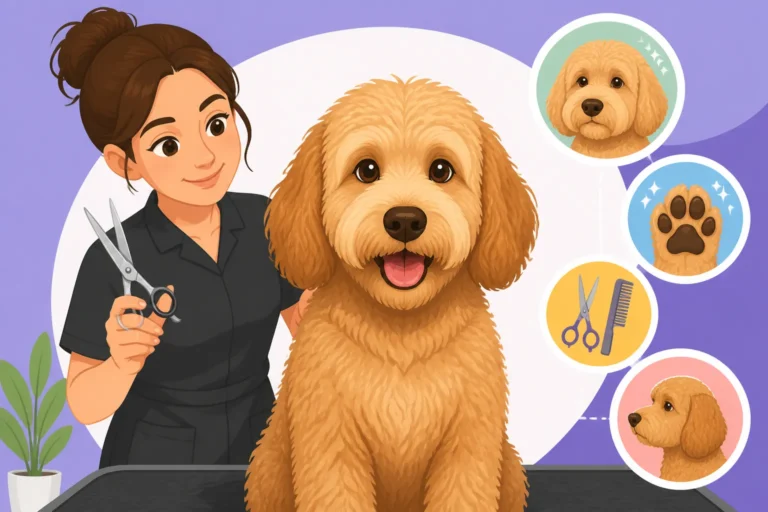
While daily home brushing is crucial, it’s usually not enough on its own. Labradoodles require professional grooming on a consistent schedule, typically every six to eight weeks. This schedule, often referred to as The Six to Eight Week Clock on a Labradoodle's Coat, allows professional groomers to thoroughly bathe, dry, and clip the coat to a manageable length, preventing mats and keeping the skin healthy.
A professional groomer has the expertise, tools (like powerful force dryers and sharp clippers), and specialized shampoos and conditioners to tackle a Labradoodle's unique coat effectively. They can spot potential skin issues, clear out ear hair, and keep nails trimmed. Trying to extend the time between professional grooms often results in severe matting, forcing the groomer to shave the dog down, which can be upsetting for owners and uncomfortable for the dog. Regular visits ensure the coat stays healthy, your dog remains comfortable, and you avoid costly dematting fees or medical bills for skin problems.
Tools of the Trade
Having the right grooming tools at home is just as important as the professional visits. You don't need a huge arsenal, but a few key items will make your life significantly easier:
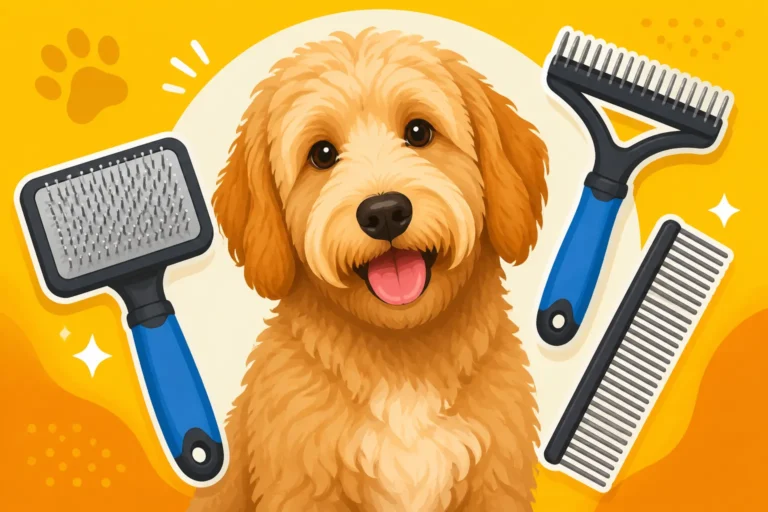
- Slicker Brush: This is your primary tool for daily brushing. Look for one with fine, angled pins that can penetrate the dense coat without scratching the skin. Brands available on Amazon or Chewy offer a wide range.
- Metal Comb: An essential companion to the slicker brush. Use it to check for mats after brushing and to work through smaller tangles. A good quality comb will have both wide and narrow teeth.
- Detangling Spray: As mentioned earlier, a leave-in detangling spray can dramatically reduce friction during brushing and help prevent new tangles from forming.
- Force Dryer: While an investment, it pays for itself in avoided vet and grooming bills, not to mention your dog's comfort.
Remember, grooming isn't a "one and done" task; it's an ongoing commitment that ensures your Labradoodle lives a happy, comfortable, and mat-free life.
| Feature | Air Drying for Labradoodles | Force Drying for Labradoodles |
|---|---|---|
| Matting Risk | Extremely High (especially for fleece/wool coats), as hair clumps and felts as it dries. | Very Low, as powerful air separates strands, preventing tangles from forming and allowing loose hair to be blown out. |
| Drying Time | Very Long (hours), with deep layers potentially remaining damp, increasing risk of skin issues. | Significantly Shorter (minutes to an hour), efficiently removing water from all layers of the coat. |
| Skin Health | Poor. Prolonged dampness creates a breeding ground for bacteria and yeast, leading to hot spots, infections, and irritation. | Excellent. Thorough drying prevents moisture buildup, promoting healthy skin and reducing the risk of infections. |
| Coat Health | Leads to dull, matted, and potentially damaged hair that requires shaving. | Leaves coat fluffy, soft, and healthy, maintaining its natural texture and integrity. |
| Effort Required | Low initial effort, but high subsequent effort for dematting, which can be painful and time-consuming for both dog and owner. | High initial effort with active brushing and drying, but prevents painful and difficult mat removal later, saving time and discomfort. |
| Tools Needed | Minimal (towels), but results in needing professional dematting tools or shaving. | Force dryer, slicker brush, metal comb, detangling spray. |
Disclaimer
This article is for general informational purposes only and does not constitute professional advice. Laws, prices and regulations vary by location and change over time. Consult a qualified professional for guidance on your specific situation.