The Hair Coat Labradoodle That Sheds
One of the biggest draws of the Labradoodle, for many families, is the promise of a low-shedding, allergy-friendly dog. It’s a lovely thought, and often true for those with fleece or wool-coated doodles. But the truth is, not all Labradoodles are created equal when it comes to their fur, and many loving owners find themselves surprised by just how much hair their "doodle" actually sheds. If you're living with a Labradoodle that leaves a trail of fur wherever they go, this guide will help you understand why, how to manage it, and what it truly means to have a hair-coated Labradoodle.
Understanding the Labradoodle's Hair Coat
The Labradoodle, being a hybrid, doesn't always inherit a uniform coat. While many are bred for the characteristic wavy fleece or curly wool coat, some puppies will inherit a "hair coat" that looks and behaves much more like a Labrador's coat. This often comes as a surprise, and sometimes a disappointment, to owners who were expecting something entirely different. It's not a fault in your dog, but rather a quirk of genetics that makes each Labradoodle unique.
The Poodle and Labrador Influence
To understand the hair coat, we need to look at the two parent breeds: the Labrador Retriever and the Poodle. Labradors typically have a dense, double coat that sheds quite a bit, especially seasonally. Poodles, on the other hand, have a single, curly coat that grows continuously and sheds minimally, with loose hairs getting caught in the curls rather than falling out. The Labradoodle is a mix of these two, and a puppy gets a random assortment of genes from each parent.
When a Labradoodle inherits more of the Labrador's coat-type genes, or specifically the "improper coat" gene from one or both parents, they can end up with a hair coat. This coat often feels coarser, can be straighter or slightly wavy, and crucially, it behaves like a shedding coat. It doesn't have the same texture or growth pattern as the Poodle's coat, meaning those loose hairs won't be trapped and will instead fall out around your home. It’s a roll of the genetic dice, especially in earlier generations like F1 (first-generation) crosses, where predicting the outcome can be tricky.
Distinguishing Hair from Fleece and Wool
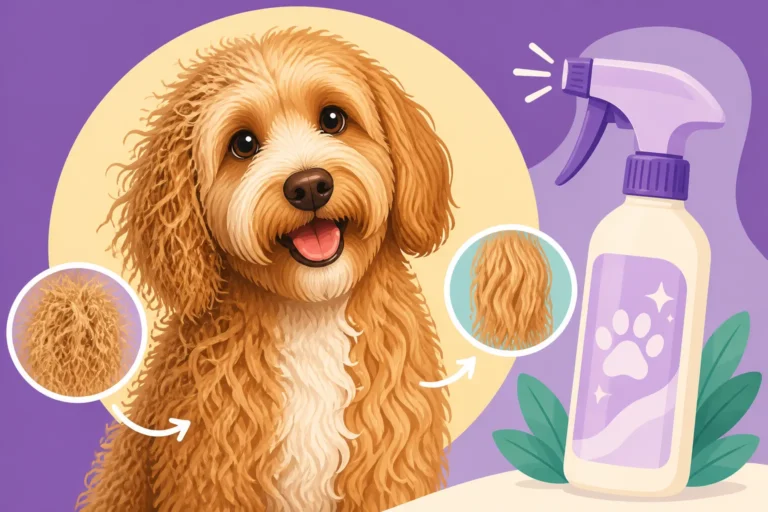
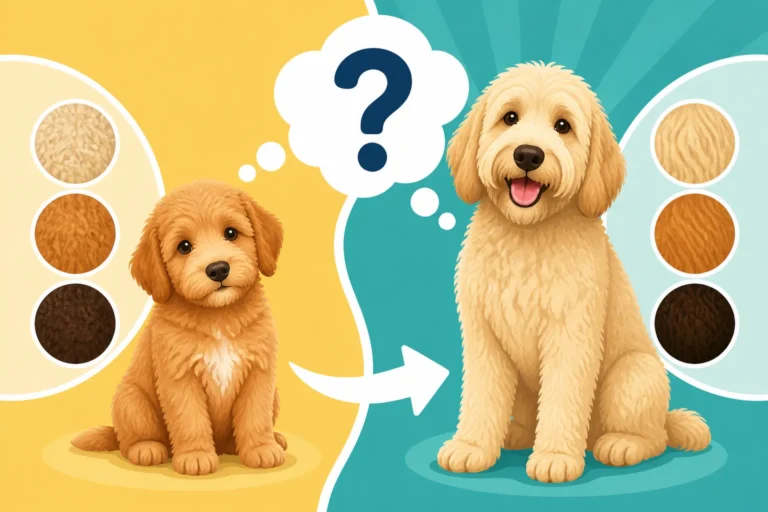
Visually, distinguishing a hair coat from a fleece or wool coat can be quite straightforward, once you know what to look for. A fleece coat is generally soft, wavy, and has a silky or slightly cottony feel. It can range from loose waves to more defined curls but typically has a consistent, uniform texture. The wool coat is denser and curlier, feeling more like a Poodle's coat, often with a springy, spiral texture. It's usually the thickest and most dense of the three.
The hair coat, in contrast, tends to be straighter or have only a very slight wave. It often feels coarser to the touch, similar to a Labrador's coat. It lacks the soft, flowing texture of fleece or the tight springiness of wool. You might notice areas where the hair is visibly shorter or lays flatter, particularly on the face, ears, and legs, rather than having the characteristic "furnishings" (beard, eyebrows, longer hair on the muzzle) that many Labradoodles are famous for. It's the most "dog-like" in appearance, resembling a typical shedding breed rather than the fluffy, teddy bear look many associate with doodles.
The 'Improper Coat' Gene (IC Locus)
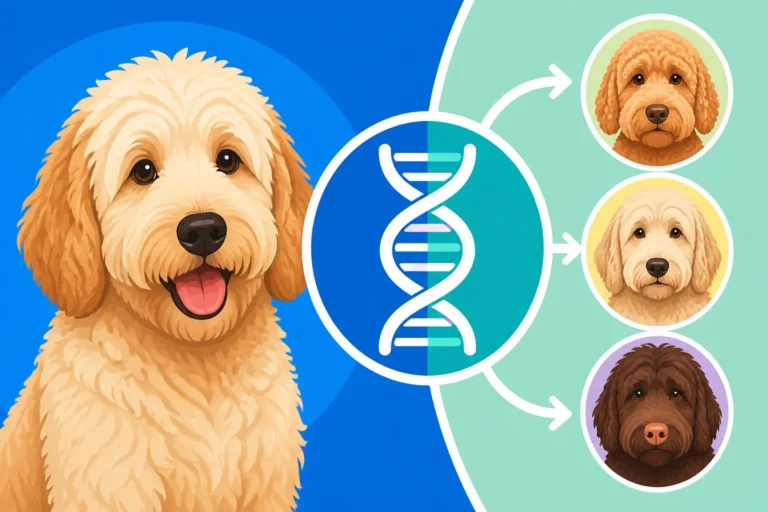
The "improper coat" (IC) gene, also known as the furnishings gene (F), is a key player in determining a Labradoodle's coat type. True Labradoodles with the desired non-shedding coats possess two copies of the dominant "F" allele for furnishings. This gene is responsible for the longer facial hair, eyebrows, and mustache that give doodles their distinctive look and contribute to their lower shedding properties. A hair-coated Labradoodle, however, often inherits at least one copy of the recessive "IC" or "f" allele.
If a Labradoodle inherits two copies of the "IC" or "f" gene (ff genotype), they will have an "improper coat" – essentially a hair coat without furnishings. This means they will shed much like a Labrador. Even if a dog has one dominant F allele (Ff genotype), they will have furnishings but can still be a carrier of the improper coat gene. Breeders use DNA testing, like The Furnishings Gene Behind a Labradoodle's Beard, to identify these genetic markers and make informed breeding decisions to increase the likelihood of desired coat types. However, accidents happen, or sometimes breeders might not have tested thoroughly enough, resulting in puppies with these unexpected hair coats. This genetic nuance is why it's so important to understand the science behind your doodle's fur.
Why a Hair Coat Labradoodle Sheds
The shedding reality of a hair-coated Labradoodle can be quite a shock, especially if you were picturing a dog that barely sheds a strand. It's a fundamental difference in how their hair grows and replaces itself, dictated by the genes they've inherited. This isn't just about a few loose hairs; it can mean noticeable shedding, leaving traces of fur on your clothes, furniture, and floors.
Shedding Cycles and Hair Structure
All dogs shed to some extent, but the amount and type of shedding vary wildly. Dogs with hair coats, like their Labrador ancestors, typically have a double coat consisting of a soft, insulating undercoat and a tougher, water-resistant outer coat. This undercoat is what's largely responsible for the seasonal "coat blow" when temperatures change, allowing them to adapt to different climates. The individual hairs also have a relatively short growth cycle before they die and fall out, making way for new growth.
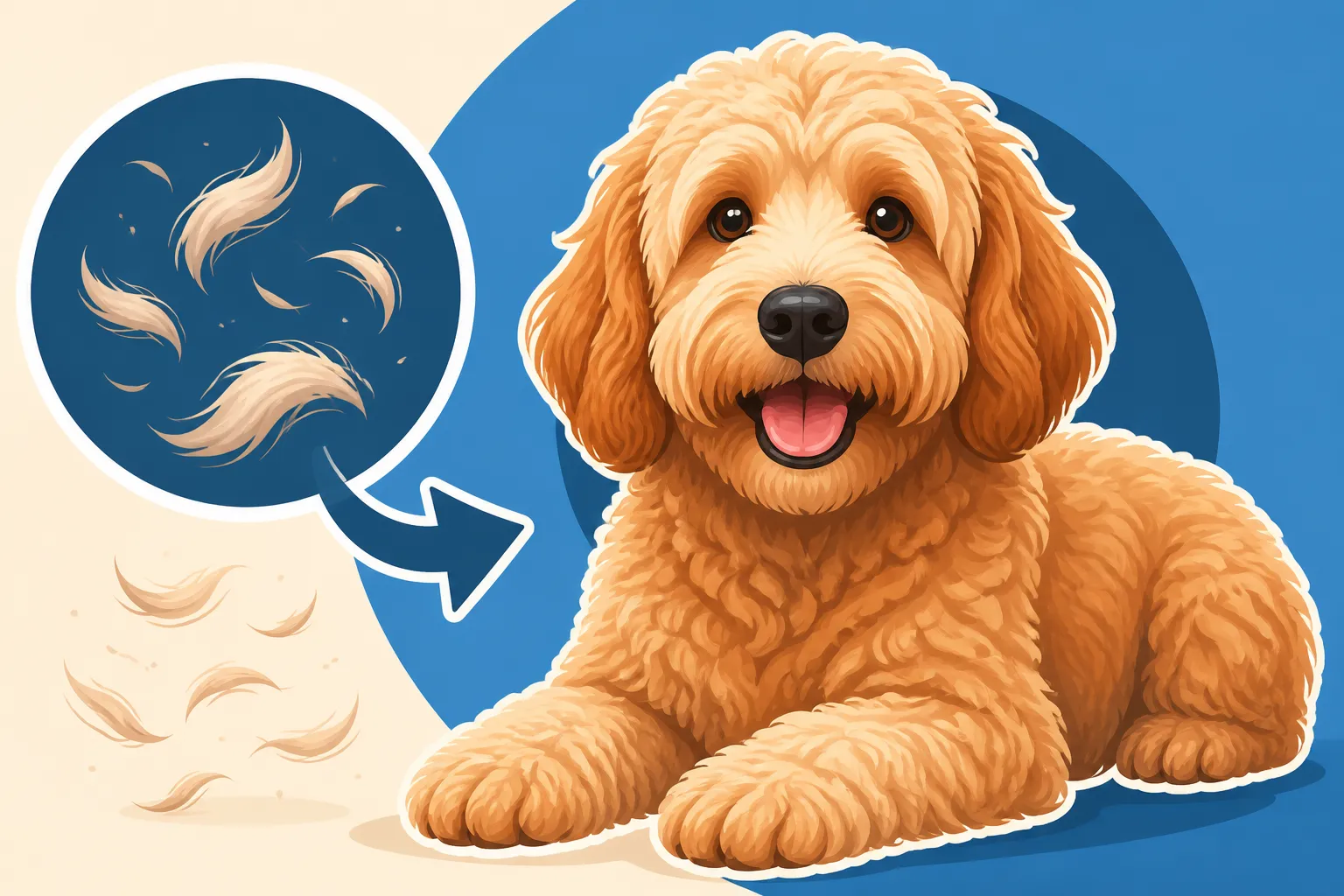
When a Labradoodle has a hair coat, its individual hair follicles behave more like those of a Labrador. The hairs grow to a certain length, cease growing, and then are shed. They don't have the continuous growth cycle of a Poodle's hair, nor do they possess the intricate curls that effectively trap shed hair, preventing it from disseminating throughout your home. This means that dead hairs will simply fall out, scattering across surfaces. You'll see strands on your clothes, stuck to furniture, and accumulating in corners, forming those familiar "dust bunnies" of dog fur.
Comparing Shedding to Parent Breeds
If you have a hair-coated Labradoodle, you might find their shedding comparable to, or even exceeding, that of a purebred Labrador. Labradors are known for being moderate to heavy seasonal shedders. They "blow their coat" twice a year, typically in spring and fall, during which the amount of hair they shed can be quite substantial. Even outside of these periods, a Labrador will have a consistent level of daily shedding.
Your hair-coated Labradoodle will likely follow a similar pattern. You'll observe increased shedding during seasonal changes as they prepare for warmer or cooler weather. On a daily basis, you'll still find loose hairs, which can be a continuous battle for cleanliness. This is a stark contrast to a Poodle, or a well-bred fleece or wool-coated Labradoodle, where shedding is minimal, and most loose hair is retained within the coat itself, only coming out during brushing or professional grooming. This difference is why the hair coat can be such a surprise to unsuspecting owners who bought into the non-shedding myth.
Why the Hypoallergenic Claim Doesn't Apply
One of the biggest misconceptions about Labradoodles is that they are all universally "hypoallergenic." This claim stems from the Poodle's non-shedding coat, which produces less dander (microscopic flakes of skin) and releases fewer allergens into the environment. However, for a hair-coated Labradoodle, the "hypoallergenic" label simply doesn't hold true.
Shedding hair carries dander, saliva, and urine proteins, which are the primary triggers for dog allergies in humans. When a hair-coated Labradoodle sheds frequently, it disperses these allergens liberally throughout the home. This means that individuals with dog allergies, who might typically react less to a Poodle or a properly coated doodle, will very likely experience allergic symptoms around a hair-coated Labradoodle. It's not the hair itself that causes the allergy, but what's attached to it. So, if you or a family member chose a Labradoodle specifically for allergy reasons and ended up with a hair coat, the frustration is very real, and unfortunately, the dog may not provide the low-allergen environment you hoped for. Whether Dander or Hair Sets Off Allergies Around a Labradoodle is a critical question for allergic families.
Practical Strategies for Managing Shedding
Dealing with shedding, especially when you didn't anticipate it, can feel like an endless chore. However, with consistent effort and the right tools, you can significantly reduce the amount of loose hair floating around your home and keep your hair-coated Labradoodle's coat healthier. It requires a dedicated routine, but it's entirely manageable.
Routine Brushing Techniques
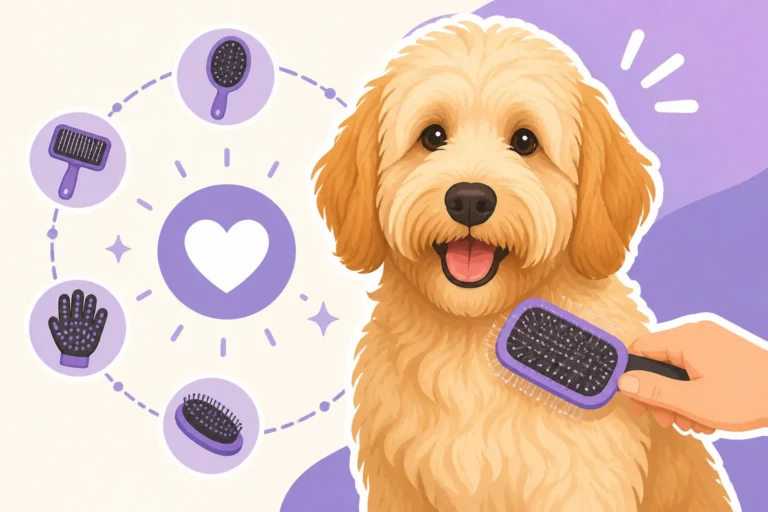
Brushing is your first and most powerful line of defense against shedding. For a hair-coated Labradoodle, regular brushing isn't just a recommendation; it's a necessity. Aim for at least 3-4 times a week, and daily during periods of heavy seasonal shedding. The goal is to remove as much loose hair as possible before it falls out onto your furniture and floors.
You'll want to invest in the right tools. A slicker brush can be effective for removing loose surface hair, but for really getting into the undercoat, a good undercoat rake or de-shedding tool is invaluable. Brands like Furminator are popular for this purpose, designed to reach beneath the topcoat and gently pull out shedding undercoat without damaging the healthy outer hair. Make sure you brush in sections, working your way through the entire coat, ensuring you reach the skin. This stimulates circulation, distributes natural oils, and most importantly, collects all that loose hair in one place – on the brush, not your couch. You might even find great deals on these kinds of tools on Amazon or Chewy.
Bathing and Drying Strategies
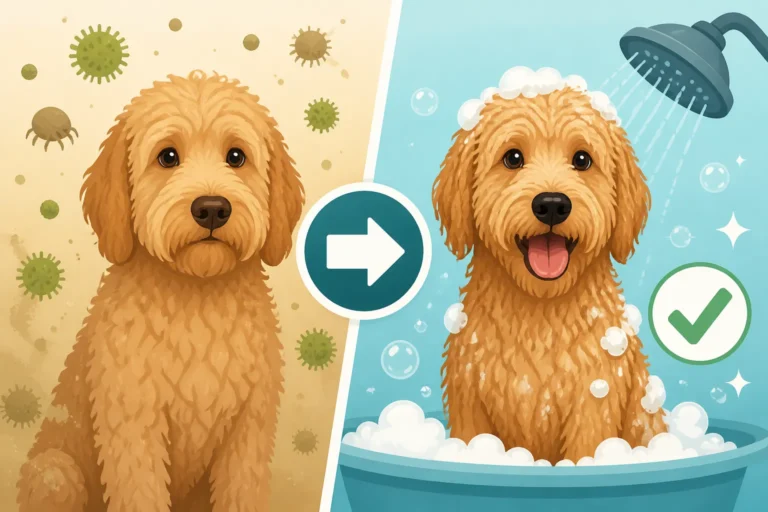
Bathing plays a crucial role in managing shedding, as it can help loosen and remove dead hair. For a hair-coated Labradoodle, a bath every 4-6 weeks, or even more frequently during heavy shedding seasons, can make a big difference. Use a de-shedding shampoo and conditioner, which are formulated with ingredients that help release dead undercoat. Let the conditioner sit for a few minutes to really penetrate and loosen the hair.
The drying process is just as important as the washing. After rinsing thoroughly, use a high-velocity force dryer if you have access to one (many professional groomers use these, and smaller versions are available for home use). This not only dries the coat quickly but also blasts out a significant amount of loose hair that the bath loosened. If you're air-drying, be sure to continue brushing vigorously as the coat dries to help extract more shedding fur. Remember to dry their ears thoroughly as well, especially since Drying a Labradoodle's Ears Properly is vital to prevent infections.
Dietary Considerations and Supplements
What goes into your Labradoodle's body can significantly impact the health of their coat and, by extension, the amount of shedding. A healthy coat is less prone to excessive shedding. Ensure your Labradoodle is on a high-quality dog food with good protein sources and essential fatty acids. Look for foods that list meat as the first ingredient and avoid excessive fillers.
Omega-3 and Omega-6 fatty acids are particularly beneficial for skin and coat health. These can often be found in fish oil supplements (like salmon oil) or certain dog foods. You can often find a wide variety of these supplements at pet supply stores or on sites like Chewy. Some owners also report success with fresh food diets, like those offered by services such as Ollie, as they often contain higher quality, more bioavailable nutrients that can support coat health from the inside out. Always consult your vet before adding any new supplements to your dog's diet, especially if they have any existing health conditions, to ensure it's appropriate for their individual needs.
Living Comfortably with a Shedding Labradoodle
Embracing the reality of a shedding Labradoodle means making a few adjustments to your routine and home environment. It's not about eradicating shedding entirely, which is impossible for a hair coat, but rather minimizing its impact on your daily life and maintaining a clean, comfortable home for both you and your furry companion.
Home Cleaning and Maintenance
When you have a shedding dog, routine cleaning becomes even more important. Invest in a good quality vacuum cleaner that's specifically designed to pick up pet hair. Many brands offer models with specialized attachments and powerful suction for pet owners. Vacuuming carpets, rugs, and upholstery several times a week, or even daily in high-traffic areas, will be necessary. Robotic vacuums can be a game-changer for maintaining cleanliness in between deeper cleans.
Hard floors also collect hair, so sweeping or using a dry mop with electrostatic cloths frequently will help. Don't forget to regularly wipe down surfaces, as hair and dander can settle everywhere. Keeping air filters clean and considering an air purifier can also help reduce airborne allergens and dander. It's a continuous effort, but establishing a consistent cleaning schedule can prevent hair from building up to overwhelming levels.
Clothing and Furniture Care
Dog hair has a magical way of adhering to everything, especially clothing and furniture. For furniture, consider washable slipcovers or throws that you can easily remove and launder. Fabric choice can also make a difference; smooth leathers or tightly woven fabrics tend to attract and hold less hair than loose weaves or velvets. If your Labradoodle is allowed on furniture, having a dedicated "doodle blanket" for them can help contain the fur.
For your clothes, lint rollers will become your best friend. Keep them strategically placed near doors, in your car, and by your wardrobe. When doing laundry, try adding a cup of white vinegar to the wash cycle (along with your detergent) to help loosen hair from fabrics. Running items through a dryer for 10-15 minutes on a no-heat or air-fluff setting before washing can also help remove a lot of loose hair that would otherwise stick to the wet fabric. It might sound like a lot, but these small habits can save you a lot of frustration.
Adjusting Expectations
Perhaps the most important aspect of living with a hair-coated Labradoodle that sheds is adjusting your expectations. If you started with the belief that Labradoodles don't shed, confronting the reality of tumbleweeds of fur can be disheartening. It's crucial to understand that your dog's coat type is a genetic lottery, not a reflection of their quality as a companion. They are still the same loving, joyful Labradoodle you brought home.
Instead of fighting against their natural shedding, learn to work with it. Accept that some amount of hair will always be present, and focus on the practical management strategies we've discussed. This shift in mindset can reduce stress and allow you to appreciate your dog for their wonderful personality, intelligence, and companionship, rather than being constantly bothered by their shedding coat. Remember, many wonderful breeds shed, and countless families live happily with them, embracing the furry reality.
Identifying Your Labradoodle's Coat Type Early On
While you might already know your Labradoodle is a shedder, for those looking to adopt, or even for breeders, understanding how to identify a hair coat early can prevent future surprises. It’s not always obvious in a tiny puppy, but there are tell-tale signs and tests that can provide clarity.
Visual Cues in Puppies and Adults
Identifying a hair coat in a young puppy can be challenging, as their puppy coat is typically softer and less developed. However, some early indicators might include a noticeably straighter coat texture compared to littermates, or a lack of the prominent "furnishings" (the longer hair around the muzzle, eyebrows, and beard) that are characteristic of the non-shedding Poodle coat. A puppy with a hair coat might have a smoother face and a coat that feels more akin to a Labrador puppy's.
As your Labradoodle matures, usually around 4-6 months, their adult coat starts to come in, and the distinctions become much clearer. An adult hair-coated Labradoodle will have a coat that is often straight or only slightly wavy, feeling coarse, and notably lacking the dense, continuous growth of a fleece or wool coat. Their face will remain smooth with short hair, without the beard and bushy eyebrows. If you're seeing strands of hair on your clothes and floors regularly, it’s a strong indicator. For comparison, it’s helpful to research what a The Fleece Coat and Why Breeders Aim For It looks and feels like.
The Role of DNA Testing
For definitive answers about a Labradoodle's coat type, especially concerning shedding and furnishings, DNA testing is the most accurate method. Breeders often use DNA panels to test for specific genes that influence coat texture, length, and the presence of furnishings. What a Coat DNA Panel Costs on a Labradoodle is a worthwhile investment for breeders aiming for specific coat types, and for owners who want to understand their dog's genetic makeup.
These tests analyze markers like the KRT71 gene for curl, the FGF5 gene for coat length, and crucially, the RSPO2 gene for furnishings (the 'improper coat' or IC locus we discussed earlier). A dog testing as "F/F" or "Cu/Cu" for these traits is much more likely to have a non-shedding, furnished coat. A dog testing as "IC/IC" or "f/f" will have a hair coat and shed. Understanding these genetic results can give breeders the tools to make more informed pairing decisions and help prospective owners choose a puppy with a higher probability of the desired coat type. This is also why Whether a Labradoodle's Coat Type Can Be DNA Tested is so important for those with allergies.
Breeder Transparency and Genetics
When seeking a Labradoodle, particularly if coat type and shedding are important factors, the transparency of the breeder is paramount. A reputable breeder will understand the genetics of coat types and ideally test their breeding dogs to ensure they are not producing puppies with improper coats, unless specifically aiming for a certain look or working with early generations. They should be able to provide you with documentation of their breeding dogs' DNA test results for coat characteristics.
Don't be afraid to ask detailed questions about the parent dogs' coat types, their shedding habits, and if any puppies from previous litters have developed hair coats. A good breeder will be upfront about the potential for variation, especially in F1 (first generation) Labradoodles, where the genetic outcome is less predictable. They might even be able to show you past puppies or adult dogs from similar pairings to give you a realistic idea of what to expect. While nothing is 100% guaranteed, thorough genetic testing and honest communication from a breeder significantly increase your chances of getting the coat type you desire.
The Impact of a Hair Coat on Allergies
The link between a dog's coat and human allergies is often misunderstood, leading to disappointment for families who specifically choose a "hypoallergenic" breed like the Labradoodle. For those with a hair-coated Labradoodle, it's particularly important to grasp this distinction.
Understanding Allergen Triggers
Dog allergies aren't typically caused by the hair itself, but rather by proteins found in a dog's dander (dead skin flakes), saliva, and urine. These allergens cling to shed hair, which then becomes airborne and settles on surfaces throughout your home. Poodles and properly bred Labradoodles are considered "low-allergen" because their coats shed minimally, trapping dead hair and dander within their curls rather than releasing it into the environment.
A hair-coated Labradoodle, shedding much like a Labrador, does the opposite. Their loose hairs carry a higher concentration of these allergenic proteins, dispersing them widely. This means that an individual with a dog allergy will likely react to a hair-coated Labradoodle. Symptoms can range from sneezing, runny nose, and itchy eyes to skin rashes and asthma attacks. It’s a significant difference from the experience of owning a non-shedding doodle and can unfortunately make living with such a dog quite challenging for allergic family members.
Minimizing Allergen Spread
While you can't stop a hair-coated Labradoodle from producing allergens, you can take steps to minimize their spread and reduce allergic reactions. Regular and thorough grooming is critical. As mentioned, frequent brushing and bathing with de-shedding shampoos can remove a significant amount of loose hair and dander from your dog. This means fewer allergens released into your home.
Beyond grooming, creating "allergy-free zones" in your home can help. For instance, designate the allergic person's bedroom as a dog-free area. Use high-efficiency particulate air (HEPA) filters in your vacuum cleaner and air purifiers throughout the house, especially in common areas. Wash bedding, dog beds, and soft furnishings frequently in hot water. While these measures won't eliminate allergens entirely, they can significantly reduce the concentration and make living with a hair-coated, shedding Labradoodle more manageable for those with sensitivities. Remember to be realistic about Whether an Allergic Family Should Meet a Labradoodle First if this is a primary concern.
Table: Labradoodle Coat Type Comparison
Here's a quick overview to help differentiate between the various Labradoodle coat types, focusing on the hair coat and its shedding characteristics.
| Feature | Hair Coat Labradoodle (Improper Coat) | Fleece Coat Labradoodle | Wool Coat Labradoodle |
|---|---|---|---|
| Appearance | Straight to slightly wavy, smooth face | Wavy, often flowing, "teddy bear" look | Tight, dense curls, very Poodle-like |
| Texture | Coarse, feels like a Labrador's coat | Soft, silky, cottony | Dense, springy, like sheep's wool |
| Shedding Level | Moderate to High (sheds like a Labrador) | Low (minimal loose hair, trapped in coat) | Very Low (almost non-shedding, trapped in coat) |
| Allergy Friendliness | Not allergy-friendly | Generally allergy-friendly (less dander dispersal) | Most allergy-friendly (least dander dispersal) |
| Grooming Needs | Regular brushing to remove shed hair, occasional trims | Regular brushing to prevent mats, professional grooming every 6-8 weeks | Frequent brushing to prevent mats, professional grooming every 6-8 weeks |
| Genetic Basis | Carries two copies of the "improper coat" (IC) gene | Carries two copies of the "furnishings" (F) gene | Carries two copies of the "furnishings" (F) gene |
Disclaimer
This article is for general informational purposes only and does not constitute professional advice. Laws, prices and regulations vary by location and change over time. Consult a qualified professional for guidance on your specific situation.