Whether Bathing Reduces Allergens on a Labradoodle
It’s a heart-sinking moment when you’ve brought home your adorable Labradoodle, perhaps specifically because you heard they were "hypoallergenic," only to find your allergies still flaring up. You might be wondering if there’s anything you can do, and bathing often comes to mind as a potential solution. This guide will dive deep into whether regular bathing can truly reduce allergens on your Labradoodle and provide practical, empathetic advice to help you manage allergy symptoms in your home.
Understanding Labradoodle Allergens
When we talk about pet allergies, it’s a common misconception that it’s simply the hair that causes the sniffles, sneezes, and itchy eyes. The reality is a bit more complex, and understanding the true culprits is the first step toward managing your symptoms effectively.
The Real Culprits: Dander and Saliva
The truth is, it's not the hair itself that's the primary allergen. Instead, allergic reactions are usually triggered by proteins found in a dog's dander (tiny flakes of dead skin), saliva, and urine. These microscopic particles cling to your Labradoodle's fur, shed onto furniture, carpets, and air, and become airborne easily. When your dog licks their coat, the allergenic proteins in their saliva transfer to the fur, and as the saliva dries, those proteins flake off with dander and hair. Even if a dog doesn't shed much hair, they are still producing dander and saliva, which means they are still producing allergens. This is a crucial point that many first-time Labradoodle owners grapple with when their hopes for an "allergy-friendly" pet don't quite align with their lived experience.
Why "Hypoallergenic" Isn't a Guarantee
The term "hypoallergenic" when applied to dogs, particularly breeds like the Labradoodle, can be incredibly misleading and often sets owners up for disappointment. It implies "no allergens," but what it really means is "less allergenic." Reputable breeders will often explain that there is no truly hypoallergenic dog, but rather dogs that tend to produce fewer allergens or shed less dander into the environment. Because Labradoodles are a cross between a Labrador Retriever and a Poodle, they inherit a mix of traits. While Poodles are known for their non-shedding coats that trap dander, Labradors are heavy shedders. This genetic lottery means that even within one litter, puppies can have wildly different coat types and shedding levels, directly impacting how many allergens they release into your home. This can be a huge source of frustration, especially if you were promised a completely allergy-free experience. For a deeper dive, check out Whether a Labradoodle Is Truly Hypoallergenic.
Labradoodle Coat Types and Allergen Retention
The Labradoodle's coat is a fascinating thing, largely determining how much allergen it might hold onto and release into your environment. You'll typically encounter three main coat types: hair, fleece, and wool. Each has unique characteristics that affect allergen dispersion.
- Hair Coat: This coat often looks and feels most like a Labrador's, shedding quite a bit. Dogs with a hair coat will release more dander and shed hair into your home, making them generally less suitable for allergy sufferers.
- Fleece Coat: This is the coat type most breeders aim for, feeling soft and wavy or curly, much like an Angora goat. It's often considered the "ideal" Labradoodle coat because it sheds minimally and tends to trap dander within its curls, preventing it from becoming airborne. However, "minimal" shedding isn't "no" shedding, and regular grooming is still essential. You can learn more about this popular coat type in The Fleece Coat and Why Breeders Aim For It.
- Wool Coat: Similar to a Poodle's coat, this is dense and curly, feeling like lamb's wool. It is typically non-shedding and excels at trapping dander, making it the most allergy-friendly of the three. However, it also requires the most intensive grooming to prevent matting.
Regardless of the coat type, all Labradoodles produce dander and saliva. The difference lies in how effectively their coat contains these allergens. A coat that sheds less or traps dander better will naturally release fewer allergens into your living space.
Here’s a quick overview of how coat types relate to allergen management:
| Coat Type | Shedding Level | Dander Release (General) | Grooming Needs (Allergy-focused) |
|---|---|---|---|
| Hair Coat | High | High | Regular brushing to remove shed hair and dander, frequent bathing. |
| Fleece Coat | Low to Moderate | Low to Moderate | Consistent brushing to prevent mats, regular bathing. |
| Wool Coat | Very Low | Very Low | Daily brushing to prevent matting, regular bathing. |
How Bathing Intervenes
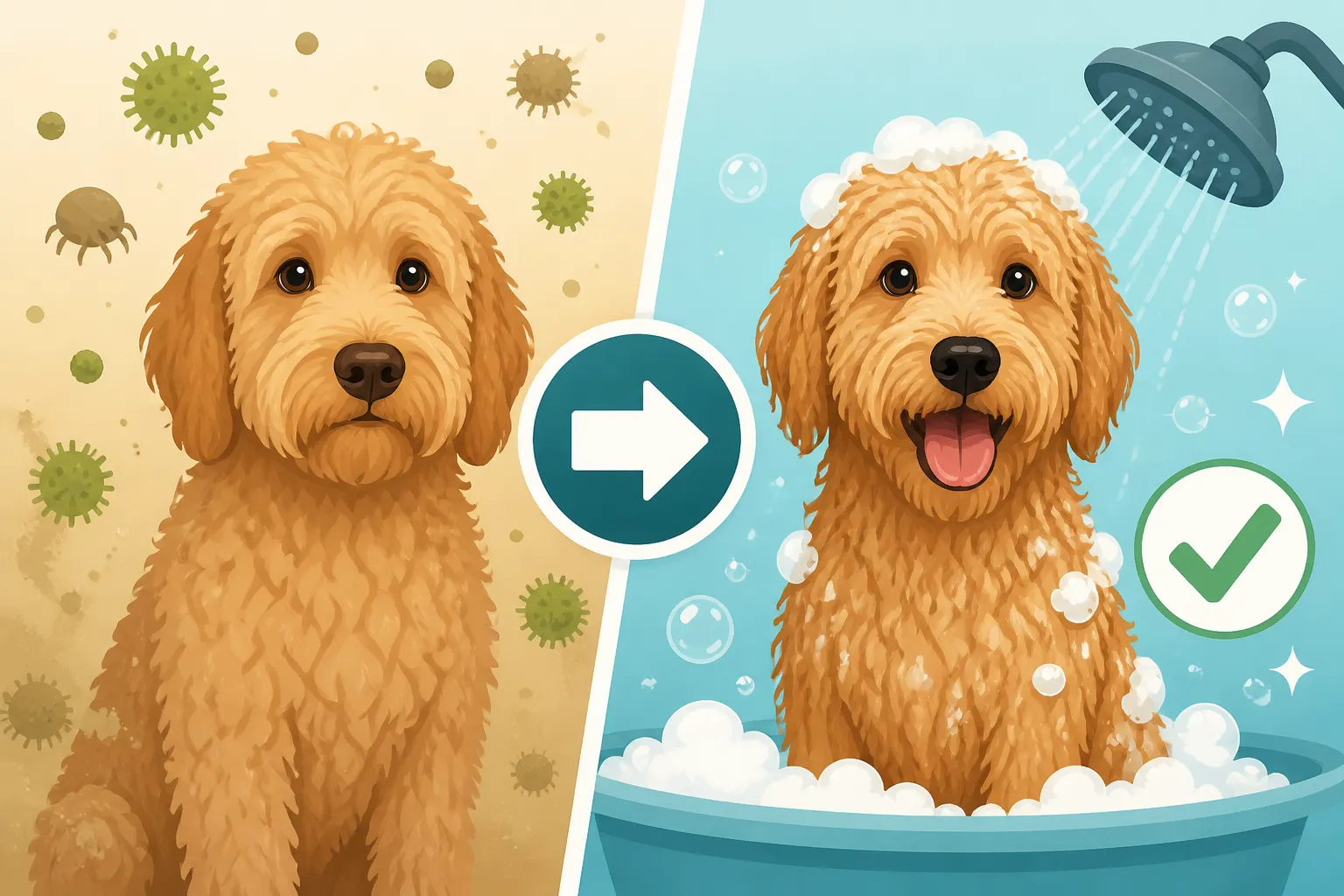
Given that dander and dried saliva are the main culprits, it makes intuitive sense that a good bath could help. And you’re right, it absolutely can! Bathing is one of the most direct and effective ways to physically remove accumulated allergens from your Labradoodle's coat.
The Immediate Impact of a Good Wash
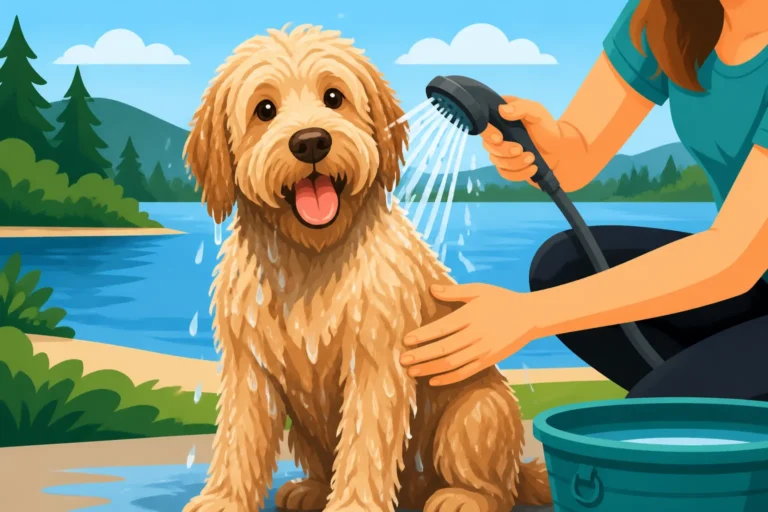
Think of a bath as hitting the "reset" button for your dog's allergen load. When you shampoo and rinse your Labradoodle, you're literally washing away the dander, dead skin cells, and dried saliva that cling to their fur. This can lead to an immediate and noticeable reduction in airborne allergens in your home, at least for a period of time. For individuals with mild to moderate dog allergies, this can provide significant relief. It’s not a permanent fix, as your dog will continue to produce dander and saliva, but it certainly offers a fresh start. Many owners who suffer from allergies report feeling much better in the days following a thorough wash. It's a proactive step that gives you some control over the microscopic particles circulating in your home.
Choosing the Right Products for Your Labradoodle
The type of shampoo and conditioner you use can make a real difference, not just for your Labradoodle's coat health, but for allergen management too. You want products that are gentle, moisturizing, and specifically formulated for dogs. Harsh shampoos can strip natural oils from your dog's skin, leading to dryness, irritation, and ironically, more dander production. Look for shampoos with ingredients like oatmeal, aloe vera, or tea tree oil (in safe dog concentrations) which can soothe skin. Hypoallergenic shampoos designed to reduce shedding or dander are also a good choice. Follow up with a good conditioner to keep the skin hydrated and the coat healthy, which can also help reduce dander. You can find excellent options on online retailers like Chewy or Amazon, or at your local pet supply store. For more specific recommendations, our guide on Shampoos That Suit a Labradoodle's Coat can be a great resource.
The Importance of Thorough Drying
This step is absolutely critical and often overlooked! After a bath, your Labradoodle's coat, especially fleece or wool types, will hold a lot of moisture. If you don't dry them thoroughly, you create a perfect breeding ground for yeast and bacteria, which can lead to skin irritation, hot spots, and unpleasant odors. More importantly, leaving the coat damp can cause matting, which further traps dander and makes it harder to manage allergens in the future.
You need to dry your Labradoodle right down to the skin, not just the surface. A powerful force dryer designed for dogs is an invaluable tool here. It helps to blast out loose hair and dander while efficiently drying the coat. If a force dryer isn't an option, use high-absorbency towels and follow up with a regular hairdryer on a cool or low-heat setting, making sure to comb through the coat as you dry. Never let your Labradoodle air dry, especially if they have a curly or dense coat. This entire process can be quite time-consuming, but it’s an essential part of effective allergen reduction and coat maintenance. Our article Drying a Labradoodle to the Skin After a Bath offers more detailed instructions.
Establishing an Effective Bathing Routine
Now that we understand the 'why' and 'how' of bathing for allergen reduction, let's talk about the practicalities of integrating it into your routine. Consistency is key, but so is balance.
Frequency: How Often Is Enough (and Too Much)?
Finding the right bathing frequency for your Labradoodle when allergies are a concern is a bit of a balancing act. Too infrequent, and allergens build up; too often, and you risk drying out their skin. Generally, bathing your Labradoodle every 2-4 weeks is a good starting point for allergy management. Some owners with severe allergies might find a weekly bath helpful, but this requires using extremely gentle, moisturizing shampoos and conditioners to prevent skin irritation.
Listen to your dog's skin and coat. If you notice dryness, flakiness, or itching, you might be bathing too often or using products that are too harsh. If your allergies are still severe between baths, you might need to increase frequency slightly or add other grooming steps. For a standard fleece or wool coat, a bi-weekly bath can be very effective without causing excessive dryness. It truly depends on your individual Labradoodle's skin sensitivity and the severity of your family's allergies. You can explore this more in How Often a Labradoodle Needs a Bath.
Combining Bathing with Other Allergy Management Strategies
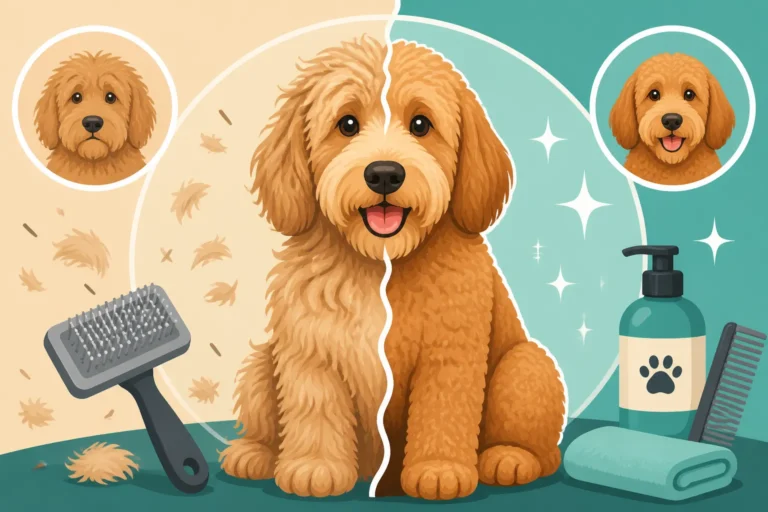
Bathing is a powerful tool, but it's rarely a standalone solution. To create a truly allergy-friendly environment, you'll want to combine it with other strategies. Regular brushing is paramount, even between baths. Line brushing your Labradoodle a few times a week helps to remove loose hair and dander before it has a chance to settle in your home. This is especially true for the fleece and wool coats that are prone to matting. A good slicker brush and metal comb, which you can easily find on Chewy or Amazon, are your best friends here. You can learn the ropes with How Many Times a Week a Labradoodle Needs Brushing and The Line Brushing a Labradoodle Coat Needs.
Beyond grooming, consider air purification systems with HEPA filters, frequent vacuuming with a HEPA-filtered vacuum, and washing dog beds and blankets weekly. Designating "dog-free" zones, like bedrooms, can also provide a sanctuary for allergy sufferers.
Real-World Expectations for Allergy Sufferers
It’s important to set realistic expectations. While regular, thorough bathing can significantly reduce the allergen load on your Labradoodle and in your home, it likely won't eliminate allergies entirely. If someone in your household has severe dog allergies, even with the most diligent bathing and cleaning regimen, they might still experience symptoms. The goal is often to reduce symptoms to a manageable level rather than eradicate them completely. Some people find that their body adjusts over time, especially with consistent exposure and management. Others may continue to have mild, persistent reactions. If allergies remain severe and impact quality of life, consulting with an allergist is always recommended. They can offer further advice, including medications or immunotherapy, to help you live comfortably with your beloved Labradoodle.
Additional Tips for an Allergy-Friendly Home
Managing allergies with a Labradoodle is a lifestyle, not just a grooming chore. It involves creating a comprehensive strategy that extends beyond the bathtub.
Creating a Low-Allergen Living Space
Your home environment plays a huge role in allergy management. Beyond bathing your Labradoodle, think about ways to minimize allergen accumulation throughout your living space. Opt for hard flooring like wood, tile, or laminate over carpets, as carpets are notorious for trapping dander. If you must have carpets, vacuum frequently with a vacuum cleaner equipped with a HEPA filter to capture fine particles. Wash your dog's bedding, blankets, and any removable couch covers weekly in hot water. Consider investing in a high-quality air purifier with a HEPA filter for rooms where your Labradoodle spends a lot of time, particularly bedrooms if they are allowed in there. Regularly wipe down surfaces with a damp cloth to pick up settled dander, rather than just dusting, which can spread allergens into the air. Creating a clear "no-dog" zone, such as the allergy sufferer's bedroom, can also provide a vital allergen-free sanctuary.
Other Grooming Practices That Help
Bathing is just one piece of the grooming puzzle when it comes to allergen reduction. Regular brushing is arguably just as important, if not more so, for ongoing management. Even low-shedding Labradoodles need consistent brushing to prevent mats and remove loose dander. Use a slicker brush and a metal comb to get deep into the coat, ensuring you reach the skin, not just the surface. This helps to lift and remove dead skin cells and loose hair before they can fall off and become airborne. Brushing outside (if practical and weather permits) can help keep those allergens out of your home altogether. The Slicker, Rake and Comb a Labradoodle Takes offers guidance on the right tools. Furthermore, trimming the hair around your Labradoodle's paws and sanitary areas can prevent moisture and debris buildup, contributing to overall skin health and reducing potential for skin irritations that could lead to more dander. Regular ear cleaning is also important, as yeast infections in the ears can be another source of irritation.
When to Seek Professional Advice
If, despite your best efforts with bathing and environmental management, allergies remain a significant problem, or if your Labradoodle develops skin issues, it’s time to call in the professionals. Your veterinarian can rule out any underlying skin conditions in your dog that might be contributing to excessive dander, such as allergies, fungal infections, or nutritional deficiencies. They can also recommend specialized shampoos or dietary supplements to improve skin and coat health. For human allergy sufferers, a consultation with an allergist can be invaluable. They can confirm the specific allergens you're reacting to, suggest medication options, or discuss immunotherapy, which can desensitize you to dog allergens over time. Living with allergies and a beloved Labradoodle is a journey, and sometimes, a little expert guidance can make all the difference in ensuring a comfortable life for everyone in the family.
Disclaimer
This article is for general informational purposes only and does not constitute professional advice. Laws, prices and regulations vary by location and change over time. Consult a qualified professional for guidance on your specific situation.