Whether a Labradoodle Puppy’s Coat Predicts the Adult One
It’s a common scenario: you bring home your adorable Labradoodle puppy, a fluffy ball of joy with soft, manageable fur, and you fall head over heels. You envision years of that same easy-breezy coat, perhaps with a slight wave or curl. But then, as the months roll by, you start to notice changes. The once-simple brush-through becomes a battle against tiny tangles, and you begin to wonder, "Is this the coat I signed up for?" The truth is, a Labradoodle puppy's coat is almost never a true indication of the adult coat it will develop, and understanding this transition is key to managing expectations and keeping your furry friend mat-free. This guide will walk you through what to expect as your Labradoodle's puppy fur gives way to its mature adult coat.
The Great Coat Gamble: Why Puppy Coats Are Rarely the Final Chapter
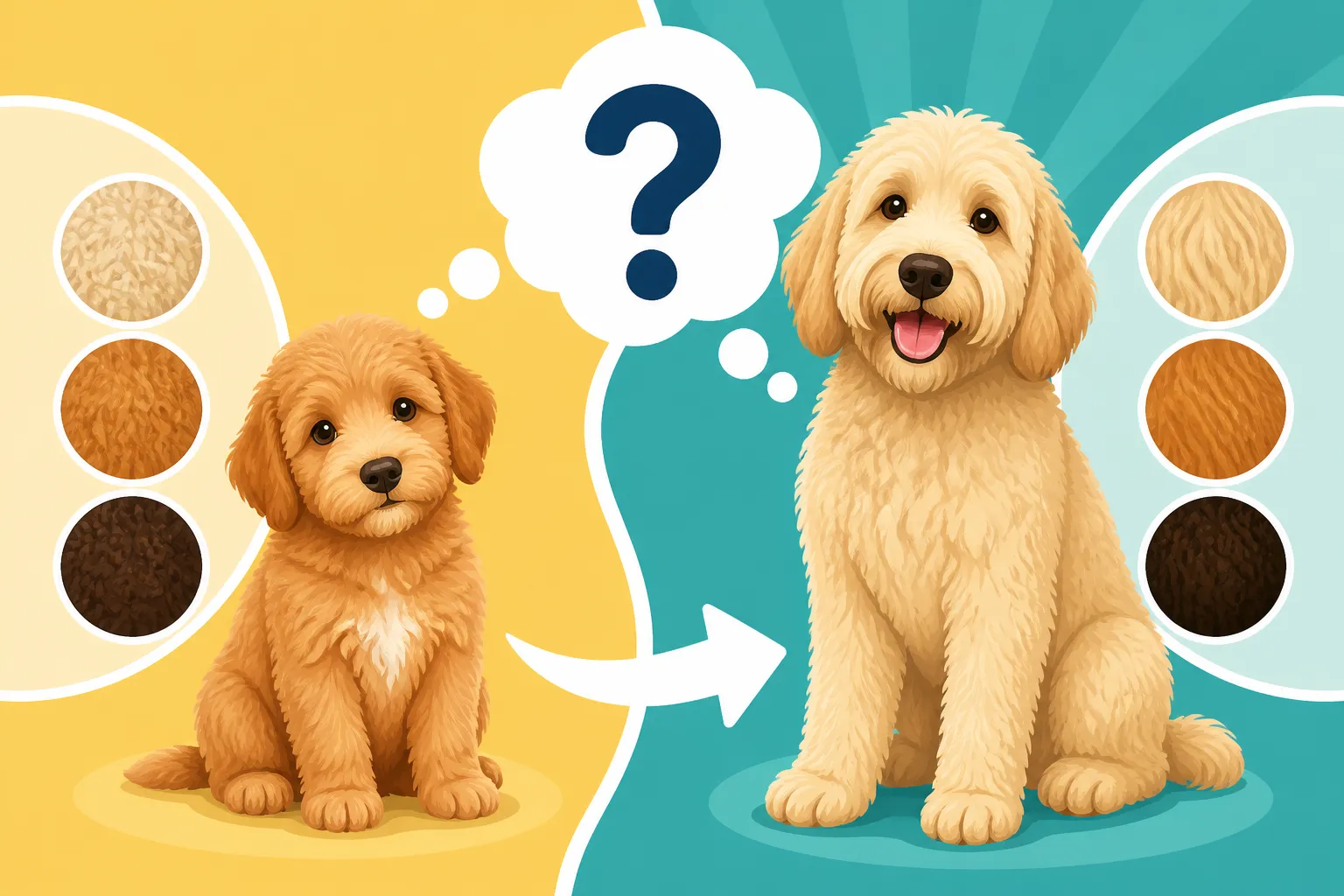
Bringing home a Labradoodle puppy is an exciting time, full of dreams of a low-shed, hypoallergenic companion with a beautiful, wavy coat. Many new owners are completely smitten with their puppy's soft, downy fur, which often requires minimal grooming in the early weeks. This puppy coat feels almost cloud-like, easy to brush, and rarely forms any significant tangles. It lulls us into a false sense of security, making us believe that this effortless grooming routine will last forever. However, this charming fluff is merely a placeholder, a temporary cloak that will eventually be shed to make way for the more robust and often more demanding adult coat.
Understanding the Puppy Fluff vs. Adult Structure
Think of a Labradoodle puppy's coat as a baby's hair – it’s fine, soft, and comparatively thin. It's designed for warmth and simple protection during those early, vulnerable weeks. This isn't the genetically determined adult coat that will exhibit the breed's hallmark texture and shedding characteristics. The adult coat, on the other hand, is denser, often coarser, and has a much more complex structure, whether it ends up being wavy, curly, or even straight. The stark difference between the puppy fluff and the emerging adult fur is precisely why the "coat change" period can be such a challenge for unsuspecting owners. It's like comparing a fluffy kitten to a full-grown cat with its sleek, dense fur – two very different textures and care requirements.
The Labradoodle, being a hybrid of a Labrador Retriever and a Poodle, inherits a genetic lottery when it comes to coat traits. The Labrador side contributes a double coat that sheds, while the Poodle brings a single, non-shedding, curly coat. The blending of these genetics means there's a wide spectrum of possible outcomes for the adult coat. Your puppy might have had a relatively straight, soft coat, leading you to believe it would have an easy-to-manage "hair coat." Only to discover a few months later that it's developing significant waves and starting to mat at an alarming rate. This transformation is entirely normal and expected, but it certainly can be a surprise if you're not prepared.
The Influence of Genetics: What a Breeder Can (and Can't) Promise
While the puppy coat offers few clues, a good breeder can provide much more insight into what your Labradoodle's adult coat might be like, thanks to genetic testing and knowledge of their lines. The most crucial genetic factor for the classic Labradoodle look is the "furnishings" gene. This gene is responsible for the longer hair on the muzzle, eyebrows, and legs – essentially, the adorable bearded "doodle" look. Without this gene, a Labradoodle will have an "improper coat" or "flat coat," which looks more like a Labrador, sheds, and lacks those distinctive facial furnishings. Even if a puppy has soft, fuzzy facial hair, The Furnishings Gene Behind a Labradoodle's Beard is the real predictor of whether those furnishings will persist into adulthood.
Reputable breeders will often perform genetic testing on their breeding stock to ensure they are passing on the desired coat traits. What a Labradoodle Coat DNA Panel Tells You can tell a breeder (and potential owner) whether a puppy is likely to have a hair, fleece, or wool coat, and whether it carries the furnishings gene. This scientific approach helps reduce the "gamble" of coat type, especially in multi-generational Labradoodles. However, even with diligent breeding, nature can still throw a curveball. In earlier generations, like F1 (first cross between a Labrador and Poodle), there's a wider range of coat outcomes, and a puppy's coat may look very different from its littermates, let alone its adult self. It's essential to have open conversations with your breeder about what their health and coat testing results indicate about your specific puppy's genetic makeup for future coat development.
Navigating the "Coat Change" – The Teenage Phase of Labradoodle Fur
The period known as the "coat change" is perhaps the most challenging phase for Labradoodle owners. It's when that sweet, innocent puppy fluff begins its transformation into the more demanding, dense, and potentially mat-prone adult coat. This isn't just about the coat growing longer; it's a complete change in texture and density, and it requires a significant shift in your grooming routine.
When the Transformation Begins
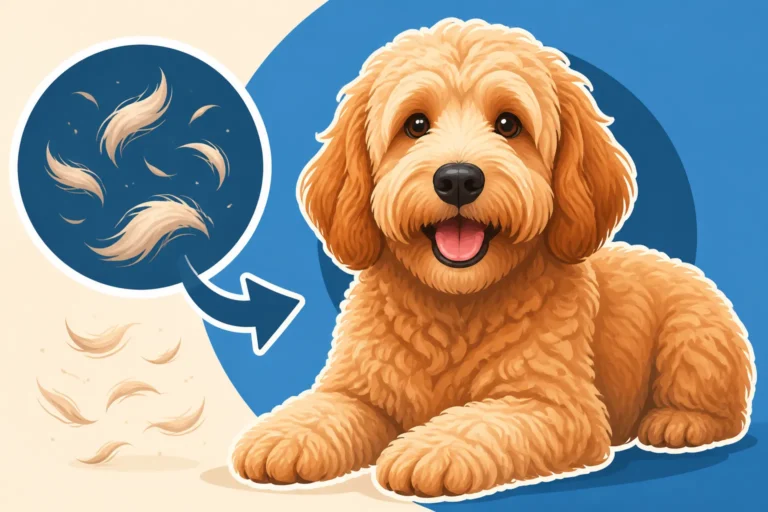
The Labradoodle coat change typically begins around 8 to 12 months of age, though it can start a little earlier or later depending on the individual dog and its genetics. This period is often referred to as "blowing the puppy coat." The Age a Labradoodle Blows Its Puppy Coat is a crucial time in their development, not just physically but also for establishing long-term grooming habits. During this transition, the fine, soft puppy hair starts to shed, making way for the coarser, thicker adult coat to grow in. The problem is, the old puppy hair doesn't always fall out easily; it gets trapped within the emerging adult coat, leading to a perfect storm for matting.
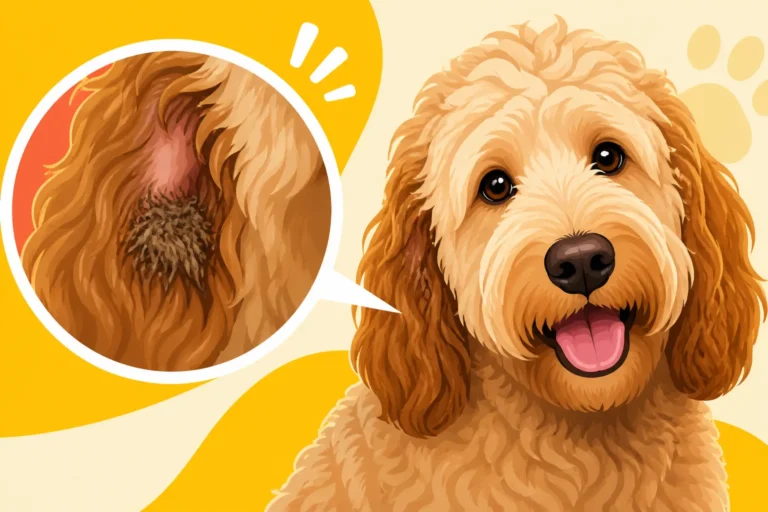
Imagine trying to comb through two different textures of hair at once – fine, wispy strands tangled with thicker, developing curls. That's essentially what's happening on your Labradoodle's body. These mats can form quickly and deeply, particularly in high-friction areas like behind the ears, in the armpits, on the belly, and around the tail. What might have taken 10 minutes to brush before can suddenly take an hour, and even then, you might feel like you're losing the battle. Many owners, caught off guard, find themselves facing a heavily matted dog and a trip to the groomer for a complete shave-down – something no one wants for their beautiful doodle.
Common Adult Coat Types and How They Develop
While a puppy's coat is a poor predictor, the adult coat will settle into one of three main types, influenced by the genetic contributions from the Labrador and Poodle parents. Understanding these types can help you anticipate future grooming needs, even if you can't perfectly predict your puppy's outcome. For a comprehensive overview, you can check out The Three Labradoodle Coats: Hair, Fleece and Wool.
- Hair Coat: This coat type is the least common among well-bred Labradoodles, as breeders generally aim to avoid it for its shedding properties. It tends to be straighter and coarser, much like a Labrador's coat, and often has an undercoat. If your puppy had a very straight, sleek look, there's a chance it might develop into a hair coat, which means it will shed more than the other types. While easier to brush initially, it doesn't offer the low-allergen qualities many seek in a Labradoodle.
- Fleece Coat: This is the most sought-after coat type for Labradoodles, renowned for its soft, silky texture and low to non-shedding qualities. It can range from wavy to spiraling curls. A puppy with a slightly wavy, soft coat is likely to develop into a beautiful fleece coat. The Fleece Coat and Why Breeders Aim For It describes how this coat is cherished for its luxurious feel and ease of maintenance compared to wool, though it still demands consistent grooming. During the coat change, fleece coats are particularly prone to matting as the old puppy fur intertwines with the new, developing waves.
- Wool Coat: Resembling a Poodle's coat, the wool coat is dense, thick, and distinctly curly. It is non-shedding, making it a great option for allergy sufferers. If your puppy had very tight curls from a young age, it's highly probable it will develop a wool coat. The Wool Coat Labradoodle and Its Upkeep is significant, as this coat type requires the most intensive grooming to prevent matting. The curls can be quite fine and compact, easily snagging any loose puppy fur or debris.
To give you a clearer idea, here's a table summarizing the general progression:
| Puppy Coat Characteristic | Likely Adult Coat Type | Grooming Needs (Adult) | Shedding Level (Adult) |
|---|---|---|---|
| Very Straight, Thin | Hair/Improper Coat | Moderate, regular brushing for shedding | Moderate to High |
| Slightly Wavy, Soft | Fleece | High, daily line brushing | Low to Non-shedding |
| Curly, Soft | Fleece to Wool | Very High, daily line brushing | Low to Non-shedding |
| Very Curly, Dense | Wool | Extremely High, daily brushing, professional clips | Non-shedding |
What to Expect During the Coat Change
The coat change is a marathon, not a sprint. How Long a Labradoodle's Coat Change Lasts can span several months, and during this time, you will likely experience increased matting. Even if you've been a diligent brusher, the combination of old and new textures creates a prime environment for tangles to form at the skin level. These mats can tighten quickly, becoming painful and difficult to remove without professional intervention.
It's not uncommon for the coat to appear uneven or patchy during this period, as different sections of the body transition at different rates. You might notice some areas growing denser, while others still hold onto that softer puppy fuzz. This awkward "teenage" coat phase can be frustrating, but it's a normal part of development. Patience and consistency are your best friends here. Don't be discouraged if you find new mats forming despite your best efforts; it's a natural process. This is the time when many Labradoodle owners first realize the true commitment involved in maintaining their dog's coat and often seek guidance from professional groomers.
Managing Expectations and Proactive Coat Care
Since your puppy's coat isn't a reliable crystal ball for its adult fur, the best approach is to prepare for the most demanding scenario and adjust accordingly. Proactive care, consistent routine, and realistic expectations are your greatest assets in ensuring your Labradoodle grows up with a healthy, comfortable coat.
Early Grooming Habits Are Key, No Matter the Puppy Coat
One of the most valuable things you can do for your Labradoodle is to start grooming early and make it a positive experience. Even if your puppy's coat seems incredibly easy to manage at eight weeks, this is the time to introduce them to brushes, combs, and the concept of standing still for grooming. Starting Grooming Handling on a Labradoodle Puppy early on can make a world of difference when the challenging coat change eventually hits. Start with short, positive sessions, pairing grooming tools with high-value treats and praise.
Invest in the right tools from the start. A good quality slicker brush and a sturdy metal comb are essential. You can find excellent options on Amazon or Chewy, which offer a wide range of grooming supplies. The key is to get your puppy comfortable with being touched all over, especially in those sensitive areas where mats often form first – behind the ears, in the armpits, and on the belly. Practice holding their paws and touching their face gently. The goal is to build a foundation of trust and acceptance for grooming, so when the more intensive brushing becomes necessary, it's not a terrifying ordeal for your dog. Remember, Brushing a Labradoodle to the Skin, Not the Surface is crucial; merely skimming the top of the coat won't prevent mats from forming at the base.
The Unpredictability Factor and Accepting the Outcome
Ultimately, while breeders can provide genetic information and experienced owners can make educated guesses, there's still an element of unpredictability regarding the exact nature of your Labradoodle's adult coat. You might have hoped for a wavy fleece and ended up with a tightly curled wool coat, or vice-versa. The most important thing is to accept the coat you get and commit to its proper care.
If you find yourself overwhelmed during the coat change or at any point, don't hesitate to seek professional help. A good groomer can not only help manage mats but also teach you proper techniques and recommend suitable products. They can guide you on the best clip length for your dog's specific coat type and lifestyle. Remember, a matted coat is uncomfortable and can lead to skin issues, so addressing it promptly is vital for your dog's well-being.
Nutritional Support for a Healthy Coat
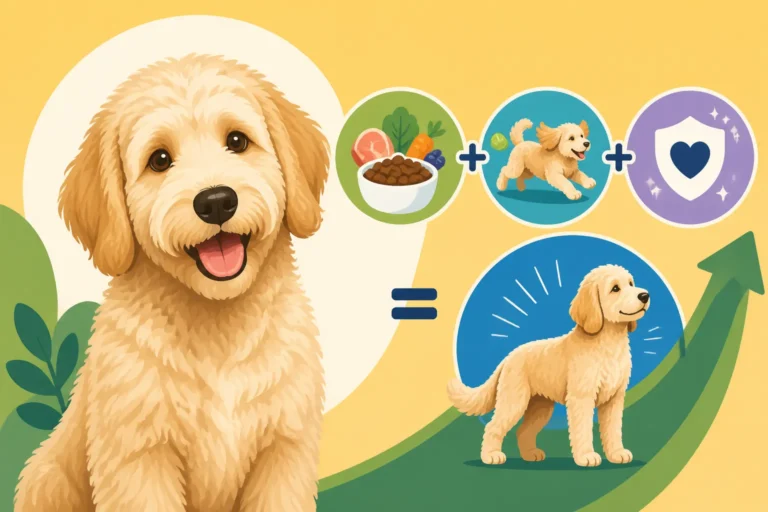
While genetics primarily dictate coat type, nutrition plays a significant role in coat health. A healthy, shiny, and strong coat is a reflection of a dog's overall internal health. Feeding a high-quality diet provides the necessary nutrients for robust hair growth and healthy skin, which in turn can make the coat more resilient and easier to manage.
Look for dog foods that list real meat as the first ingredient and contain a good balance of Omega-3 and Omega-6 fatty acids. Many reputable brands offer formulas specifically designed for skin and coat health. Pet food providers like Ollie, which offers fresh, human-grade food, or popular retailers like Chewy, provide a variety of options that can support a lustrous coat. Adequate hydration is also paramount; ensure your Labradoodle always has access to fresh, clean water. A well-nourished dog with healthy skin is less prone to excessive dryness, flakiness, or irritation, all of which can contribute to a dull or problematic coat.
Disclaimer
This article is for general informational purposes only and does not constitute professional advice. Laws, prices and regulations vary by location and change over time. Consult a qualified professional for guidance on your specific situation.