Whether a Labradoodle’s Beard Stays Wet
If you've ever owned a Labradoodle, you know the endearing charm of that fluffy beard. It's often one of their most distinguishing features, giving them that perpetually happy, scruffy look we all adore. But let's be honest, that beautiful beard can also be a magnet for mess, constantly damp from drinking water, catching food, or simply collecting whatever your curious companion sniffs. This guide will walk you through why your Labradoodle's beard often stays wet, the potential issues this can cause, and most importantly, practical, empathetic ways to keep it clean, dry, and healthy for a happier home and a more comfortable pup.
The Anatomy of a Perpetually Wet Labradoodle Beard
It’s not just your imagination; a Labradoodle's beard truly does seem to defy gravity and common sense by remaining damp far longer than seems reasonable. This isn't a flaw in your dog, but rather a combination of their unique genetic makeup and everyday habits. Understanding these factors can help us address the issue more effectively.
The Poodle Influence on Furnishings
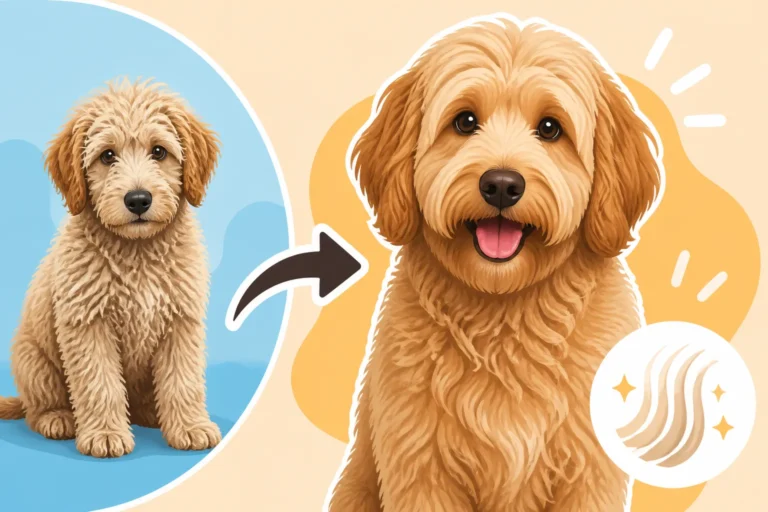
The Labradoodle's distinctive beard, along with its eyebrows and mustache, are what we call "furnishings." These are the longer hairs around the face that give many doodle breeds their characteristic look and contribute to their often lower-shedding coats. This trait comes directly from their Poodle heritage. Poodles have continuously growing hair, unlike the shedding fur of a Labrador. This Poodle gene, specifically the furnishings gene, means those facial hairs don't shed out quickly; instead, they grow long and fine.
Imagine those long, soft hairs acting like tiny sponges. When your Labradoodle dips its face into the water bowl, those furnishings soak up the water, clinging to the individual strands. Unlike a short-coated dog where water might just drip off, the longer, denser beard holds onto moisture. It's similar to how a human beard would retain water after a shower. The texture of the Labradoodle's coat, whether it’s fleece or wool, also plays a role, with wool coats generally being denser and potentially holding even more moisture. Understanding The Furnishings Gene Behind a Labradoodle's Beard is key to appreciating this natural predisposition.
How Drinking Exacerbates the Issue
Drinking is perhaps the primary culprit behind the constantly wet Labradoodle beard. Think about how a dog drinks: they lap water with their tongue, often splashing it around. When your Labradoodle drinks from a standard water bowl, its entire muzzle, including that lovely beard, is submerged or at least brushes against the water.
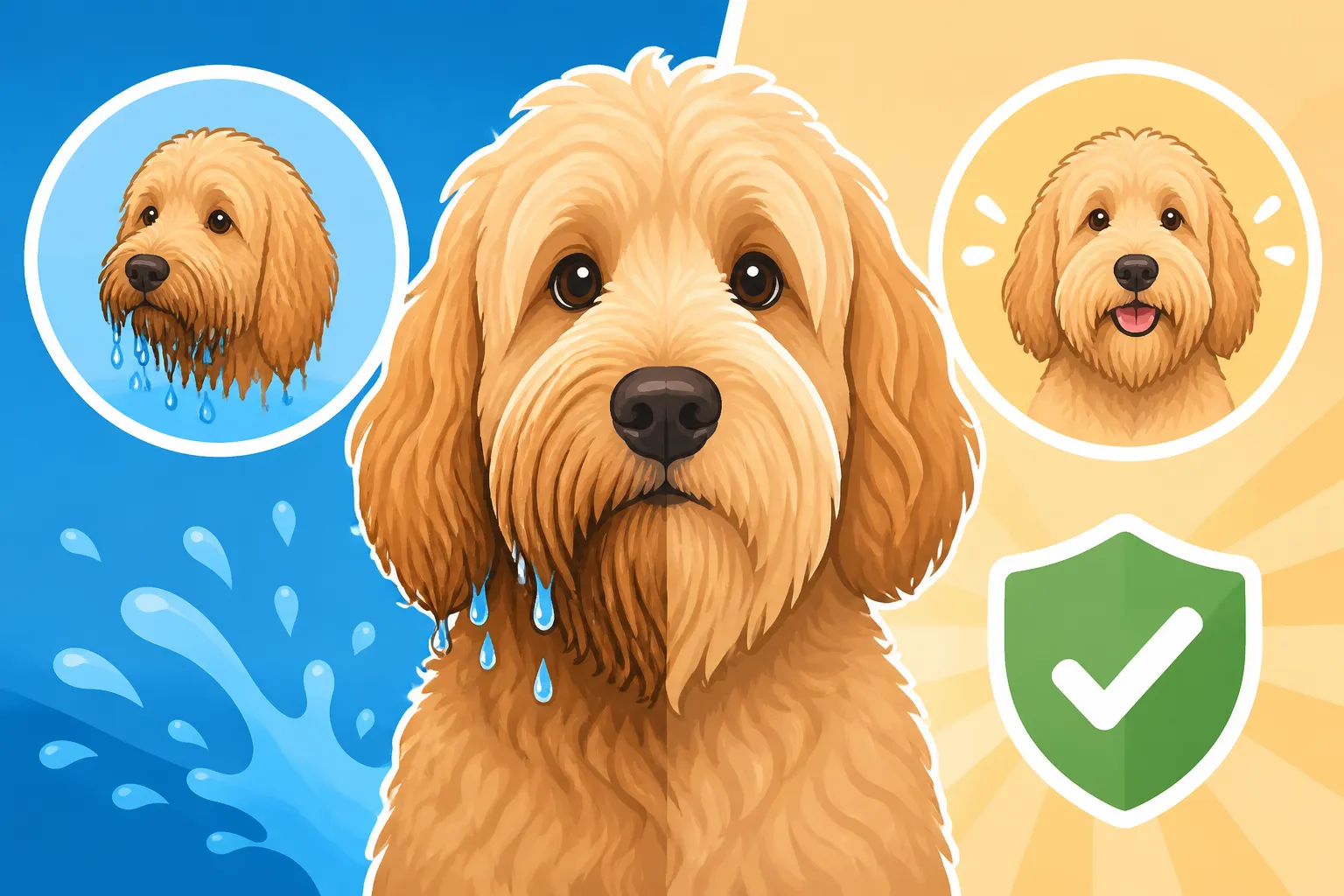
Once wet, those long, fine hairs cling together, trapping the moisture. It’s not just the water that drips immediately after they pull their head up; it's the moisture that remains absorbed within the hair strands. This dampness then takes time to evaporate, especially if the dog isn't actively running around or shaking their head vigorously. Many of us have experienced the "drip trail" from the water bowl to their favorite napping spot, or perhaps a sudden, unexpected shower when they finally decide to shake their head near you.
Drooling and Food Residue
Beyond drinking, two other factors contribute significantly to a persistently wet and messy beard: drooling and food residue. Some Labradoodles, particularly those with a stronger Labrador influence or larger jowls, might be naturally more prone to drooling, especially when excited, anticipating food, or even during sleep. This saliva can saturate the beard hairs, making them damp and sometimes stiff or sticky.
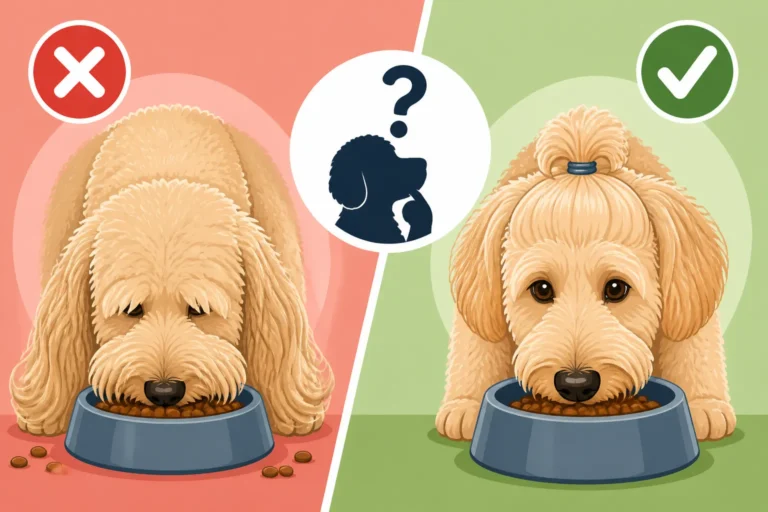
Then there's mealtime. Labradoodles, with their strong appetites and often enthusiastic eating habits, rarely manage to keep their faces pristine while diving into their kibble or wet food. Bits of food, sauces, or even just the moisture from their meal, get easily stuck in the beard. This isn't just a cosmetic issue; food residue can quickly become a breeding ground for bacteria, leading to unpleasant odors and potential skin irritation underneath the beard. It's a double whammy: the beard gets wet from the food itself, and then it becomes a trap for further moisture and debris.
The Problems a Consistently Wet Beard Creates
While a wet beard might seem like a minor nuisance, a consistently damp environment on your Labradoodle's face can lead to a host of problems, ranging from cosmetic to serious health concerns. It’s not just about a few stray drips; it's about the long-term impact on their skin, coat, and overall well-being.
Matting and Skin Irritation
One of the most immediate and visible problems of a wet Labradoodle beard is matting. Those long, fine hairs, when constantly damp and left untended, will inevitably tangle and felt together. Water acts as a binding agent, making the hair stick and clump. As the dog moves and rubs its face, these damp tangles quickly tighten into painful mats right under their chin and around their mouth. These mats pull at the skin, causing discomfort and even pain.
Beyond matting, constant moisture creates a perfect breeding ground for skin irritation and infection. The skin underneath a perpetually damp beard can become macerated – soft, white, and weakened – making it susceptible to yeast infections or bacterial dermatitis. This can manifest as redness, itching, a foul odor, and even hair loss in the affected area. It's a vicious cycle: the dog scratches, further irritating the skin, and the moisture continues to perpetuate the problem. Regular, thorough grooming, as discussed in Brushing a Labradoodle to the Skin, Not the Surface, is essential to prevent this.
Odor and Bacterial Growth
Let’s be honest, a wet dog smells. A perpetually wet dog beard often smells even worse. The combination of trapped moisture, food particles, saliva, and sometimes even environmental dirt creates a prime environment for bacterial and yeast overgrowth. This microbial buffet leads to that distinctive, sometimes pungent, "doodle stink" that can emanate from your dog's face.
This isn't just an aesthetic issue for our sensitive noses. The bacterial and yeast populations thriving in a damp beard can contribute to the skin irritation mentioned above. If your Labradoodle's beard smells musty, sour, or even intensely cheesy, it's a strong indicator that there's a microbial party happening that needs to be shut down. This odor can also transfer to furniture, bedding, and anything else your dog rubs its damp face against. This is why addressing the wetness and maintaining good hygiene is paramount, not just for comfort but for preventing full-blown infections.
Dental and Oral Health Concerns
While not a direct consequence of a wet beard, the issues that contribute to a wet beard can sometimes intertwine with oral and dental health. Food trapped in the beard, especially sticky wet food, can make its way into the mouth or contribute to plaque buildup on the outside surfaces of the teeth if not cleaned effectively. This might also lead to less thorough Brushing a Labradoodle's Teeth if the beard is constantly matted and sensitive around the mouth area.
Furthermore, a damp beard can be a symptom of a larger issue if there’s excessive drooling involved. While normal drooling is fine, unusual or excessive drooling could sometimes indicate dental problems like gingivitis, a loose tooth, or even oral pain. If you notice a sudden increase in drooling alongside a wet beard, it's always worth a quick check by your vet to rule out any underlying oral health concerns. The overall hygiene of the facial area impacts the perceived cleanliness and health around the mouth.
Practical Strategies for Managing a Wet Labradoodle Beard
The good news is that managing a wet Labradoodle beard is entirely doable with a bit of consistency and the right approach. It’s not about eliminating the wetness entirely, but about minimizing its duration and impact to keep your dog comfortable and healthy. Think of it as developing a grooming and care routine specifically for that adorable, fluffy muzzle.
Grooming Techniques and Tools
Regular grooming is your first line of defense against a persistently wet and messy beard. This means more than just a quick brush-over; it requires deliberate attention to the facial hair.
- Daily Brushing and Combing: Invest in a good quality slicker brush and a metal comb. Aim to brush your Labradoodle's beard daily, or at least every other day. Gently work through the hair, ensuring you get right down to the skin to remove any tangles, food debris, or trapped moisture. A Slicker, Rake and Comb a Labradoodle Takes is essential for preventing mats. Pay extra attention to the areas around the mouth, under the chin, and where the beard meets the neck. If you encounter a damp patch, use a towel to blot it dry thoroughly before brushing.
- Regular Trims: A shorter beard is a cleaner, drier beard. While we love the fluffy look, a slightly shorter trim around the muzzle can dramatically reduce how much water and food it picks up. Talk to your professional groomer about a "hygiene trim" for the face, asking for the hair around the mouth and under the chin to be kept a bit shorter. This doesn't mean shaving it off, but simply keeping it at a more manageable length. This can save you from a major problem later on, as a Full Groom Costs on a Wool Coated Labradoodle significantly more if it's matted.
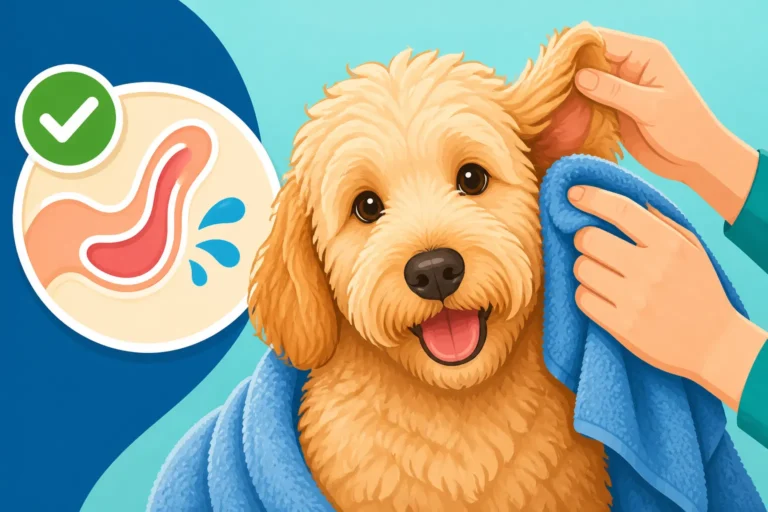
- Drying after Wetness: After your dog drinks, immediately blot the beard with a small towel. Keep a dedicated "beard towel" near the water bowl. If your Labradoodle has been playing in water or gotten wet outside, ensure the beard is thoroughly dried along with the rest of their coat. A force dryer (on a cool setting) can be incredibly effective for quickly drying the dense hair.
Feeding and Watering Solutions
Adjusting how your Labradoodle eats and drinks can make a huge difference in how wet their beard gets. Simple changes to bowls and feeding routines can drastically reduce moisture.
- Narrow-Rimmed Water Bowls: One of the most effective tools is a narrow-rimmed or "doodle-specific" water bowl. These bowls often have a smaller opening or a floating disc that allows your dog to drink without submerging their entire muzzle. This minimizes how much of the beard gets wet. Many options are available from retailers like Chewy or Amazon. Experiment to find one that your dog accepts and that works for their drinking style.
- Elevated Bowls: While controversial for bloat risk in some breeds (discuss with your vet, especially if you have a deep-chested Labradoodle, as addressed in The Chest Shape That Puts a Labradoodle at Bloat Risk), elevated food bowls can sometimes help dogs with long beards maintain a cleaner face during meals by allowing them to eat in a more upright position, reducing how much their beard dips into the food.
- Wiping After Meals: Just as with water, immediately wipe your Labradoodle's beard after they eat. Use a damp cloth to clean off any stuck food particles, then follow up with a dry towel. This simple step prevents food from drying and hardening in the beard, which can lead to mats and odors. Brands like Ollie, which often produce fresh or wet food, can sometimes stick more to the beard, making this post-meal wipe even more crucial.
Daily Cleaning Rituals
Establishing a consistent daily cleaning routine is crucial for long-term beard health and hygiene. It becomes part of your dog's regular care, just like their walks.
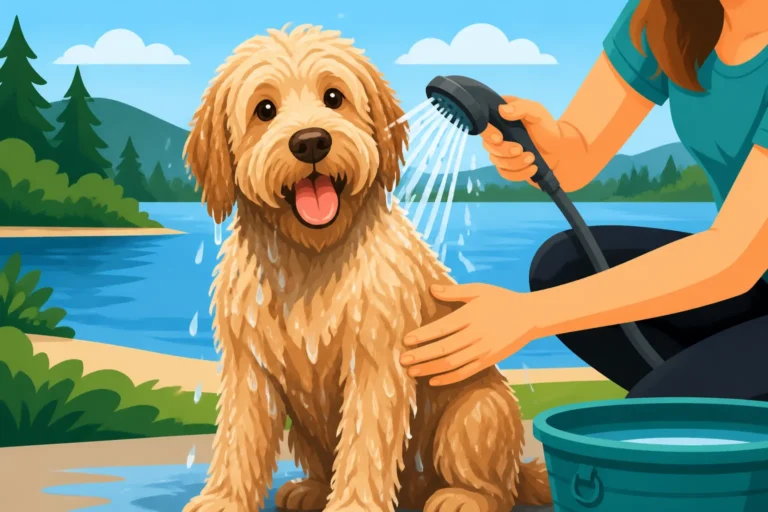
- Gentle Face Washes: If the beard gets particularly dirty or smelly, a quick, gentle wash of just the beard area can be very helpful. Use a mild, dog-specific shampoo and rinse thoroughly. Focus on blotting dry rather than rubbing vigorously, which can cause tangles. You don't need to give a full bath every time, but spot cleaning the beard helps immensely between regular grooming appointments or full baths. Knowing How Often a Labradoodle Needs a Bath can help you time these spot cleans.
- Facial Wipes: Keep a stash of dog-specific facial wipes on hand for quick clean-ups throughout the day. These are great for removing drool, minor food smears, or general grime after a walk or playtime. They're convenient for a quick refresh without a full wash. Always ensure they are alcohol-free and formulated for pets.
- Ear and Eye Hygiene: While not directly the beard, good overall facial hygiene is interconnected. Regular cleaning of your Labradoodle's eyes helps prevent tear staining which can also accumulate moisture and bacteria. Similarly, keeping their ears clean and dry, especially after swimming, is vital given their drop ears and potential for Ear Infections Built Into a Labradoodle's Drop Ear. All these efforts contribute to a healthier, cleaner head for your Labradoodle. Cleaning a Labradoodle's Eyes is a simple task that makes a big difference.
Long-Term Health and Lifestyle Considerations
Managing a wet Labradoodle beard isn't just about quick fixes; it's about integrating these practices into your dog's long-term care routine. Consistent attention to diet, grooming, and awareness of their overall health will ensure that beard remains a source of charm, not a breeding ground for problems.
Diet and Hydration
What your Labradoodle eats can influence their beard's condition. A well-balanced diet contributes to healthy skin and coat, making it more resilient and less prone to issues if it does get damp. Ensure your dog is on a high-quality dog food, as good nutrition supports overall coat health. If you are considering diet changes, always discuss with your vet.
Hydration is also key. While we want to manage external wetness, ensuring your Labradoodle has access to fresh water is non-negotiable for their internal health. The aim is to reduce beard wetness, not restrict water intake. Continue to use the specialized bowls and immediate drying methods mentioned earlier to reconcile these two needs. Some owners even place water bowls in areas with easy-to-clean flooring to manage drips, preventing the issue from spreading.
Professional Grooming Schedules
While home grooming is crucial, it doesn't replace the expertise of a professional groomer. Schedule regular appointments for your Labradoodle, typically every 6-8 weeks, depending on their coat type and your ability to maintain it at home. During these appointments, the groomer can thoroughly clean, trim, and de-mat the beard, addressing any areas you might have missed or struggled with.
Discuss your concerns about beard wetness and potential matting with your groomer. They can recommend specific trims, such as a shorter face clip, that will make home maintenance easier for you. They can also check for any skin issues that might be developing under the beard and advise on appropriate shampoos or treatments. A good groomer is an invaluable partner in keeping your Labradoodle's coat, including their beard, in top condition. If you're exploring Whether Grooming a Labradoodle Yourself Saves Money, remember that a professional touch is often needed periodically.
Addressing Underlying Health Issues
Most of the time, a wet Labradoodle beard is a normal part of living with the breed, managed through good grooming and careful habits. However, sometimes a persistently wet beard, especially if accompanied by excessive drooling, skin irritation, or a sudden change in odor, can be a symptom of an underlying health problem.
If you notice any significant changes or if your efforts to keep the beard dry aren't alleviating skin irritation, it's wise to consult your veterinarian. They can check for dental disease, allergies, skin infections, or other health concerns that might be contributing to the issue. For instance, chronic yeast infections under the beard might require specific medicated shampoos or dietary changes. Whether a Labradoodle Needs Medicated Baths is a question best answered by your vet if skin issues persist. Early detection and treatment of any health problems will ensure your Labradoodle remains happy and healthy, beard and all.
Disclaimer
This article is for general informational purposes only and does not constitute professional advice. Laws, prices and regulations vary by location and change over time. Consult a qualified professional for guidance on your specific situation.