Whether Grooming a Labradoodle Yourself Saves Money
Let's be real, owning a Labradoodle is a joy, but the cost of keeping that gorgeous, fluffy coat in tip-top condition can make your jaw drop. Many of us find ourselves staring at another sizable grooming bill, wondering if there's any way to trim those expenses without sacrificing our pup's well-being. This guide is all about diving deep into whether rolling up your sleeves and tackling your Labradoodle's grooming needs yourself can truly save you money in the long run, and what that journey really entails.
The Sticker Shock of Professional Labradoodle Grooming
It’s no secret that professional grooming for a Labradoodle isn't cheap. You often hear other dog owners talk about their quick, inexpensive trips to the groomer, and you might wonder why your doodle's bill is consistently so much higher. There are very real, very practical reasons for this, and understanding them is the first step in deciding if DIY is right for you.
Why Labradoodles Are So Expensive to Groom
The primary reason Labradoodles command higher grooming fees comes down to their unique coats. Unlike many breeds with single coats that are either short or shed easily, Labradoodles boast a range of coat types—from the wavy, low-shedding fleece to the denser, curly wool. These coats are often described as "hair" rather than "fur" because they grow continuously, much like human hair, and don't have a distinct undercoat that sheds out seasonally. This continuous growth, while wonderful for allergy sufferers, means constant maintenance.
The texture of a Labradoodle's coat, especially the fleece and wool varieties, makes it highly prone to matting. Mats are essentially tangled clumps of hair that can pull at your dog's skin, causing discomfort, pain, and even skin infections if left unchecked. A professional groomer spends a significant amount of time meticulously brushing out these mats, which is a skilled and labor-intensive process. They also have specialized tools and techniques to thoroughly wash, dry, and trim these dense coats without causing further tangles. Imagine trying to detangle a huge knot in your own hair, but it's all over your body and your dog isn't thrilled about staying still for it! It's a precise job, and groomers often charge by the hour or by the condition of the coat, which means a matted doodle always costs more. It's not uncommon for a groomer to spend two or three hours, or even more, on a single Labradoodle, especially if it's been a while since their last session. You can learn more about the different coat types in The Three Labradoodle Coats: Hair, Fleece and Wool.
Breaking Down the Costs
A professional grooming session for a standard Labradoodle typically includes bathing, drying, brushing, de-matting (if necessary), ear cleaning, nail trimming, and a full haircut. The specific price can vary widely based on your location, the groomer's experience, the dog's size, coat condition, and even the style of cut you request. However, it's generally a significant expense.
Many Labradoodle owners find themselves taking their dogs to the groomer every 6 to 8 weeks to prevent severe matting and keep their coats manageable. If you calculate that over a year, those individual appointments really start to add up. Think about how much that impacts your household budget. It's a recurring cost that, while essential for your dog's comfort and hygiene, can feel like a heavy burden. It’s no wonder people start looking for alternatives! When you consider The Yearly Grooming Total on a Standard Labradoodle, it's easy to see why the idea of doing it yourself becomes so appealing.
The Upfront Investment for DIY Labradoodle Grooming
The idea of saving hundreds, or even thousands, of dollars a year on grooming sounds fantastic, right? And it absolutely can be! But it's important to understand that "saving money" doesn't mean "free." There's an initial investment in tools and, perhaps more significantly, in your time and effort.
Essential Grooming Tools You'll Need
To properly groom your Labradoodle at home, you're going to need more than just a cheap comb from the pet store. You'll need professional-grade equipment that can handle a thick, often mat-prone coat. This initial shopping trip can feel a bit daunting, and the price tags might surprise you.
Here's a breakdown of the essentials:
| Tool Category | Specific Items | Estimated Initial Cost Shape (Check current prices) | Why it's essential for Labradoodles |
|---|---|---|---|
| Brushing & Dematting | Slicker brush (pin brushes not usually enough), Metal comb, Dematting comb/rake | Moderate | Labradoodle coats mat easily; a good slicker brush and comb are crucial for line brushing. |
| Clipping | Professional-grade dog clippers (corded or cordless), various blade sizes (#10, #7F, #5F, #4F) | High | Pet clippers often overheat or aren't powerful enough for thick doodle coats; different blade lengths achieve desired cut. |
| Drying | High-velocity force dryer (not human hairdryer) | High | Essential for thoroughly drying the dense coat to prevent skin issues and matting, and to achieve a fluffy finish. |
| Bathing | High-quality dog shampoo & conditioner, bathing tether/mat | Moderate (initial), Ongoing (consumable) | Formulated for dog skin/coat; tethers help keep wriggly dogs in place. |
| Nail Care | Nail clippers (guillotine or scissor style), Grinder, Styptic powder | Low to Moderate | Regular nail trims are vital; grinders give a smoother finish and help desensitize. Styptic powder is for quick accidents. |
| Ear Care | Ear cleaner solution, Cotton balls/pads, Hemostats (optional, for plucking) | Low (initial), Ongoing (consumable) | Labradoodles are prone to ear infections; regular cleaning is crucial, especially for those with hairy ear canals. |
| Other | Grooming table with arm, Bandanas/bows (for fun!) | High (table), Low (accessories) | A sturdy grooming table provides a stable, elevated surface, making the process much easier and safer for both of you. |
Brands like Andis, Wahl Professional Animal, and Oster are often recommended for clippers, while pet supply retailers like Chewy offer a wide range of grooming tools and shampoos. You'll find a deeper dive into the specifics in The Clipper, Blade and Dryer a Labradoodle Owner Buys and What a Grooming Table Costs a Labradoodle Owner. This initial investment can easily run into several hundred dollars, but remember, this is a one-time cost that will be amortized over many years of DIY grooming.
The Learning Curve and Hidden Costs
Beyond the monetary investment in tools, there's a significant investment of your time and effort. Learning to groom a Labradoodle properly is not something you master overnight. It involves a steep learning curve and a commitment to practice.
You'll need to learn:
- Line brushing techniques: This is crucial for getting down to the skin and preventing mats. Simply brushing the top layer of hair isn't enough for a Labradoodle, as mats start forming closer to the skin. Brushing a Labradoodle to the Skin, Not the Surface is a must-read.
- Safe clipper handling: Knowing which blades to use, how to hold the clippers, and how to move them smoothly across your dog's body without causing clipper burn or cuts.
- Bathing and drying correctly: This is more than just getting them wet. Proper shampooing, rinsing thoroughly, and especially effective drying with a force dryer are vital to prevent skin issues and matting. Drying a Labradoodle to the Skin After a Bath explains why.
- Sanitary trims and pad trims: These are essential for hygiene and comfort.
- Nail trimming and ear cleaning: Preventing painful quicks and ear infections.
Many owners opt for online courses, YouTube tutorials, or even shadow a professional groomer for a day to pick up tips. This research and learning takes time. Your first few grooming sessions will likely be lengthy, a bit messy, and perhaps not perfectly symmetrical. Your dog might not be thrilled about it either, especially if they're not used to being handled this way. Patience, positive reinforcement, and starting early with a puppy are key. Teaching a Labradoodle to Lie Still for a Ninety Minute Groom highlights the importance of this training.
The "hidden cost" here is largely your time, your patience, and the potential for initial mistakes. A bad haircut grows out, but a clipper cut can take a while, and a badly cut nail can bleed and cause discomfort. You might also find yourself needing to take your Labradoodle to a professional periodically for a "reset" if you get overwhelmed or if serious mats develop that you can't tackle yourself.
Long-Term Savings and Considerations
Now that we've covered the initial hurdles, let's look at the actual financial implications over time and the non-monetary pros and cons of DIY grooming.
Calculating Your Potential Savings
Let's do some quick math. Imagine a professional groomer charges, say, $100-$150 (this varies greatly, of course) for a full Labradoodle groom every six to eight weeks. If you take your dog in every seven weeks, that's approximately seven to eight grooms a year.
- 7 grooms/year * $125/groom = $875 per year.
Your initial investment in quality tools might be around $400-$600.
- If your tools last, say, five years (which good quality ones should, with proper care), that's $80-$120 per year in tool depreciation.
- Add in recurring costs for shampoo, conditioner, ear cleaner, and possibly new blades or sharpening services. Let's estimate another $100-$150 per year for these consumables and maintenance.
So, your yearly DIY cost would be roughly $180-$270.
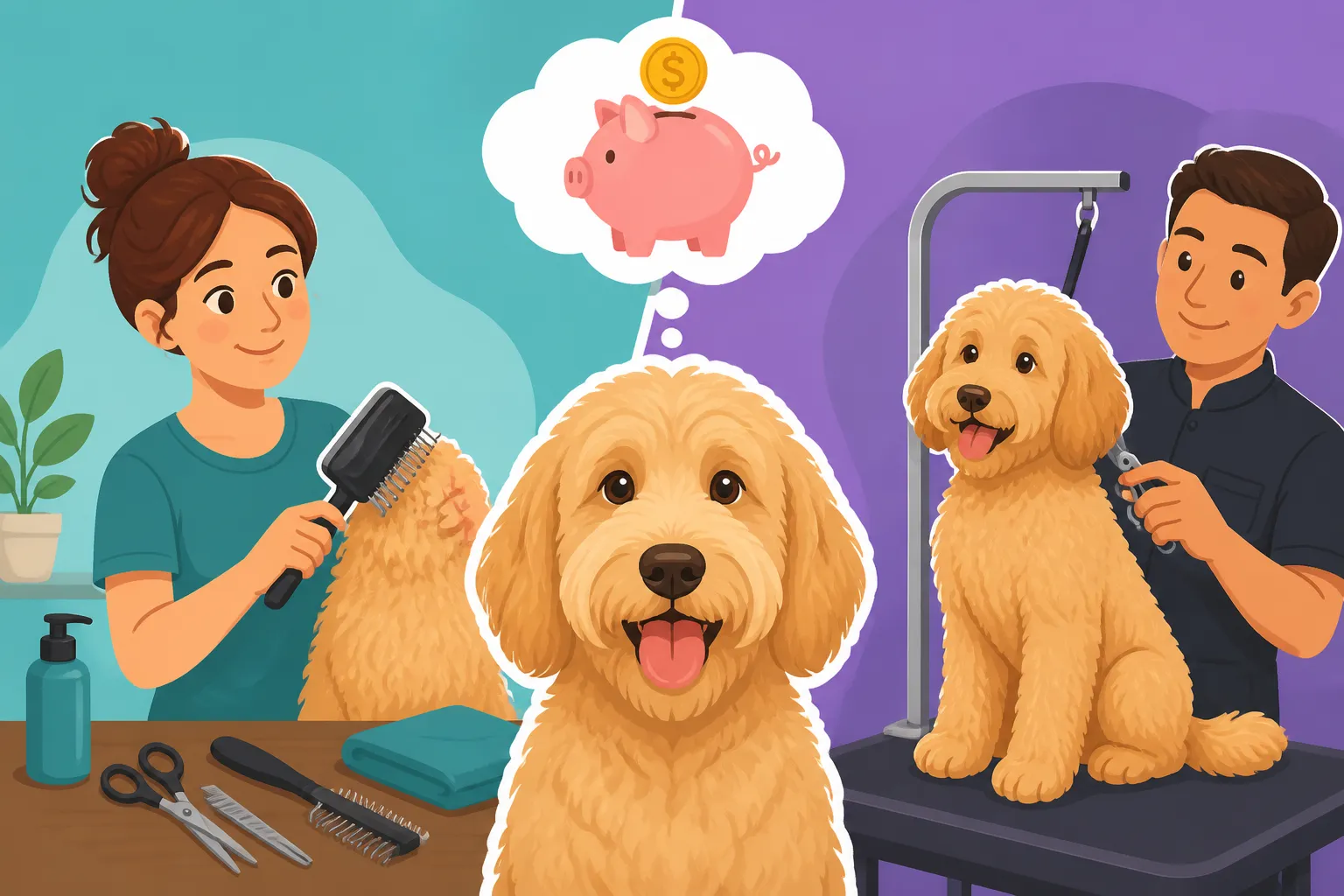
Comparing that to the professional cost of $875, you can see a potential annual saving of around $600-$700. Over five years, that's a substantial amount of money staying in your pocket! This is a simplified calculation, of course, but it clearly illustrates the financial incentive.
Beyond the Money: Pros and Cons of DIY Grooming
Saving money is a huge draw, but it's not the only factor. There are other benefits and drawbacks to consider when deciding if DIY grooming is right for you and your Labradoodle.
Pros of DIY Grooming:
- Cost Savings: As we've established, the financial benefits over time are significant.
- Convenience and Flexibility: You can groom your dog on your schedule, without worrying about booking appointments weeks in advance or rushing to pick them up during business hours. A late-night mat removal session? No problem.
- Bonding Experience: For many owners, grooming becomes a positive bonding experience. Your dog learns to trust you with their care, and the regular hands-on time can strengthen your relationship.
- Early Detection of Health Issues: When you're regularly brushing and handling your dog, you become intimately familiar with their body. You're more likely to spot lumps, bumps, skin irritations, parasites, or changes in their coat or skin condition early on. This can be invaluable for their health and prompt veterinary attention.
- Control Over Style and Products: You decide the length of the cut, the style, and which shampoos and conditioners touch your dog's skin. This is especially helpful if your Labradoodle has sensitive skin or allergies. Many owners appreciate this control.
- Less Stress for Your Dog: Some dogs find the grooming salon environment stressful, with new smells, sounds, and unfamiliar people. Being groomed at home, in a familiar environment by a trusted person, can be much calmer for them.
Cons of DIY Grooming:
- Time Commitment: Grooming a Labradoodle is not a quick task. A full bath, dry, and clip can easily take 3-4 hours, especially when you're starting out. This needs to be factored into your weekly or bi-weekly schedule.
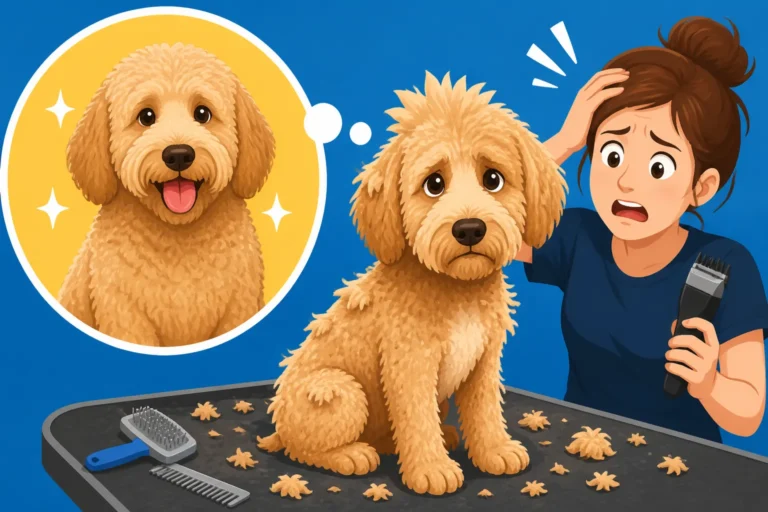
- Learning Curve and Skill Required: It takes practice to achieve a professional-looking groom and, more importantly, to do it safely. You might have some "interesting" haircuts at first!
- Physical Demands: Brushing, lifting, and holding a sixty-pound Labradoodle can be physically demanding. If you have back problems or other physical limitations, this might be a challenge.
- Mess: Grooming at home, especially drying with a force dryer, can be a messy affair. You'll have hair everywhere, and your bathroom might resemble a canine salon for a bit.
- Potential for Injury: Improper use of clippers or scissors can lead to cuts, nicks, or clipper burn. Incorrect nail trimming can cause bleeding. While accidents happen, the risk is higher for inexperienced groomers.
- Missing Severe Matting: If you don't line brush correctly or consistently, mats can form deep in the coat. Untangling severe mats can be painful for your dog and sometimes requires professional intervention or even shaving. Whether a Groomer Refuses a Matted Labradoodle delves into the difficult choices groomers face.
- Maintaining Equipment: Clippers need to be cleaned, oiled, and blades need to be sharpened or replaced periodically. This requires ongoing care and sometimes an additional cost.
Ultimately, the decision balances financial savings with your willingness to invest time, learn skills, and manage the process yourself. For some, the thought of handling sharp clippers near their beloved pet is too much. For others, it's a rewarding challenge.
Tips for Successful DIY Grooming and Maximizing Savings
If you're leaning towards becoming your Labradoodle's personal groomer, fantastic! Here are some practical tips to help you succeed and truly maximize those savings while keeping your pup happy and healthy.
Building a Routine and Training Your Labradoodle
The key to successful home grooming isn't just having the right tools; it's having a dog that tolerates, and ideally enjoys, the process. This starts with training and establishing a consistent routine from an early age.
- Start Young: Introduce your Labradoodle puppy to all aspects of grooming early on. Handle their paws, ears, tail, and muzzle regularly. Practice brushing with a soft brush, even if it's just for a few minutes. Make it a positive experience with lots of praise and high-value treats (like those from Ollie, perhaps!). What a Labradoodle's First Puppy Trim Costs shows you might even want to take them to a professional for just a puppy trim to get them used to the environment.
- Desensitize to Tools: Let your pup sniff and investigate the clippers (off), the dryer (off), and brushes. Turn them on briefly at a distance, rewarding calm behavior. Gradually bring them closer, always with treats and praise. The goal is for them to associate these potentially scary items with good things.
- Consistent Schedule: Grooming is not a "when they look shaggy" activity. Labradoodles need regular attention. Aim for a quick daily brush-through and a more thorough line brush session 2-3 times a week, followed by a bath and full clip every 6-8 weeks, or as needed. This consistency helps prevent mats from forming, which makes the whole process easier and less stressful for both of you.
- Break It Down: Don't try to do an entire groom in one marathon session, especially at first. Break it into smaller, manageable chunks. Maybe one day is for brushing and a bath, another for drying and a basic clip, and a third for nails and ears. This is less overwhelming for both you and your dog. Remember, Building a Labradoodle Up to a Long Grooming Session takes time and patience.
- Make it Positive: Always end on a good note. Even if the session wasn't perfect, praise your dog, give them a favorite treat, or engage in a fun play session afterward. You want them to have positive associations with grooming.
When to Call in a Professional (Even if You DIY)
Even the most dedicated home groomers sometimes need a little help. Knowing when to admit defeat or seek expert assistance isn't a failure; it's a smart part of responsible pet ownership.
- Severe Matting: If your Labradoodle develops extensive, tight mats that you can't get out with careful brushing and detangling spray, it's time to call a professional. Trying to cut out severe mats yourself can easily lead to injury. A groomer has the expertise and tools to safely shave down a matted dog, even if it means a very short cut (often called a "kennel clip"). This is for your dog's comfort and safety.
- Specific Styles or Show Cuts: While Labradoodles aren't typically "show dogs" in the traditional sense, if you desire a very specific, polished look that requires advanced scissor work or shaping, a professional groomer will likely achieve a better result. They have an artistic eye and years of experience with various breed cuts.
- Health Issues: If you notice skin irritations, strange lumps, or signs of ear infections that you can't resolve with basic cleaning, a visit to the vet is in order. Sometimes these issues are exacerbated by grooming, or the grooming process makes it harder to examine. For health-related costs, consider options like Healthy Paws pet insurance, which can help with unexpected vet bills.
- "Reset" or Maintenance Clips: Some DIY groomers will do the regular brushing, bathing, and basic trimming but send their dog to a professional once or twice a year for a full "reset" groom. This can help maintain the coat's integrity, ensure all areas are properly addressed, and give you a break!
- Lack of Confidence or Time: If you're feeling overwhelmed, frustrated, or simply don't have the time to commit to a full groom, it's okay to bring in a professional. Your dog's comfort and your sanity are important. There's no shame in seeking help when you need it.
By being prepared, patient, and knowing your limits, you can absolutely save a significant amount of money grooming your Labradoodle yourself, all while strengthening your bond and keeping them looking fabulous.
Disclaimer
This article is for general informational purposes only and does not constitute professional advice. Laws, prices and regulations vary by location and change over time. Consult a qualified professional for guidance on your specific situation.