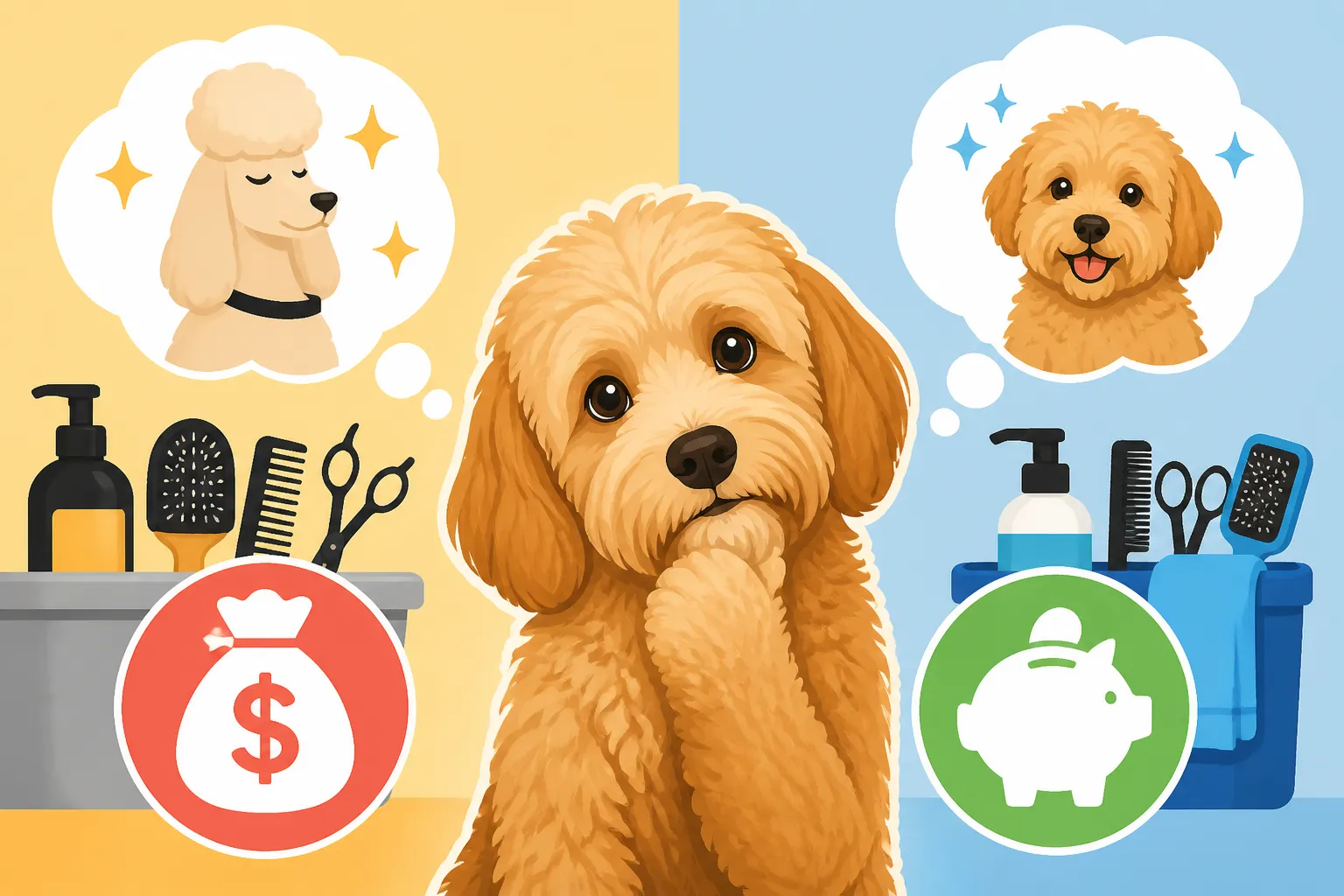
Whether a Miniature Labradoodle Is Cheaper to Groom
Many Labradoodle owners, especially those with smaller versions of this beloved breed, often wonder if opting for a miniature size will cut down on their grooming costs. It's a natural assumption, right? Smaller dog, less fur, less time at the groomer, less money out of your pocket. But the reality for Miniature Labradoodles isn't always that straightforward, and it's a frustration many discover only after welcoming their fluffy companion home. This guide will dive deep into why the size of your Labradoodle might not be the biggest factor in your grooming bill and what truly impacts those costs.
Why Miniature Labradoodles Are Still a Grooming Investment (Despite Their Size)
It’s completely understandable to think that a smaller dog like a Miniature Labradoodle would automatically come with a smaller grooming price tag. After all, logic dictates that less dog means less fur to wash, brush, and trim. However, the unique characteristics of the Labradoodle coat often mean that while your miniature might take up less space on the grooming table, the effort required isn't always proportionally reduced. Many owners are surprised when their little fluffball's grooming bill isn't drastically different from their friend's Standard Labradoodle, and that can feel quite disheartening when you were expecting a saving.
The Illusion of Small Dog Savings
The assumption that "small equals cheap to groom" largely stems from comparing miniature versions of breeds to their standard counterparts, or looking at small, smooth-coated breeds. A Miniature Poodle, for example, might indeed be cheaper to groom than a Standard Poodle, primarily because both have the same Poodle coat type, but there's simply less surface area on the smaller dog.
However, Labradoodles are a bit different. The very nature of their coat, regardless of size, is what drives a significant portion of the grooming cost. Even if your Miniature Labradoodle is only 20 pounds, their coat still possesses the same density, texture, and propensity to mat as a 60-pound Standard Labradoodle. This means the groomer still has to perform the same meticulous line brushing, dematting (if present), washing, drying, and clipping. The time saved might be negligible when you consider the intricate work involved in preventing or resolving tangles in a dense, curly or wavy coat. A groomer might spend almost as much time on a carefully executed trim on a smaller dog's face, feet, and sanitary areas, as they would on a larger one, simply because precision takes time. The smaller canvas doesn't always translate to less artistic effort.
The Specific Challenges of the Miniature Labradoodle Coat
Don't let the cute, compact size fool you; a Miniature Labradoodle's coat presents the same fundamental challenges as its larger relatives. Most Miniature Labradoodles are bred for the desirable fleece or wool coats, which are prized for being low-shedding and often considered more "hypoallergenic." However, these very qualities are what make them high-maintenance from a grooming perspective. These coats grow continuously and, without diligent care, mat incredibly easily.
Imagine your little one frolicking in the park, rolling around, getting a bit damp, and then drying off – that's a prime recipe for tangles. If left unchecked, these tangles can quickly become tight, painful mats that pull on their skin. The areas prone to matting – behind the ears, in the armpits, on the insides of the legs, and around the tail – are present on every Labradoodle, big or small. In fact, sometimes these smaller dogs can be even more prone to matting because their owners handle them more, or they pick up burrs and debris more easily when exploring closer to the ground. The critical period known as The Coat Change That Hits a Labradoodle at Nine Months affects Miniature Labradoodles just as profoundly as standard ones, often leading to sudden and severe matting if not managed correctly. This phenomenon alone can dramatically increase grooming costs, regardless of size, as groomers have to spend extra time carefully separating the puppy coat from the developing adult coat. You might find yourself needing professional intervention for Mats in a Labradoodle's Armpits more often than you anticipated, even with a smaller dog.
Understanding the Different Labradoodle Coat Types and Their Grooming Needs
When we talk about Labradoodle grooming costs, whether for a miniature or a standard size, the coat type is arguably the single most important factor. It's even more impactful than their overall dimensions. You see, the Labradoodle isn't a single-coat-type breed. They can inherit a range of coat textures and densities from their Labrador and Poodle ancestry, and each comes with its own set of grooming requirements and associated costs. Most breeders actively select for specific coat types, knowing what owners are looking for, but it's not always a guaranteed outcome, especially in earlier generations.
The Fleece and Wool Coats: High Maintenance at Any Size
The vast majority of Labradoodle owners, especially those seeking a "hypoallergenic" dog, desire either a fleece or a wool coat. These are the classic "doodle" looks – soft, wavy, or curly, and low-shedding. And they are absolutely gorgeous! But that beauty comes with a serious commitment to grooming.
- Fleece Coat: Often described as soft and silky, with a wavy or spiraling curl. It has a delightful, almost cashmere-like feel. While it might seem less prone to matting than wool, it still mats readily if not brushed thoroughly and regularly. The softness can sometimes trick owners into thinking it's easier, but those waves love to lock together.
- Wool Coat: This coat is dense and curly, much like a Poodle's coat. It feels distinctly like lamb's wool. While it sheds very little, it is an absolute magnet for mats. Without consistent, meticulous Brushing a Labradoodle to the Skin, Not the Surface, this coat can become a solid felted mass surprisingly quickly. It truly requires the most intensive grooming regimen of all the Labradoodle coats. Even a Miniature Labradoodle with a wool coat needs significant time and expertise to keep it in good condition. You'll likely be sending your wool-coated miniature to the groomer every 6-8 weeks, without fail, to prevent major matting, which quickly adds up. For more on this, check out The Wool Coat Labradoodle and Its Upkeep.
Both fleece and wool coats grow continuously, much like human hair. This means they require regular trims to prevent them from becoming too long, dirty, and matted. You're not just paying for a bath; you're paying for skilled scissoring and clipping to maintain a healthy, comfortable length and style. Whether your dog is small or large, that professional expertise costs money.
The Rarer Hair Coat: Is it Cheaper to Groom?
Occasionally, a Labradoodle will inherit more of the Labrador's coat characteristics, resulting in what's often called a "hair coat." This coat is typically straighter, coarser, and sheds more, much like a Labrador Retriever's double coat. It's generally less prone to matting than the fleece or wool coats because it doesn't grow indefinitely and the shedding helps prevent tight tangles.
If you have a Miniature Labradoodle with a hair coat, you might find your professional grooming costs are lower. The need for extensive scissoring and dematting is reduced, and they may only require occasional baths and tidy-ups rather than full clips. However, the trade-off is that they will shed more, which can be a deal-breaker for those seeking a low-allergen dog. Most Labradoodle breeders actively try to avoid producing hair-coated puppies because it goes against the primary reason many people choose the breed. So, finding a Miniature Labradoodle with a true hair coat is relatively rare. Owners of these dogs might still opt for professional bathing and de-shedding treatments, but the frequency and intensity of full-body clips would be less. For a deeper dive into this type of coat, you can read The Hair Coat Labradoodle That Sheds and understand What a Hair Coated Labradoodle Costs to Keep.
DIY Grooming: Saving Money vs. Potential Pitfalls
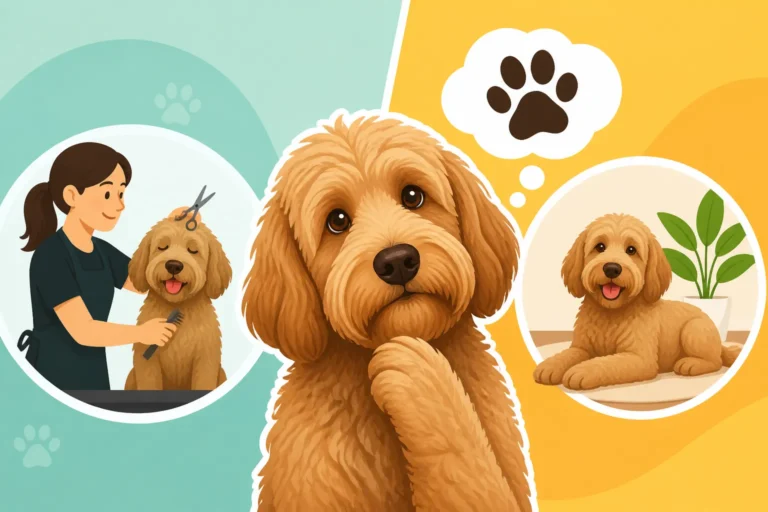
Given the potentially high costs of professional grooming for any Labradoodle, many owners consider taking matters into their own hands. It sounds like a fantastic way to save money, right? Especially with a smaller Miniature Labradoodle, it feels more manageable to do it yourself. And it absolutely can be done! However, it's crucial to understand that DIY grooming is not just a quick bath and brush. It's a significant commitment of time, specialized equipment, and a good dose of patience and willingness to learn.
The Tools and Time Investment for Home Grooming
If you decide to groom your Miniature Labradoodle yourself, you'll need to invest in a quality set of tools. This isn't just a generic brush from the pet store. We're talking professional-grade equipment that can handle a dense, often curly coat. You'll need:
- Slicker Brush: Essential for getting through the coat.
- Metal Comb: Crucial for checking for mats after brushing with the slicker. If the comb can't glide through, there's still a tangle.
- Clippers: High-quality clippers with various blades are a must for trimming the body, face, and sanitary areas. Cheap clippers will snag and pull, causing discomfort and making grooming a miserable experience for both of you. You might want to research The Clipper, Blade and Dryer a Labradoodle Owner Buys before making a purchase.
- Force Dryer: This isn't just a hairdryer; a force dryer blows water out of the coat incredibly efficiently, preventing mats and ensuring your dog is truly dry to the skin. Air drying a Labradoodle is a recipe for disaster.
- Shampoo and Conditioner: Formulated for dogs, ideally tearless for the face.
- Nail Trimmers/Grinder: Keeping those nails short is vital for comfort and health.
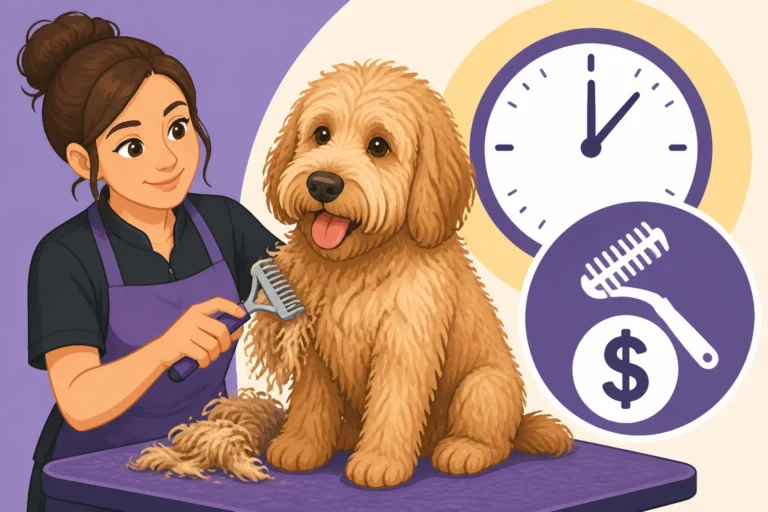
Beyond the initial financial outlay for tools, the biggest investment is your time. Learning to line brush properly, safely use clippers, and dry your dog without causing mats takes practice. A full grooming session, including bathing, drying, and clipping, can easily take several hours, even for a miniature. This needs to happen every 4-6 weeks to keep the coat healthy. Learning techniques like Teaching Yourself to Line Brush a Labradoodle is paramount, as just brushing the top layer of fur will lead to mats forming underneath.
Many owners find great success with DIY grooming, proudly showing off their handiwork. Online tutorials and even short grooming courses can be incredibly helpful. But it's not for everyone, and it's certainly not a "set it and forget it" task. For supplies, stores like Chewy offer a wide range of grooming tools and products, making it easier to gather everything you need in one place.
When Professional Help is Still Necessary
Even the most dedicated DIY groomers sometimes need to call in the professionals. There are situations where trying to save money at home can actually lead to more expense, or worse, discomfort for your Miniature Labradoodle.
- Severe Matting: If your dog develops tight, painful mats that you cannot comb through, trying to cut them out yourself can be incredibly dangerous. It's very easy to nick the skin, leading to cuts, infections, and an emergency vet visit. A professional groomer has the tools and expertise to safely remove these mats, even if it means shaving the dog short. Be prepared for a higher bill in these cases, as What a Groomer Charges to Dematt a Labradoodle by the Hour can add up quickly. Some groomers might even refuse a severely matted dog if they believe it's too painful or risky, as highlighted in Whether a Groomer Refuses a Matted Labradoodle.
- Fear and Anxiety: Some dogs simply do not tolerate home grooming, no matter how patient you are. They might snap, bite, or become overly stressed, making the process impossible. A professional groomer often has techniques and a calm demeanor that can help manage these behaviors, ensuring the dog has a safer and less stressful experience. Whether Grooming Stress Shows as Aggression in a Labradoodle is a real concern and a good reason to seek professional help.
- Specialized Trims or Styling: While a basic "kennel clip" might be achievable at home, if you want a specific style, like a teddy bear cut or neat, well-balanced proportions, a professional's eye and skill are invaluable.
- Identifying Skin Issues: Groomers often spot skin infections, parasites, lumps, or other health concerns that an owner might miss, especially under a dense coat. This early detection can be invaluable for your dog's health. Pet insurance providers like Healthy Paws can be a lifesaver if these grooming sessions uncover a health issue that requires veterinary attention.
Remember, the goal is your dog's comfort and well-being. If DIY grooming becomes too stressful or difficult, don't hesitate to reach out to a professional. Whether Home Grooming a Labradoodle Ends Badly isn't just about a bad haircut; it's about potentially hurting your dog or making them hate grooming altogether.
Factors That Influence Professional Grooming Costs Beyond Size
It's clear that a Miniature Labradoodle isn't automatically cheaper to groom just because of its size. But if size isn't the primary driver, what else contributes to the final bill you receive from the groomer? There are several key factors that influence the cost of professional grooming, and understanding them can help you manage your expectations and budget more effectively.
Groomer's Expertise and Location
Just like any skilled profession, experience and reputation play a significant role in pricing. A highly sought-after groomer with years of experience and specialized training in doodle coats will likely charge more than a novice. You're paying for their knowledge, their gentle handling techniques, and their ability to create a beautiful, healthy outcome.
Location also has a huge impact. Grooming salons in major metropolitan areas or affluent suburbs will almost always have higher prices than those in rural areas or smaller towns. Overhead costs like rent, utilities, and staff wages vary dramatically by region, and these costs are reflected in the services offered. If you live in an expensive city, expect your Miniature Labradoodle's groom to reflect that local economy.
Your Dog's Behavior and Coat Condition
This is often one of the biggest, yet most overlooked, cost drivers. A well-behaved Miniature Labradoodle with a consistently brushed, mat-free coat will always be less expensive to groom than a dog who fights the process or arrives in a matted mess.
- Behavior: If your Labradoodle is anxious, squirmy, or prone to biting during grooming, it takes the groomer more time, patience, and often requires an assistant. This extra effort translates directly into higher fees. Regular positive reinforcement training, even for simple things like standing still and allowing paw handling, can make a huge difference.
- Coat Condition: This is paramount. If your Miniature Labradoodle arrives at the salon with mats, the groomer has two options: spend extra time carefully dematting (which is often painful for the dog and costly for you, charged by the hour) or shave the mats out. Shaving a matted coat also takes extra time and care to avoid skin irritation or injury, and groomers often charge a "dematting fee" or a "matted coat surcharge." Prevention is truly key here. Consistency with brushing at home, even if you still use a professional groomer, is your best defense against unexpected matting fees.
Additional Services and Scheduling
Beyond the basic bath and haircut, groomers offer a range of additional services that can add to your bill. These might include:
- Specialty Shampoos/Conditioners: Hypoallergenic, de-shedding, or soothing skin treatments.
- Teeth Brushing/Oral Hygiene: While not a substitute for veterinary dental care, some groomers offer a basic brush.
- Anal Gland Expression: Often done during a routine groom.
- Nail Grinding vs. Clipping: Grinding often costs a little more but provides a smoother, shorter nail.
- Ear Plucking: Many Labradoodles require hair to be plucked from their ear canals to prevent infections, which is usually an extra service.
- "Add-on" Styling: Specific cuts or intricate detailing might come with an additional charge.
Furthermore, how you schedule your appointments can impact cost. Trying to squeeze in a last-minute appointment or needing emergency dematting after months of neglect will almost certainly incur higher fees than sticking to a regular 6-8 week schedule. Many groomers offer discounts for regular clients or pre-booked appointments.
Ultimately, while the size of your Labradoodle might offer a slight reduction in material usage (less shampoo, perhaps slightly smaller blades), the inherent challenges of the Labradoodle coat mean that the time, skill, and effort required from a professional groomer remain significant. A Miniature Labradoodle requires just as much, if not more, attention to detail in areas like their face and feet, and their coats mat with the same tenacity as their larger relatives.
Here’s a quick overview of how factors generally compare:
| Factor | Miniature Labradoodle | Standard Labradoodle | Impact on Cost |
|---|---|---|---|
| Physical Size | Smaller body, less area to cover | Larger body, more surface area | Minor difference if coat type/condition is the same; some slight reduction for miniature. |
| Coat Volume/Density | Can be just as dense and voluminous as a standard | Can be just as dense and voluminous as a miniature | Major factor. Dense, curly coats cost more regardless of size due to time/effort. |
| Coat Type | Fleece/Wool prevalent; high matting risk | Fleece/Wool prevalent; high matting risk | Major factor. Fleece/Wool coats are high maintenance; hair coats are less so (but rare). |
| Matting Tendency | High, especially in "trouble spots" (ears, armpits) | High, especially in "trouble spots" (ears, armpits) | Major factor. Matted coats incur significant extra fees or require shaving. |
| Grooming Frequency | Typically every 6-8 weeks for full groom | Typically every 6-8 weeks for full groom | Same frequency, so recurring costs are similar. |
| Dog's Behavior | Anxious or squirmy behavior increases time/cost | Anxious or squirmy behavior increases time/cost | Major factor. Difficult dogs cost more regardless of size. |
| DIY Feasibility | Potentially easier due to smaller size, but still requires skill/tools. | More challenging due to physical size and coat volume. | DIY can save money, but requires significant time and equipment investment. |
Before you commit to a Miniature Labradoodle, make sure you're prepared for the consistent grooming routine, whether you choose to do it yourself or rely on a professional. Integrating regular brushing into your routine from a young age and seeking out a reputable groomer who understands doodle coats will always be your best bet for managing both your dog's comfort and your budget. Remember to consider your dog's overall health too, which can impact coat quality and therefore grooming needs. Brands like Ollie, known for fresh, whole food ingredients, might contribute to a healthier coat from the inside out, potentially making professional grooming a smoother experience.
Disclaimer
This article is for general informational purposes only and does not constitute professional advice. Laws, prices and regulations vary by location and change over time. Consult a qualified professional for guidance on your specific situation.