What a Hair Coated Labradoodle Costs to Keep
It's a common misconception that a "hair-coated" Labradoodle is somehow the low-maintenance, budget-friendly option compared to its fleece or wool-coated cousins. Many prospective owners imagine a wash-and-go dog, shedding neatly like a Labrador, with minimal grooming needs. The reality, however, can be a bit more complex, and understanding the true cost of keeping a hair-coated Labradoodle requires a deep dive into the specifics of their unique genetics and daily care. This guide aims to unpack all the hidden and obvious expenses you might encounter, offering a realistic financial picture for these wonderful dogs.
Understanding the Hair Coat Reality in Your Labradoodle
When we talk about a "hair-coated" Labradoodle, it's easy to picture a dog with a sleek, straight coat that's simple to manage. The truth is, the term "hair coat" covers a spectrum, and it doesn't always mean a completely easy ride. Many people assume it sheds like a Labrador, and while some do, others have a blend that can still mat, just in different ways than a curly wool coat. It's about managing expectations and being prepared for what your particular pup's genetics throw your way.
The Genetic Lottery of a Hair Coat
The Labradoodle's coat type is a fascinating genetic puzzle, a mix of the Labrador's typically straight, shedding coat and the Poodle's curly, non-shedding fur. A "hair coat" usually means your Labradoodle has inherited more of the Labrador's coat genes. This can range from a fairly straight, coarse coat to one that's slightly wavy. The biggest distinction from fleece or wool is often the presence of an "improper coat" gene, which means they lack the furnishings (the beard and eyebrows) characteristic of the classic "doodle" look. What many don't realize is that even within the hair coat type, there's significant variability. Some hair coats might feel rougher, others smoother. The curl factor can also vary, making some hair coats look more like a slightly shaggy Labrador, while others might have a hint of wave. This variability is why it's so important to really understand what "hair coat" means for your individual dog and not just generalize.
The implications for cost are immediate. A dog with a true, short, single-layer Labrador-like hair coat will have different grooming needs than one with a longer, wavier hair coat that might still develop mats. It's not a one-size-fits-all situation, and breeders can sometimes predict coat type with DNA testing, but even then, nature has its surprises. For more on this, you might be interested in The Hair Coat Labradoodle That Sheds.
Unexpected Shedding and Housekeeping
One of the main reasons people opt for a Labradoodle, even a hair-coated one, is the hope of reduced shedding. While a hair-coated Labradoodle will shed, it's generally less prolific than a purebred Labrador, but often more than a fleece or wool-coated Labradoodle. This shedding isn't always neat and tidy, either. You might find tufts of hair on your furniture, embedded in carpets, and clinging to your clothes. This isn't just an aesthetic issue; it has cost implications. You'll likely need to invest in a good quality vacuum cleaner, one that's specifically designed to handle pet hair. Regular cleaning will become a part of your routine, and that means more frequent purchases of cleaning supplies like lint rollers, upholstery brushes, and even special laundry detergents to get dog hair out of fabrics.
Consider the wear and tear on your household items. Dog hair can clog vacuum filters faster, leading to more frequent replacements or even the need for a new machine sooner than anticipated. If you have guests with allergies, even a hair-coated Labradoodle's shedding can be problematic, despite the initial hope for an allergy-friendly dog. This might necessitate deep cleaning before visitors, or even air purifiers to help manage dander. It's not just the direct cost of grooming but the indirect costs of keeping your home clean and comfortable that add up with a shedding dog.
Grooming Costs: More Than Just Brushing
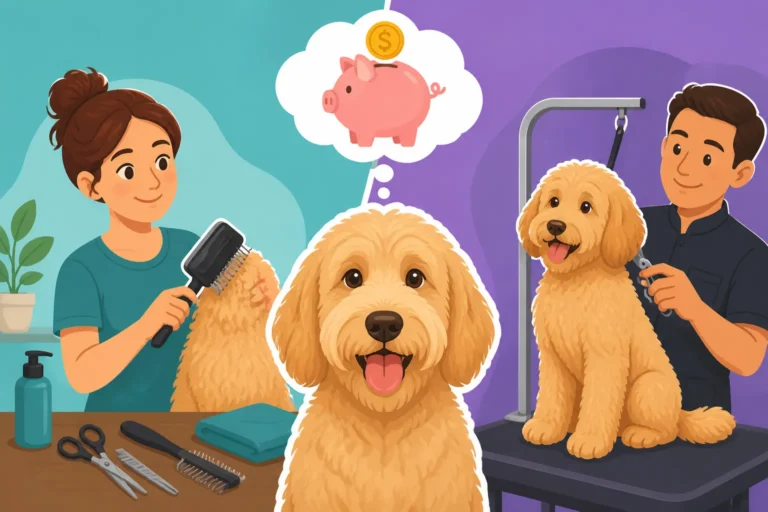
Even though a hair-coated Labradoodle might seem like it bypasses the extensive grooming needs of its curly counterparts, that's not entirely true. While you might not be battling dense felting mats in the same way, there are still significant grooming expenses, whether you go professional or decide to tackle it yourself. The assumption of "no grooming needed" can quickly lead to an unruly dog and unexpected bills.
Professional Grooming Needs for a Hair Coat
Even a hair-coated Labradoodle will benefit from professional grooming. While they might not need the intricate styling or dematting services of a wool-coated Labradoodle, regular baths, blow-dries, and sanitary trims are still essential. A groomer can ensure their nails are trimmed properly, their ears are clean and free of excessive hair, and their coat is thoroughly washed and dried to prevent skin issues. If your hair coat has any degree of wave or length, it can still develop tangles, especially in high-friction areas like behind the ears, in the armpits, or around the tail. These aren't always full-blown mats, but they can be uncomfortable and pull on the skin. A professional groomer has the tools and expertise to handle these areas gently and efficiently.
Moreover, if your hair-coated Labradoodle experiences any seasonal shedding cycles, a professional groomer can use specialized deshedding tools and techniques to help remove loose undercoat, which can significantly reduce the amount of hair floating around your home. This type of service might be less frequent than for a full-coated doodle but is still a recurring expense. Never assume that because it's a "hair coat," you can skip the groomer entirely. You might still be looking at a several hundred dollar yearly bill, just for basic maintenance and seasonal deshedding. You might find it interesting to read Whether a Hair Coated Labradoodle Needs a Groomer at All for more perspective.
DIY Grooming Expenses
If you choose to groom your hair-coated Labradoodle at home to save on professional fees, prepare for an initial outlay on tools and a consistent budget for supplies. You'll need a quality slicker brush and a sturdy comb, even for a straighter coat, to ensure you're getting down to the skin and removing dead hair. A decent dog shampoo and conditioner, formulated for canine skin, are non-negotiable. Don't forget nail clippers or a grinder, ear cleaning solution, and possibly eye wipes. If your Labradoodle has any length to its coat, you might even consider investing in a good pair of blunt-nosed grooming shears for trimming around the paws and sanitary areas.
The most significant investment for home grooming, especially if your dog has a thicker hair coat, will be a high-velocity force dryer. This tool is crucial for thoroughly drying your dog's coat to prevent skin infections and dampness, even with a shorter coat. Trying to air-dry a dog, especially one that sheds, can leave you with a perpetually damp dog smell and a prolonged shedding period indoors. These dryers can be an initial investment, but they save money on professional drying fees in the long run. Remember, while you save on the groomer's hourly rate, you're paying for the tools, supplies, and your own time. For comparison, it's worth noting What a Full Groom Costs on a Wool Coated Labradoodle to see how much you could be saving.
Essential Care and Supplies
Beyond grooming, there's a whole world of essential supplies and routine care items that contribute to the overall cost of owning a hair-coated Labradoodle. These are the day-to-day necessities that ensure your dog is comfortable, safe, and well-adjusted in your home. These items range from initial setup costs to recurring monthly or yearly expenditures.
Basic Grooming Tools for Home Maintenance
Even with a hair coat, you'll need a basic arsenal of grooming tools for routine maintenance between any professional visits or for full DIY grooming. A good quality slicker brush is essential for removing loose hair and preventing minor tangles. Pair this with a metal comb, which helps you check for any hidden mats that the slicker might miss, especially in areas where hair might be longer or denser. For their paws, you'll need dedicated nail clippers or a Dremel-style grinder to keep their nails at a healthy length, preventing discomfort and potential orthopedic issues.
Ear cleaning solution is another must-have, as Labradoodles, regardless of coat type, often inherit the Poodle's drop ears, which can be prone to infections if not regularly cleaned. Regular cleaning helps prevent moisture and debris buildup. And don't forget dog-specific shampoo and conditioner. While you might not bathe a hair-coated Labradoodle as frequently as a wool-coated one, having appropriate bathing products on hand for muddy adventures or just general freshening up is important. These upfront costs, while not enormous individually, add up to a necessary toolkit for responsible dog ownership.
Everyday Essentials: Gear, Beds, and Toys
The initial setup for any Labradoodle involves a significant investment in everyday essentials. A sturdy leash and collar or a comfortable harness are fundamental for walks and training. Many owners find a front-clip harness beneficial for teaching a large Labradoodle not to pull. You’ll need food and water bowls, ideally stainless steel or ceramic, which are easy to clean and hygienic.
A comfortable dog bed is essential, providing a designated resting spot and promoting good sleep. Given a Labradoodle's size, especially a standard one, a quality, durable bed can be a significant purchase. Many owners also opt for a crate, particularly for puppies, for house-training and creating a safe den. Crates come in various sizes and can be a substantial initial cost.
And then there are toys! Labradoodles are intelligent and active dogs, needing mental and physical stimulation. A variety of toys—chew toys, puzzle toys, fetch toys—are vital to prevent boredom and destructive behaviors. While individual toys might not seem expensive, building a rotating collection to keep your dog engaged can add up over time. Some owners find Chewy a convenient place to stock up on these items, often offering a wide selection and good value. Remember, these aren't one-time purchases; beds and toys wear out and need replacing, contributing to the ongoing cost of ownership.
Health and Wellness Expenses
Regardless of coat type, all Labradoodles come with a baseline of health and wellness expenses that are non-negotiable for responsible pet ownership. These range from routine preventative care to potentially significant costs for unexpected medical issues, and it's where careful planning and preparation can really pay off.
Routine Vet Visits and Vaccinations
The foundation of your Labradoodle's health care is regular veterinary check-ups. As a puppy, your hair-coated Labradoodle will need a series of vaccinations, deworming, and initial health screenings. These first few months can be quite costly due to the frequency of vet visits. Once they're an adult, annual wellness exams are crucial. During these visits, your vet will perform a physical examination, update vaccinations, and recommend preventive medications for fleas, ticks, and heartworm. These preventative treatments are often given monthly or quarterly and are an ongoing, essential expense.
Blood work might also be recommended periodically, especially as your dog ages, to catch any underlying health issues early. These routine costs, while predictable, can add up. It’s important to budget for them consistently rather than being surprised each year. Keeping up with these basics helps ensure your Labradoodle stays healthy and can potentially save you from more expensive emergency treatments down the line. For further insights into long-term health, consider The Yearly Screening a Labradoodle Should Get.
Unexpected Vet Bills and Pet Insurance
No matter how well you care for your hair-coated Labradoodle, accidents and illnesses can strike unexpectedly, leading to potentially significant vet bills. A sudden injury, an unexpected allergic reaction, or the onset of a chronic condition can quickly run into the thousands of dollars. This is where pet insurance becomes a critical consideration. Companies like Healthy Paws offer various plans that can help mitigate the financial impact of these unforeseen events. While pet insurance itself is a monthly premium, it provides peace of mind and allows you to make medical decisions based on what's best for your dog, rather than solely on your wallet.
Without insurance, you need to have a robust emergency fund specifically for your dog. Imagine if your Labradoodle swallowed something it shouldn't have, or developed a sudden infection – these require immediate veterinary attention, diagnostics, and treatment that are not cheap. Having a plan for these scenarios, whether through insurance or savings, is a crucial part of responsible Labradoodle ownership. You might find it useful to think about What a Labradoodle Owner Should Watch For After Eight, as older dogs often incur more health-related costs.
Dental Care: Professional Cleanings and At-Home Products
Dental health is often overlooked but is a vital component of your Labradoodle's overall well-being and another source of expense. Just like humans, dogs can develop plaque and tartar buildup, leading to gum disease, bad breath, and even systemic health issues if bacteria from the mouth enter the bloodstream. While daily tooth brushing with dog-specific toothpaste is recommended at home, most dogs will eventually need professional dental cleanings under anesthesia at the vet.
These professional cleanings can be costly, as they involve anesthesia, scaling, polishing, and potentially extractions if severe dental disease is present. The frequency of these cleanings varies by individual dog, but many vets recommend them every one to three years. To reduce the need for frequent professional cleanings, investing in dental chews, water additives, and maintaining a consistent at-home brushing routine can help. Neglecting dental care, however, almost guarantees higher costs down the line when extractions or more intensive treatments become necessary.
Food and Nutrition Considerations
Feeding your Labradoodle, hair-coated or not, will be one of your most significant ongoing expenses. It's not just about filling a bowl; it's about providing the right nutrition to support their health, energy levels, and growth, which directly impacts their long-term well-being and, by extension, your veterinary costs.
Quality Food Choices for a Labradoodle's Needs
The type and quality of food you choose for your hair-coated Labradoodle will have a direct impact on your budget. Labradoodles are active dogs that require a balanced diet to fuel their playful nature and maintain a healthy weight. High-quality kibble from reputable brands can be a substantial monthly cost, and prices vary widely based on ingredients, brand reputation, and whether it's formulated for large breeds, puppies, or seniors. For a standard-sized Labradoodle, you'll be buying large bags of food regularly.
Beyond traditional kibble, many owners explore other options like fresh food delivery services, such as Ollie, or even raw feeding. These options typically come with a higher price tag but offer different nutritional profiles that some owners prefer. It's crucial to research and choose a food that meets your dog's specific dietary needs, age, and activity level. Consulting with your veterinarian about nutritional requirements is always a good idea. Remember that cheaper food isn't always a bargain if it leads to health issues later on. Pay attention to The Weight a Labradoodle Should Hold to ensure you're feeding them appropriately without over or under-feeding.
Treats and Supplements
Treats are an essential part of training, rewarding good behavior, and simply showing your Labradoodle some love. However, the cost of treats can add up quickly. Opting for healthy, low-calorie options is wise, especially if your Labradoodle is prone to putting on weight. Buying in bulk or making your own healthy treats can sometimes save money. Many pet supply retailers, like Chewy, offer a wide variety of treats that cater to different needs and budgets.
Beyond treats, many Labradoodle owners consider supplements, particularly for joint health as their dogs age. Given the breed's susceptibility to conditions like hip and elbow dysplasia (inherited from both parent breeds), joint supplements containing glucosamine and chondroitin are often recommended proactively by vets or after a diagnosis. Other supplements like fish oil for coat health or probiotics for digestion might also be added. While these aren't always cheap, they can play a role in maintaining your Labradoodle's health and comfort, potentially reducing the need for more expensive interventions in the future.
Training and Enrichment
A well-behaved Labradoodle is a joy, but achieving that involves an investment in training and ongoing enrichment. This isn't just about teaching commands; it's about shaping a balanced temperament and providing outlets for their intelligence and energy, which is crucial regardless of their coat type.
Puppy Classes and Professional Trainers
The Labradoodle, whether hair-coated or not, is a smart and energetic dog that benefits immensely from early socialization and consistent training. Puppy classes are an excellent initial investment, providing a structured environment for your dog to learn basic commands, interact safely with other dogs and people, and build a strong foundation for future training. These classes come with a fee, but the benefits of a well-socialized and responsive puppy are invaluable.
As your Labradoodle grows, you might encounter specific behavioral challenges or simply wish to advance their obedience. This is where professional trainers or specialized classes come in. Whether it's for leash manners, recall work, or addressing a specific issue like jumping, private sessions or advanced group classes can be a significant expense. However, investing in training upfront can prevent more serious, costly behavioral problems down the line that might require more intensive intervention. Remember, a well-trained dog is a happier dog and a happier owner. It's especially important to know what you're dealing with during the adolescent phase; The Ten Month Old Labradoodle That Forgets Everything highlights common challenges.
Toys, Chews, and Mental Stimulation
Labradoodles are intelligent dogs, a trait they inherit from both the Poodle and the Labrador side. This means they need more than just physical exercise; they require mental stimulation to stay happy and prevent boredom-induced destructive behaviors. Investing in a variety of puzzle toys, treat-dispensing toys, and interactive games is essential. These toys, while often not cheap, engage your dog's mind and keep them occupied when you can't actively play with them.
Chew toys are also crucial, especially for puppies and young adults who have a strong urge to chew. Providing appropriate chew toys can save your furniture, shoes, and sanity. Different types of chews suit different dogs, from durable rubber toys to natural chews. You'll need to replenish these regularly as they wear out. Beyond toys, activities like scent work, teaching new tricks, or even just regular varied walks that allow them to explore new smells all contribute to their mental well-being and are essentially "free" forms of enrichment, but still require your time and consistency. Investing in this aspect of their care is crucial for preventing problem behaviors that could lead to even greater costs in frustration and property damage.
Financial Planning for Your Hair-Coated Labradoodle
Bringing a Labradoodle into your life is a long-term commitment, and while the love and companionship they offer are priceless, the financial investment is very real. Understanding these costs upfront, especially for a hair-coated Labradoodle, can help you budget effectively and avoid surprises.
Creating a Realistic Budget
To truly understand the financial commitment, it's wise to create a detailed budget. Start with the initial, one-time costs: the purchase price of your puppy (which can vary widely), the cost of initial vet visits, vaccinations, microchipping, spay/neuter surgery, and essential puppy supplies like a crate, bed, leash, and bowls. These can easily run into thousands of dollars before your puppy even reaches adulthood.
Then, transition to ongoing monthly and annual expenses. Factor in food, treats, parasite preventatives (flea, tick, heartworm), regular grooming (even if you DIY, factor in supplies and occasional professional trims), annual vet check-ups, pet insurance premiums, and a budget for toys and training classes. Don't forget potential boarding or pet-sitting fees if you travel. Keeping track of these expenses will give you a clear picture of what it truly costs to maintain a happy, healthy hair-coated Labradoodle. For a broader overview, consider The Yearly Grooming Total on a Standard Labradoodle.
Emergency Fund and Long-Term Savings
Beyond the regular budget, it's critically important to establish an emergency fund specifically for your dog. Even with pet insurance, there are deductibles, co-pays, and services that might not be fully covered. Unexpected illnesses or accidents can happen at any time, and having a dedicated fund means you won't be caught off guard. This fund should ideally cover several thousand dollars, enough for a significant emergency vet visit or unforeseen medical procedure.
Furthermore, consider long-term savings for your Labradoodle's senior years. As dogs age, they often require more frequent vet visits, specialized diets, joint supplements, and potentially medications for age-related conditions like arthritis or declining organ function. These costs can be substantial. Planning for these later years ensures that your hair-coated Labradoodle receives the best possible care throughout their entire lifespan, which can be The Twelve to Fifteen Years a Labradoodle Lives. It’s about being a responsible, prepared owner who can provide for all their dog's needs, from puppyhood through their golden years.
Table of Estimated Annual Costs for a Hair-Coated Labradoodle
Please note that these are approximate ranges and actual costs can vary significantly based on location, brand choices, health needs, and whether you opt for professional services or DIY.
| Category | Low Estimate (DIY / Basic) | High Estimate (Professional / Premium) | Notes |
|---|---|---|---|
| Food & Treats | A few hundred dollars | Upwards of a thousand dollars | Depends on brand, type (kibble vs. fresh/raw), and size of dog |
| Routine Vet Care | A few hundred dollars | Nearing a thousand dollars | Annual exams, vaccinations, parasite prevention |
| Grooming & Supplies | A couple hundred dollars | Upwards of several hundred dollars | Brushes, shampoo, nail clippers; includes occasional professional bath |
| Pet Insurance (Premium) | A few hundred dollars | Around a thousand dollars | Varies by age, breed, coverage level, and deductible |
| Toys & Enrichment | A hundred dollars | A few hundred dollars | Regular replacement and variety needed for mental stimulation |
| Training (Ongoing) | Minimal (DIY) | Several hundred dollars | Group classes, workshops, or private sessions |
| Miscellaneous | A few hundred dollars | A few hundred dollars | Boarding, pet-sitting, waste bags, dental chews |
| Total Annual Estimate | Around two thousand dollars | Upwards of three thousand dollars | Excludes major unexpected medical emergencies or initial puppy costs. |
Disclaimer
This article is for general informational purposes only and does not constitute professional advice. Laws, prices and regulations vary by location and change over time. Consult a qualified professional for guidance on your specific situation.