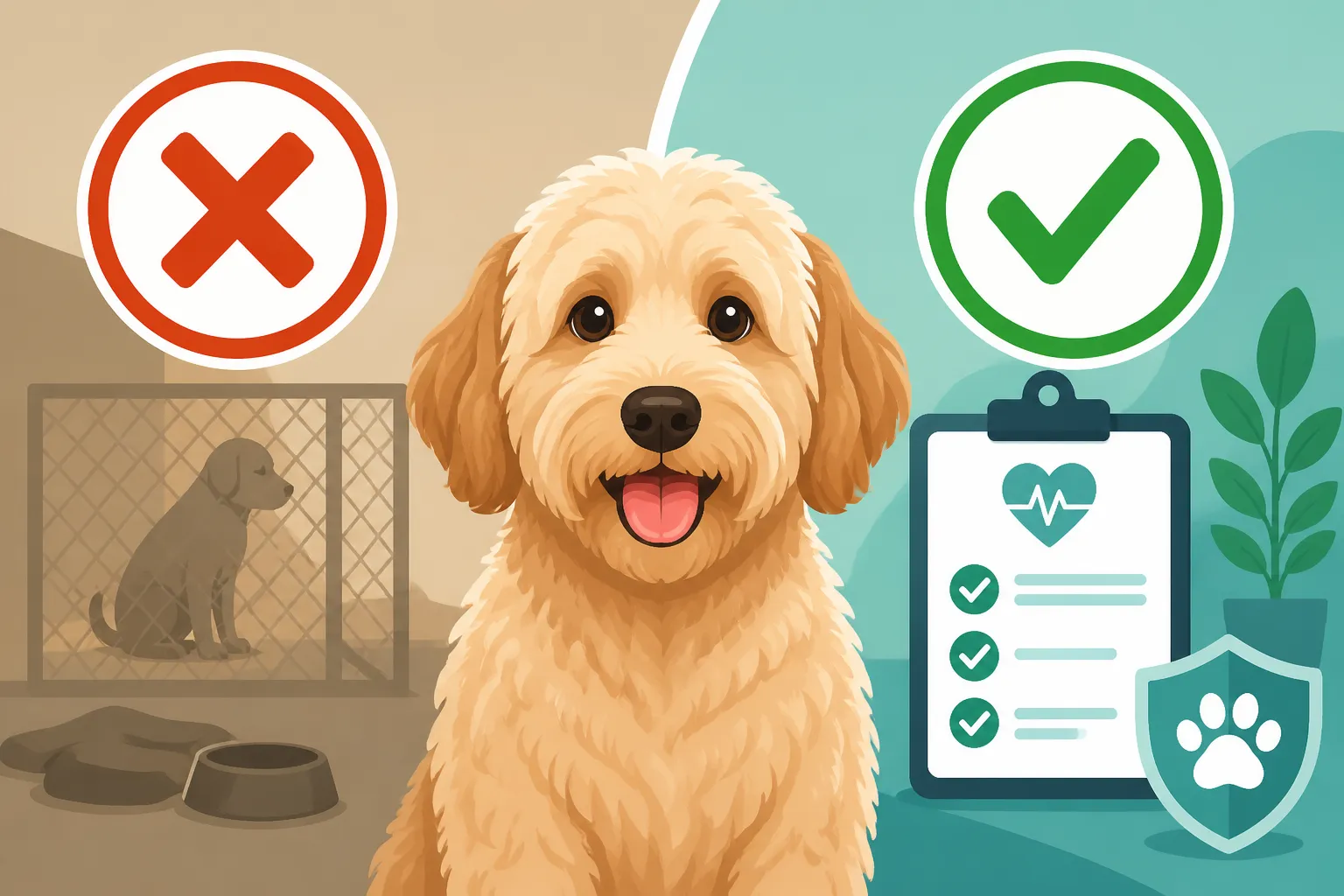
Whether a Rescue Labradoodle Is Health Tested
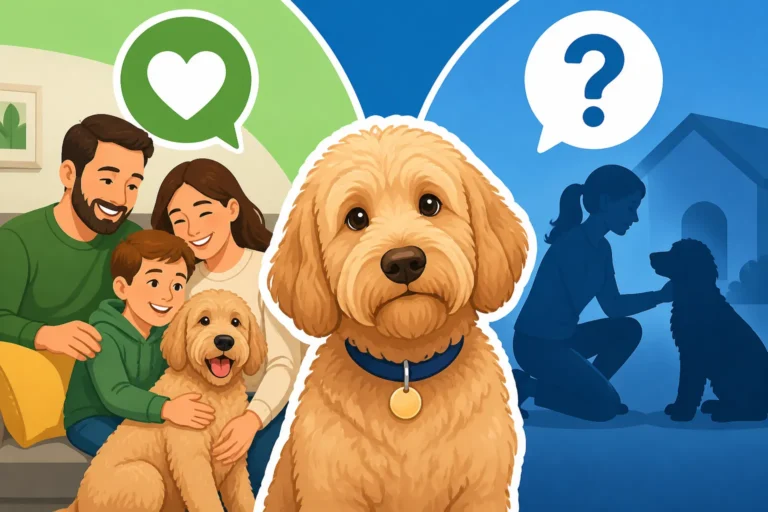
One of the biggest anxieties when considering bringing a rescue Labradoodle into your home is the unknown – specifically, their health history. It's a completely valid concern, weighing on many hearts as they navigate the adoption process, wondering if they're inviting a lifetime of unexpected vet bills along with the unconditional love. This guide aims to shed light on exactly what you can expect regarding health testing for a rescue Labradoodle, detailing the care rescues typically provide and how you can proactively ensure your new companion's well-being.
The Reality of Rescue Dogs and Health Testing
Let's be honest, when you adopt a rescue dog, you're often getting a canine companion whose past is a bit of a mystery. Unlike purchasing a puppy from a reputable breeder who provides extensive health clearances for the parents and, often, initial vet checks for the litter, rescue organizations typically receive dogs with little to no prior medical documentation. This isn't a fault of the rescue; it's simply the reality of how many dogs end up in their care. They might come from shelters, owner surrenders, or even found as strays, all situations where a detailed health history is rarely available.
The goal of a rescue, first and foremost, is to provide immediate care, stabilize the dog, and get them ready for a new home. This means addressing any urgent medical needs and ensuring they are generally healthy enough for adoption. However, it doesn't always extend to the extensive breed-specific genetic testing that breeders perform, nor does it guarantee a complete health rundown from nose to tail for every potential condition a Labradoodle might face. It's a pragmatic approach born out of necessity and the sheer volume of animals needing help.
The Information Gap in Rescue Backgrounds
Imagine a Labradoodle, let's call her Daisy, found wandering the streets. She's picked up by animal control, then transferred to a rescue. When Daisy arrives, the rescue has no idea where she came from, who her parents were, or what genetic predispositions might be lurking in her lineage. They can guess her age, assess her temperament, and certainly treat any immediate ailments, but they can't magically conjure up a family tree or a list of her parents' health clearances. This information gap is incredibly common in rescue situations and is one of the primary reasons why rescue Labradoodles often don't come with the same "health tested" pedigree as those from responsible breeders.
This lack of history can feel daunting, especially for those familiar with the importance of health testing for breeds like the Labradoodle. Concerns about hip and elbow dysplasia, eye conditions like progressive retinal atrophy (PRA), or even more complex issues like Addison's disease or Exercise Induced Collapse (EIC) are legitimate. Without documentation, you're left to wonder what might manifest down the line. It's a gamble, yes, but one that many adopters willingly take, knowing they're offering a second chance. The Health Tests a Labradoodle Breeder Should Show details what ideal testing looks like from a breeder.
Initial Vet Checks vs. Comprehensive Screening
When a Labradoodle enters a rescue, they generally undergo a thorough initial veterinary examination. This typically includes a physical exam, vaccinations, deworming, and often spay/neuter surgery if not already done. They'll also be tested for common infectious diseases like heartworm, Lyme disease, and sometimes general bloodwork to check organ function. These are crucial steps that ensure the dog is healthy enough to be adopted and won't pose an immediate health risk to other pets or humans in their new home.
However, this initial check-up is usually not the same as comprehensive genetic health screening. For example, a vet might visually assess a dog's gait for signs of lameness, which could indicate hip or elbow issues, but they won't typically perform OFA or PennHIP X-rays unless there are clear symptoms or a strong suspicion. Similarly, eye exams might check for obvious issues but not necessarily the specialized ophthalmologist screenings for conditions like prcd-PRA, which can develop later in life. The focus is on current health and preventing the spread of communicable diseases, not necessarily on predicting future genetic conditions.
Why Health Testing Matters for Labradoodles
For any breed, but especially for hybrid dogs like the Labradoodle, understanding potential health issues is paramount. The Labradoodle inherits genetic predispositions from both its parent breeds, the Labrador Retriever and the Poodle. This means they can be susceptible to a wide array of conditions, some of which can be debilitating and incredibly costly to manage over a dog's lifetime. Knowing what to watch for, and ideally, having a clear understanding of a dog's genetic status, can make all the difference in providing appropriate care and planning for their future.
Ignoring these potential issues isn't just a financial risk; it's a quality of life issue for the dog. Early detection and management of certain conditions can significantly improve a Labradoodle's comfort and longevity. When you adopt a rescue, without a known health history, you become even more responsible for being vigilant and proactive in monitoring their health. It's not about being paranoid, but about being an informed and responsible pet parent.
Understanding Breed-Specific Concerns
Labradoodles, being a cross of two distinct breeds, can inherit health concerns from both sides of their family tree. From the Labrador side, we commonly see predispositions to hip and elbow dysplasia, Exercise Induced Collapse and the Labradoodle's Labrador Half, and certain eye conditions. Poodles contribute their own set of potential issues, including Addison's disease, sebaceous adenitis, various eye conditions, and even a higher risk for bloat due to their deep chests. This combination means a Labradoodle has a broader spectrum of genetic conditions to potentially contend with than a purebred dog from a meticulously screened line.
For example, hip and elbow dysplasia can lead to debilitating arthritis and pain as the dog ages, sometimes requiring expensive surgeries. Hips and Elbows in a Sixty Pound Labradoodle is a common concern. The Progressive Retinal Atrophy Labradoodles Are Tested For can lead to blindness, which, while not painful, requires significant adjustments for both dog and owner. Addison's disease, a tricky endocrine disorder, often mimics other illnesses and can be life-threatening if not diagnosed and managed. Recognizing these breed-specific risks helps you understand why health testing, even for a rescue, is such a big conversation point.
The Cost of Untested Conditions
Let's face it, veterinary care isn't cheap, and managing chronic or emergent conditions can quickly add up. Adopting a rescue Labradoodle with an unknown genetic background means you might unknowingly take on a dog with a predisposition to a costly condition. Imagine adopting a sweet Labradoodle, only to discover a year later they develop severe hip dysplasia requiring bilateral hip replacement surgery – a procedure that can run into the tens of thousands. Or perhaps they have a genetic eye condition that progresses to blindness, necessitating regular specialist visits. The EIC, Addison's and Bloat Bills a Labradoodle Owner Meets can be substantial.
These aren't scare tactics; they're the real-life scenarios many dedicated rescue adopters face. While the love and companionship are priceless, the financial burden can be immense. This is why many prospective adopters consider pet insurance, like plans offered by Healthy Paws, even before bringing a rescue home. It’s about being prepared for the unknown and ensuring you can provide the best possible care, regardless of what genetics might throw your way. Investing in pet insurance early can be a lifesaver if your rescue Labradoodle later develops an unforeseen condition that wasn't covered by initial rescue health checks.
How Rescues Approach Health Care
Rescue organizations operate under significant constraints, both financial and logistical. Their primary mission is to save lives and place dogs in loving homes. This means their health protocols are designed to be efficient, effective, and prioritize the most common and urgent health needs of the animals in their care. They are not typically set up to provide the full spectrum of genetic testing that a dedicated breed club or a top-tier breeder might undertake, simply because it's cost-prohibitive and often impossible without a known lineage.
However, this doesn't mean rescue dogs are neglected. Far from it. Reputable rescues are diligent in providing a foundational level of care that ensures the dogs are healthy and ready for adoption. They work closely with local veterinarians and often rely on a network of volunteers and foster homes to monitor the dogs' health and behavior. What they provide is a safety net of basic veterinary care, addressing immediate issues and preventing spreadable diseases.
Standard Veterinary Care Provided by Rescues
Every reputable rescue will provide a baseline of veterinary care before a dog is adopted. This typically includes:
- Comprehensive Physical Exam: A licensed veterinarian will examine the dog from nose to tail, checking for any obvious injuries, dental issues, skin conditions, heart murmurs, or other signs of illness.
- Vaccinations: Dogs will be brought up to date on core vaccinations (distemper, parvovirus, adenovirus, rabies) and often kennel cough.
- Deworming and Parasite Treatment: They are typically treated for common internal parasites (worms) and external parasites (fleas, ticks).
- Spay/Neuter Surgery: Almost all rescues require that adopted animals be spayed or neutered before leaving their care, or have a contract clause mandating it if the dog is too young for the procedure at the time of adoption.
- Microchipping: Many rescues microchip their dogs, which is a fantastic way to ensure they can be reunited with you if they ever get lost.
- Testing for Common Diseases: This often includes heartworm testing and preventative medication, as well as sometimes testing for tick-borne diseases.
This level of care ensures that the dog you bring home is generally healthy and doesn't carry easily transmissible diseases. It’s a solid foundation, even if it doesn't delve into the nuanced genetic health testing.
Addressing Immediate Health Needs
Beyond the standard procedures, rescues are also committed to addressing any immediate or obvious health needs a Labradoodle might have upon arrival. If a dog comes in with a severe ear infection, like those Labradoodles are prone to due to their drop ears and potential ear hair, the rescue will treat it. If they have dental disease, the rescue might perform a dental cleaning and extractions if necessary. Injuries, skin infections, or manageable chronic conditions will also be addressed. The Hair That Grows Where a Labradoodle's Ear Should Drain can often contribute to these issues, requiring proactive care.
This means that while they might not perform a DNA test for EIC, they will treat a dog limping from a suspected injury or an obvious case of mange. Their focus is on stabilizing the animal, alleviating suffering, and ensuring they are in reasonable health for adoption. This crucial work is a testament to their dedication, and it often means that dogs are nursed back to health from difficult situations, showcasing incredible resilience before they even find their forever homes.
Taking Control: Your Role in a Rescue Labradoodle's Health
Given the inherent unknowns with rescue dogs, particularly concerning their genetic health history, it falls to the adopter to be proactive. This isn't a burden, but rather an empowering aspect of pet ownership. By understanding the limitations of rescue health testing and taking steps yourself, you can provide the best possible long-term care for your Labradoodle and gain peace of mind. It’s about shifting from expecting a perfectly documented past to actively shaping a healthy future.
You become the advocate for your rescue Labradoodle, making informed decisions about their ongoing care, from their diet to their vet visits and potential diagnostic testing. This hands-on approach builds a strong bond and ensures that any emerging health concerns are addressed promptly, giving your furry family member the best chance at a long, happy life.
Advocating for Pre-Adoption Information
When you're looking at a rescue Labradoodle, don't hesitate to ask specific questions about their health, even if you know the answers might be limited. Rescues appreciate adopters who are informed and engaged. Ask about:
- Any known health issues: Has the dog been treated for anything specific?
- Behavioral observations: Any stiffness, lameness, or issues with exercise tolerance? These could hint at underlying conditions like EIC or hip dysplasia.
- Dietary needs or sensitivities: Have they been on any special diets?
- Previous vet records: While often non-existent, sometimes a previous owner surrenders records.
- Age and general condition: Are they energetic or seem lethargic?
While you might not get definitive answers about genetic tests, gathering all available information helps you create a baseline. If you're seriously considering a specific dog, some rescues might allow for a "foster-to-adopt" period or even permit a pre-adoption vet visit with your veterinarian. This is an excellent opportunity for your vet to give a second opinion and discuss potential future concerns specific to the dog's presentation.
Proactive Testing After Adoption
Once you bring your rescue Labradoodle home, the proactive health journey truly begins. Schedule a full check-up with your own trusted veterinarian soon after adoption. Discuss your concerns about breed-specific conditions. Depending on the dog's age and any observed symptoms, your vet might recommend specific screenings.
Here's a table outlining some common considerations for Labradoodle health testing that you might discuss with your vet:
| Health Test Category | Specific Conditions | Purpose | Typical Cost Consideration |
|---|---|---|---|
| Orthopedic | Hip Dysplasia, Elbow Dysplasia | To assess joint health and screen for conditions causing lameness or arthritis. | X-rays for screening. |
| Eye Conditions | Progressive Retinal Atrophy (PRA), Cataracts | To screen for genetic eye diseases that can lead to blindness. | Specialized ophthalmologist exam (CAER) and/or DNA testing. |
| Endocrine | Addison's Disease, Thyroid Disease | To screen for hormonal imbalances; Addison's can be life-threatening. | Blood tests (ACTH stimulation for Addison's, full thyroid panel). |
| Neurological | Exercise Induced Collapse (EIC), Epilepsy | To identify genetic predispositions for muscle weakness after exercise or seizure disorders. | DNA testing for EIC, comprehensive neurological workup for epilepsy. |
| Skin/Coat | Sebaceous Adenitis, Allergies | To diagnose inflammatory skin conditions or identify allergy triggers. | Skin biopsies, allergy testing, elimination diets. |
| Cardiac | Subvalvular Aortic Stenosis | To screen for heart conditions. | Echocardiogram. |
Remember, your vet will guide you on which tests are most appropriate based on your dog's age, physical exam, and any family history they might have (even if anecdotal from the rescue). For instance, if you're concerned about The Age prcd-PRA Takes a Labradoodle's Night Vision, your vet might recommend a specific eye exam.
You can also look into DNA testing services. While not a substitute for veterinary care, some companies offer breed-specific panels that can screen for genetic markers associated with conditions like EIC or PRA. This can give you valuable insight into potential risks, even if the rescue couldn't provide this information. Chewy and other online pet supply retailers often carry high-quality supplements that can support joint health or coat condition, which might be recommended by your vet to proactively manage certain predispositions.
The Value of Pet Insurance for Rescues
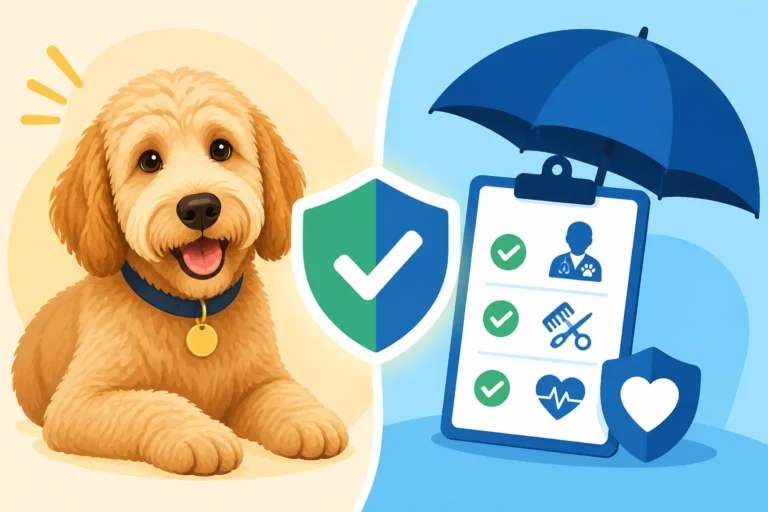
Bringing home a rescue Labradoodle often means embracing a bit of the unknown, especially concerning health. This is precisely where pet insurance becomes an invaluable tool. Since many rescues come with limited or no prior health history, there's a higher chance that an undetected condition could emerge later. A good pet insurance policy, like those from Healthy Paws, can help buffer the financial impact of unexpected illnesses, accidents, or even chronic conditions that might develop down the line. It offers peace of mind, knowing that if your beloved Labradoodle needs extensive diagnostics or treatment, you won't be making decisions based solely on cost.
When choosing a policy for your rescue Labradoodle, pay close attention to waiting periods and what constitutes a pre-existing condition. It's always best to enroll your pet as soon as possible after adoption, ideally before any minor issues might be noted in their vet records, which could then be excluded from coverage. Some policies might offer wellness plans in addition to accident and illness coverage, which could help with the cost of routine check-ups and preventative care. Having insurance means you can focus on your Labradoodle's health and happiness, rather than worrying about the emergency vet bill, especially if something like bloat or an Addisonian crisis were to occur. What Insuring a Labradoodle Puppy Runs Monthly or even an adult rescue should be thoroughly researched.
Disclaimer
This article is for general informational purposes only and does not constitute professional advice. Laws, prices and regulations vary by location and change over time. Consult a qualified professional for guidance on your specific situation.