Whether a Retired Guardian Labradoodle Stays With the Family
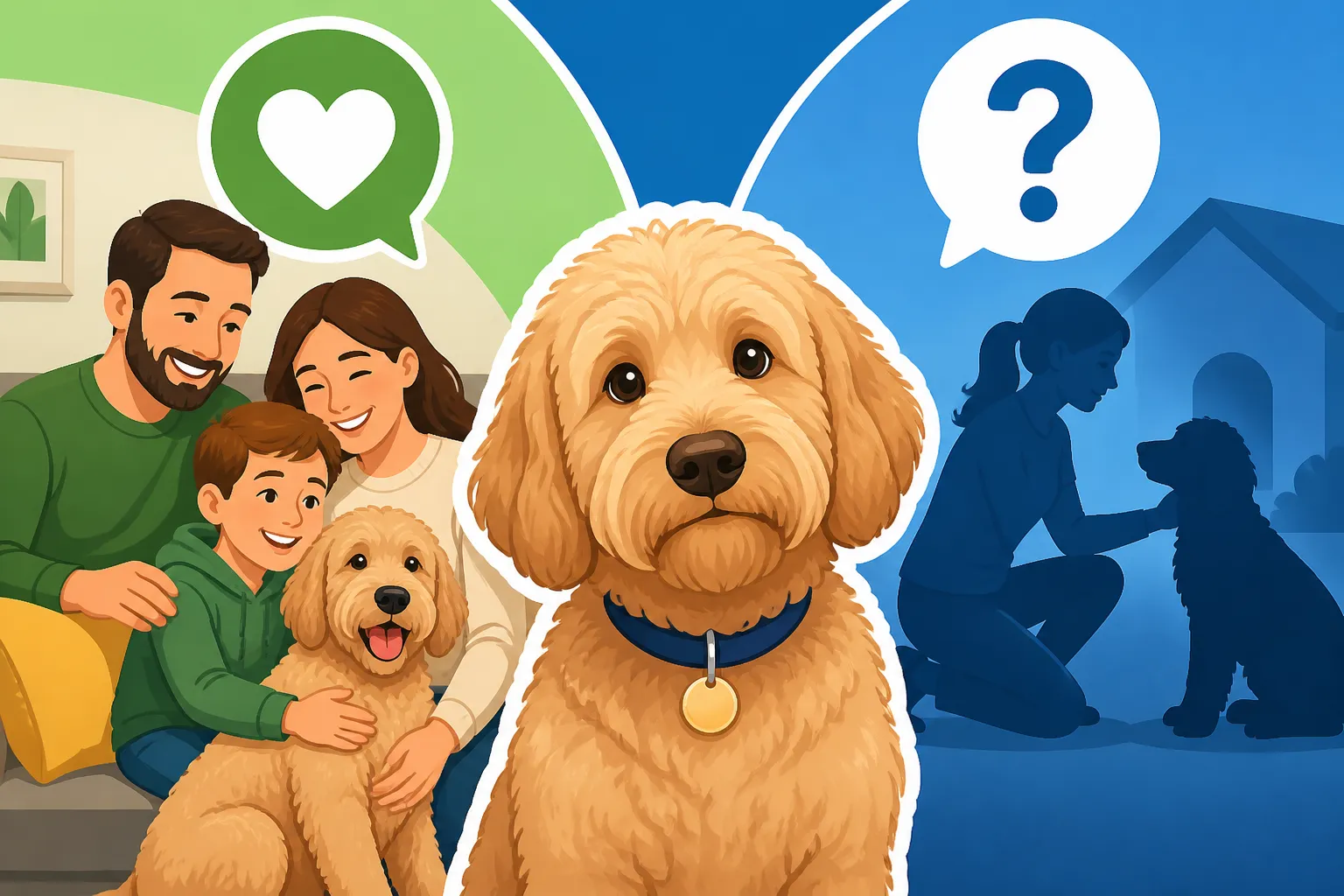
When you welcome a Labradoodle into your home through a guardian program, you're not just getting a dog; you're entering into a unique partnership with a breeder. Many families pouring their love and time into raising a breeding dog understandably worry about the day that dog retires from its official duties. This guide will meticulously explore the intricacies of guardian home agreements, focusing on the crucial question: whether your beloved Labradoodle will remain a cherished member of your family permanently after its breeding career concludes.
Understanding the Guardian Home Concept for Labradoodles
The guardian home concept is a popular model for ethical Labradoodle breeders, and it's something many prospective owners are curious about, and sometimes even a little confused by. It's not a standard adoption, nor is it simply fostering. It's a structured arrangement designed to benefit the dogs, the breeder, and the guardian family, though it comes with its own set of responsibilities and expectations. For a deep dive into the specifics, you can learn more about How a Guardian Home Labradoodle Arrangement Works.
Why Breeders Use Guardian Homes
Breeders utilize guardian homes for a variety of very practical and ethical reasons. Firstly, it allows them to expand their breeding program without housing a large number of dogs in kennels or a single home. Imagine a responsible breeder who wants to maintain excellent genetics and diversify their lines; they might need several breeding females and a few stud males. Keeping all these dogs in one location can quickly become overwhelming, potentially compromising the individual attention and quality of life each dog receives. By placing breeding dogs in loving guardian homes, these dogs get to live full, rich lives as family pets from puppyhood, rather than being confined to a breeding facility. This model ensures that breeding dogs are well-socialized, cherished, and integrated into a family environment, which is far better for their psychological and physical well-being. It’s a way to ensure the dogs are truly pets first, even while they contribute to future generations of Labradoodles.
Secondly, guardian homes provide a stable, consistent environment that helps reduce stress for the breeding dog. A dog that lives in a home, receives regular affection, training, and exercise, and builds a strong bond with its human family is generally a happier, healthier dog. This is especially important for female Labradoodles during pregnancy and while raising a litter. Having a familiar, secure place to whelp and nurture puppies can make a huge difference in their overall experience and the temperament of the puppies they produce. Similarly, stud dogs benefit from living as cherished family members, maintaining their friendly, outgoing personalities rather than becoming isolated.
The Dual Role of a Guardian Home Labradoodle
A Labradoodle in a guardian home lives a fascinating dual existence. For all intents and purposes, it is your family pet. It sleeps on your couch, goes for walks with you, plays fetch in the park, and receives all the love and care you'd give any other cherished dog. This is the primary role: being a loved companion. You are responsible for its daily exercise, training, grooming, and general welfare, just as you would be for any dog you own outright. This includes providing high-quality food, like options you might find from a reputable brand such as Ollie, ensuring proper nutrition from puppyhood through their senior years.
However, this dog also has a critical secondary role as a contributor to the breeder's program. For female Labradoodles, this means returning to the breeder for breeding appointments, whelping, and raising puppies for a certain number of litters. For males, it means being available for stud duties as needed. This requires a significant level of cooperation and communication between the guardian family and the breeder. You become a partner in the breeding process, entrusted with the care of a valuable animal while upholding specific terms laid out in a contract. This dual role can sometimes be challenging, as it requires balancing your pet's needs with the breeder's program requirements, but it's fundamentally about providing the best possible life for the dog while still allowing for responsible breeding.
Deciphering the Guardian Home Contract and Its Terms
The guardian home contract is the bedrock of this unique arrangement. It's not something to skim over; it’s a legally binding document that outlines the responsibilities of both the guardian family and the breeder, and crucially, determines the dog's long-term future. Understanding every clause is paramount, especially regarding ownership and retirement. You should also consider reading up on What a Guardian Home Labradoodle Contract Says for more insights.
Ownership During the Breeding Years
Typically, during the breeding years, the breeder retains ownership of the Labradoodle. This is a crucial point that often surprises people. While the dog lives in your home and you provide daily care, the legal title usually remains with the breeder. This arrangement allows the breeder to make all breeding-related decisions, such as when the dog will be bred, which partner it will be paired with, and when it will be retired from the program. The contract will usually specify that the breeder covers all breeding-related veterinary expenses, while the guardian family is responsible for routine veterinary care, food, grooming, and other day-to-day costs. This division of responsibility is a key component of the guardian program, making it distinct from outright ownership.
It's vital to read these clauses very carefully. Some contracts might state co-ownership, but even then, the breeder often holds ultimate decision-making power regarding breeding. This means that while you love and care for the dog as your own, its reproductive future is not in your hands. This period of shared responsibility, where you are the primary caregiver but not the legal owner for all purposes, is precisely why the retirement clause becomes so important. You’re investing emotionally in a dog that isn’t technically yours to keep yet, making clear contractual terms about its eventual transfer of ownership absolutely essential for peace of mind.
The Retirement Clause: What Happens Next?
This is often the most anxiety-inducing part for guardian families. The retirement clause dictates what happens to the Labradoodle once its breeding career is over. In the vast majority of ethical guardian home agreements, the contract will explicitly state that once the dog is retired (meaning it has had its agreed-upon number of litters, or reached a certain age for males), full legal ownership is transferred to the guardian family. This is the moment you've been waiting for, the transition from co-parenting a breeding dog to solely owning your beloved pet.
However, it's not always a simple one-line statement. The clause should detail the conditions for retirement, such as the maximum number of litters for females (often 2-4), or a specific age for both males and females (e.g., typically between 4-6 years old). It should also outline the process for transferring ownership, which usually involves signing a transfer of ownership document or spaying/neutering the dog at the breeder's expense, followed by the formal transfer. This spay/neuter procedure is a critical step, as it formally ends the dog's breeding potential and signals its permanent shift into a pet-only role. Without a clear retirement clause affirming permanent placement with the guardian family, the entire arrangement can become very precarious and emotionally taxing.
Common Contractual Nuances
Beyond the big questions of ownership and retirement, guardian contracts often contain numerous other nuances that are crucial to understand. For instance, there will be clauses regarding veterinary care. While the breeder typically covers breeding-related vet bills, the guardian family is usually responsible for regular check-ups, vaccinations, and any non-breeding related illnesses or injuries. This could include emergency care, which is why having pet insurance from a provider like Healthy Paws can be a wise investment, covering unexpected costs that might arise during the dog's lifetime, regardless of its breeding status. The contract might also specify approved veterinarians or require specific health screenings, like those for The Yearly Screening a Labradoodle Should Get.
Grooming expectations are another common area. Labradoodles require significant grooming, and the contract may stipulate certain grooming standards, especially for breeding females who need to be kept in good condition for pregnancy and whelping. Training requirements might also be detailed, ensuring the dog is well-behaved and manageable, particularly when visiting the breeder or public events. Furthermore, there might be clauses about informing the breeder of any significant changes in the dog's health or living situation, or even restrictions on where the dog can be taken (e.g., no dog parks, to minimize disease exposure). It's also common for contracts to address issues like what happens if the dog fails to produce viable offspring or develops a disqualifying health condition before its breeding career is complete. Each of these details affects your daily life with the dog and your relationship with the breeder, making a thorough review of the entire document indispensable.
The Transition Process to Full Family Pet
The transition from a breeding dog to a fully retired family pet is a significant milestone for both the Labradoodle and its guardian family. It marks the end of a specific chapter and the beginning of a life solely devoted to being a cherished companion. This process usually involves formal steps and a period of adjustment.
Formalizing Ownership Transfer
The formal transfer of ownership is the legal culmination of the guardian home agreement. Once the Labradoodle has completed its breeding duties, the breeder typically initiates this process. For females, this usually happens shortly after their final litter is weaned, and they have recovered physically. For males, it's often after they reach a pre-determined age or have completed a specified number of breedings. The most common way to finalize this is through spaying or neutering, which, as mentioned earlier, is generally paid for by the breeder. This procedure permanently removes the dog from the breeding pool.
Following the spay/neuter, the breeder will provide the guardian family with official documentation, such as a signed transfer of ownership form. This document legally establishes the guardian family as the sole owners of the Labradoodle. It means that the breeder no longer has any legal claim or decision-making authority over the dog's future, outside of any specific health guarantee clauses that might extend beyond retirement. This step is incredibly important for peace of mind. Without it, the guardian family could still feel that their beloved pet is on "loan" rather than truly their own. Always ensure you receive and retain this documentation, as it's your proof of full ownership and the final confirmation of your dog's permanent place in your home.
Adjusting to Post-Breeding Life
For the Labradoodle, adjusting to post-breeding life can be a subtle but meaningful shift. For females, no longer going through heat cycles, pregnancies, or the demands of nursing can be a relief. They may settle into a more relaxed routine, with their hormones no longer fluctuating due to reproductive cycles. Some females might even experience a "second puppyhood," becoming more playful and energetic now that the physical and emotional burdens of breeding are behind them. You might notice changes in their appetite, energy levels, or even their coat quality as their body regulates.
Males, too, can experience changes after neutering. While the impact might be less dramatic than for females, the reduction in testosterone can lead to a decrease in certain hormone-driven behaviors, such as marking or excessive interest in female dogs. They might become slightly calmer or less driven by instinctual urges. For both sexes, the consistent routine of being solely a family pet, without the interruptions of breeding appointments or litters, allows them to fully integrate and deepen their bond with their guardian family. This period is often a joyous one, where the dog can simply be a dog, enjoying walks, cuddles, and endless belly rubs without any further "work" requirements. Observing What a Labradoodle Owner Should Watch For After Eight can be helpful, as some dogs may be around this age when they retire.
Navigating the Emotional Landscape of Retirement
The retirement of a guardian Labradoodle is an emotional time, not just for the dog, but profoundly so for the family who has opened their home and hearts to it. It’s a moment of relief and celebration, but also one that carries the weight of past responsibilities and future joys.
For the Guardian Family
For the guardian family, the retirement of their Labradoodle is usually a moment of immense relief and profound joy. They've invested years of love, care, and cooperation with the breeder, knowing that their cherished dog was serving a purpose beyond just being a pet. There's often a quiet anxiety throughout the breeding years, a subtle undercurrent of "what if" regarding the dog's eventual permanent placement. So, when that transfer of ownership is finally formalized, it's like a huge weight has been lifted. The dog is officially, unequivocally, theirs. This allows for a deeper, unrestricted emotional bond to form, free from the shared ownership dynamics of the past. They can now fully plan for the dog's long-term future without breeder input, making decisions solely based on what’s best for their family member.
However, it’s not always entirely smooth sailing emotionally. Some families might feel a sense of closure, but also a slight melancholy as a specific, unique chapter in their lives closes. There can be a sense of pride in having contributed to responsible breeding, alongside the intense satisfaction of finally having their dog wholly their own. The guardian family often becomes very adept at dog care and even understanding canine reproduction, skills that are no longer strictly necessary but remain part of their journey. Ultimately, the overwhelming emotion is typically one of gratitude and excitement, knowing that their beloved Labradoodle will now spend its golden years purely as a cherished companion, without any further "work" required. It's a true homecoming, even if the dog has been "home" all along.
For the Labradoodle
From the Labradoodle's perspective, retirement largely means a life free from the demands and disruptions of breeding. For females, this means no more heat cycles, no more pregnancies, no more whelping and nursing litters. These are physically and emotionally intensive processes, and while many female dogs are excellent mothers, the repeated cycles can take a toll. Retirement allows their bodies to fully recover and regulate, and for their energy to be redirected entirely into being a carefree pet. The regular trips to the breeder for mating or whelping also cease, leading to a more consistent daily routine within their guardian home, which dogs thrive on.
Male Labradoodles, post-neutering, will also experience a shift. Their hormonal drives to seek out females will diminish, potentially reducing stress and focus on reproductive urges. They can relax more into their role as a companion, often becoming more settled and less prone to marking or wandering. For both sexes, the consistency of being solely a pet means deeper bonding with their guardian family without the interruptions of their breeding duties. They get to enjoy their golden years purely as loved family members, receiving undivided attention and enjoying a predictable routine that caters purely to their needs and preferences. This period is a testament to the guardian home model's benefit: giving breeding dogs the chance to live out their entire lives as cherished family members. Considerations for Caring for a Labradoodle Past Ten become purely family-focused.
Ensuring Your Labradoodle Stays Home After Retirement
The goal of every guardian family is to ensure their Labradoodle remains with them permanently after its breeding career. While most ethical breeders intend for this to happen, proactive steps can help guarantee this outcome and prevent misunderstandings down the line.
Key Questions to Ask Breeders
Before entering into any guardian home agreement, it is absolutely critical to ask a potential breeder a series of direct and specific questions about the retirement process. Never assume anything, and don't rely solely on verbal assurances. Documenting these conversations or seeing the answers reflected in the contract is ideal.
Here are some essential questions:
- "Does the guardian contract explicitly state that ownership of the Labradoodle transfers to me upon retirement?" Look for clear, unambiguous language.
- "What are the specific conditions for retirement (e.g., number of litters for females, age for males/females)?" Get precise numbers and ages.
- "Who pays for the spay/neuter procedure upon retirement?" Most reputable breeders cover this, as it's the final step in their breeding program.
- "What is the exact process for transferring legal ownership to me, and what documentation will I receive?" You need to know the steps and what papers to expect.
- "Are there any scenarios under which the dog would not stay with our family after retirement?" Understand any potential exceptions, no matter how remote.
- "Can I review the complete guardian contract before committing to a puppy?" A transparent breeder will always provide this.
A reputable breeder will be transparent and happy to answer these questions thoroughly. If a breeder is hesitant, vague, or pressures you to sign without fully understanding, that's a significant red flag. You are investing years of your life and love into this dog, so you deserve complete clarity. You might even find it helpful to compare answers with general information on What a Labradoodle Health Guarantee Actually Covers to ensure you're covered post-retirement.
Reviewing the Contract with a Critical Eye
Once you have the contract in hand, don't just sign it. Take your time, read every single clause, and consider getting an independent review. Think of this document as defining your relationship with both the breeder and the dog for the next several years.
Specifically, look for:
- Clarity on Ownership Transfer: The contract should explicitly state that full ownership transfers to the guardian family after the dog's breeding career is complete. Phrases like "permanent placement" or "full ownership transfer" are good indicators. Avoid language that is ambiguous or suggests ongoing breeder control after retirement.
- Defined Retirement Conditions: The number of litters for a female or the age of retirement for either sex should be clearly stated. This prevents situations where the breeder might want to breed the dog indefinitely or beyond a reasonable age.
- Spay/Neuter Responsibility: Confirm who is responsible for the cost and arrangement of the spay/neuter surgery at retirement. It should typically be the breeder.
- Health Guarantees: Understand if any health guarantees extend beyond the breeding years and into the dog's full life with you. What happens if a serious genetic condition, like those discussed in The Vague Signs of Addison's in a Labradoodle, manifests after retirement but is traceable to the breeding line?
- Dispute Resolution: Are there clauses for resolving disagreements? While you hope for a smooth relationship, having a clear process for mediation or arbitration can be valuable.
- "Opt-Out" Clauses: What happens if the guardian family's circumstances change and they can no longer care for the dog during its breeding years? Does the dog automatically revert to the breeder? This clause is usually standard, but you should understand its implications.
It’s often a good idea to have a lawyer or someone experienced with pet contracts review the document. They can spot potential pitfalls or ambiguities that you might miss. Remember, this is a long-term commitment. Ensuring the contract reflects your clear understanding and desire for your Labradoodle to remain a permanent family member after its duties are complete is the best way to safeguard your future together. Thinking about the long-term, you might also want to factor in The Full Cost of Fourteen Years With a Labradoodle to fully appreciate the commitment. Many guardians find great deals on supplies and food through retailers like Chewy after their dog retires and settles into its pet-only routine.
Conclusion
The guardian home program offers an incredible opportunity to provide a loving family home for a Labradoodle that also contributes to responsible breeding practices. However, the cornerstone of this arrangement, and often the most emotionally charged aspect, is the assurance that your beloved Labradoodle will remain a permanent member of your family once its breeding career is complete. By diligently understanding the guardian contract, asking the right questions upfront, and critically reviewing every clause, especially those pertaining to ownership transfer and retirement conditions, you can ensure that your cherished companion transitions smoothly from its dual role to its rightful place as a forever pet in your home. This careful planning ensures that the deep emotional bond you build over the years will culminate in a lifetime of shared joy and companionship, without any lingering uncertainties.
Disclaimer
This article is for general informational purposes only and does not constitute professional advice. Laws, prices and regulations vary by location and change over time. Consult a qualified professional for guidance on your specific situation.