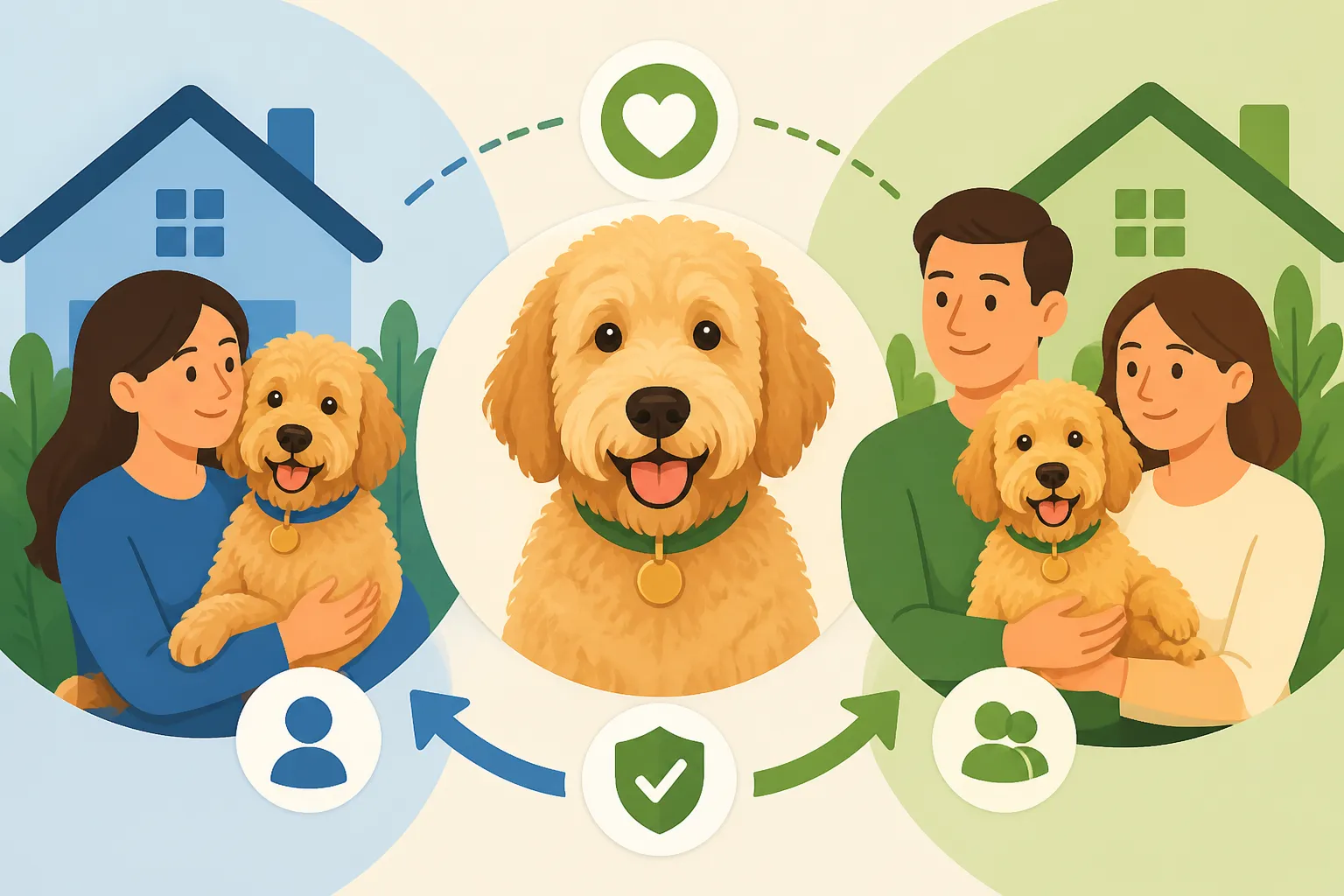
How a Guardian Home Labradoodle Arrangement Works
The idea of welcoming a Labradoodle into your home without the hefty upfront cost can sound incredibly appealing, almost too good to be true. Many aspiring owners are curious about "guardian home" programs, often wondering if it’s a genuine opportunity or if there's a catch. This guide will meticulously break down exactly what a guardian home arrangement entails for Labradoodle families, clarifying the benefits, responsibilities, and crucial considerations before you commit to such a unique partnership.
What Exactly Is a Labradoodle Guardian Home?
A guardian home program is a special arrangement between a dog breeder and an individual or family, where the family takes ownership of a breeding quality puppy or young adult dog, usually a female, and provides a permanent home for it. In return for the dog living with and being cared for by the guardian family, the breeder retains breeding rights for a set number of litters or a specified period. It's essentially a way for responsible breeders to expand their breeding program without housing a large number of dogs in kennels, ensuring each breeding dog lives a full, loving life as a cherished family pet.
A Deeper Look at the Core Concept
Think of it as a shared investment in the dog's well-being and future generations. The dog becomes a beloved member of your family from day one, receiving all the socialization, training, and affection that a family pet would normally get. This is vastly different from a kennel environment, which can sometimes lack the individualized attention and diverse experiences crucial for a well-adjusted Labradoodle. Breeders often want their breeding dogs to be more than just producers; they want them to be happy, confident, and well-socialized individuals, and a guardian home allows for this ideal.
The Breeder's Motivation
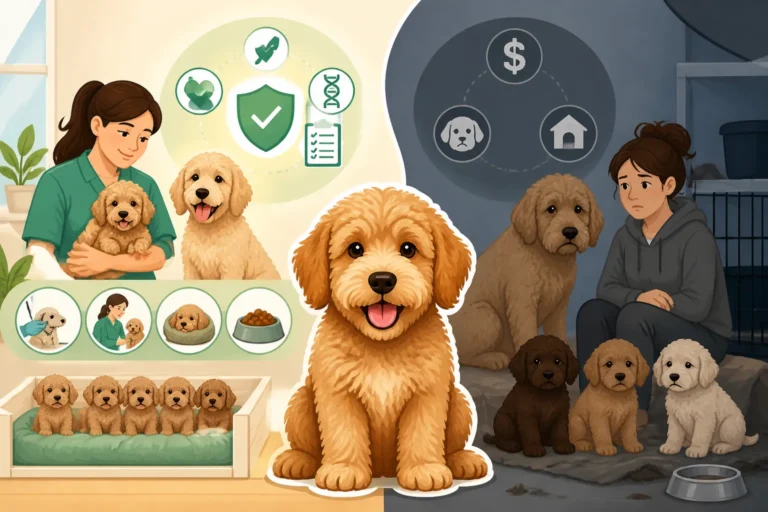
For a reputable Labradoodle breeder, managing a large number of breeding dogs can be challenging. They want to maintain excellent genetics and diversify their lines, but housing multiple intact males and females, especially at different stages of their breeding careers, requires immense resources, space, and time. Guardian homes provide a solution by allowing the breeder to keep more potential breeding stock in loving family environments. This approach helps prevent "kennel blindness" – where a breeder becomes so accustomed to their own dogs that they might overlook minor flaws or temperament issues – and ensures the dogs are exposed to a rich, stimulating home life. It's a win-win when structured correctly, as the dogs get the best of both worlds: a forever home and a contribution to the breed's future.
Why Breeders Choose Guardian Home Programs
Breeders don't just randomly offer dogs for guardian homes; there are very specific and sound reasons behind this model, deeply rooted in responsible breeding practices and the welfare of their dogs. It’s not simply about convenience; it's often about enhancing the quality of life for their breeding stock and, by extension, the puppies they produce.
Ensuring Optimal Socialization and Training
A Labradoodle thriving in a family environment, exposed to daily routines, children, household noises, and regular outings, is often a more confident and well-adjusted dog than one primarily living in a kennel. This consistent socialization is incredibly important for developing a stable temperament, which is then passed down to their puppies. A breeder wants to know their breeding dogs are well-rounded individuals, not just genetic carriers. Imagine a breeding female who has never been to a park, met a stranger, or heard the vacuum cleaner. Her puppies might inherit some of her shyness or lack of exposure. Through a guardian program, the dogs receive continuous real-world training and exposure, ensuring they are prepared for the various demands of breeding and motherhood or fatherhood, and are stellar examples of the breed. This personal investment in their well-being truly shines through in the puppies.
Maintaining a Manageable Breeding Program
Responsible breeding is a labor of love, but it also involves significant logistical challenges. To maintain a healthy and diverse gene pool, breeders need access to a variety of excellent dogs. However, keeping many intact dogs in one household can quickly become overwhelming, impacting the quality of care each individual dog receives. Guardian homes allow breeders to strategically expand their program without compromising on the individual attention and welfare of each dog. Instead of having a large number of adult dogs living in a dedicated kennel facility, they are spread out in loving homes. This decentralization helps prevent issues like overcrowding, reduced individual attention, and potential stress for the dogs. It also allows the breeder to focus on the care of newborn puppies and their mothers more intensely during breeding cycles, knowing their other breeding dogs are flourishing elsewhere. This model truly elevates the standard of care for all dogs involved.
Prioritizing the Dog's Well-being and Longevity
The core philosophy behind a good guardian program is centered on the dog's welfare. Breeding dogs are typically with the breeder only for short periods during breeding or whelping, returning to their guardian families for the majority of their lives. This ensures they have a consistent, stable family unit. For instance, a female Labradoodle might come back to the breeder's home a week or two before her puppies are due, stay through the whelping and nursing period (typically 8-9 weeks), and then return home. This minimizes stress on the dog and provides an uninterrupted home life. It’s also important for the breeder to monitor the dog's health and temperament over its entire life, something that’s easier when they are living as a family member rather than a kennel dog. You can learn more about how long a Labradoodle lives to understand the long-term commitment involved.
The Responsibilities of a Guardian Family
Becoming a guardian family for a Labradoodle is a significant commitment, extending beyond typical pet ownership. While it comes with unique benefits, it also carries specific responsibilities that are crucial for the success of the breeding program and the well-being of the dog. It's vital to understand these obligations upfront.
Daily Care, Training, and Veterinary Needs
As a guardian family, your primary role is to provide a loving, permanent home for the Labradoodle. This means taking on all the standard responsibilities of a pet owner: providing high-quality nutrition (many guardian families opt for premium foods, and brands like Ollie are popular for their fresh ingredients), regular exercise, consistent training, and socialization. You'll be responsible for all routine veterinary care, including vaccinations, annual check-ups, flea and tick prevention, and heartworm medication. This is where companies like Healthy Paws can become valuable, as comprehensive pet insurance can help manage unforeseen vet bills, though typically, the breeder covers all breeding-related health tests and expenses.
You'll also need to commit to ongoing training. A well-behaved Labradoodle is a joy, and regular training sessions, from basic obedience to advanced manners, are essential. This might include puppy classes, private lessons, or consistent at-home reinforcement. Remember, the dog is still part of a breeding program, and their temperament reflects on the breeder. Therefore, a commitment to their behavioral development is paramount. For instance, if you are fostering a young Labradoodle, you might want to look into topics like The Ten Month Old Labradoodle That Forgets Everything to prepare for adolescent challenges.
Grooming and Coat Maintenance
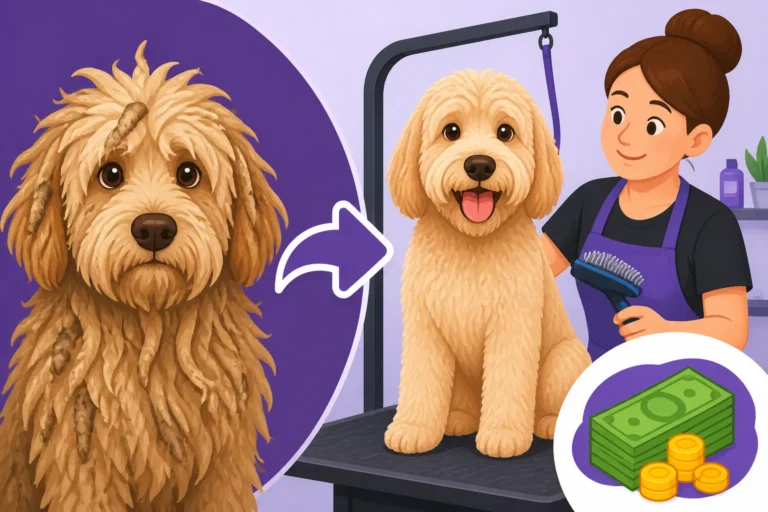
Labradoodles are renowned for their distinctive coats, which come in various types: hair, fleece, and wool. Regardless of the type, these coats require diligent and regular grooming to prevent matting and maintain skin health. As a guardian family, you will be responsible for brushing your Labradoodle several times a week, ensuring the brush reaches down to the skin, not just skimming the surface. This is a critical task, as a matted coat can be painful for the dog and require expensive professional intervention.
In addition to regular home brushing, professional grooming every 6-8 weeks is typically a requirement. The breeder will often specify certain cuts or length expectations to ensure the coat remains healthy and manageable for breeding purposes. It's not uncommon for guardian families to invest in high-quality grooming tools, which can be found at pet supply stores like Chewy, or even take classes to learn how to properly maintain the coat between professional visits. Understanding The Coat Change That Hits a Labradoodle at Nine Months is particularly important, as this period can be a challenge for even the most dedicated groomer.
Breeding-Specific Commitments
This is the unique aspect of a guardian home arrangement. If you're a guardian for a female Labradoodle, you'll need to be prepared for her to come into season. This involves notifying the breeder, managing her during her heat cycles (preventing accidental breedings), and being ready to take her to the breeder's home for breeding. Later, she will return to the breeder's home a week or two before whelping (giving birth) and remain there until the puppies are weaned, usually around 8-9 weeks post-birth. For a male Labradoodle, the commitment involves making him available for breedings as needed, which might mean short trips to the breeder's home.
These periods away from home, though temporary, require emotional readiness from the guardian family. It's a bittersweet experience; you miss your dog, but you know she's doing important work. The contract will explicitly detail the number of litters (typically 2-4 for a female) or the duration of the breeding period. The breeder covers all costs associated with breeding, including health clearances such as The Health Tests a Labradoodle Breeder Should Show and any veterinary care related to pregnancy, whelping, and nursing.
The Perks and Privileges of Being a Guardian
While the responsibilities of a guardian home family are significant, there are also substantial benefits that make these arrangements appealing to many dog lovers. It’s not just about contributing to a breeding program; it’s also about gaining a wonderful companion under unique terms.
A Top-Quality Labradoodle at Reduced or No Upfront Cost
One of the most obvious and attractive benefits is the opportunity to bring a high-quality Labradoodle into your home without the typical initial purchase price, which can range significantly. These aren't just any Labradoodles; they are typically dogs carefully selected by the breeder for their excellent health, temperament, and adherence to breed standards. They come from extensively health-tested lines, ensuring a genetically sound foundation. Many breeders invest heavily in their breeding stock, and a guardian dog represents the cream of the crop, often chosen for specific traits. So, you're not just getting a "free dog"; you're getting a dog that has been meticulously screened and is intended to be an exemplary representation of the breed. This can alleviate the financial barrier for families who might otherwise find the initial cost prohibitive.
Breeder Support and Expertise
When you become a guardian home, you don't just get a dog; you gain a lifelong mentor in the breeder. This relationship is incredibly valuable, especially for first-time dog owners or those new to the Labradoodle breed. The breeder provides ongoing support, guidance, and expertise on everything from training tips to grooming advice. They often have decades of experience with Labradoodles and are an invaluable resource for navigating puppyhood, adolescence, and any behavioral or health questions that arise. This level of support far exceeds what you might receive from a typical pet purchase. For example, if your Labradoodle develops a unique skin issue, the breeder might offer insights drawn from their lines or suggest specific dermatological vets, which can be particularly helpful if you are trying to tell Whether a Labradoodle's Coat Loss Is Thyroid or Adenitis. This continuous connection fosters a strong community and ensures you're never alone in your dog-parenting journey.
All Breeding-Related Expenses Are Covered
Beyond the initial cost of the dog, the breeder typically shoulders all financial responsibilities directly related to the dog's breeding career. This includes all genetic health testing, such as hip and elbow evaluations, eye certifications, and DNA panels for conditions like prcd-PRA. When the female is pregnant, the breeder covers all prenatal veterinary care, the whelping process, and the care of the puppies. For males, any collection or breeding fees are covered. This can amount to thousands of dollars in savings over the dog's breeding years, as these health tests and breeding costs are substantial. It’s a significant financial relief for guardian families, allowing them to focus on providing daily care and love, while the breeder handles the specialized and often expensive aspects of the breeding program. For example, knowing that the breeder pays for the specific screenings, like The prcd-PRA Test Both Labradoodle Parents Need, can offer peace of mind.
Potential Challenges and Considerations
While guardian home programs offer many benefits, it's crucial to approach them with a clear understanding of the challenges and unique considerations involved. This arrangement isn't for everyone, and being realistic about the demands is key to a successful partnership.
Temporary Separation from Your Dog
Perhaps the most emotionally challenging aspect of being a guardian home for a female Labradoodle is the temporary separation during breeding and whelping. Your beloved family member will need to spend several weeks (typically around 9-11 weeks in total, from breeding to weaning) away from your home, at the breeder's facility. For families deeply bonded with their dog, this can be incredibly difficult. Imagine your dog, who sleeps at the foot of your bed every night, suddenly being absent for an extended period. Children, in particular, can struggle with this, missing their furry companion. While breeders often allow visits, it's not the same as having your dog home. It requires a resilient mindset and the understanding that these separations are vital for the successful raising of the litter. This is often the biggest adjustment for guardian families, and it's essential to be prepared for the emotional toll.
Adhering to Breeder's Guidelines and Contract Terms
Guardian home arrangements are governed by a detailed contract, and adherence to its terms is non-negotiable. This contract will outline everything from dietary requirements to approved veterinary care providers, grooming standards, exercise regimens, and training expectations. For some families, this level of external guidance can feel restrictive. You might have preferences for a certain type of food, or a particular veterinarian, but the breeder’s requirements typically take precedence, especially regarding anything that impacts the dog's breeding fitness.
For instance, the contract might specify not to spay or neuter the dog before a certain age or without breeder consent, which is a departure from typical pet ownership. It might also dictate that the dog must remain intact throughout its breeding career, which can impact socialization with other dogs at dog parks or daycares. These rules are in place to protect the integrity of the breeding program and the health of the dog, but they require a willingness from the guardian family to follow instructions and communicate openly with the breeder. Understanding Whether a Labradoodle Breeder's Contract Is Enforceable is a good idea to fully grasp your obligations.
The "Intact" Status and Potential Behavioral Differences
Living with an intact male or female dog (one who hasn't been spayed or neutered) comes with its own set of considerations. For intact females, managing heat cycles means being vigilant about preventing accidental pregnancies. This often involves keeping her securely confined or on a leash at all times she's outdoors, avoiding dog parks, and potentially dealing with messes. Intact males can sometimes be more driven by hormones, potentially leading to marking behaviors, increased interest in female dogs in heat from a distance, or even conflicts with other intact males. While Labradoodles generally have wonderful temperaments, hormonal influences can subtly alter behavior. You might find you have to adjust your routine or your dog's social interactions to accommodate their intact status until they are retired from the program and spayed or neutered, which the breeder usually covers once their breeding career is complete.
Is a Guardian Home Right for Your Family?
Deciding whether a guardian home arrangement is a good fit for your family requires careful introspection and an honest assessment of your lifestyle, expectations, and emotional readiness. It's a unique path to dog ownership, offering both incredible rewards and specific demands that differ from traditional pet ownership.
Self-Assessment: Lifestyle, Availability, and Expectations
Before you even reach out to a breeder, sit down with your family and honestly evaluate your capacity for this commitment. Do you have the time and dedication required for a high-energy breed like a Labradoodle, which needs consistent training, ample exercise, and regular grooming? Are you prepared for the significant time investment, especially during the dog's formative years? Also, consider your living situation: Do you have a secure yard? Is your home environment stable and suitable for raising a breeding dog?
Crucially, examine your expectations. Are you hoping for a "free dog" with no strings attached, or do you genuinely want to be part of a responsible breeding effort? If the former, a guardian home is likely not for you. You must be comfortable with the breeder maintaining some control over the dog's life during its breeding years and with the temporary separations. Understanding What a Guardian Family Gives Up on a Labradoodle is paramount to setting realistic expectations. This isn't just a pet; it's a breeding partner, and that comes with a different set of dynamics.
Questions to Ask a Potential Breeder
Once you’ve done your self-assessment, and if you're still keen, preparing a list of questions for potential breeders is essential. Don't be shy; a reputable breeder will welcome your inquiries and see it as a sign of your seriousness and responsibility. Here are some key areas to cover:
- Contract Details: Ask for a sample contract. Understand the specific terms regarding breeding cycles, the number of litters, what happens if the dog doesn't pass health clearances, and the process for transitioning the dog out of the program. Clarify How a Guardian Home Labradoodle Arrangement Works in their specific program.
- Financial Responsibilities: Get a clear breakdown of what expenses the breeder covers versus what you cover. Who pays for routine vet visits? What about emergency care unrelated to breeding?
- Communication and Support: How often will you communicate? What kind of support can you expect? How involved are they with their guardian families?
- Dog's Well-being During Breeding: What are their protocols for the dog during breeding and whelping? How often can you visit? What is the transition process like when the dog returns home?
- Retirement: What happens when the dog is retired from breeding? Does the guardian family assume full ownership, including spaying/neutering? Find out Whether a Retired Guardian Labradoodle Stays With the Family.
A good breeder will be transparent, patient, and thorough in answering all your questions, demonstrating that they are as invested in your understanding and commitment as you are in their program.
Final Considerations Before Committing
Before signing on the dotted line, consider the long-term impact on your family. Guardian home arrangements can last for several years, often through the prime years of your dog's life. Think about future life changes – moves, new jobs, family expansions – and how they might affect your ability to fulfill your guardian responsibilities.
| Aspect | Traditional Ownership | Guardian Home Program |
|---|---|---|
| Upfront Cost | Full purchase price of puppy | Reduced or no upfront cost |
| Ownership | Full ownership from day one | Shared ownership/breeding rights retained by breeder |
| Vet Expenses | All routine and emergency vet bills | Routine vet bills; breeder covers breeding-related costs |
| Breeding Control | Owner decides on spay/neuter timing | Breeder dictates breeding schedule, testing, and procedures |
| Dog's Time | Stays with owner 100% of the time | Temporary stays at breeder's home for breeding/whelping |
| Support | Relies on vet, trainer, or personal research | Ongoing support and expertise from the breeder |
| Grooming/Care Standards | Owner's discretion | Must adhere to breeder's specific standards for coat/health |
| End of Breeding Career | Not applicable | Dog retired, spayed/neutered (often by breeder), full ownership by guardian |
Ultimately, a guardian home can be a profoundly rewarding experience, offering a unique bond with a wonderful Labradoodle and the satisfaction of contributing to the continuation of healthy, well-tempered lines. However, it demands a special kind of dedication and a partnership mindset. If you're ready for the commitment, open to shared responsibilities, and enthusiastic about working closely with a breeder, then a guardian home could be the perfect way to welcome a Labradoodle into your life.
Disclaimer
This article is for general informational purposes only and does not constitute professional advice. Laws, prices and regulations vary by location and change over time. Consult a qualified professional for guidance on your specific situation.