The EIC, Addison’s and Bloat Bills a Labradoodle Owner Meets
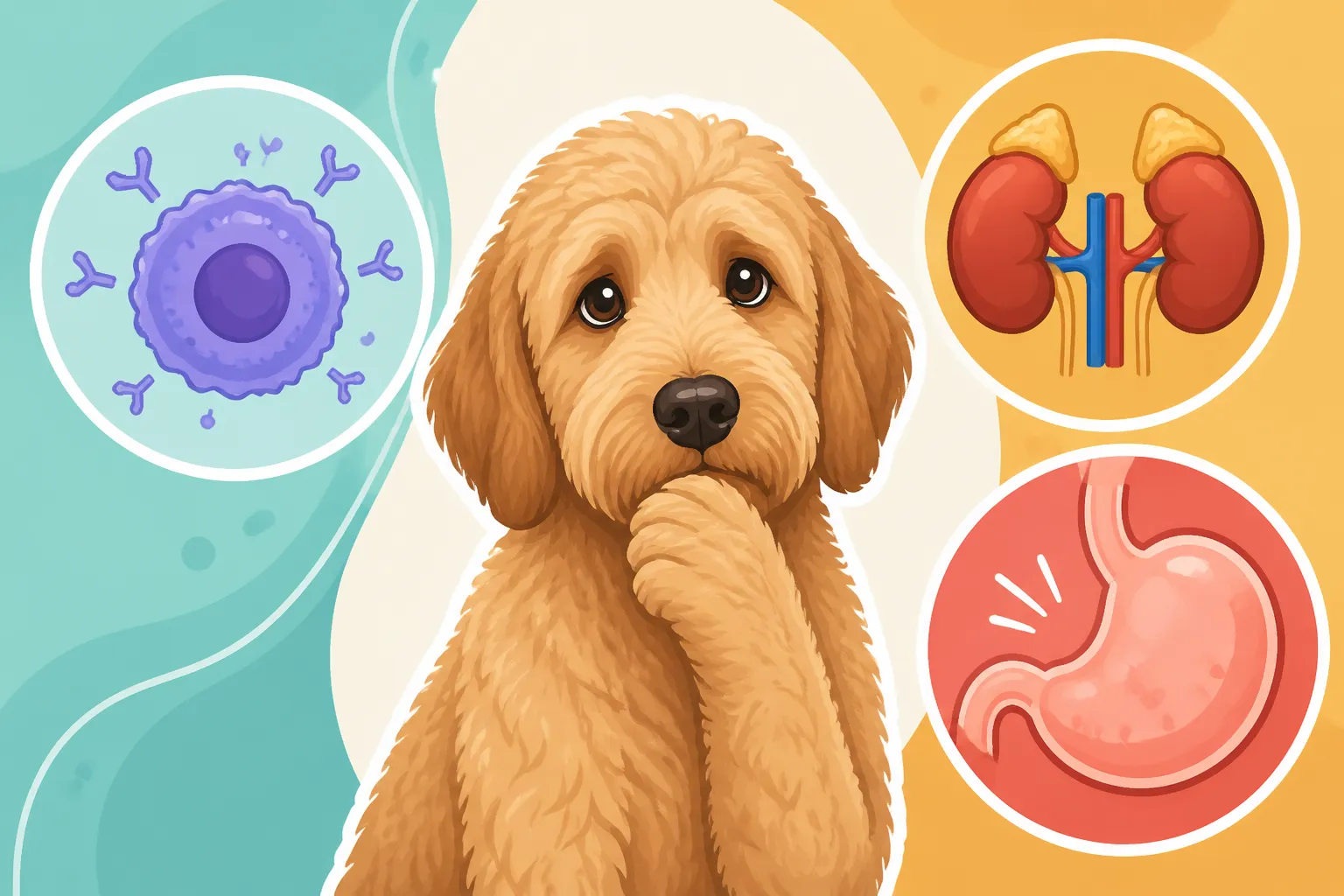
Bringing a Labradoodle into your home is an incredible joy, full of laughter and wagging tails, but it also comes with a serious financial commitment. Many new owners, understandably, focus on the initial puppy price and basic supplies, not fully grasping the potential for hefty veterinary bills when serious genetic health conditions like Exercise Induced Collapse (EIC), Addison's Disease, or bloat strike. This guide will walk you through the potential costs associated with these significant health challenges, helping you understand what to expect and how to prepare.
Understanding Exercise Induced Collapse (EIC) in Labradoodles
Imagine your vibrant, energetic Labradoodle puppy, full of life and boundless enthusiasm for fetch. One minute they're tearing across the park, retrieving a ball with gusto, and the next, their hind legs start to wobble, they drag their paws, and within minutes, they collapse, unable to move their back end. This terrifying scenario is the hallmark of Exercise Induced Collapse (EIC), a genetic neuromuscular disorder that, while usually not painful, can be incredibly frightening for owners and has specific financial implications.
The Initial Shock and Diagnosis Costs
When your Labradoodle first experiences a collapse episode, your heart will likely stop. The immediate reaction is often a frantic rush to the emergency vet, especially if you've never witnessed it before. This initial emergency visit can easily run into several hundred dollars, as vets will perform a physical exam, possibly blood work, and rule out other critical conditions like heatstroke, seizures, or heart problems. The good news is that EIC episodes typically resolve on their own with rest, but getting to that diagnosis takes careful work.
A definitive diagnosis of EIC requires a specific DNA test. This test looks for the DNM1 gene mutation that causes the condition, which is a crucial step in understanding your dog's future and confirming it's not something more sinister. This test, often available through labs like Embark or OptiGen, can cost anywhere from $65 to $200, depending on whether it's part of a larger genetic panel or a standalone test. It's a relatively small cost for such a vital piece of information, but it's an added expense often faced after the initial emergency visit has already taken a bite out of your wallet. Knowing "The DNM1 Mutation Behind Labradoodle Collapse" is key to understanding this condition.
Managing EIC and Ongoing Expenses
While there's no cure for EIC, managing it effectively means understanding your dog's triggers and adjusting their activity. This might sound simple, but it can sometimes involve consultation with a veterinary neurologist or an internal medicine specialist, especially if the collapses are frequent or severe. Specialist appointments can range from $150 to $400 per visit, not including any follow-up diagnostics. These professionals can help you fine-tune activity levels, identify specific environmental or emotional stressors, and discuss potential dietary supplements or medications that might help reduce symptom severity in some cases, though efficacy varies greatly.
Beyond specialist fees, the ongoing expenses are less about direct medical intervention and more about careful lifestyle management. You might invest in specific cooling vests for exercise on warmer days, or specialized harnesses that can help support your dog if they start to wobble on walks. Consider the cost of professional training if you need help teaching your dog to moderate their own excitement or to stop before they push themselves too far. While these aren't traditional vet bills, they are expenses directly related to managing your Labradoodle's EIC. Watching "What a Labradoodle Collapse Episode Looks Like" can help you identify if your dog is exhibiting these signs.
Preventive Measures and Their Price Tag
For breeders, prevention is paramount. Responsible Labradoodle breeders will conduct DNA testing on their breeding stock to ensure they are not passing on the EIC gene. This means testing both parent dogs to determine if they are clear, carriers, or affected. If a breeder fails to perform these tests, the cost of dealing with EIC symptoms falls entirely on the new owner. As an owner, if you're considering breeding your Labradoodle, or if your dog develops EIC and you want to ensure any future offspring are not affected, you'll need to pay for this genetic testing.
The cost of ensuring "Whether Health Tested Parents Add Years to a Labradoodle" is an upfront investment that pays dividends in preventing suffering and enormous future costs. When searching for a puppy, always ask breeders for proof of their dogs' health clearances, including EIC status. It's a small price to pay for peace of mind and significantly reduces the risk of your beloved companion facing this startling and potentially expensive condition down the line.
Navigating Addison's Disease: A Lifelong Financial Commitment
Addison's Disease, also known as hypoadrenocorticism, is a tricky and often devastating condition where your Labradoodle's adrenal glands don't produce enough crucial hormones. It's often called "the great imitator" because its symptoms can be vague and mimic many other illnesses, making diagnosis a frustrating and sometimes lengthy journey. This hidden challenge can quickly become a significant financial burden due to repeated vet visits, specialized tests, and lifelong medication.
The Elusive Diagnosis and Its Cost
The initial signs of Addison's can be incredibly subtle: lethargy, loss of appetite, vomiting, diarrhea, increased thirst, and even generalized weakness. Because these symptoms are so non-specific, you might find yourself at the vet multiple times, paying for various blood tests, urinalyses, and even X-rays, trying to pinpoint the problem. Each visit and test can accumulate, potentially costing hundreds of dollars without a clear answer. The frustration for owners isn't just emotional; it's financial, as you desperately search for a diagnosis.
The definitive test for Addison's is the ACTH (Adrenocorticotropic Hormone) stimulation test. This test involves two blood samples taken before and after an injection of synthetic ACTH, and it directly measures your dog's adrenal gland function. The ACTH stimulation test alone can cost anywhere from $200 to $500 or more, depending on your geographic location and veterinary clinic. It's a significant expense, but it's the gold standard for confirming Addison's Disease. Understanding "The Vague Signs of Addison's in a Labradoodle" can help you advocate for appropriate testing earlier.
Monthly Medication and Monitoring Expenses
Once diagnosed, Addison's Disease is managed with lifelong medication. The most common treatment involves a monthly injection of a long-acting corticosteroid, like Percorten-V or Zycortal, which replaces the deficient hormones. The cost of these injections can range from $75 to $200 or more per month, depending on your dog's size and the specific medication used. This is a recurring expense that becomes a permanent part of your monthly budget.
In addition to the injections, many Addisonian dogs also require daily oral prednisone to manage mineralocorticoid deficiency, adding another layer of cost, albeit usually less expensive. Regular blood work is also essential to monitor your dog's hormone levels and electrolyte balance, ensuring the medication dosage is correct. These follow-up tests might be required every few months initially and then semi-annually, each visit incurring further fees. This consistent monitoring is vital to ensure "Life on Daily Medication for an Addisonian Labradoodle" is comfortable and effective, but it certainly adds up over time. Some owners find using online pet pharmacies like Chewy or searching for manufacturer rebates can help alleviate some of the prescription costs.
Emergency Addisonian Crisis: What to Expect
Despite careful management, an Addisonian crisis can still occur, often triggered by stress, illness, or an inadequate medication dose. This is a life-threatening emergency where your dog's body essentially goes into shock. Symptoms include severe weakness, collapse, extreme vomiting, diarrhea, and potentially kidney failure. An Addisonian crisis requires immediate veterinary intervention, typically involving intravenous fluids, high doses of corticosteroids, and intensive monitoring in an emergency hospital.
The cost of treating an Addisonian crisis can be staggering. Emergency hospital stays, continuous IV drips, round-the-clock veterinary care, and emergency medications can quickly accumulate into bills ranging from $1,000 to $5,000 or even more, especially if complications arise or a prolonged stay is necessary. This is precisely why having an emergency fund or robust pet insurance is so critical for owners of Labradoodles with Addison's Disease. Knowing "Whether an Addisonian Labradoodle Needs an Emergency Plan" isn't just about emotional preparedness; it's about financial readiness for a crisis that can strike without warning.
Bloat (GDV): The Sudden, Life-Threatening Bill
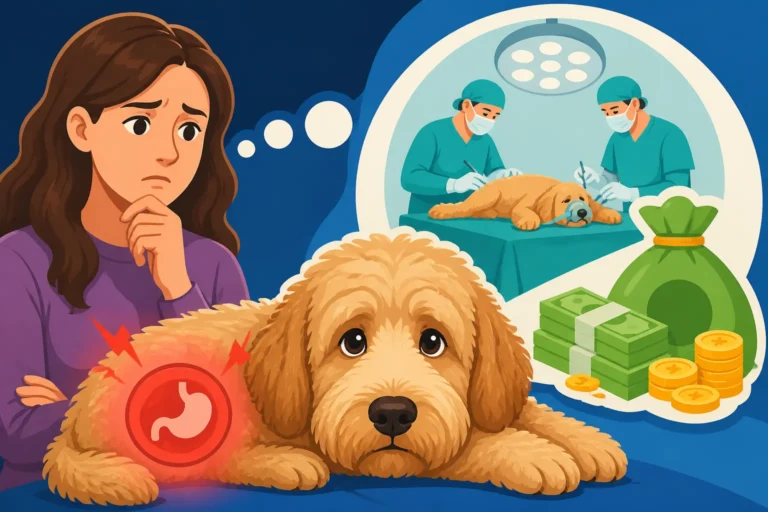
Gastric Dilatation-Volvulus (GDV), more commonly known as bloat, is a terrifying and rapidly progressing condition where a dog's stomach fills with gas and then twists on itself, cutting off blood flow and trapping the gas. It's an emergency that can kill a dog in hours, and Labradoodles, with their Poodle heritage often contributing to a deep, narrow chest, are unfortunately at a higher risk. The sudden onset and critical nature of bloat mean that the financial impact is almost always an unexpected, massive emergency bill.
The Race Against Time: Emergency Vet Costs
When your Labradoodle exhibits signs of bloat—a distended abdomen, unproductive retching, restlessness, excessive drooling, and obvious pain—there is no time to wait. Every minute counts. You will need to rush your dog to the nearest emergency veterinary hospital. The initial stabilization costs alone can be substantial. These often include emergency examination fees, X-rays to confirm the GDV diagnosis, intravenous fluids to combat shock, pain medication, and potentially gastric decompression (passing a tube into the stomach to relieve gas).
Even before surgery, these initial emergency stabilization efforts can easily cost several hundred to over a thousand dollars. The veterinary team works quickly to prepare your dog for surgery, which is the only definitive treatment for bloat. The speed with which you get your dog to the vet directly impacts their chances of survival, but also means you often don't have time to consider the financial implications until after the initial emergency measures are underway. Understanding "The Deep Chest a Labradoodle Gets From the Poodle" is important for recognizing this risk factor.
Surgical Intervention: Gastropexy and Post-Op Care
The primary treatment for bloat is emergency surgery to untwist the stomach (detorsion) and, ideally, perform a gastropexy. A gastropexy is a procedure where the stomach is surgically attached to the abdominal wall to prevent future twisting. While it doesn't prevent the stomach from filling with gas (dilatation), it dramatically reduces the risk of the life-threatening volvulus (twisting). This complex surgery, often performed by an emergency veterinary surgeon, is expensive.
The cost for emergency bloat surgery and gastropexy can range dramatically from $3,000 to $7,000, or even higher, depending on the severity of the bloat, the presence of complications (like spleen damage or tissue necrosis), the duration of the surgery, and the geographical location of the emergency clinic. This fee typically includes anesthesia, surgical supplies, the surgeon's fee, and often a few days of intensive post-operative care, which includes pain management, IV fluids, and monitoring for arrhythmias or other complications that can arise after such a traumatic event.
Long-Term Management and Follow-Up Costs
Even after successful surgery, your Labradoodle will require careful post-operative care and monitoring. This typically involves several days of hospitalization, followed by strict activity restrictions at home, a special diet, and oral medications for pain and stomach motility. Follow-up appointments with your regular veterinarian are necessary to ensure proper healing and address any lingering concerns. These follow-up visits and medications, while less costly than the emergency surgery, still add to the overall financial burden.
Preventative measures can also come with a cost. Many owners, especially those with Labradoodles at higher risk, opt for a prophylactic gastropexy, often performed at the same time as spaying or neutering. This elective surgery, performed before bloat ever occurs, is significantly less expensive than emergency surgery, usually ranging from $400 to $1,000 when combined with a routine spay/neuter. It's a proactive investment in your dog's future health and peace of mind. Discussing "Whether a Labradoodle Should Have a Preventive Gastropexy" with your vet is a wise financial and health decision.
The Role of Pet Insurance in Managing Labradoodle Health Costs
Facing down thousands of dollars in veterinary bills for EIC, Addison's, or bloat can be overwhelming, to say the least. This is where pet insurance can be a genuine lifeline for Labradoodle owners. While it might seem like an added monthly expense, the right policy can turn a potentially devastating financial hit into a manageable deductible and reimbursement.
What to Look for in a Labradoodle Policy
Not all pet insurance policies are created equal, and it's vital to do your homework, especially with a breed like the Labradoodle that can be prone to certain conditions. When researching policies, look for plans that cover hereditary and congenital conditions. Many common Labradoodle issues, including EIC and Addison's, fall into these categories. Some policies might have waiting periods before coverage for these conditions kicks in, so it's best to enroll your puppy as early as possible.
Also, pay close attention to the deductible, reimbursement percentage, and annual limits. A lower deductible means you pay less out-of-pocket before insurance starts covering costs, but often comes with a higher monthly premium. A higher reimbursement percentage (e.g., 90% vs. 70%) means the insurance company pays more of the bill. Companies like Healthy Paws offer robust coverage for accidents and illnesses, which would include emergency bloat surgery or the ongoing management of Addison's. Be sure to read the fine print regarding exclusions, such as pre-existing conditions, which is why early enrollment is so important.
Claiming for EIC, Addison's, and Bloat
Successfully claiming for these conditions often depends on the timing of your policy enrollment relative to when symptoms first appeared or when a diagnosis was made. If your Labradoodle is already diagnosed with Addison's Disease before you get insurance, it will almost certainly be considered a pre-existing condition and will not be covered. This highlights the critical importance of proactive enrollment, ideally when your Labradoodle is a puppy and has no documented health issues.
For EIC, if the DNA test identifying your dog as affected happens after you enroll, and there were no prior symptoms documented by a vet, your policy might cover specialist consultations and any supportive care recommended. For bloat, which is almost always a sudden, acute emergency, most accident and illness policies will cover the significant costs of emergency surgery and post-operative care, provided it's not a pre-existing condition (which is unlikely for bloat as it's an acute event). Understanding "What Labradoodles Most Often Die Of" can also help prioritize your insurance coverage.
Self-Insurance vs. Pet Insurance: A Comparison
Some owners consider "self-insuring" by setting aside a dedicated savings account for veterinary emergencies instead of paying monthly pet insurance premiums. While this can work for some, it requires incredible discipline and the ability to save thousands of dollars quickly. The major pitfall is that a severe, expensive emergency like bloat or an Addisonian crisis can strike at any time, often before you've had a chance to build up a substantial fund. Would you have $5,000 ready to go if your Labradoodle bloated tomorrow?
Pet insurance provides immediate financial protection against these unforeseen, high-cost events. While you pay a monthly premium, you gain the peace of mind that comes with knowing you won't have to make agonizing financial decisions during a medical crisis. When comparing policies, consider the lifetime cost of care for conditions like Addison's Disease – the monthly medication alone can be hundreds of dollars, and insurance can significantly mitigate this burden. It's about hedging against the unknown, and for many, the investment in pet insurance is well worth it.
Budgeting for the Unexpected: Practical Financial Tips
Even with the best intentions and proactive care, owning a Labradoodle can still present unexpected financial challenges. Beyond pet insurance, there are practical steps you can take to prepare for the inevitable vet bills that come with managing health conditions like EIC, Addison's, or bloat.
Setting Up an Emergency Fund
One of the most valuable things you can do for your Labradoodle, and your wallet, is to establish a dedicated emergency fund specifically for veterinary care. This isn't just a general savings account; it's money earmarked solely for those sudden, unavoidable expenses. Start small if you need to, putting away $25 or $50 each paycheck, but aim to build it up to at least $2,000 to $5,000. This fund can cover your pet insurance deductible, co-pays, or even the full cost of a less severe emergency.
Having this fund means you won't have to scramble for funds or resort to high-interest credit cards when your dog needs urgent care. Imagine the relief of knowing you can say "yes" to necessary treatments without hesitation during a stressful medical emergency. Even if you have pet insurance, this fund can bridge the gap for deductibles or expenses not fully covered.
Exploring Payment Plans and Financial Aid
If you find yourself facing a substantial vet bill that your emergency fund or insurance can't fully cover, don't despair. Many veterinary clinics offer payment plans or work with third-party financing options like CareCredit. These programs allow you to spread the cost of treatment over several months, often with low or no interest if paid within a promotional period. Always ask your vet's office about available payment options before treatment if possible, or immediately upon receiving a treatment plan.
Additionally, there are various non-profit organizations and charities that offer financial assistance for pet owners facing veterinary emergencies. Organizations such as RedRover, The Pet Fund, and regional humane societies sometimes provide grants or aid for specific conditions or urgent care situations. While they may not cover the full cost, every bit helps. A quick online search for "pet financial aid [your city/state]" can often yield local resources.
The Value of a Good Breeder and Health Testing
One of the most significant financial safeguards you can implement is choosing a reputable breeder who prioritizes genetic health testing. While even the most responsible breeding practices cannot guarantee a dog will never get sick, they significantly reduce the risk of inheriting conditions like EIC and Addison's Disease. A good breeder will screen their breeding dogs for these and other relevant genetic issues, providing documentation of clear results.
An upfront investment in a puppy from health-tested parents is often much cheaper in the long run than purchasing a cheaper puppy from an unknown source only to face years of expensive medical management for preventable conditions. Always ask "The Health Tests a Labradoodle Breeder Should Show" and review the results yourself. This due diligence is a proactive financial decision that protects your future companion and your bank account.
| Condition | Typical Diagnostic Cost | Emergency Treatment Cost (if applicable) | Long-Term/Monthly Management Cost | Preventive Measure Cost (if applicable) |
|---|---|---|---|---|
| EIC | $200 – $500 (DNA test + initial vet) | N/A (rest is primary "treatment") | Minimal (lifestyle adjustment, occasional specialist) | $65 – $200 (DNA test for breeding dogs) |
| Addison's | $300 – $800 (ACTH stim test + initial tests) | $1,000 – $5,000+ (crisis hospitalization) | $75 – $200+/month (injections, meds, monitoring) | N/A (genetic predisposition testing not widespread) |
| Bloat (GDV) | $500 – $1,500 (emergency exam, X-rays, stabilization) | $3,000 – $7,000+ (emergency surgery + post-op) | Minimal (post-op follow-ups, special diet) | $400 – $1,000 (prophylactic gastropexy) |
Note: All costs are estimated and can vary widely based on geographic location, veterinary clinic, and individual case complexity.
Comprehensive Health Testing: An Investment, Not an Expense
When you bring a Labradoodle into your life, you’re making a commitment to their well-being. A critical part of that commitment involves understanding their genetic predispositions and proactively addressing potential health issues. While a puppy from a reputable breeder might have a higher initial price tag, that cost often reflects the investment made in comprehensive health testing of the parents, which can save you a fortune (and heartache) down the road. Thinking of health testing as an investment rather than an expense is key to long-term financial and emotional stability as a Labradoodle owner.
DNA Testing for EIC and Other Genetic Conditions
For conditions like Exercise Induced Collapse (EIC), DNA testing is a straightforward way to identify carriers and affected dogs. A responsible Labradoodle breeder will have tested their breeding stock for EIC, as well as other common genetic conditions inherited from the Labrador Retriever and Poodle lines, such as progressive retinal atrophy (PRA), Von Willebrand's Disease, and often others. These tests help ensure that puppies are not at risk of inheriting two copies of a problematic gene, which would lead to them being affected by the disease.
As an owner, even if your Labradoodle came from health-tested parents, you might consider performing a comprehensive DNA panel if you are unsure of their background, perhaps with a rescue dog. This information can be invaluable for understanding your dog's specific needs and potential future health challenges. Knowing your dog's genetic makeup allows you to be proactive, for instance, by modifying exercise routines for an EIC-affected dog or preparing for potential issues that may arise with age. This is part of the broader conversation around "Whether Health Tested Parents Add Years to a Labradoodle" and overall genetic health.
Screening for Addison's Predisposition
While there isn't a single, widely available DNA test that definitively predicts Addison's Disease in Labradoodles, breeders often screen for a predisposition by looking at family history and considering a broader range of health data. Both Poodles and Portuguese Water Dogs (one of the foundation breeds for Australian Labradoodles) have a higher incidence of Addison's, making careful screening of ancestral lines important.
For owners, understanding your dog's pedigree and the health history of their parents and grandparents can provide clues. If Addison's has appeared in your dog's family line, it might warrant closer monitoring for the subtle, early signs of the disease and a lower threshold for diagnostic testing if symptoms emerge. Early detection can often lead to more effective and less costly management before an emergency crisis occurs. This is a critical factor in preparing for "The Yearly Screening a Labradoodle Should Get," ensuring your vet is aware of any family history that might inform their diagnostic approach.
Understanding Bloat Risk Factors
Unlike EIC and Addison's, bloat isn't primarily a genetic disease in the same direct sense, though genetics can influence anatomical predisposition. The deep, narrow chest shape often found in larger Poodles and, by extension, Standard Labradoodles, is a significant risk factor. Understanding this anatomical risk can inform preventive measures. While there's no genetic test to predict bloat directly, knowing your Labradoodle's lineage can provide insights into their potential susceptibility.
Owners of larger Labradoodles should be acutely aware of bloat risk factors and discuss preventative options with their vet. This often includes strategies like feeding smaller, more frequent meals, avoiding vigorous exercise immediately before or after eating, and potentially considering a prophylactic gastropexy. This elective surgery, as mentioned earlier, can drastically reduce the risk of the stomach twisting, potentially saving your dog's life and preventing an astronomical emergency vet bill. Being proactive about these known risks is an essential part of responsible Labradoodle ownership. For some procedures, such as emergency care, it's also worth checking if your pet insurance covers "Whether Anesthesia Is Safe for an Addisonian Labradoodle" or other high-risk situations.
Disclaimer
Please remember that this article provides general information and estimates. Veterinary costs can vary significantly based on your location, your specific veterinarian's fees, the severity of your dog's condition, and any complications that may arise. Always consult with a qualified veterinary professional for accurate diagnoses, treatment plans, and cost estimates for your individual Labradoodle's health needs.